Türkçe
The things to consider after breast augmentation surgery are of great importance in terms of ensuring a healthy recovery process and reducing the risk of complications. After the operation, the medications recommended by the doctor should be used regularly, the special medical bra should be worn for the specified period, and physical activities should be limited.
The recovery process after breast augmentation surgery is generally characterized in the first weeks by edema, mild pain, and a feeling of tightness. During this period, heavy lifting should be avoided, and the arms should not be raised forcefully above shoulder level. Regular follow-up examinations should not be neglected.
Post-silicone implant care recommendations support the implant remaining in the correct position and help prevent complications such as capsular contracture. Quitting smoking positively affects wound healing. Attention should be paid to the hygiene of the incision sites, and no cream should be used without the doctor’s recommendation.
Sports and daily life after breast aesthetics usually return to normal gradually within 4–6 weeks. The surgeon’s approval should be obtained for activities such as intense exercise, swimming, and sauna. Protection from sudden trauma and maintaining a supine sleeping position contribute to early recovery.
The First Days After Surgery: The Beginning of Tissue Healing
The first 48–72 hours after breast augmentation surgery mark the initial phase of the healing process, referred to as the inflammatory phase. During this period, the body develops a natural response to surgical trauma. Edema (swelling), mild to moderate pain, a feeling of tightness, and breast tenderness are common findings.

Pain may be slightly more pronounced in patients with submuscular placement. The reason for this is the stretching of the pectoral muscle (chest muscle) during implant placement. Regular use of the analgesics recommended by the physician helps keep the pain under control. During this process, it is important to use the prescribed medications at the recommended dose and duration.
Rest is recommended in the first days; however, remaining completely immobile is not correct. Short and light walks may contribute to supporting the circulatory system and reducing the risk of thrombosis.
Edema, Bruising, and Drain Use
The development of edema after a surgical procedure is a physiological process. As lymphatic circulation (the body’s fluid drainage system) is regulated, swelling gradually decreases over weeks. Bruising usually subsides within 1–2 weeks.
In some patients, a drain may be placed during surgery. The drain allows blood or serous fluid (seroma) that may accumulate in the surgical area to be removed. Patients with a drain must follow the care instructions recommended by the physician and monitor the drain output. The drain is usually removed within a few days; however, the duration may vary depending on the individual healing rate.
Postoperative Bra Use
The use of a special medical bra is frequently recommended in the postoperative period. These bras help keep the implant in the correct position by stabilizing the breast. They also contribute to edema control and reduce tension on the surgical area.
It is generally recommended to wear it day and night for the first few weeks. The length of time may vary depending on the implant placement plan (subglandular or submuscular), the type of prosthesis used, and individual healing characteristics.
Physical Activity and Return to Daily Life
Among the things to consider after breast augmentation surgery, restriction of physical activity holds an important place. In the first weeks, heavy lifting, sudden arm movements, and upper body exercises are not recommended. Movements that actively use the pectoral muscle may especially affect implant placement.
Most patients can return to desk jobs within a few days to one week. However, this period may be longer in professions that require intense physical effort. Returning to sports activities is generally planned after a few weeks and following physician evaluation.
Each patient’s recovery process is different. Therefore, rather than a standard timeline, individual assessment should be taken as the basis.
Sleeping Position and Sleep Routine
After surgery, it is recommended to lie on the back in a slightly elevated position. This position contributes to reducing edema and keeping the implants stable. Sleeping face down or on the side is generally not recommended in the early period, as it may create pressure on the implant.
It is important to avoid sudden arm movements during sleep and not to create pressure on the chest area. These recommendations are generally valid for the first few weeks.
Wound Care and Hygiene
Keeping the surgical incision sites clean and dry reduces the risk of infection. Infection may manifest with symptoms such as redness, increasing pain, discharge, fever, or localized warmth. In the presence of such findings, it is necessary to contact the surgical team without delay.
The timing of showering is usually determined according to the physician’s recommendation. In the early period, environments such as bathtubs, saunas, or pools should be avoided. Wound healing should be carefully monitored until the process of epithelialization (reformation of the skin surface) is complete.
Possible Complications and Warning Signs
As with any surgical procedure, there may be certain risks of complications in breast augmentation surgery. These include hematoma (blood accumulation), seroma, infection, capsular contracture (hardening of the capsule tissue formed around the implant), and rarely implant displacement.
Capsular contracture occurs when the fibrous capsule formed by the body around the implant thickens and hardens. It may present with breast firmness, shape distortion, and pain. In such a case, specialist evaluation is required.
Conditions such as sudden swelling, significant unilateral enlargement, high fever, or severe pain may require urgent evaluation. Although these symptoms are rare, it is important for patients to be aware of them.
Smoking, Nutrition, and the Healing Process
Smoking may negatively affect wound healing by reducing tissue oxygenation. Nicotine causes constriction of small vessels (vasoconstriction), and this may increase the risk of complications. Therefore, avoiding smoking in the preoperative and postoperative periods is recommended.
Protein, vitamin C, zinc, and adequate fluid intake are important for collagen synthesis and tissue repair. A balanced nutrition program may support the healing process. However, a physician’s opinion must be obtained regarding special supplements.
Long-Term Follow-Up and Check-Ups
Breast implants are medical devices suitable for long-term use; however, periodic monitoring is recommended. Implant integrity can be evaluated through clinical examination and, when necessary, imaging methods (such as ultrasonography or magnetic resonance imaging).
The things to consider after breast augmentation surgery are not limited to the first weeks only. Long-term follow-up is important for the early detection of possible late complications. In addition, breast cancer screenings should be continued regularly according to age and risk factors.
Psychological Adaptation and Expectations
After aesthetic surgery, the psychological adaptation process is as important as the physical change. In the first weeks, it is normal for the breasts to appear firmer or higher than expected due to edema. It may take several months for the final form to emerge.
Being patient and knowing the natural stages of the process may reduce anxiety levels. Each individual’s anatomical features and healing capacity are different; therefore, results may vary personally.
Frequently Asked Questions
What should patients do during the first week after breast augmentation surgery?
How long does swelling last after breast augmentation surgery and when will results appear?
When can patients safely return to exercise after breast augmentation surgery?
Why is wearing a surgical bra important after breast augmentation surgery?
Which symptoms after breast augmentation surgery require immediate medical attention?
How should sleeping positions be adjusted after breast augmentation surgery?
Can smoking affect healing and results after breast augmentation surgery?
When can patients return to work after breast augmentation surgery?
How can patients reduce the risk of complications after breast augmentation surgery?
What experiences do patients commonly report during breast augmentation recovery?
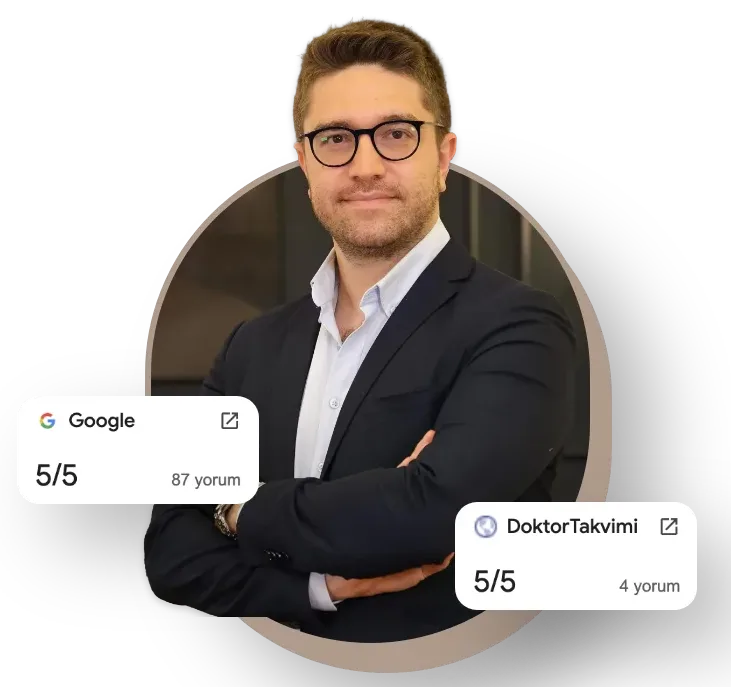
Op. Dr. Erman Ak is an internationally experienced specialist known for facial, breast, and body contouring surgeries in the field of aesthetic surgery. With his natural result–oriented surgical philosophy, modern techniques, and artistic vision, he is among the leading names in aesthetic surgery in Türkiye. A graduate of Hacettepe University Faculty of Medicine, Dr. Ak completed his residency at the Istanbul University Çapa Faculty of Medicine, Department of Plastic, Reconstructive and Aesthetic Surgery.
During his training, he received advanced microsurgery education from Prof. Dr. Fu Chan Wei at the Taiwan Chang Gung Memorial Hospital and was awarded the European Aesthetic Plastic Surgery Qualification by the European Board of Plastic Surgery (EBOPRAS). He also conducted advanced studies on facial and breast aesthetics as an ISAPS fellow at the Villa Bella Clinic (Italy) with Prof. Dr. Giovanni and Chiara Botti.
Op. Dr. Erman Ak approaches aesthetic surgery as a personalized art, tailoring each patient’s treatment according to facial proportions, skin structure, and natural aesthetic harmony. His expertise includes deep-plane face and neck lift, lip lift, buccal fat removal (bichectomy), breast augmentation and lifting, abdominoplasty, liposuction, BBL, and mommy makeover. He currently provides safe, natural, and holistic aesthetic treatments using modern techniques in his private clinic in Istanbul.