What is the Submandibular Gland and why does it cause neck fullness?
The submandibular glands are two large salivary glands located on either side of the neck, tucked just underneath the jawbone. In a youthful, ideal neck, these glands are positioned high up, hidden behind the mandible and supported by tight muscles and fascia. They are essentially invisible. However, anatomy is rarely static. As we age, the supporting hammocks—specifically the platysma muscle and the deep cervical fascia—begin to loosen.
This loosening allows the gland to descend or “droop,” a condition we technically call gland ptosis. When this happens, the gland slips below the border of the jaw, creating a visible bulge that disrupts the clean line we want to see. It is important to note that this isn’t always about aging. Some younger patients have naturally large or low-positioned glands (congenital hypertrophy) that give the neck a heavy or obtuse appearance regardless of their weight or fitness level.
Common indicators of prominent glands include:
- Palpable lumps under the jaw
- A rounded jawline
- Persistent fullness after weight loss
- Bulges when clenching teeth
Why isn’t Liposuction or a Standard Facelift enough to fix Submandibular Gland issues?
This is perhaps the most critical concept to understand. Standard neck lifts and liposuction operate on the superficial layers. They are fantastic for tightening loose skin and removing the fat that sits just under the skin. However, the submandibular gland sits much deeper, underneath the platysma muscle.
If we perform aggressive liposuction on a neck with prominent glands without addressing the glands themselves, we often create a problem known as “unmasking.” Think of the subcutaneous fat as a soft blanket covering the lumpy mattress of the deep neck structures. If you remove the blanket (the fat) but don’t fix the lumps in the mattress (the glands), the lumps become even more visible. The neck might look thinner, but it will look irregular and “older” because the glands are now clearly protruding against the skin. To get a smooth, high-definition result, we have to reshape the mattress itself.
How is Submandibular Gland Shaving actually performed?
The procedure is a delicate balance of reduction and preservation. We do not remove the entire gland, as that is unnecessary and carries higher risks. Instead, we perform a partial resection, commonly called “shave” or contouring. The goal is to remove the portion of the gland that is bulging outward, usually the superficial lobe, so that the remaining tissue sits flush with the jawline.
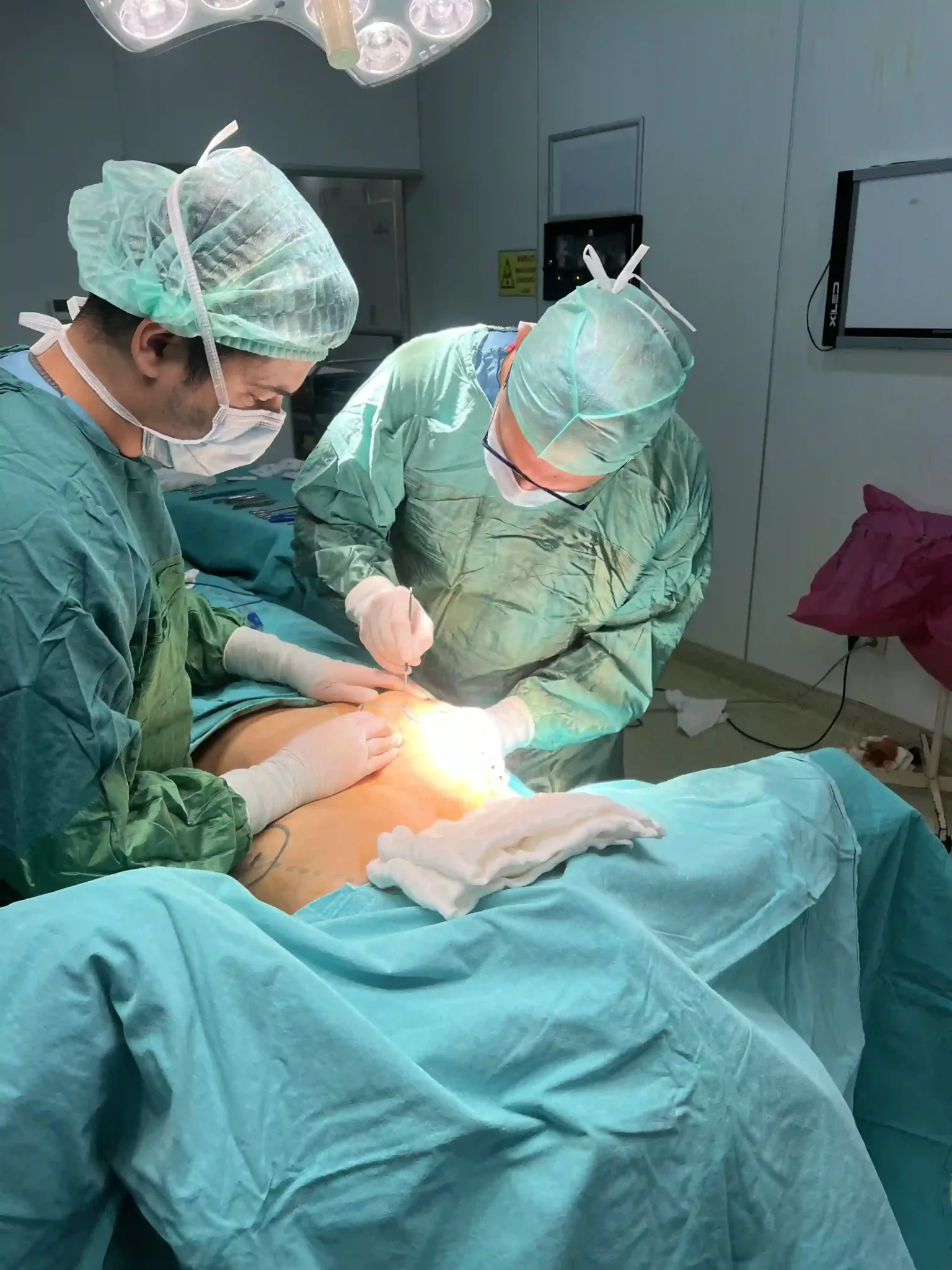
The surgery is performed through a discreet incision under the chin, which gives us direct access to the deep neck structures. We carefully open the capsule surrounding the gland and shave down the excess volume. This is often done in a stepwise fashion, checking the contour repeatedly to ensure symmetry.
Key steps in the procedure include:
- Submental incision
- Subplatysmal dissection
- Capsular opening
- Parenchymal shaving
- Hemostasis
- Closure
Is Submandibular Gland Shaving safe for long-term saliva production?
A very common fear is that removing part of a salivary gland will lead to permanent dry mouth, or xerostomia. Fortunately, the human body is designed with immense redundancy when it comes to saliva production. You have three pairs of major salivary glands—the parotid, submandibular, and sublingual glands—along with hundreds of minor salivary glands scattered throughout your mouth and throat.
During this procedure, we typically remove only a portion of the superficial lobe of the submandibular gland. The deep lobe is preserved, as are the other major and minor glands. Scientific studies following patients over many years have shown that while there might be a temporary change in saliva flow immediately after surgery, permanent dry mouth is exceptionally rare. The remaining glandular tissue compensates effectively, maintaining oral health and digestion without issue.
What advanced technologies are used in Submandibular Gland Reduction?
The safety of this procedure has increased dramatically with the introduction of modern energy devices. In the past, using standard electric cautery caused significant heat, which posed a risk to nearby nerves. Today, we utilize advanced tools that allow for precise cutting and sealing of tissue with minimal thermal spread.
Ultrasonic dissectors are particularly valuable. They use high-frequency vibration to cut through the gland tissue while simultaneously sealing the blood vessels. This results in a nearly bloodless field, allowing the surgeon to see the anatomy clearly. Because these devices operate at lower temperatures than traditional cautery, they are much safer for the delicate nerves that run near the gland.
Key technologies utilized include:
- Ultrasonic dissectors
- Bipolar vessel sealers
- Lighted retractors
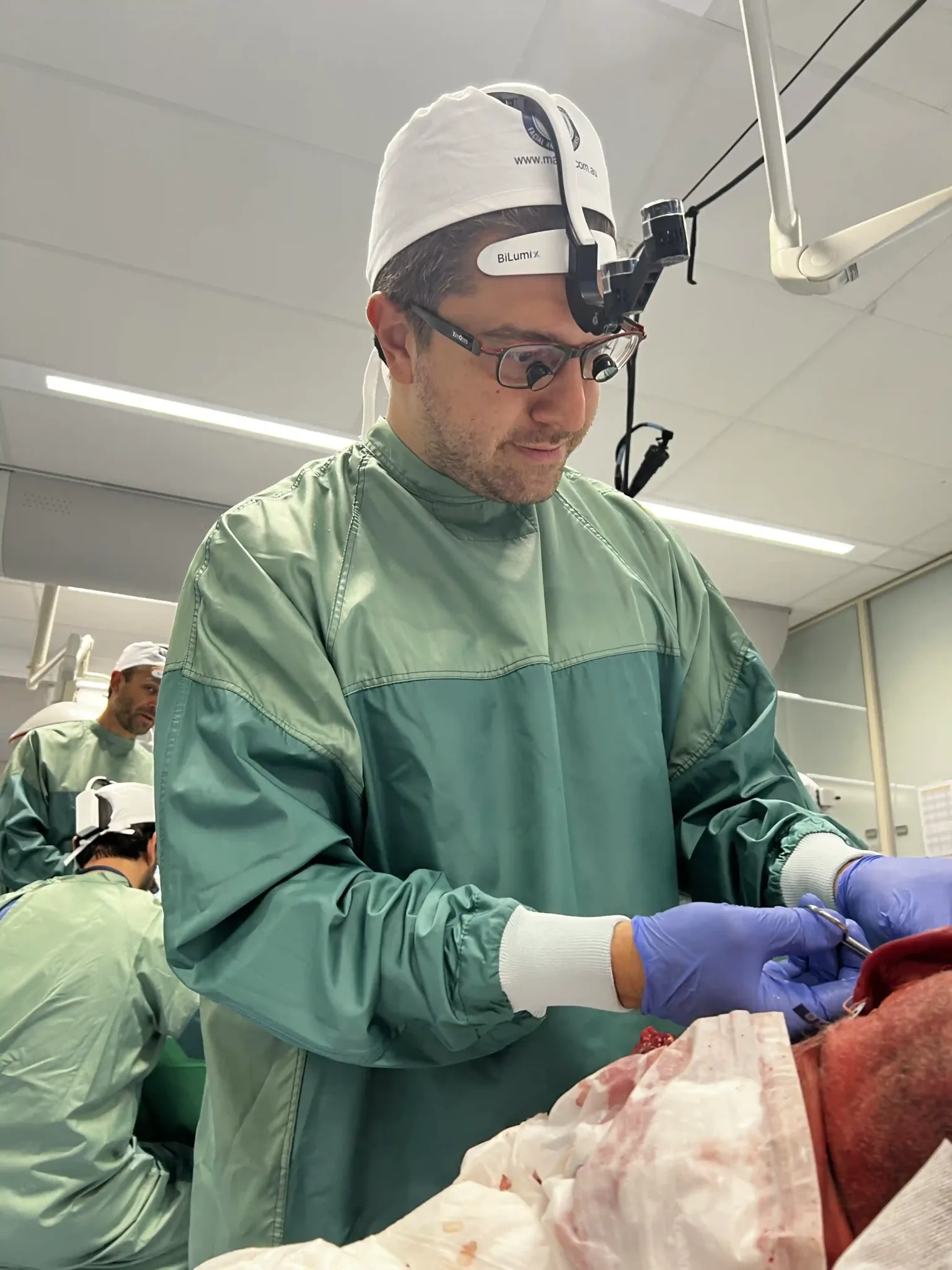
- Magnification loops