Türkçe
Revision facelift surgery is a secondary surgical procedure that restructures the supporting tissues of the face when a previous facial aesthetic operation has failed to meet expectations, caused asymmetry, or lost its effect over time. This corrective procedure aims to eliminate tissue irregularities, feelings of tightness, or noticeable scar formation remaining from the first surgery and to give the facial features a refreshed form that is harmonious with the individual’s anatomy. Beyond a conventional anti-aging treatment, it represents a delicate corrective process in which anatomical balance is redesigned specifically for the patient. With proper surgical planning, structural problems in the tissues can be addressed to support the achievement of the desired natural, balanced, and well-rested appearance.
What Is Revision Facelift Surgery?
Revision facelift surgery is a detailed corrective procedure planned for individuals who have previously undergone an aesthetic intervention to reduce the effects of aging in the facial region but later wish to rebalance tissue changes or better meet their aesthetic expectations. The face is not a static structure; gravity, environmental factors, facial expressions, and the biological aging process continue at all times. Because of this dynamic process, it is expected that a tired appearance may gradually reappear years after a previous procedure. In some cases, however, undesirable tightness or laxity may develop in the facial expression as a result of the tissues’ natural response to the first surgery or changes in anatomy over time. When a second intervention becomes necessary, the internal structure of the face has a very different anatomy compared with its original state. The natural healing planes formed in previously treated tissues make the new operation much more delicate and technically demanding. The fascia, muscular attachments, and fat pads beneath the skin are reassessed from the beginning. The main objective is not to pull the face excessively in an artificial manner but to gently return the correct tissues to their natural positions in an effort to achieve a fresh, balanced, and well-rested appearance.
Why May Revision Facelift Surgery Be Required After the First Procedure?
After procedures performed with traditional approaches or techniques targeting only the superficial tissues, the skin may gradually begin to sag again because of its natural capacity to stretch. The skin is structurally designed to expand and adapt. It cannot be expected to act alone as a supporting column that holds the heavy fat tissues and loosened muscular structures beneath the face in an elevated position. When only the “skin envelope” is tightened, achieving long-term resistance against the direction of gravity is generally difficult. As the weight of the deeper tissues is transferred to the skin, intense mechanical tension develops along the suture lines. This continuous pulling force may cause the tissues to move downward again over time, widen the healing lines in front of the ears, and unfortunately create an artificial expression that appears as though the face has been exposed to strong wind. These biomechanical processes require the supporting systems of the face to be repaired independently beneath the skin. A second intervention aimed at reconstructing the facial framework and deep soft tissues seeks to reinforce this weakened supporting system.
How Does Facial Anatomy Change During Aging Before Revision Facelift Surgery?
Changes in the face do not occur only on the skin surface; a comprehensive transformation takes place in the deeper planes, extending from the bones to the fat pads. Over time, the production of fundamental structural components such as collagen, elastin, and hyaluronic acid, which support the thick, elastic, and smooth appearance of youthful skin, gradually decreases. As the skin loses cellular support, it becomes thinner and more vulnerable to external factors. However, the most significant changes occur much deeper, within the skeletal structure that gives the face its characteristic shape. As the years pass, volumetric reduction occurs in the cheekbones, the area surrounding the eye sockets, and the jawline. This means that the fundamental foundation of the face weakens. In addition to this weakening, the deep and superficial fat tissues that once provided youthful fullness over the cheekbones both lose volume and shift downward under the influence of gravity. The gradual movement of this weight from the midface toward the jawline and neck causes the face to develop a more square appearance. Because these anatomical shifts may follow a more complex course in tissues that have already undergone surgery, the second procedure aims to address each of these layers individually.
What Are the Most Common Problems Requiring Revision Facelift Surgery?
Certain noticeable physical changes may appear in the face because of the passage of time or the healing characteristics of the tissues. These conditions may create the need for anatomical structures to be reorganized.
The main problems encountered during this process include:
- Early recurrence of sagging
- Pixie ear deformity
- Widened scars
- Facial asymmetry
- Uneven skin contours
- Laxity in the neck area
- Irregularities along the jawline
Downward pulling and elongation of the earlobe are described by different terms in aesthetic literature and generally develop when superficial skin tension is transferred to the ear region. The earlobe may lose its natural curve and take on a downward-sloping appearance that seems joined to the cheek skin. The formation of vertical bands in the neck or the reappearance of tissue accumulation along the jawline may indicate that the underlying supporting tissues were not adequately lifted or have loosened again over time. Similarly, widening of the scars around the ears or unnatural backward displacement of the hairline may result from excessive tension experienced by the tissues during healing. Each of these problems is addressed using specialized surgical maneuvers suited to the anatomy of the face.
How Do Healing Tissues Affect the Revision Facelift Surgery Process?
The natural healing process that develops beneath the skin after the first operation results in the formation of scar tissue. This fibrous tissue is much firmer than the body’s original tissues, has considerably less elasticity, and presents different dynamics in surgical planning. More importantly, the nerve networks that move the facial muscles and control expression may have become embedded within these firm tissues or may have undergone partial changes in their anatomical pathways. For this reason, standard and familiar techniques may be insufficient for a second procedure and may also place unnecessary stress on the tissues. Safely passing through these firm tissue barriers requires advanced knowledge of facial anatomy. The goal is to preserve the facial nerve network while gently releasing hardened tissues and performing a delicate upward lifting procedure without restricting the face’s natural mobility.
How Does the Deep Plane Technique Work in Revision Facelift Surgery?
The Deep Plane technique, which aims to preserve the natural structure of the tissues and achieve a more balanced result, offers a multilayered approach to facial anatomy. In traditional methods, the skin is generally separated from the underlying tissues and pulled backward on its own. The deep plane approach follows a fundamentally different pathway. The skin and the underlying muscle-fascial layer are not completely separated from each other; instead, they are treated as a single, strong tissue block. During the procedure, the surgeon advances through the safe, natural spaces beneath this thick and durable structure. Because the capillary network immediately beneath the skin is not disturbed, the tissue’s own blood circulation is preserved as much as possible. This greatly helps reduce swelling during recovery and maintain the vitality of the skin.
One of the most distinctive features of the technique is the identification and release of the strong retaining ligaments that connect the facial tissues to the bone. These ligaments anchor the tissues in place much like the roots of a tree. Once the ligaments are released, the downward resistance acting on the sagging cheeks, weakened jawline, and neck tissues is removed. The tissues can then be repositioned upward and secured according to their natural form without excessive force or pulling. The natural fat tissues that have descended from the cheekbones are returned to their proper locations. In this way, structural lifting is achieved without placing external tension on the skin.
How Is Ultrasonic Technology Used for Safe Revision Facelift Surgery?
Working in previously treated areas may require advanced technological support because the positions of the nerves and blood vessels may have changed. Ultrasonic surgical systems offered by modern medicine use high-frequency sound waves to support safe movement between tissue planes. The most important feature of these devices is their tissue-selective nature. They can pass through hardened scar tissue or bone membranes while tending to stop when they come into contact with softer structures such as blood vessels or facial nerves. This intelligent response system helps keep the surgical field clearer and supports the preservation of vessels while the surgeon advances through the tissues. For patients, this technology aims to reduce sensitivity during recovery and make the postoperative period more comfortable.
How Are Tissue Supports Reconstructed During Revision Facelift Surgery?
The SMAS layer, which forms the supporting system beneath the face, acts like an internal corset that holds the facial tissues together. When this internal corset loosens over time or because of mechanical forces, it is difficult to achieve a lasting shape by tightening the skin alone. The deep tissues of the face must therefore be folded within themselves or repositioned upward and secured with specialized sutures. In double-level suturing techniques applied according to the patient’s needs, suspension sutures are placed along two separate lines on the outer and inner parts of the face after the deep tissues are released. This dual-layer support network aims to improve the tissues’ resistance to gravity. It also reduces the burden placed on the facial support system during frequent movements around the mouth, such as smiling, speaking, or chewing. In this way, the aesthetic integrity of the result is intended to remain preserved for a longer period.
Which Procedures Can Be Combined with Revision Facelift Surgery for a Holistic Result?
Aging or tissue displacement in the facial region is rarely limited to a single area. The upper, middle, and lower portions of the face often change as part of an interconnected chain. Tightening only the lower face may make signs of fatigue around the eyes or forehead appear even more noticeable.
Additional procedures frequently planned together with this operation include:
- Elevation of the midface
- Upper eyelid surgery
- Lower eyelid bag correction
- Endoscopic brow lift
- Neck lift and tightening
- Autologous fat injection
- Lip lift
To correct laxity in the neck, the neck muscles may be sutured together in the midline like an internal corset, or excess fat beneath the chin may be removed with suction to help define the lower facial contour. Removing excess eyelid skin or outwardly herniated fat pads aims to restore vitality to the eyes. The gradual lengthening of the distance between the lip and nose is one of the details that may increase the perception of aging; shortening this distance with a minor procedure contributes to restoring facial proportions. A holistic approach supports aesthetic balance among the different regions of the face.
How Are Facial Volume Losses Corrected During Revision Facelift Surgery?
Lifting the face upward alone may not provide a complete sense of rejuvenation because the amount of fat and moisture within the tissues also decreases over the years. It is anatomically difficult to make a deflated structure appear full simply by pulling it from the edges. For this reason, combining tissue lifting with volume support is recommended to achieve aesthetic harmony. One of the most natural sources of volume is fat taken from the patient’s own body. Fat cells obtained from the abdomen or thighs are processed and purified before being carefully transferred to hollow areas of the face, such as the temples, cheekbones, under-eye region, and chin. The patient’s own fat tissue is also rich in regenerative cells. Transferring these cells to the face aims to support skin quality from the inside outward and contribute to a brighter, more hydrated appearance. In this way, biological and natural fullness is restored without injecting a foreign substance into the face.
How Is the Right Timing Determined for an Ideal Revision Facelift Surgery?
Patience directly affects the quality of the result in a newly planned intervention. The results of the first procedure must settle, the tissues must complete healing at the cellular level, and surgery-related swelling must disappear from every facial layer. Intervening too early may make planning more difficult because the tissues are still firm and may also contribute to tissue asymmetry. For this reason, a certain maturation period is generally allowed after the first intervention; depending on the tissue structure, this period may take approximately one year. When the timing is correct, the scars beneath the skin soften, the true position of the tissues becomes clear, and the tissues are more likely to accept subtle corrective maneuvers. This waiting period also gives the patient valuable time to clarify expectations regarding their own facial anatomy.
What Should Be Considered During the Preparation Period Before Revision Facelift Surgery?
Biological preparation before surgery is one of the most important factors determining the comfort of the procedure and the healing speed of the tissues. Bleeding control, skin health, and limitation of swelling largely depend on the precautions taken during this period.
The main products generally recommended to be discontinued before surgery include:
- Aspirin
- Blood-thinning medications
- Vitamin E
- Omega-3 supplements
- Green tea
- Smoking
- Tobacco products
Supportive vitamins and herbal teas that affect blood circulation should be completely discontinued beforehand because they may increase oozing-type bleeding during the procedure. Tobacco use causes the capillaries supplying the skin to constrict. Healthy healing of the lifted skin depends on fresh blood reaching it through these capillaries. Continued tobacco use may narrow these vessels, reduce oxygen delivery to the skin, delay wound healing, and cause darkening along the suture lines. For this reason, avoiding these products is essential for maximizing tissue oxygenation.
How Is Recovery Supported During the First Days After Revision Facelift Surgery?
After the operation is completed, a regular care routine begins to help the tissues adapt to their new positions and make the healing process more comfortable. Special fluids applied during the procedure aim to act as a cushion beneath the skin and reduce trauma, but some swelling and localized bruising are normal responses of the body.
The main steps supporting early recovery include:
- Keeping the head elevated
- Applying intermittent cold compresses
- Restricting sodium intake
- Following a protein-rich diet
- Performing wound care with prescribed creams
- Using a special supportive compression garment
During the first days, keeping the head above a horizontal level, generally supported by two pillows, helps physically reduce fluid accumulation in the facial region. Intermittent cold applications aim to calm the vessels and slow the spread of bruising. Reducing salt in the diet supports faster elimination of excess water from the body, while protein-rich foods contribute to cellular repair. Soft elastic garments designed for the face help the tissues adhere safely to the underlying layers and keep swelling under control.
How Does the Return to Social Life Progress After Revision Facelift Surgery?
Although the recovery process varies according to each individual’s skin structure, the feeling of tightness in the tissues generally begins to soften after the first week. During this period, gently cleaning any crusting around the suture areas helps the scars remain smoother. By the second and third weeks, bruising gradually fades and the skin begins to return to its natural tone. At this stage, it is possible to resume social activities that do not require strenuous effort. Because healing tissues remain sensitive, mineral-based concealing makeup products that do not irritate the skin may be preferred. Although it takes several weeks for the tissues to settle permanently, protecting the facial capillaries from changes in blood pressure is important during this period. For this reason, avoiding strenuous exercise, saunas, and prolonged direct sun exposure for a certain time helps protect the microscopic healing network beneath the skin.
Can Non-Surgical Treatments Replace Revision Facelift Surgery?
Today, non-surgical options such as ultrasound, radiofrequency energy, and suspension threads are frequently considered for improving skin quality. These technologies may be useful for mildly tightening the skin, softening fine wrinkles, or providing small supportive refinements after a previously successful surgery. However, if dense scar tissue has formed beneath the skin after earlier procedures, the deep muscles and fat pads have descended because of gravity, or the skin has developed significant structural laxity, the lifting capacity of these devices or threads remains physically limited. Non-surgical methods cannot strongly secure heavy tissues back into their original anatomical positions or remove excess tissue from the body. Therefore, when structural changes are present, energy-based treatments applied from the skin surface should not be expected to provide results as permanent or noticeable as surgery. If comprehensive correction is the goal, the tissue layers must be mechanically supported.
What Long-Term Benefits Does Revision Facelift Surgery Aim to Provide?
An approach that respects the structure of the tissues and reorganizes the internal dynamics of the face aims to complete the aesthetic process with a natural appearance. Although it is not possible to stop time completely, correctly suspending the anatomical layers back into their proper positions can significantly reduce the visible effects of biological aging. Rather than creating an expression with pulled skin and frozen facial movements, the goal is to achieve fuller cheeks, a more defined jawline, and a neck area with greater aesthetic elegance. The harmony a person feels when looking in the mirror is one of the most valuable factors supporting confidence in social life and inner well-being. Guided by advanced anatomical knowledge and managed with patience, this process aims to help the individual maintain a strong and balanced appearance against the effects of time without losing their personal character or distinctive facial features.
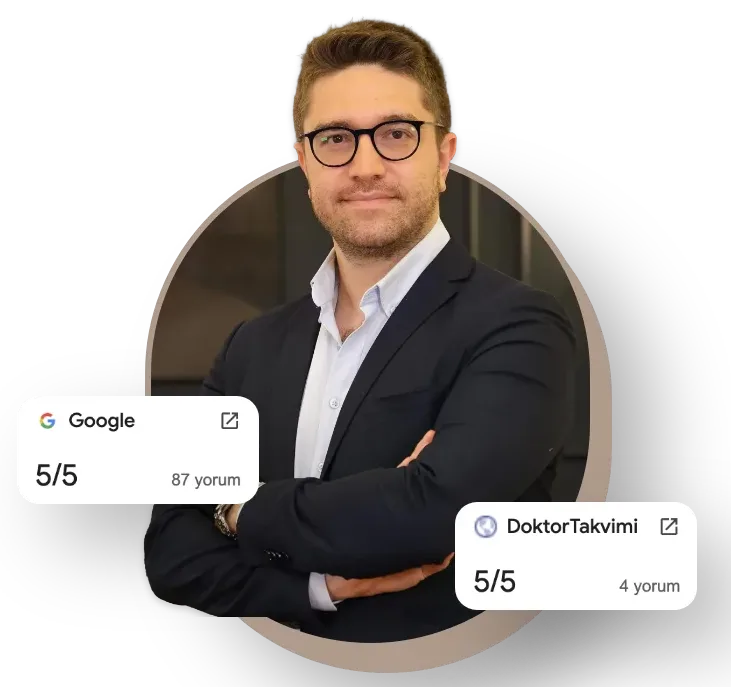
Op. Dr. Erman Ak is an internationally experienced specialist known for facial, breast, and body contouring surgeries in the field of aesthetic surgery. With his natural result–oriented surgical philosophy, modern techniques, and artistic vision, he is among the leading names in aesthetic surgery in Türkiye. A graduate of Hacettepe University Faculty of Medicine, Dr. Ak completed his residency at the Istanbul University Çapa Faculty of Medicine, Department of Plastic, Reconstructive and Aesthetic Surgery.
During his training, he received advanced microsurgery education from Prof. Dr. Fu Chan Wei at the Taiwan Chang Gung Memorial Hospital and was awarded the European Aesthetic Plastic Surgery Qualification by the European Board of Plastic Surgery (EBOPRAS). He also conducted advanced studies on facial and breast aesthetics as an ISAPS fellow at the Villa Bella Clinic (Italy) with Prof. Dr. Giovanni and Chiara Botti.
Op. Dr. Erman Ak approaches aesthetic surgery as a personalized art, tailoring each patient’s treatment according to facial proportions, skin structure, and natural aesthetic harmony. His expertise includes deep-plane face and neck lift, lip lift, buccal fat removal (bichectomy), breast augmentation and lifting, abdominoplasty, liposuction, BBL, and mommy makeover. He currently provides safe, natural, and holistic aesthetic treatments using modern techniques in his private clinic in Istanbul.