Türkçe
Türkiye is home to some of the world’s best facelift specialists thanks to disciplined academic standards in surgical training, the exceptional manual expertise gained through high case volumes, and the rapid adoption of modern techniques in clinics. Behind the global success of aesthetic surgery in the country lies the extensive clinical experience and in-depth anatomical tissue knowledge of physicians accredited according to European standards. Drawing on the practical experience they have gained from thousands of cases, specialists guide patients from all over the world by delivering natural, balanced, and long-lasting results in facial rejuvenation operations. This advanced level of expertise has positioned Türkiye as a leading preferred center in the field of rhytidectomy.
Why Is Türkiye So Highly Preferred for Facelift Surgery?
Medical practice in Türkiye allows physicians to encounter a very high patient volume beginning from their years of specialist training. Compared with global averages, the number of operations performed by surgeons practicing here is considerably high. This intensity supports the rapid transformation of theoretical knowledge into practical surgical skill and the development of tissue memory. In addition, the vascular and nerve networks of the face have a highly complex structure; being familiar with this anatomy at the cellular level is extremely important for minimizing potential risks. A high number of cases helps the physician master the transitions between anatomical planes. Another reason why patients travel from abroad and prefer this region is that most hospitals and clinics hold international quality certifications. In this way, innovative surgical techniques can be applied in a safer environment with the support of modern devices.
Why Does the Need for Facelift Surgery Arise with Aging?
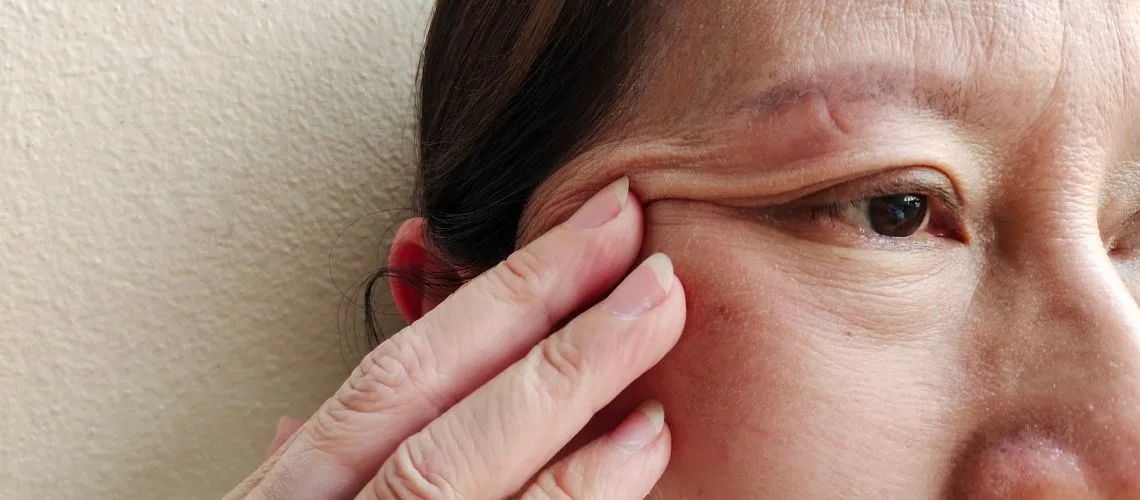
The aging process in the face is not limited only to the skin losing elasticity and developing wrinkles. In fact, the sagging visible on the surface is the result of a three-dimensional change that begins in layers much deeper beneath the skin. At younger ages, the cheekbones and jawbones that support the face are quite prominent, but as the years pass, a certain degree of bone resorption begins. When this internal framework that supports the face weakens, the soft tissues above it also become more inclined to shift downward under the influence of gravity. The deep fat pads in the cheeks descend toward the jawline, widening the lower part of the face and potentially transforming the youthful inverted-triangle appearance into a more square-shaped form.
The main changes seen in the face over time include:
- Bone resorption
- Loss of fat tissue
- Thinning of the skin
- Loss of elasticity
- Weakening of connective tissue
- Reduction in moisture levels
- Decrease in muscle tone
When all these internal changes occur together, surgical intervention may become necessary to return the descended tissues to their former positions. Superficial procedures applied beneath the skin are often not sufficient on their own to reverse this multidimensional change in the bone and muscle structures.
Can Nonsurgical Methods Replace Facelift Surgery?
Today, filler applications, thread lifting methods, and energy-based devices are very frequently preferred. These procedures may offer useful options for improving skin quality, reducing fine wrinkles, or supporting minor volume losses in the early stages of aging. However, it does not appear very likely that a facial structure that has anatomically descended, developed weakened connective tissue, and undergone significant sagging can be restored to its former condition using only fillers or by pulling the tissues with threads placed beneath the skin. In particular, when excessive filler is applied to the cheekbones in an attempt to conceal descended tissues, the natural proportions of the face may be disrupted and a more swollen appearance than expected may occur. Thread lifting methods may also lose their ability to hold the tissues over time due to facial movements. One of the most valid ways to lift and secure sagging tissues according to their natural anatomical planes is through modern surgical approaches. In this way, the person’s natural facial expressions can generally be preserved more effectively.
What Training Do Doctors Performing Facelift Surgery in Türkiye Undergo?
Success in this field is not accidental; it is supported by a very long and demanding training process. After graduating from medical school, physicians undergo years of intensive residency training to specialize in plastic surgery. During this process, they frequently perform not only aesthetic procedures but also reconstructive operations involving severe facial trauma, congenital anomalies, and microsurgery. This broad range of experience allows surgeons to analyze tissue behavior and healing mechanisms much more effectively. In addition, many physicians complete international certification processes recognized according to European standards. Physicians who pass rigorous inspections and examinations become equipped not only with theoretical knowledge but also with practical application skills and the ability to make calm decisions during crises. This helps patients begin the surgical process with greater peace of mind.
Why Is Deep Plane Facelift Surgery Performed More Frequently?
In older surgical procedures, the primary aim was generally to tighten only the skin on the surface. Because of the skin’s natural ability to stretch, this could lead both to a short-lived effect and to an overly tight appearance that did not look natural from the outside. Today, the focus of modern surgery is the supporting layer located immediately beneath the skin, which also contains the muscles. In the deep plane approach, the skin and this underlying layer are treated as a single unit without being separated from one another. The supporting ligaments that attach the face to the bones are released, and the entire tissue block is lifted upward without creating tension.
Some of the advantages offered by this technique include:
- Natural appearance
- Preservation of facial expression
- Low tension
- Long-lasting effect
- Fine scars
- Preservation of facial movements
Because no additional pulling force is created on the skin, the suture lines around the ears tend to heal more comfortably. In this way, the impression of having undergone surgery is minimized.
For Whom Is Mini Facelift Surgery a Suitable Option?
Signs of aging do not appear at the same age or with the same intensity in every person. More limited procedures may be sufficient for individuals who are generally middle-aged, whose skin has not yet completely lost its elasticity, but who have begun to experience mild sagging along the jawline and cheek area. Compared with the classic method, a mini facelift is an option in which a smaller area is treated and the incision lines may be limited to the natural folds in front of the ears. Because the procedure does not extend into the neck area and the tissue dissection area is smaller, postoperative bruising and swelling are generally milder. Patients also usually return to their daily lives and social environments more quickly. However, it should be remembered that this procedure may not generally provide sufficient lifting for individuals with advanced tissue sagging. Every procedure should be shaped according to the individual’s own anatomical needs.
In Which Situations Is Endoscopic Facelift Surgery Preferred?
In some cases, there may be no significant problem along the jawline or neck, while volume loss and sagging are seen only in the cheeks, under-eye area, and around the mouth. To correct problems in this area, known as the midface, endoscopic camera systems are used instead of making large incisions covering the entire face. Through very small incisions made within the scalp, the cheek tissue is released from the bone and lifted upward using fine instruments equipped with cameras. Because these small incisions are hidden among the hair follicles, the risk of a visible surgical scar is significantly reduced. The cheeks regain some of their former fullness, and the under-eye grooves become less prominent. This method is generally among the suitable alternatives that may be used to refresh the face in younger individuals who have a tired and hollow appearance in the midface area.
How Are Combined Procedures Performed Together with Facelift Surgery?
Because aging is a process that affects the entire face, treating only one area may sometimes create an unbalanced appearance. For example, a face with lifted cheeks but continued excessive skin accumulation on the eyelids or persistent sagging of the neck may not appear aesthetically balanced. For this reason, the face is evaluated as a whole. The neck muscle may be tightened to correct sagging in the lower jaw and double-chin area. At the same time, bags or excess skin in the upper and lower eyelids may be removed to give the eyes a more refreshed expression. In addition, to support facial volume that has decreased with age, fat tissue taken from the person’s own body may be specially processed and added to the cheekbones or temples. Addressing all these concerns together under a single anesthesia may also prevent the person from undergoing multiple recovery periods at different times.
What Is Different in the Facelift Surgery Process for Men?
Male facial anatomy has thicker skin and entirely different aesthetic dynamics compared with the female face. While a more oval appearance with softer contours and higher cheekbones is generally targeted in women, a sharp, angular, and strong jawline is usually emphasized in men. Therefore, the lifting directions during surgery must be adjusted to preserve this masculine expression. In addition, beard growth directly affects planning in men. The position of the sideburns, prevention of the beard line from shifting onto the ear cartilage, and the possibility of future hair loss must all be considered when placing the incision lines much more carefully. Otherwise, concealing the suture scars may become difficult, or the direction of beard growth may change and lead to an unnatural appearance. The surgical plan for male patients must be designed specifically with all these differences in mind.
What Should Be Considered Before Facelift Surgery?
As with any surgical procedure, there are important rules that should be followed to make the operation more comfortable and support the healing process. The patient’s general health condition, medications, and chronic diseases should be evaluated in detail. Smoking, in particular, is one of the most important factors that may delay wound healing because it negatively affects tissue nourishment. Therefore, stopping smoking for a certain period before surgery is strongly recommended. Certain supplements that may increase the risk of bleeding should also be avoided.
The substances and products that should be avoided before surgery include:
- Smoking
- Blood thinners
- Green tea
- Ginseng
- Vitamin E
- Painkillers
- Garlic extract
It is also very important for the patient to be physically and psychologically prepared for the process and for postoperative expectations to remain realistic. Proper preparation can significantly increase the comfort of the entire process.
What Can Be Expected During the Recovery Process After Facelift Surgery?
The postoperative period is the process during which the tissues adapt to their new positions and the body repairs itself. Thanks to modern techniques used today, this period can generally be experienced much more comfortably than in previous years. Keeping the head slightly elevated during the first few days after surgery and applying cold compresses at regular intervals help reduce possible swelling. Specially designed supportive facial bands may help the tissues remain in their new positions. Certain mild conditions that may be experienced during the first few weeks are completely natural.
Conditions that may be encountered during the recovery process include:
- Mild swelling
- Temporary numbness
- Color changes
- Mild tightness
- Tingling sensation
- Tenderness
These symptoms tend to decrease gradually and disappear over the course of several weeks. Approximately two weeks later, bruising and noticeable swelling generally subside to a large extent, allowing patients to return more comfortably to their social lives. However, the complete softening of the tissues, the disappearance of even the slightest swelling, and the face reaching its final natural shape are part of a journey that takes several months. During this period, protecting the incision areas from the sun is extremely important for helping the scars become less visible.
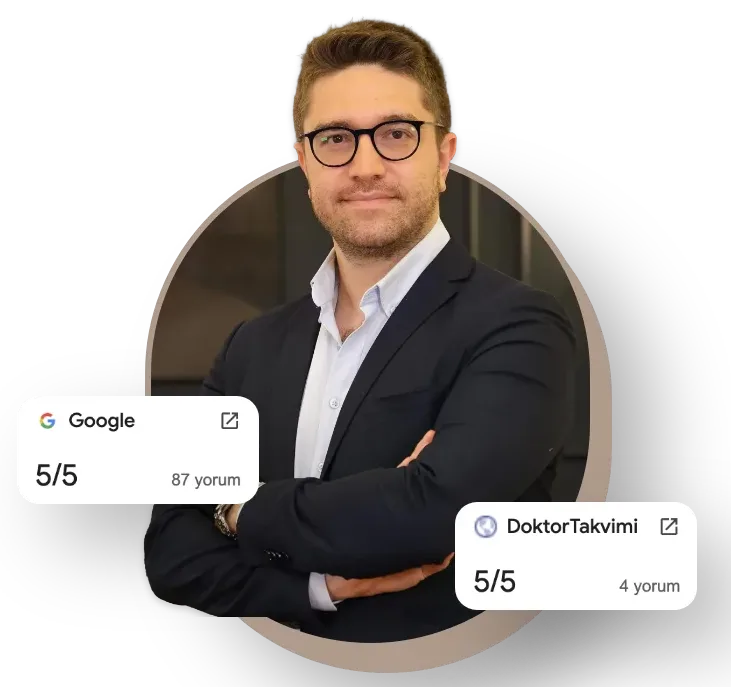
Op. Dr. Erman Ak is an internationally experienced specialist known for facial, breast, and body contouring surgeries in the field of aesthetic surgery. With his natural result–oriented surgical philosophy, modern techniques, and artistic vision, he is among the leading names in aesthetic surgery in Türkiye. A graduate of Hacettepe University Faculty of Medicine, Dr. Ak completed his residency at the Istanbul University Çapa Faculty of Medicine, Department of Plastic, Reconstructive and Aesthetic Surgery.
During his training, he received advanced microsurgery education from Prof. Dr. Fu Chan Wei at the Taiwan Chang Gung Memorial Hospital and was awarded the European Aesthetic Plastic Surgery Qualification by the European Board of Plastic Surgery (EBOPRAS). He also conducted advanced studies on facial and breast aesthetics as an ISAPS fellow at the Villa Bella Clinic (Italy) with Prof. Dr. Giovanni and Chiara Botti.
Op. Dr. Erman Ak approaches aesthetic surgery as a personalized art, tailoring each patient’s treatment according to facial proportions, skin structure, and natural aesthetic harmony. His expertise includes deep-plane face and neck lift, lip lift, buccal fat removal (bichectomy), breast augmentation and lifting, abdominoplasty, liposuction, BBL, and mommy makeover. He currently provides safe, natural, and holistic aesthetic treatments using modern techniques in his private clinic in Istanbul.