Türkçe
Facial wrinkles primarily develop as collagen and elastin fibers in the skin gradually decrease over time, natural moisture is lost, gravity takes effect, and facial expressions are repeatedly made over many years. The most fundamental approaches to reducing wrinkles include diligently protecting the skin from the sun, supporting the skin barrier with intensely hydrating ingredients such as hyaluronic acid, and undergoing professionally planned medical aesthetic treatments under expert supervision. By adopting a healthy lifestyle and establishing a skincare routine suitable for your skin type, it is generally possible to reduce the effects of this natural process and promote a healthier, more radiant complexion. Innovative treatments in aesthetic and plastic surgery help restore the structural components the skin needs, contributing to a refreshed and rejuvenated appearance.
Why Do Facial Wrinkles Develop as a Natural Result of the Aging Process?
The human body functions according to a precise biological system, much like a finely crafted clock. However, once we reach our thirties, the internal mechanisms responsible for keeping our skin youthful gradually begin to slow down. Collagen, which provides firmness, and elastin fibers, which give the skin its flexibility, are located in the middle layer of the skin and naturally decline in production over time. This process can be compared to the springs inside a quality mattress gradually losing their tension. As the springs weaken, the mattress no longer retains its original smooth surface. Similarly, when collagen decreases, the skin gradually loses its firmness. At the same time, the production of sebum, the skin’s natural moisturizer, also slows. As sebum decreases, the skin becomes drier, loses moisture, and folds more easily, causing fine lines to become more noticeable. In addition, not only the skin itself but also the facial fat pads beneath it—which provide youthful fullness—gradually diminish in volume and descend under the influence of gravity. These intrinsic and genetically programmed changes are considered the primary factors responsible for the development of fine lines.
Why Do Facial Wrinkles Develop Due to Environmental and External Factors?
Our genetic makeup represents only one part of the aging process, while our lifestyle and interaction with the environment account for another major portion. Among environmental factors, sunlight generally plays the greatest role. Unprotected exposure to ultraviolet rays penetrates into the deeper layers of the skin, leading to premature damage of valuable collagen fibers. Areas where the skin is naturally thinner, such as around the eyes, are particularly prone to early signs of sun-induced aging. In addition, insufficient water intake may leave cells dehydrated, causing the skin to lose fullness and making fine folds—especially around the upper lip—more visible. Air pollution, the chronic stress associated with urban living, and smoking may also reduce oxygen delivery to the tiny blood vessels beneath the skin. Reduced oxygen levels can slow the skin’s natural repair and renewal processes, resulting in a dull and tired appearance at an earlier age.
The main external factors that contribute to skin aging include:
- Sun exposure
- Air pollution
- Smoking
- Lack of sleep
- Poor nutrition
Why Do Facial Wrinkles Develop as a Result of Facial Expressions?
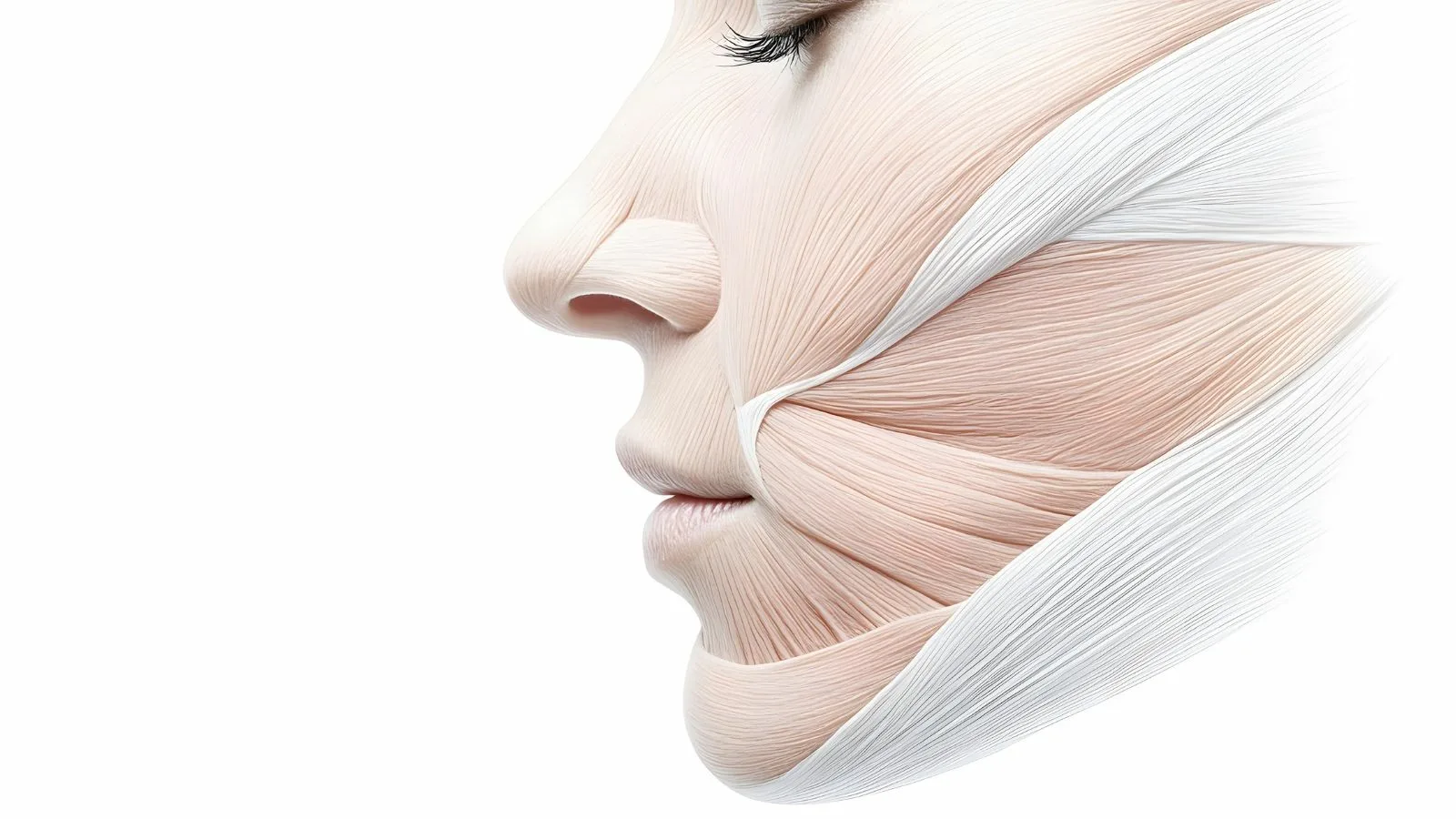
Throughout the day, we unconsciously express our emotions hundreds of times while communicating. We smile, look surprised, frown while concentrating, or squint when looking into bright sunlight. The facial muscles responsible for these expressions are firmly attached just beneath the surface of the skin. Every time they contract, they mechanically fold the overlying skin much like fabric. During youth, the skin is highly elastic and well hydrated, so it immediately returns to its smooth form once the expression ends. These temporary folds that appear only during muscle movement are called dynamic lines. However, as the years pass, the skin gradually loses its ability to stretch and rebound. Imagine folding and unfolding a sheet of paper repeatedly along the same line for years; eventually, a permanent crease forms. The same mechanism occurs in our skin. Over time, these folds remain visible even when the face is completely relaxed. At this stage, they are generally referred to as static wrinkles.
Which Natural Methods Can Help Reduce Wrinkles at Home?
Daily skincare routines established at home are extremely valuable for prolonging the effects of clinical treatments or gently slowing the visible signs of aging. An approach that protects the skin barrier, keeps the skin clean, and provides proper hydration creates a strong foundation for overall skin health. Gently cleansing away the day’s impurities every evening and avoiding sleeping with makeup allows the skin to focus on its natural overnight repair process. Using sunscreen not only during beach vacations but also throughout winter and even on cloudy days is one of the simplest ways to protect the skin at the cellular level. In addition, choosing products enriched with ingredients that support the skin’s moisture-retention capacity may help tissues feel plumper.
Common ingredients found in home skincare products include:
- Hyaluronic acid
- Retinol
- Vitamin C
- Peptides
- Vitamin E
- Ceramides
What Should Be Done Before Undergoing Professional Medical Aesthetic Treatments for Wrinkles?
When an individual decides to seek professional assistance for deeper lines and skin aging, the quality of the outcome depends not only on the treatment itself but also on thorough preparation beforehand. During a detailed evaluation, the specialist carefully examines the skin structure, determines whether the wrinkles are dynamic or static, evaluates facial asymmetries, and assesses the condition of the underlying fat tissue. The individual’s overall medical history, previous surgeries, medications, and herbal supplements should also be reviewed in detail. To maximize comfort during the procedure and promote smoother recovery, patients may be advised to temporarily discontinue certain habits or substances before treatment. This helps minimize temporary side effects such as bruising or swelling.
The following are commonly recommended to be discontinued before treatment:
- Aspirin
- Green tea
- Omega-3 supplements
- Vitamin E supplements
- Ginseng
- Alcohol
Which Non-Surgical Medical Aesthetic Treatments Help Improve Wrinkles?
Surgery may not be the right choice for everyone, or the anatomical changes may not yet require it. During the early stages, when wrinkles are beginning to develop and loss of elasticity is still mild, non-surgical treatments performed quickly in a clinical setting may provide highly practical and satisfying results. These medical aesthetic procedures aim to improve skin hydration, elasticity, and overall quality at the cellular level, creating a fresher appearance. Often referred to as “lunchtime procedures,” these convenient treatments usually allow individuals to return quickly to daily life while softening signs of fatigue and restoring a more rested appearance. Naturally, these treatments have a limited biological duration and require maintenance at regular intervals. Depending on the skin’s current needs, a single treatment or a carefully planned combination of several complementary procedures may be recommended.
How Does Botulinum Toxin Address the Causes of Facial Wrinkles?
One of the first treatments considered for softening the mechanical folds caused by facial muscle movement is botulinum toxin injection. The basic principle of this treatment is to temporarily reduce communication between the nerve and the muscle, allowing the targeted muscle to relax rather than contract forcefully. As muscle activity decreases, the folds in the overlying skin gradually become smoother. One of the greatest concerns among patients is losing natural facial expression or developing a frozen appearance. However, the goal of modern treatment is not to eliminate facial expressions but simply to reduce muscle contractions that are strong enough to damage the skin. Using carefully individualized doses allows natural expressions such as smiling and showing surprise to remain while helping prevent wrinkles from becoming deeper.
Common treatment areas include:
- Horizontal forehead lines
- Vertical frown lines
- Crow’s feet
- Bridge of the nose
- Neck bands
How Do Dermal Fillers Help Correct Facial Volume Loss and Wrinkles?
When permanent grooves or noticeable depressions caused by age-related fat loss remain visible even when the face is completely relaxed, dermal fillers may be used to restore structural support. These safe gels, often inspired by substances naturally present within the body, act as internal cushions beneath the skin. Nasolabial folds, sunken cheeks, or marionette lines extending from the corners of the mouth toward the chin can be softened to create a smoother, fuller, and more youthful appearance. Specialized fillers formulated for the delicate under-eye region may also be used to improve hollow areas responsible for a tired appearance. These treatments help reduce facial shadows and contribute to a more energetic expression.
Common filler treatment areas include:
- Cheekbones
- Nasolabial folds
- Lip lines
- Under-eye hollows
- Temples
- Chin
What Helps Improve Wrinkles Through Cellular Rejuvenation?
Rather than simply adding volume externally, treatments designed to stimulate the body’s own repair mechanisms at the cellular level have become increasingly popular. The goal is to improve skin quality from within by encouraging healthier tissue production and natural regeneration. For example, healing components isolated from the patient’s own blood may be reinjected into the skin to stimulate collagen production and accelerate tissue repair. More advanced cellular therapies involve harvesting a tiny tissue sample from a less sun-exposed area of the body, expanding the patient’s fibroblast cells in a laboratory, and reintroducing these younger cells into the skin several months later. These treatments do not create immediate fullness but instead represent long-term investments that gradually improve hydration, radiance, and structural strength over several months.
Frequently used regenerative treatments include:
- Platelet-rich plasma (PRP)
- Skin booster injections
- Autologous fibroblasts
- Salmon DNA
- Amino acid complexes
How Can Energy-Based Devices and Thread Lift Procedures Help Reduce Wrinkles?
Advanced technologies that harness energy to tighten tissues and improve skin laxity without surgery are widely used today. Focused ultrasound and radiofrequency devices deliver controlled thermal energy into the deeper layers of the skin, stimulating the body’s natural repair response and encouraging collagen remodeling. These treatments are often performed as single intensive sessions or in a series of treatments to improve facial contours and enhance skin firmness. Another non-surgical lifting technique involves placing specially designed absorbable threads beneath the skin under local anesthesia. These threads contain tiny structural anchors that support tissues affected by gravity, creating a lifting and contouring effect.
Frequently used tightening technologies include:
- Focused ultrasound
- Fractional radiofrequency
- Laser systems
- French thread lift
- Spider thread lifting
What Helps Improve Wrinkles in Cases of Advanced Skin Sagging?
When the effects of time, gravity, and daily life become pronounced and the underlying facial muscles and connective tissues have significantly shifted downward, creams, injections, and energy-based devices may no longer provide the desired improvement. In these more advanced structural cases, surgical procedures offering more comprehensive and long-lasting results become appropriate. Modern facial rejuvenation surgery does not simply tighten the skin to create an artificial appearance. Instead, it focuses on repositioning the deeper anatomical structures to their youthful locations, restoring the individual’s natural facial anatomy. Although surgery offers the potential for longer-lasting and more satisfying results, the decision should always follow comprehensive consultation and careful planning between the patient and surgeon.
Important topics to discuss before surgery include:
- Expected outcomes
- Recovery process
- Type of anesthesia
- Incision locations
- Potential risks
What Helps Improve Wrinkles in Modern Face and Neck Lift Surgery?
The overly tight, windswept appearance sometimes associated with older facelift techniques has largely become a thing of the past thanks to advances in aesthetic surgery. Modern face and neck lift procedures focus on repositioning the strong structural layers beneath the skin rather than tightening the skin alone. Once these deep tissues are carefully lifted upward and backward using appropriate techniques, the overlying skin is gently redraped like fabric over a renewed framework, and only the excess skin is removed. This approach minimizes unnatural pulling around the mouth. Loose tissues and excess fullness beneath the chin are also improved by tightening the underlying neck muscles, resulting in a more defined profile. Incisions are generally hidden within the natural contours around the ears and become increasingly inconspicuous over time.
The primary goals of modern facelift surgery include:
- Preserving a natural appearance
- Maintaining facial expressions
- Providing long-lasting results
- Concealing scars
- Improving neck contour
Why Do Wrinkles Develop in the Midface, and How Can They Be Corrected?
The midface—which includes the cheeks, cheekbones, under-eye area, and sides of the nose—is one of the most important contributors to a youthful appearance. As aging progresses, the volume in this region gradually diminishes, and the tissues descend under the influence of gravity. This structural shift contributes to under-eye hollowness, a tired appearance, and increased fullness around the mouth. Modern correction techniques often involve endoscopic approaches performed through tiny incisions hidden within the scalp. Using specialized cameras, surgeons reposition the descended cheek tissues upward and slightly outward without creating visible scars. These procedures help restore fuller cheeks, smoother under-eye contours, and a brighter overall facial expression.
Why Do Wrinkles Develop Around the Eyes, and How Can Eyelid Surgery Help?
The eyes are the focal point of facial communication and often express emotions more clearly than words. Because the skin around the eyes is the thinnest on the body, it is also one of the first areas to reveal aging, environmental damage, and sleep deprivation. Excess skin folding over the upper eyelids, sometimes even covering the eyelashes, may make an individual appear much more tired or older than they feel. In the lower eyelids, protruding fat pads create the appearance of under-eye bags. Eyelid surgery is a delicate procedure requiring millimetric precision to restore a refreshed appearance. Excess upper eyelid skin is removed through the natural eyelid crease, while lower eyelid fat may be repositioned or removed through an internal incision without external scars. Unlike older techniques that removed excessive fat, modern blepharoplasty aims to preserve these tissues whenever possible, preventing the hollow appearance that may develop later in life.
What Additional Procedures and Comprehensive Approaches Help Improve Wrinkles?
Rather than focusing on only one facial region or simply tightening loose skin, comprehensive facial rejuvenation considers the overall balance, proportions, and harmony of the face. During facelift surgery, fat harvested from another part of the body is frequently transferred to restore the youthful volume lost over time. This natural fat provides fullness while the regenerative cells it contains may also improve skin quality. Similarly, if a recessed chin contributes to facial sagging, chin augmentation or buccal fat reduction may be combined with rejuvenation procedures to create sharper, more youthful facial contours. These combination treatments are carefully customized to ensure that the face appears not only lifted but also healthy, balanced, and naturally attractive.
Additional procedures frequently combined with facial rejuvenation include:
- Fat transfer
- Buccal fat reduction
- Chin enhancement
- Laser scar revision
- Nasal contour balancing
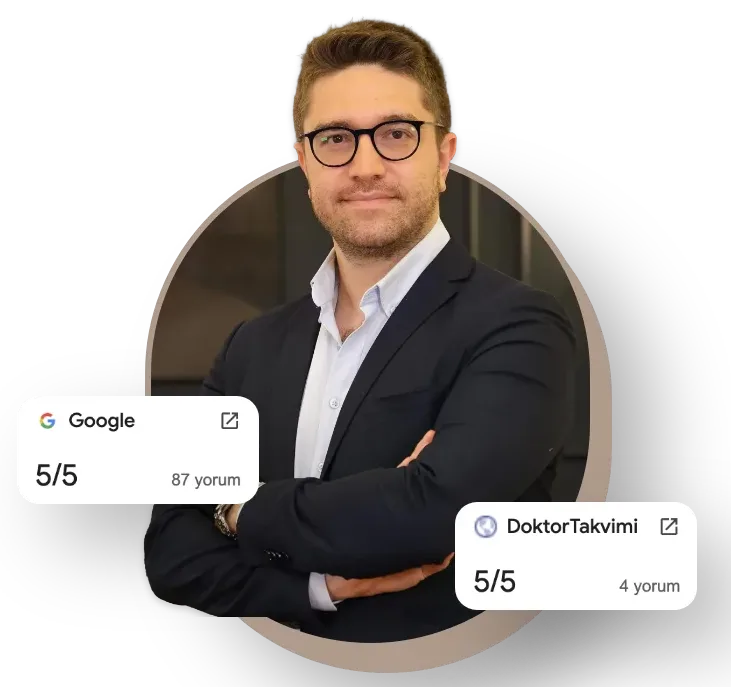
Op. Dr. Erman Ak is an internationally experienced specialist known for facial, breast, and body contouring surgeries in the field of aesthetic surgery. With his natural result–oriented surgical philosophy, modern techniques, and artistic vision, he is among the leading names in aesthetic surgery in Türkiye. A graduate of Hacettepe University Faculty of Medicine, Dr. Ak completed his residency at the Istanbul University Çapa Faculty of Medicine, Department of Plastic, Reconstructive and Aesthetic Surgery.
During his training, he received advanced microsurgery education from Prof. Dr. Fu Chan Wei at the Taiwan Chang Gung Memorial Hospital and was awarded the European Aesthetic Plastic Surgery Qualification by the European Board of Plastic Surgery (EBOPRAS). He also conducted advanced studies on facial and breast aesthetics as an ISAPS fellow at the Villa Bella Clinic (Italy) with Prof. Dr. Giovanni and Chiara Botti.
Op. Dr. Erman Ak approaches aesthetic surgery as a personalized art, tailoring each patient’s treatment according to facial proportions, skin structure, and natural aesthetic harmony. His expertise includes deep-plane face and neck lift, lip lift, buccal fat removal (bichectomy), breast augmentation and lifting, abdominoplasty, liposuction, BBL, and mommy makeover. He currently provides safe, natural, and holistic aesthetic treatments using modern techniques in his private clinic in Istanbul.