Türkçe
To increase skin elasticity, it is necessary to support collagen production, provide regular hydration, and protect the skin from environmental damage. Loss of elasticity is generally associated with aging, UV exposure, and oxidative stress. With appropriate care and lifestyle adjustments, the skin can become firmer and more resilient.
Methods that support collagen production include products containing retinoids, vitamin C serums, and medical skin treatments. These approaches contribute to the preservation of elastin fibers by strengthening the dermal matrix. Regular and controlled use is effective in improving the integrity of the skin structure.
Nutrition and antioxidant support play a direct role in skin elasticity. A diet rich in protein, vitamin C, zinc, and omega-3 fatty acids supports the regeneration of connective tissue. Adequate water intake helps maintain cellular moisture balance, contributing to a fuller and more flexible appearance of the skin.
Sun protection and control of environmental factors are critical in preventing loss of elasticity. Broad-spectrum sunscreens limit collagen breakdown by reducing free radical formation. Avoiding smoking and maintaining regular sleep also support overall skin health.
Why Does Skin Elasticity Decrease?
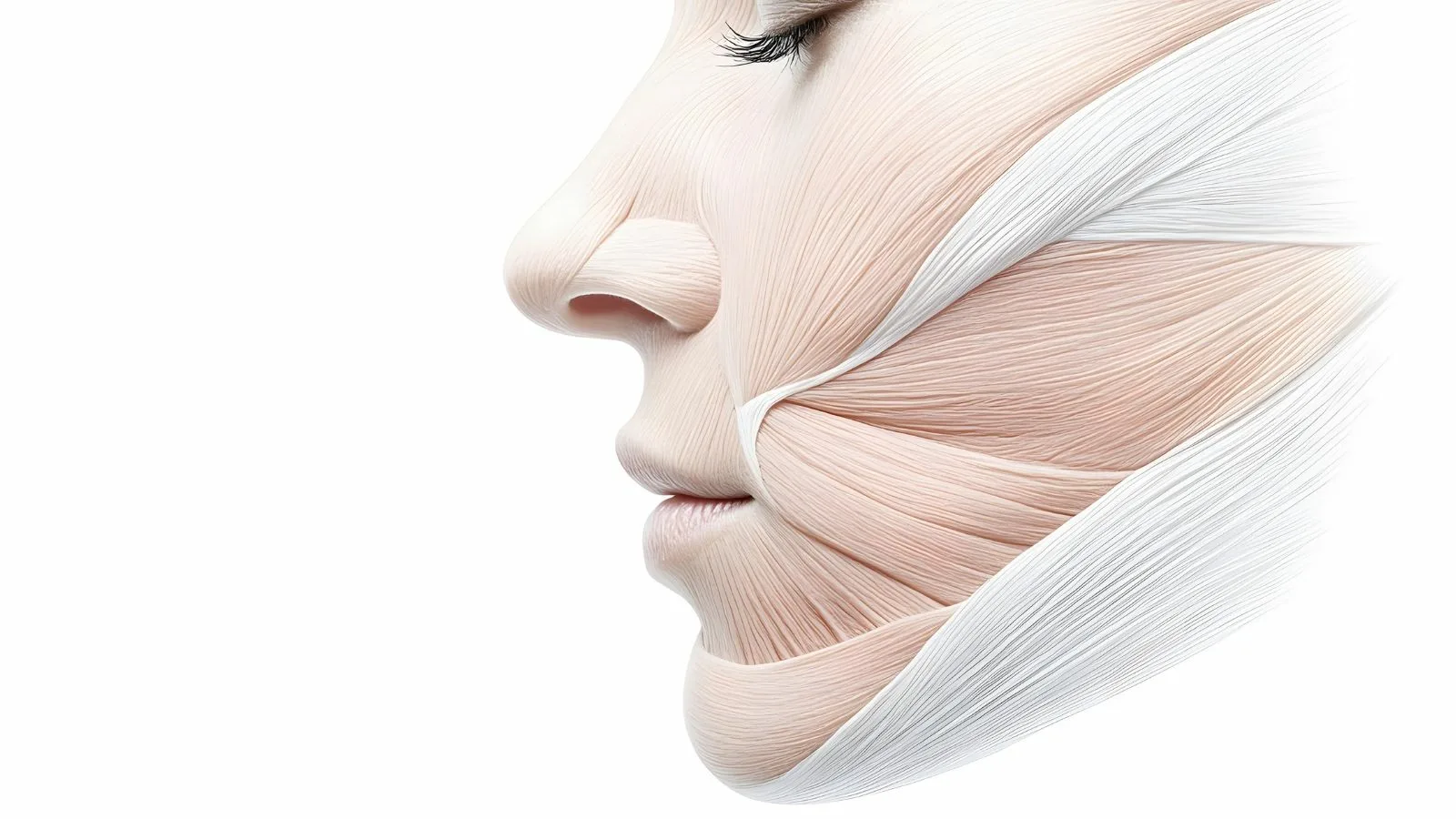
The primary cause of elasticity loss is usually the weakening of the dermal matrix. Fibroblast cells in the dermis produce collagen, elastin, and hyaluronic acid. As aging progresses, fibroblast activity decreases and the synthesis of these structural proteins declines.
Additionally, UV rays increase free radical formation in the skin, activating matrix metalloproteinase (MMP) enzymes that break down collagen fibers. This process is referred to as “photoaging.” Similarly, smoking increases oxidative stress and negatively affects collagen structure.
Hormonal changes, especially the decrease in estrogen levels after menopause, may cause a significant reduction in collagen synthesis. Sudden weight changes and pregnancy may also lead to elasticity loss due to skin stretching.
Habits That Support Elasticity in Daily Life
The first step toward improving skin elasticity is reducing harmful environmental factors.
Sun protection is the most fundamental measure. Broad-spectrum (UVA and UVB protective) sunscreens help reduce collagen breakdown. Wearing protective clothing and hats during periods of intense sun exposure is also important.
Adequate and balanced nutrition is essential for dermal structure. Micronutrients such as protein, vitamin C, zinc, and copper play a role in collagen synthesis. Vitamin C, in particular, acts as a cofactor in collagen production. Vegetables and fruits rich in antioxidants may provide protection against free radicals.
Quitting smoking is critical for skin health. Toxic substances in cigarette smoke reduce dermal microcirculation and impair tissue nourishment.
Adequate water consumption supports the moisture balance of the stratum corneum (the outermost layer of the skin). Hydrated skin appears fuller; however, strong evidence that water intake alone directly increases collagen production is limited. Therefore, expectations should be kept realistic.
Topical Products and Their Ingredients
Some dermocosmetic ingredients may contribute to maintaining skin elasticity:
Retinoids (vitamin A derivatives): Accelerate epidermal cell renewal and may stimulate collagen synthesis in the dermis. With long-term and regular use, they may help reduce fine wrinkles. However, as they can cause skin sensitivity and dryness, dermatological guidance is important.
Vitamin C serums: Exhibit antioxidant effects and may support collagen synthesis. Stable formulations should be preferred.
Peptides: Thought to stimulate fibroblast activity by supporting intercellular communication.
Hyaluronic acid: Has a high moisture-retention capacity. Rather than directly increasing elasticity, it contributes to a fuller and more flexible appearance of the skin.
Response to topical products may vary from person to person. Skin type, age, and existing dermatological conditions influence product selection.
Dermatological and Medical Procedures
When elasticity loss becomes pronounced, dermatological procedures may be considered. Each of these applications has different mechanisms of action:
Laser and radiofrequency systems: Aim to trigger collagen remodeling (neocollagenesis) by creating controlled thermal damage in the dermis.
Microneedling: Creates microchannels in the skin to initiate the healing process and may stimulate collagen production.
Hyaluronic acid fillers: Used to address volume loss; they provide structural support rather than directly improving elasticity.
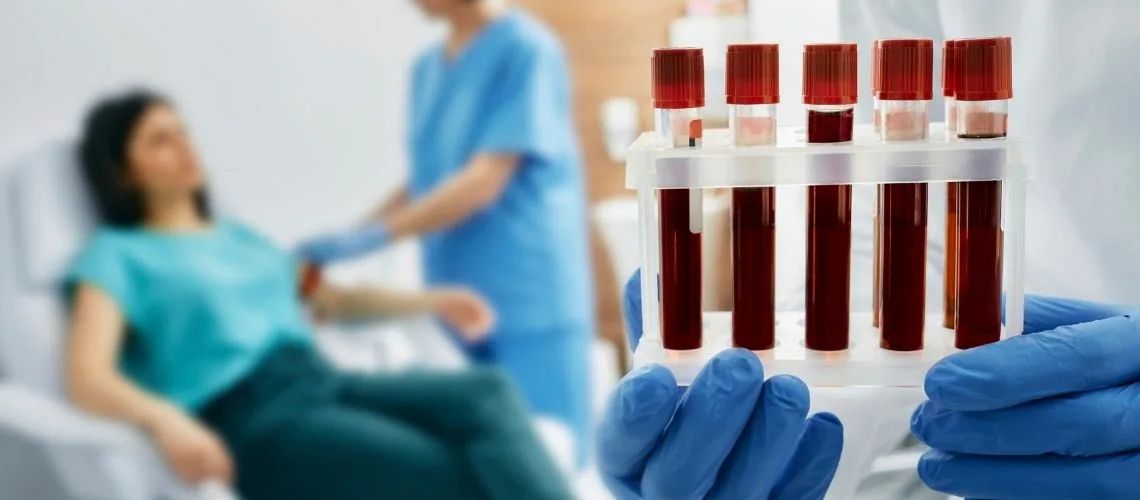
PRP (Platelet Rich Plasma): Platelet-rich plasma obtained from the individual’s own blood aims to support tissue regeneration through growth factors.
These procedures must be evaluated by a dermatology or plastic surgery specialist. Not every method is suitable for every individual. Skin type, accompanying diseases, and medications used influence the decision-making process.
Exercise and Sleep Pattern
Regular physical activity supports tissue oxygenation by increasing circulation. Good blood circulation is important for fibroblast function.
During sleep, growth hormone secretion increases, contributing to tissue repair. Chronic sleep deprivation may accelerate collagen breakdown by increasing cortisol levels.
When Is Specialist Evaluation Necessary?
If there is sudden skin laxity, noticeable sagging, or accompanying different dermatological findings, a dermatology specialist should be consulted. Additionally, connective tissue diseases (such as Ehlers-Danlos syndrome) may be associated with changes in elasticity and may require multidisciplinary evaluation.
Personal expectations, current skin condition, and general health characteristics should be evaluated together. No single method provides miraculous results on its own; combined approaches are generally planned.
Frequently Asked Questions
What causes skin elasticity to decrease with age and environmental exposure?
Which foods can help increase skin elasticity and support collagen production?
How important is hydration for maintaining and improving skin elasticity?
Can regular exercise improve skin elasticity and reduce signs of aging?
Which skincare ingredients are most effective for improving skin elasticity?
How does sun exposure affect skin elasticity and collagen breakdown?
What non-surgical treatments are available to improve skin elasticity?
Can weight loss affect skin elasticity and cause loose skin?
How long does it take to notice improvements in skin elasticity naturally?
What experiences do people commonly report after improving their skin elasticity?
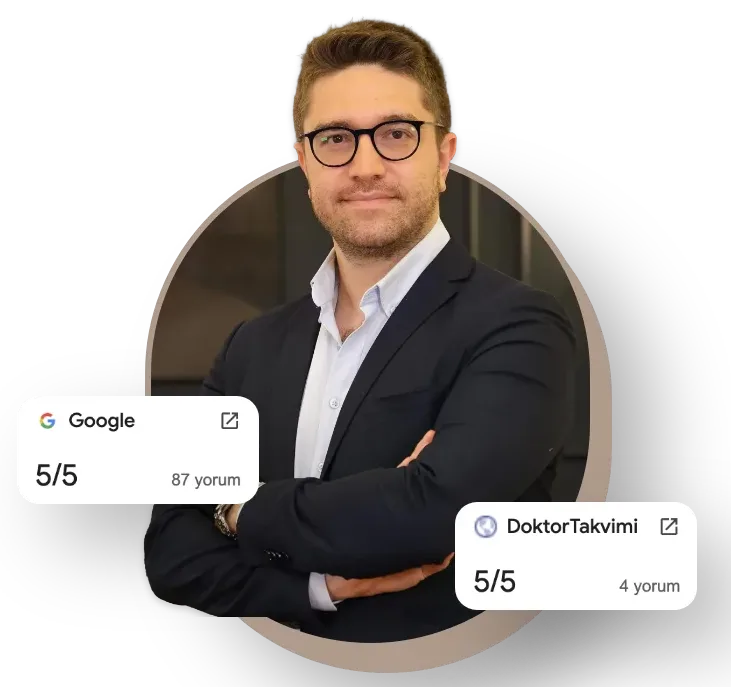
Op. Dr. Erman Ak is an internationally experienced specialist known for facial, breast, and body contouring surgeries in the field of aesthetic surgery. With his natural result–oriented surgical philosophy, modern techniques, and artistic vision, he is among the leading names in aesthetic surgery in Türkiye. A graduate of Hacettepe University Faculty of Medicine, Dr. Ak completed his residency at the Istanbul University Çapa Faculty of Medicine, Department of Plastic, Reconstructive and Aesthetic Surgery.
During his training, he received advanced microsurgery education from Prof. Dr. Fu Chan Wei at the Taiwan Chang Gung Memorial Hospital and was awarded the European Aesthetic Plastic Surgery Qualification by the European Board of Plastic Surgery (EBOPRAS). He also conducted advanced studies on facial and breast aesthetics as an ISAPS fellow at the Villa Bella Clinic (Italy) with Prof. Dr. Giovanni and Chiara Botti.
Op. Dr. Erman Ak approaches aesthetic surgery as a personalized art, tailoring each patient’s treatment according to facial proportions, skin structure, and natural aesthetic harmony. His expertise includes deep-plane face and neck lift, lip lift, buccal fat removal (bichectomy), breast augmentation and lifting, abdominoplasty, liposuction, BBL, and mommy makeover. He currently provides safe, natural, and holistic aesthetic treatments using modern techniques in his private clinic in Istanbul.