Türkçe
Health tourism is a comprehensive healing journey in which individuals travel outside their home country for medical treatment, rehabilitation, or aesthetic procedures. The main advantages of this global mobility include access to world-class specialist physicians, advanced technological infrastructure, and cost-effective treatment options, while its disadvantages generally involve challenges in postoperative physical follow-up and distance-related limitations during the recovery process. In particular, Türkiye has become one of the world’s most trusted and preferred medical destinations thanks to its innovative approaches in aesthetic and plastic surgery and its high patient satisfaction rates.
What Is Health Tourism and Which Main Areas Does It Cover?
Unlike a traditional vacation, this process requires patients to travel because of a specific medical need or entirely personal aesthetic goals. It includes not only the surgery itself but also the preoperative research process, flight arrangements, hotel accommodation, and postoperative follow-up. Worldwide, this sector is divided into various categories depending on the type of service provided and the patient’s needs. The best-known and most technologically advanced segment is medical tourism. Aesthetic and plastic surgery procedures are among the leading services in this field. In addition, thermal tourism, which utilizes natural resources to accelerate postoperative recovery or relieve rheumatic diseases, also occupies an important place. Furthermore, considering the aging global population, long-term care services have become a significant necessity.
The main service categories under the umbrella of health tourism include:
- Medical tourism
- Thermal tourism
- Senior tourism
- Accessible tourism for individuals with disabilities
Why Is Türkiye So Strong in the Health Tourism Market Focused on Aesthetic Procedures?
When global statistics and current data are examined, it is clear that Türkiye is among the world’s top five most preferred health tourism destinations. Every year, millions of people visit Türkiye to improve their health and appearance. The fact that patients from countries with highly developed healthcare systems, such as the United Kingdom, Germany, and Russia, choose Türkiye is far from coincidental. Physicians in Türkiye undergo rigorous medical education, highly competitive specialty training, and encounter significantly more clinical cases than the global average throughout their careers. This extensive experience not only perfects their surgical skills but also maximizes their ability to solve complex or unexpected problems. Türkiye has become a global center of attraction not only because of its affordability but because it consistently delivers exceptionally high-quality results.
What Do Quality Certifications and Accreditations Mean for Health Tourism Patients?
Traveling thousands of kilometers from one’s home country to undergo surgery naturally requires a great deal of trust. One of the most important ways to establish this trust is through strict inspections of healthcare institutions by internationally recognized independent authorities. Every detail, from physical infrastructure and sterilization standards to patient identification procedures and medication storage conditions, is meticulously evaluated. Türkiye is among the leading countries in terms of the number of hospitals holding internationally recognized quality certifications that verify compliance with some of the world’s most demanding healthcare standards. These certifications reassure patients that every stage of their treatment is carried out within a framework of internationally accepted safety standards.
The major internationally recognized certifications for safe healthcare include:
- JCI accreditation
- SAS certification
- ISO quality certifications
- International Health Tourism Authorization Certificate
How Are Advanced Technologies Used in Aesthetic Procedures Within Health Tourism?
Modern aesthetic surgery requires a perfect combination of surgical expertise and advanced technology. Today, procedures are supported by systems capable of showing patients a highly realistic simulation of their expected postoperative appearance even before surgery. Thanks to 3D simulation devices, physicians and patients can establish much clearer communication regarding expectations. In addition, instead of making large incisions, minimally invasive (endoscopic) techniques performed with camera assistance respect the body’s natural anatomy and significantly shorten the recovery period. This technological infrastructure not only improves surgical outcomes but also enables patients to return to their normal lives—and consequently to their home countries—much sooner.
The main technological systems commonly used in aesthetic surgery include:
- VASER systems
- 3D simulation devices
- Endoscopic cameras
- Laser-assisted contouring systems
How Are Body Contouring and Liposuction Procedures Planned Within Health Tourism?
Liposuction, which permanently removes stubborn fat deposits from the body, has evolved far beyond traditional techniques. Modern systems that liquefy fat cells using sound waves without damaging surrounding tissues, blood vessels, or nerves have become the standard. However, the expertise of the surgeon is just as important as the technology itself. Scientific studies have clearly demonstrated that excessively high device settings used to liquefy fat cells may reduce their viability. If the harvested fat is intended for reinjection into areas such as the face or buttocks for augmentation, the device must operate at much lower and intermittent energy levels. These precise adjustments improve the survival rate of the transferred fat, allowing aesthetic results to remain stable for many years.
What Long-Term Solutions Does Rhinoplasty Offer to Health Tourism Patients?
Rhinoplasty, which provides both functional improvement for healthy breathing and aesthetic enhancement of facial appearance, is one of the most technically demanding procedures in aesthetic surgery. The primary goal is to prevent the nasal tip from drooping or losing its shape even many years after surgery. Unlike conventional methods, modern rhinoplasty secures the cartilage forming the nasal tip to the strong central support structures of the nose using specialized suturing techniques. This approach provides excellent support for the nasal tip and makes it significantly more resistant to gravity and the passage of time. Long-term evaluations involving hundreds of patients have scientifically demonstrated that these modern fixation techniques produce more satisfying and durable outcomes.
The main conditions addressed during rhinoplasty include:
- Dorsal nasal hump
- Drooping nasal tip
- Breathing difficulties
- Nasal asymmetry
- Wide nostrils
What Role Do Microsurgery and Tissue Reconstruction Play in Complex Health Tourism Cases?
Aesthetic surgery is not limited to cosmetic enhancement; it also includes reconstructive procedures that restore tissue loss and recover lost function. During delicate operations requiring the repair of blood vessels as fine as a strand of hair under a microscope, highly advanced staining techniques are employed. Blood vessels that are difficult to visualize become more distinct with specialized solutions, making surgery faster and safer. These highly sophisticated techniques, applied in complex cases requiring exceptional expertise, clearly demonstrate the country’s advanced medical capabilities and problem-solving capacity to international patients.
What Are the Main Advantages and Conveniences Provided for Health Tourism Patients?
For an international patient to travel to another country for surgery, the entire process must be planned with exceptional comfort and precision. Services begin long before entering the hospital. Airport reception, hotel accommodation, transportation until the day of surgery, and, most importantly, continuous interpreter support in the patient’s native language are all integral parts of the experience. With a budget that would often cover only the surgery in their home country, patients in Türkiye receive high-quality healthcare while recovering under luxurious conditions.
Some of the services commonly included in international patient packages are:
- Surgical procedure
- Luxury hotel accommodation
- VIP airport transfers
- Interpreter services
- Companion support services
How Does the Balance Between Cost and Quality Influence Health Tourism Decisions?
Safety and quality are naturally the highest priorities for patients seeking healthcare abroad. However, the exceptionally high cost of healthcare in many developed Western countries encourages people to explore alternative destinations. Türkiye offers treatment at approximately half, and sometimes even one-third, of the cost found in Europe and the United States. This significant price difference does not indicate lower-quality medical materials or inferior hospital conditions. Rather, it is largely explained by exchange rates, lower labor costs, and substantial government support provided to promote the healthcare sector. As a result, patients benefit from first-class medical care at considerably more accessible prices.
What Are the Biggest Disadvantages and Challenges Encountered in Health Tourism?
Although health tourism offers many advantages and conveniences, receiving healthcare across international borders also involves certain inherent challenges. One of the most important is the necessity for patients to return home shortly after surgery. Regardless of how successful an operation may be, minor healing issues, suture-related concerns, or simple dressing changes may arise during the following weeks. Since patients are often thousands of kilometers away, the operating surgeon cannot physically evaluate or intervene immediately. This situation may create stress for patients and complicate postoperative management.
The main challenges associated with long-distance healthcare include:
- Lack of face-to-face follow-up
- Long-distance air travel
- Communication difficulties
- Cultural differences
- Mismatched expectations
How Is the Challenge of Remote Follow-Up Addressed in Health Tourism?
Technology has become the greatest solution for overcoming the disadvantages created by physical distance. Thanks to digital healthcare platforms and video consultation systems, patients can continue to receive regular follow-up care even after returning home. Whenever any concern arises, patients can immediately contact their medical teams and visually demonstrate their condition. When necessary, healthcare providers may also collaborate with physicians in the patient’s home country to establish a coordinated follow-up plan, ensuring that the recovery process remains safe and professionally managed.
Why Are Social Media Misinformation and Unauthorized Clinics Major Threats to Health Tourism?
The rapid growth and significant economic value of the health tourism industry have unfortunately attracted unauthorized or unethical individuals into the field. Some organizations lacking appropriate medical training or official authorization from the Ministry of Health may prioritize commercial interests over patient safety. In addition, digitally manipulated, exaggerated, or misleading before-and-after images frequently shared on social media can create unrealistic expectations among patients. Individuals undergoing surgery with unrealistic expectations may experience disappointment even when the surgical outcome is objectively excellent. This misinformation is one of the greatest threats to a system fundamentally built on trust.
How Do Complication Insurance and New Legal Regulations Protect Health Tourism Patients?
Strong legal safeguards have been introduced to protect patients from unauthorized providers and potential medical risks. The regulations governing healthcare organizations operating within this sector are extremely strict. One of the most significant protections is specialized insurance coverage that safeguards patients even after they have returned to their home countries. These insurance policies cover the expenses associated with unexpected surgery-related complications requiring additional treatment or revision procedures. While this system provides peace of mind for international patients, it also obliges healthcare providers to maintain a high level of professional responsibility.
The main situations covered under these insurance policies include:
- Postoperative infections
- Unexpected bleeding
- Need for revision surgery
- Prolonged hospitalization
- Additional treatment expenses
How Do Digital Systems and Government Oversight Contribute to Health Tourism Safety?
To ensure that patient safety is never left to chance, government-authorized institutions have established digital platforms that monitor the entire healthcare journey from beginning to end. All records of individuals entering the country for medical purposes—including medical history, details of the procedure performed, and discharge information—are securely managed through a centralized system. In addition, official healthcare portals allow patients to directly identify and contact accredited hospitals and qualified physicians without relying on intermediaries or commission-based agencies. This transparency protects the country’s international reputation while ensuring that patients can safely access the most appropriate healthcare providers.
How Does Psychological Preparation Influence Success in Health Tourism?
Choosing to undergo a physical transformation, especially in a country far from one’s comfort zone, requires careful psychological preparation. Technical perfection alone does not guarantee patient satisfaction. Evaluations have shown that individuals who approach surgery with realistic expectations, understand the limitations of their bodies, and accurately assess their goals experience remarkable improvements in confidence and overall well-being after surgery. In contrast, individuals with significant anxiety disorders, depression, or severe body image concerns may remain dissatisfied regardless of how technically successful the operation is. Therefore, successful treatment planning requires not only a comprehensive physical examination but also careful assessment of the patient’s emotional well-being.
The main psychological factors that should be evaluated before surgery include:
- Patient expectations regarding surgery
- History of anxiety
- Tendency toward depression
- Body image perception
- Motivation for undergoing surgery
Frequently Asked Questions
What is health tourism and why has it become so popular in recent years?
Health tourism refers to traveling to another country to receive diagnostic services, medical treatment, aesthetic procedures, or rehabilitation. Access to high-quality healthcare and cost-effective treatment options has contributed significantly to its rapid growth.
What are the advantages of health tourism and what opportunities does it offer patients?
Health tourism may provide access to advanced medical centers, experienced specialist physicians, and more affordable treatment options in certain countries. It may also allow patients to combine their healthcare journey with an international travel experience.
What are the disadvantages of health tourism and which risks should be considered?
Language barriers, travel-related challenges, management of postoperative follow-up, and difficulties accessing the treating medical center in the event of complications are among the important considerations associated with health tourism.
Which treatments and procedures are most commonly preferred within health tourism?
Hair transplantation, dental treatments, aesthetic surgery, bariatric surgery, IVF treatments, and orthopedic procedures are among the most frequently requested services within health tourism.
Why is health tourism particularly popular in countries such as Türkiye?
Türkiye is considered one of the world’s leading health tourism destinations because of its experienced specialists, modern hospitals, internationally recognized healthcare standards, and competitive pricing.
What should patients consider when choosing a hospital and physician for health tourism?
Hospital accreditations, physician experience, patient reviews, treatment success rates, and international patient support services should all be carefully evaluated. Choosing the right medical center can significantly influence treatment satisfaction.
Why are postoperative follow-up services important in health tourism?
Postoperative follow-up is essential for evaluating recovery and detecting potential complications at an early stage. Therefore, remote follow-up capabilities and patient support services should be investigated before treatment.
What are the advantages of undergoing aesthetic surgery through health tourism?
Health tourism provides access to specialized aesthetic surgery centers, comprehensive consultation services, and, in many countries, more affordable surgical procedures while maintaining high standards of care.
Which details should be considered when planning a health tourism journey?
Treatment duration, accommodation options, transportation arrangements, the need for a companion, and the expected recovery period should all be considered. Thorough planning can improve both comfort and the overall treatment experience.
Is health tourism suitable for everyone, and who should be evaluated more carefully?
Individuals with chronic illnesses, older adults, and patients requiring long-term follow-up should make health tourism decisions together with their physicians. Personal health status plays a decisive role in treatment planning.
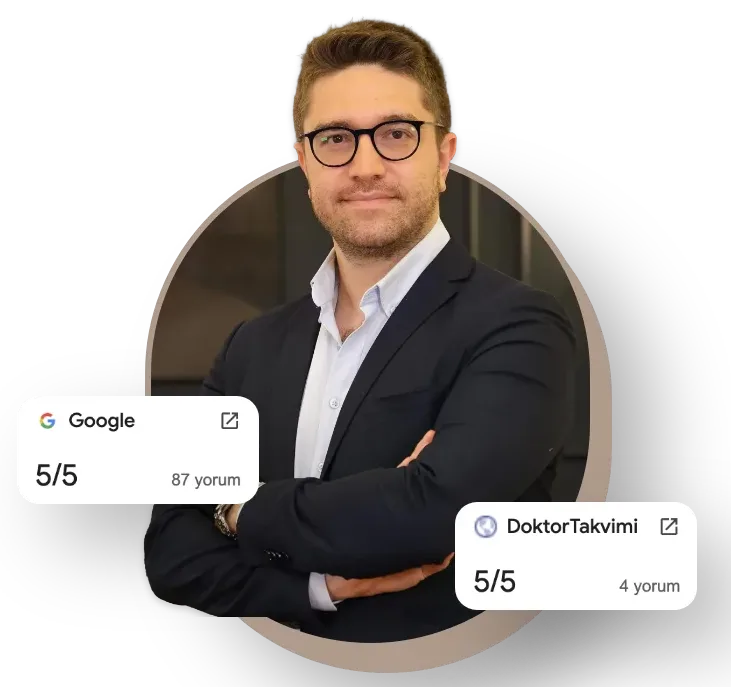
Op. Dr. Erman Ak is an internationally experienced specialist known for facial, breast, and body contouring surgeries in the field of aesthetic surgery. With his natural result–oriented surgical philosophy, modern techniques, and artistic vision, he is among the leading names in aesthetic surgery in Türkiye. A graduate of Hacettepe University Faculty of Medicine, Dr. Ak completed his residency at the Istanbul University Çapa Faculty of Medicine, Department of Plastic, Reconstructive and Aesthetic Surgery.
During his training, he received advanced microsurgery education from Prof. Dr. Fu Chan Wei at the Taiwan Chang Gung Memorial Hospital and was awarded the European Aesthetic Plastic Surgery Qualification by the European Board of Plastic Surgery (EBOPRAS). He also conducted advanced studies on facial and breast aesthetics as an ISAPS fellow at the Villa Bella Clinic (Italy) with Prof. Dr. Giovanni and Chiara Botti.
Op. Dr. Erman Ak approaches aesthetic surgery as a personalized art, tailoring each patient’s treatment according to facial proportions, skin structure, and natural aesthetic harmony. His expertise includes deep-plane face and neck lift, lip lift, buccal fat removal (bichectomy), breast augmentation and lifting, abdominoplasty, liposuction, BBL, and mommy makeover. He currently provides safe, natural, and holistic aesthetic treatments using modern techniques in his private clinic in Istanbul.