Türkçe
Türkiye is home to some of the most skilled surgeons in the field of deep plane facelift surgery because it offers a flawless combination of surgical precision, aesthetic vision, and anatomical depth. These specialists have become a global benchmark thanks to their high success rates in applying techniques that provide long-lasting rejuvenation while preserving the natural harmony of facial expressions. Their personalized surgical approaches to the complex anatomy of the face allow patients to maintain their natural expressions while achieving postoperative results that meet their expectations. This aesthetic ecosystem, where modern technological infrastructure is integrated into clinical practice, directly demonstrates why surgeons in Türkiye consistently achieve results exceeding international standards in deep plane facelift surgery and remain among the most trusted choices worldwide.
What Happens to Our Face During the Aging Process, and Why Does a Deep Plane Facelift Become Relevant?
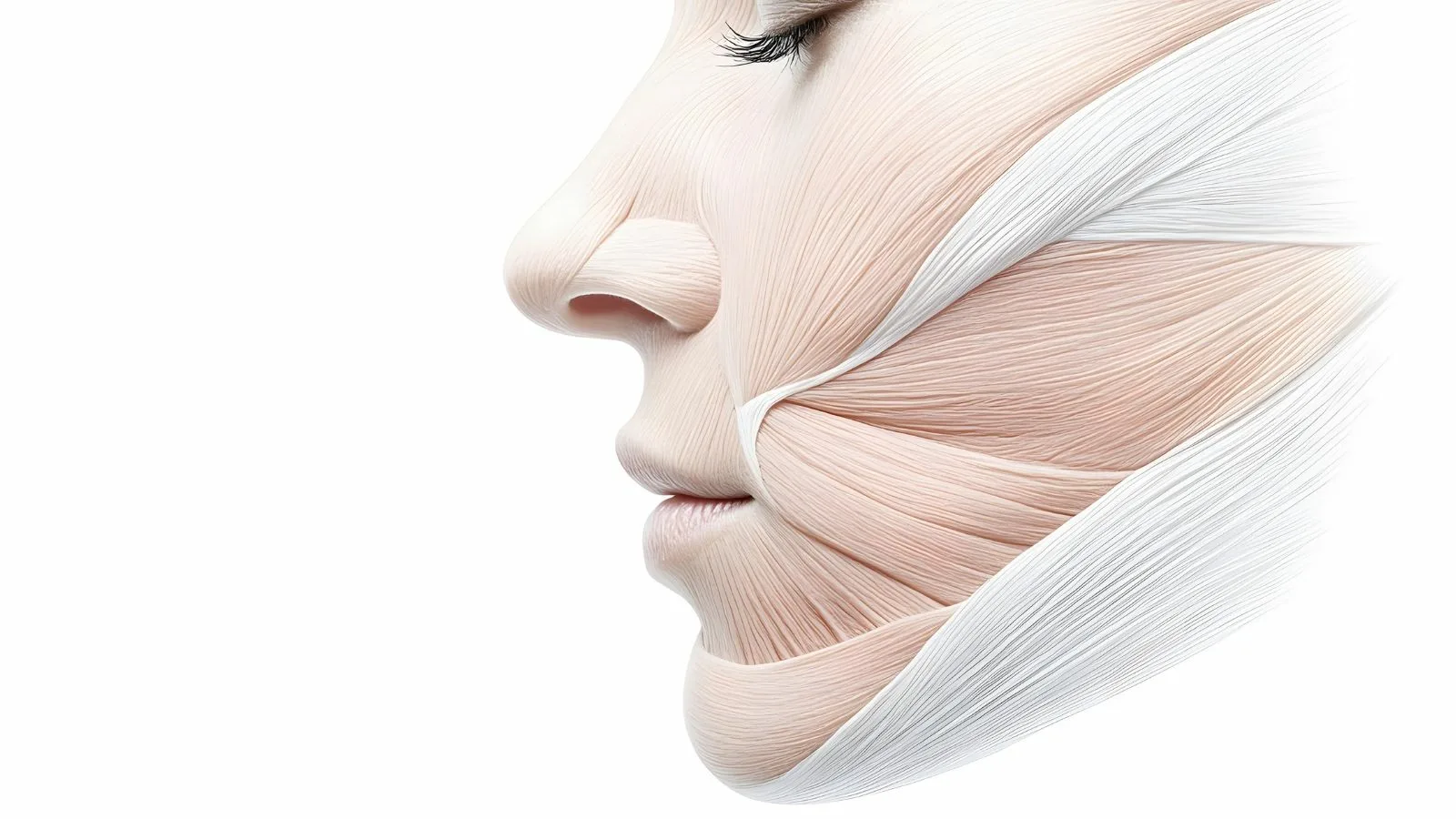
Facial aging is not simply a matter of the skin losing elasticity and becoming loose. Our genetic inheritance, the damaging effects of the sun, and daily lifestyle habits also contribute to accelerating this process. Over the years, the fat pads beneath the skin that provide the youthful, full appearance of the face lose volume and begin to descend under the influence of gravity. The fascial layer surrounding the facial muscles and transmitting facial expressions to the skin also gradually loses its firmness. As a result, the cheeks descend, the lines extending from the sides of the nose to the corners of the mouth become more pronounced, and the sharp contours of the jawline begin to fade.
Since aging occurs not only on the surface of the face but also within the deeper tissues close to the bone, superficial solutions often fail to meet expectations. This is where the deep plane facelift becomes relevant. Rather than simply removing excess skin, this approach aims to reposition the supporting tissues beneath the skin back toward their original anatomical locations. In this way, the three-dimensional structure of the face is supported, and a more natural sense of rejuvenation is achieved. Performed with respect for facial anatomy, this procedure helps soften the tired appearance associated with aging.

What Are the Differences Between Traditional Techniques and the Deep Plane Facelift?
Looking back at the history of aesthetic surgery, facelift procedures were generally performed by lifting the skin and tightening the underlying tissues with sutures. In these procedures, known as traditional techniques, only limited intervention is made to the fascial layer beneath the skin. When this layer, which covers the facial muscles responsible for facial expressions, weakens over the years, procedures that merely tighten the skin may create an artificial appearance. Since this superficial approach does not fully address the strong retaining structures supporting the face internally, gravity may eventually prevail again, allowing sagging to recur.
The surgical philosophy of the deep plane facelift is fundamentally different. In this technique, the skin and the underlying fascial layer are mobilized together without separating them. The procedure is performed within the natural deep planes of the face, where there are fewer blood vessels. This biomechanical difference is often explained using the analogy of a bed sheet. Traditional techniques resemble pulling the wrinkled sheet from the edges while leaving the mattress unchanged. Deep plane techniques, by contrast, aim to reposition both the sheet and the mattress together. This comprehensive approach is intended to produce results that are more harmonious with the individual’s facial structure.
Why Is the “Overly Tightened Face” Appearance Less Common After a Deep Plane Facelift?
One of the greatest concerns associated with older facelift techniques is the overly tight facial appearance that makes it obvious a person has undergone surgery, as though they were constantly facing a strong wind. The primary reason for this artificial appearance is excessive tension placed on the tissues. When the tissues are not released from the retaining ligaments connecting the face to the underlying bone, the surgeon must apply greater force to pull the skin upward. This tension is transferred to the skin through the sutures and may restrict natural facial expressions.
In a deep plane facelift, the primary goal is not to pull the tissues forcefully but to release and reposition them. The load is borne not by the skin itself or delicate sutures but by the thicker, stronger supporting fascial structures beneath the skin. Since tension is distributed within the deeper layers, pressure is not exerted on the skin surface. Preserving the skin’s natural elasticity contributes to a much softer and more refreshed appearance. As a result, efforts are made to prevent stiffness of facial expressions while smiling, speaking, or making facial movements. Once healing is complete, the expectation is that the individual appears well-rested rather than surgically altered.
Why Must the Retaining Ligaments of the Face Be Released During a Deep Plane Facelift?
Within our facial anatomy are powerful retaining ligaments that anchor the skin and soft tissues to the underlying bones. These ligaments can be compared to the roots of a tree firmly embedded in the ground. As the face gradually descends over the years, these ligaments stretch but continue holding the tissues downward. If this internal resistance is not released before attempting to reposition the face upward, the longevity of the result is generally reduced.
During deep plane facelift procedures, these resistant ligaments are carefully released by working within the deepest tissue layers. This significantly reduces the downward tension created by years of gravitational descent. Once the ligaments are released, the skin and fascial layer can be repositioned naturally toward their youthful location without creating excessive tension. Repositioning the tissues according to their natural anatomical movement is one of the most important factors supporting the success of the operation. Skipping this step may compromise the naturalness of the outcome.
How Are the Facial Nerves Protected During a Deep Plane Facelift, and Which Structures Are Involved?
One of the primary reasons these procedures require significant clinical experience is the necessity of protecting the intricate network of nerves responsible for facial movement. These nerves, which allow us to make facial expressions, pass beneath the deep tissue layers where the surgeon operates. Performing surgery safely in these regions requires a thorough understanding of facial anatomy.
The anatomical structures receiving special attention during this process include:
- Frontal nerve branches
- Zygomatic nerve branches
- Buccal nerve network
- Marginal mandibular branches
During a deep plane facelift, the surgeon advances carefully through these regions using specialized magnifying loupes and delicate surgical instruments. Since the procedure is generally performed through the natural avascular planes of the face, efforts are made to minimize the possibility of nerve injury. Tissue mobility and nerve pathways are carefully evaluated during surgical planning. Surgeons with reconstructive surgical training may perform safer maneuvers around this complex nerve network by following tissue-respecting principles. This meticulous approach is critically important for preserving normal facial expressions.
How Does a Deep Plane Facelift Improve Sagging of the Neck and Jawline?
The face and neck are anatomically interconnected, and treating them separately may create an aesthetically unbalanced appearance. A face with rejuvenated cheeks but a sagging jawline does not convey the desired refreshed appearance. Therefore, deformities affecting the neck are frequently addressed during facial rejuvenation planning within the same surgical session.
The lower facial regions that benefit from this procedure include:
- Jawline
- Neck
- Platysma muscle
- Submental region
During a deep plane facelift, elevating the cheek tissues also provides indirect improvement of the neck musculature. However, when neck sagging is more pronounced, additional neck lift procedures are incorporated into the surgery. The separated platysma muscle bands beneath the neck are brought together in the midline to create an internal corset. This helps restore a sharper angle between the chin and neck. Harmonious rejuvenation of the lower face contributes significantly to an overall youthful appearance.
Which Additional Procedures May Be Combined with a Deep Plane Facelift?
The aging process involves not only tissue descent but also loss of volume and gradual thinning of the underlying bone structure. Simply repositioning the tissues cannot restore lost volume. Therefore, additional aesthetic procedures may be incorporated to address multiple aspects of facial aging simultaneously.
Commonly combined procedures include:
- Eyelid surgery
- Temple lift
- Lip lift
- Fat grafting
While performing a deep plane facelift, under-eye bags contributing to a tired appearance and excess upper eyelid skin may also be corrected. In addition, fat harvested from another part of the body is frequently processed and transferred to facial areas that have lost volume. Fat grafting contributes to healthier, more radiant skin. Complementary procedures such as shortening the distance between the nose and upper lip also support balanced facial proportions, creating a harmonious and refreshed appearance.
Do Previous Procedures Affect Deep Plane Facelift Surgery?
Many individuals choose minimally invasive aesthetic procedures to avoid surgery. Although these treatments may seem convenient in the short term, repeated procedures over many years may create structural changes beneath the tissues. In particular, fibrosis—the formation of dense scar tissue—may make it more difficult for the surgeon to work within the natural anatomical planes.
Previous procedures that may complicate surgery include:
- Permanent facial fillers
- Thread lift procedures
- Biostimulatory fillers
- Extensive laser treatments
These treatments may cause tissue layers to adhere firmly to one another. During a deep plane facelift, separating these tissues may require significantly greater effort than usual. Since these adhesions alter the natural anatomy, they may also prolong the duration of surgery. Therefore, individuals considering comprehensive facial rejuvenation in the future may benefit from avoiding permanent materials that extensively alter the deep tissue planes.
How Does the Recovery Process Progress After a Deep Plane Facelift?
Because this procedure is performed within the deeper tissue layers, there is often a misconception that recovery will be considerably more difficult. However, recovery is generally more comfortable than expected. In the deep plane facelift technique, the skin is not extensively separated from the underlying tissues, allowing much of the skin’s capillary blood supply to remain intact. Better preservation of blood circulation reduces postoperative tissue reactions.
Common findings during recovery include:
- Mild bruising
- Temporary swelling
- Localized numbness
- A sensation of tightness
Swelling during the first few days is considered normal, and keeping the head elevated helps reduce it. Toward the end of the first week, bruising begins to fade into yellow discoloration, and sutures are generally removed. From the second week onward, most patients gradually resume their normal daily routines. Although complete softening of the deeper tissues may take several months, patients are generally able to return to social activities within a relatively short period.
Why Does Türkiye Have Highly Successful Surgeons in Deep Plane Facelift Surgery?
Several factors contribute to Türkiye becoming an internationally recognized center for aesthetic surgery. Compared with many of their colleagues worldwide, Turkish surgeons gain extensive clinical experience from an early stage in their careers. The demanding medical education system further develops their skills in crisis management and tissue manipulation.
The primary reasons for this success include:
- Rigorous medical education
- High surgical case volume
- Microsurgical experience
- Diverse international patient population
The fact that tens of thousands of patients with different genetic backgrounds, skin characteristics, and aging patterns choose Türkiye for deep plane facelift surgery provides surgeons with exceptional practical experience. The ability to develop individualized surgical plans based on the understanding that every patient’s anatomy is unique can only be acquired through such extensive case diversity. The combination of advanced medical expertise and modern hospital infrastructure continues to establish Türkiye not merely as an option but as one of the world’s leading destinations for deep plane facelift surgery.
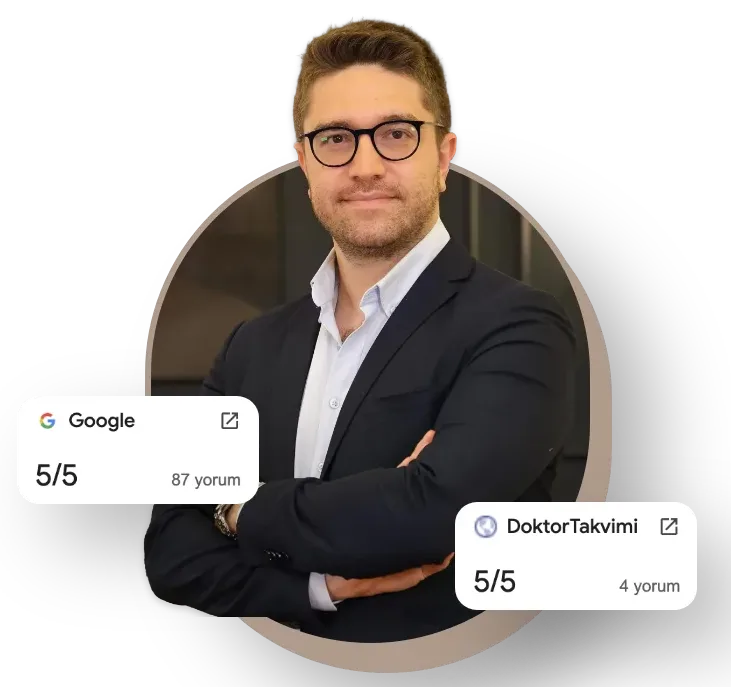
Op. Dr. Erman Ak is an internationally experienced specialist known for facial, breast, and body contouring surgeries in the field of aesthetic surgery. With his natural result–oriented surgical philosophy, modern techniques, and artistic vision, he is among the leading names in aesthetic surgery in Türkiye. A graduate of Hacettepe University Faculty of Medicine, Dr. Ak completed his residency at the Istanbul University Çapa Faculty of Medicine, Department of Plastic, Reconstructive and Aesthetic Surgery.
During his training, he received advanced microsurgery education from Prof. Dr. Fu Chan Wei at the Taiwan Chang Gung Memorial Hospital and was awarded the European Aesthetic Plastic Surgery Qualification by the European Board of Plastic Surgery (EBOPRAS). He also conducted advanced studies on facial and breast aesthetics as an ISAPS fellow at the Villa Bella Clinic (Italy) with Prof. Dr. Giovanni and Chiara Botti.
Op. Dr. Erman Ak approaches aesthetic surgery as a personalized art, tailoring each patient’s treatment according to facial proportions, skin structure, and natural aesthetic harmony. His expertise includes deep-plane face and neck lift, lip lift, buccal fat removal (bichectomy), breast augmentation and lifting, abdominoplasty, liposuction, BBL, and mommy makeover. He currently provides safe, natural, and holistic aesthetic treatments using modern techniques in his private clinic in Istanbul.