Türkçe
The primary reason Türkiye has trained some of the world’s most highly skilled doctors in neck lift surgery is the intensive six-year period of mandatory clinical practice throughout medical education and the high level of surgical experience created by the wide variety of cases encountered by physicians. Turkish aesthetic surgeons are trained not only to meet aesthetic expectations but also to develop complete mastery of the delicate anatomical structure of the face and neck. Global leadership in health tourism requires surgeons to continuously apply up-to-date techniques and follow international standards. This intensive educational journey and constant case experience have made Türkiye a global reference point in aesthetic surgery and a center for highly successful surgeons.
Why Is Türkiye Preferred Worldwide for Neck Lift Surgery?
The fact that people from all around the world choose Türkiye for aesthetic procedures is not a coincidence. Statistics indicate a steadily increasing number of patients every year. One of the main reasons is that doctors in the country see thousands of patients each year with different anatomical structures and ethnic backgrounds. A high case volume helps surgeons improve their practice while also supporting their preparedness for unexpected anatomical variations that may be encountered during surgery. The neck is a highly delicate region containing major blood vessels, nerve networks, and fine muscle structures. When operating in this area, it is important to address the underlying problems rather than simply tightening the skin. Plastic surgeons in our country strive to remain among the professionals who follow current techniques, contribute to scientific publications, and help establish global standards. The way the treatment process is organized, the equipment provided by hospitals, hygiene standards, and the care shown during postoperative follow-up are other factors that strengthen the trust international patients place in our country. This team-based organization greatly helps patients feel safe. All these factors have contributed to Türkiye being recognized as a reliable center for neck surgery.
What Kind of Training Do Doctors in Türkiye Receive for Neck Lift Surgery?
Earning the title of plastic surgery specialist in Türkiye requires intense work and serious discipline extending over many years. Following medical school, the residency period that begins after competitive examinations lasts for at least six years. During this time, physician candidates do not participate only in aesthetic procedures; they work across a broad range of areas, from emergency trauma cases and burn treatments to tissue repairs requiring microsurgery. This process provides a critical foundation for understanding human anatomy in three dimensions and learning to respect tissue. Rotations in specialties such as general surgery, otolaryngology, orthopedics, and anesthesia are intended to improve surgeons’ command of tissue physiology. In addition, participation in internationally recognized certification processes such as the European Board of Plastic, Reconstructive and Aesthetic Surgery is a common goal in our country. Physicians who pass these demanding examinations have the opportunity to demonstrate their professional competence to international boards through written and oral stages. Thanks to this detailed training, Turkish surgeons develop the ability to carefully analyze how deep tissues will behave over time when operating on an anatomically delicate region such as the neck. These skills may allow surgeons to manage patient expectations more realistically and minimize potential risks. Because every patient has a unique tissue structure, this detailed anatomical knowledge has the potential to directly influence the naturalness of the results.
Which Signs Indicate the Need for Neck Lift Surgery?
The neck is one of the regions where signs of aging are generally noticed first, are difficult to conceal, and directly affect a person’s expression. As the frame of the face, this area tends to change over time because of gravity, harmful sun exposure, weight fluctuations, and genetic factors. Patients often complain that despite skincare or filler treatments applied to the face, the loose appearance of the neck reveals their age. Deterioration in neck aesthetics is not limited to sagging skin; it becomes a multilayered deformity as the muscle covering and fat tissue beneath the skin also lose firmness. Because neck skin is much thinner and more delicate than the skin in many other parts of the body, its resistance to wrinkles is generally weaker. The need for surgery usually becomes apparent through certain structural deformities visible when looking in the mirror. Some of the main signs supporting a decision for surgery during evaluation include:
- Thinning of the skin
- Skin folds
- Horizontal neck lines
- Submental fat accumulation
- Vertical muscle bands
- Loss of jawline definition
- Turkey neck appearance
Such physical changes may indicate deep structural laxity that cannot be corrected with topical creams alone. When the skin has largely lost its natural elasticity and the muscle tissue begins to separate from the midline and sag, the transition beneath the chin tends to lose its refined form.
What Is the Effect of Chin Structure on Neck Lift Aesthetics?
One of the issues frequently overlooked during neck rejuvenation planning, yet critical for aesthetic success, is the condition of the patient’s existing chin skeleton. The neck and jawbone are anatomically complementary regions that cannot be considered independently from an aesthetic perspective. Sometimes patients visit clinics believing that they only have excess fat or loose skin on the neck, but examination may reveal that the actual problem is an anatomically recessed or small chin. When the chin is recessed, the natural angle between the neck and the underside of the chin becomes indistinct. This causes the soft tissue beneath the chin to appear much more sagging and loose than it actually is. Even at a young age, individuals with this type of bone structure may develop a noticeable double chin and sagging neck appearance. Specialists may adopt a holistic approach at this point and recommend additional procedures to support the facial profile harmoniously. Complementary treatments that may help strengthen the jawline during neck aesthetic procedures include:
- Chin implants
- Structural fat injections
- Bone contouring
- Filler treatments
When chin projection is supported forward with these procedures, the tissues beneath the neck skin spread more evenly. The resulting aesthetic improvement may generally achieve a much more satisfying and harmonious form through this holistic perspective.
How Does the Deep Plane Neck Lift Technique Differ from Traditional Methods?
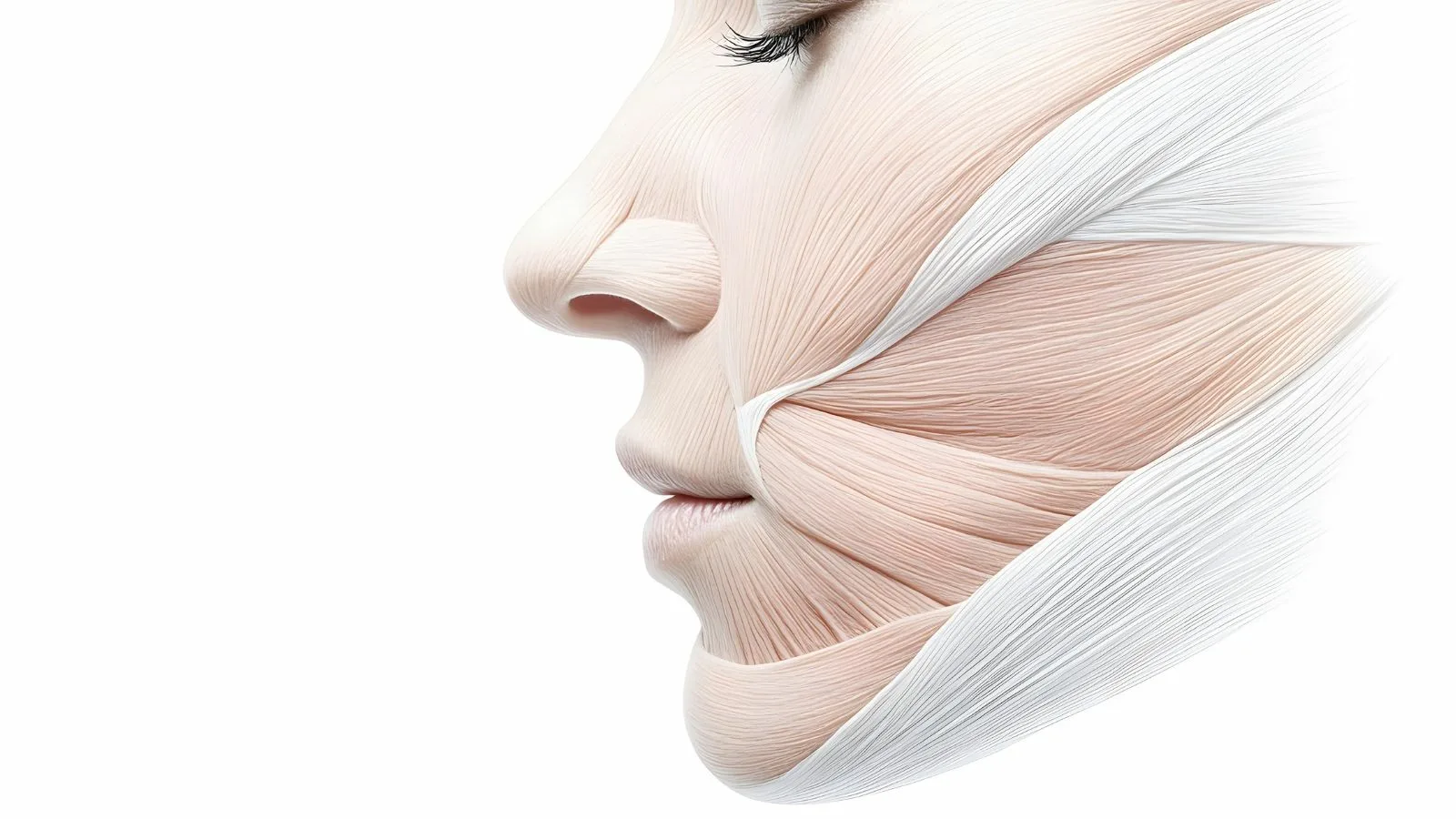
In traditional approaches used more frequently in previous years, the aim was generally to completely separate the sagging skin from the underlying muscle layer and pull it backward like a piece of fabric. However, this method may sometimes create a sensation of excessive tightness, as though the face has been exposed to a wind tunnel, or result in an artificial expression by reducing facial movement. In modern medicine, techniques that reach much deeper anatomical layers and aim to increase longevity have become more widely preferred. Deep plane neck surgery aims to move all sagging tissues back to their original position as a single unit by going beneath the platysma muscle layer instead of placing force on the skin. During this procedure, the supporting ligaments connecting the tissues to the bone are released through access points beneath the chin and around the ears. The separated muscle fibers are brought together at the midline to create what is intended to function like a medical internal corset. The advantages this anatomical approach is believed to provide compared with traditional techniques include:
- More natural facial expressions
- Reduced tissue tension
- Less noticeable scarring
- Long-lasting results
- Healthy tissue nourishment
- Preservation of vascular networks
When the deep plane is entered, the mechanical pressure on the skin is significantly reduced. Because the load is transferred to the strong supporting muscles rather than the thin skin, the likelihood of noticeable scars or contour deformities after surgery is greatly reduced. Since healthy blood flow to the tissues is supported, positive improvements in the overall speed of recovery may also be expected.
In Which Cases Can Non-Surgical Neck Lift Methods Be Applied?
Technology-supported alternative approaches are available for patients who are hesitant about surgery for various reasons, do not want anesthesia, or whose signs of aging in the neck have not yet progressed to the point of requiring an operation. However, it is extremely important to understand medical expectations clearly at this stage. Minimally invasive methods may not match the longevity of surgery in older patients with significant muscle sagging or excessive skin laxity. These treatments are more commonly preferred in younger and middle-aged individuals who have not yet lost skin quality and elasticity, have small fat deposits beneath the chin, or are experiencing the earliest signs of laxity. When applied to the correct patient group, these methods may provide supportive results and delay the aging process. Minimally invasive treatments considered as alternatives to surgery or used to postpone surgery include:
- Submental liposuction
- Thread neck lift
- Laser systems
- Radiofrequency treatments
- Ultrasonic tightening devices
- Injection-based fat reduction
Because these methods can generally be performed in a clinical setting or under local anesthesia within relatively short periods, returning to daily life may be faster than after surgery. However, their ability to correct structural deformities over the long term is generally more limited than anatomical surgical methods, and repeat sessions may be required. Nevertheless, patients’ desire to return immediately to their social lives has helped these medical device-based and minimally invasive injectable treatments remain popular today.
What Should Be Considered During Recovery After Neck Lift Surgery?
Regardless of how meticulously an operation is performed, one of the most important stages determining the quality of the aesthetic result is the recovery period spent by the patient at home. The body requires a certain amount of time to repair the treated tissues and adapt to its new anatomical position. Swelling and mild bruising around the neck and chin during the first days after surgery are considered natural physiological responses to surgical trauma. The physician provides specific instructions to accelerate vascular repair and minimize fluid accumulation between the tissues. The main instructions patients are expected to follow for a comfortable and healthy recovery process include:
- Sleeping with two pillows
- Applying regular cold compresses
- Avoiding strenuous physical activities
- Taking prescribed medications regularly
- Avoiding cigarette smoke
- Restricting sudden head movements
- Protecting the area from direct sunlight
- Performing the recommended neck exercises
Once healing beneath the skin has reached a certain level, controlled neck stretching movements started under medical supervision may significantly help relieve muscle spasms and restore tissue flexibility. As swelling gradually decreases over the following weeks, the neck and jawline begin to achieve the desired natural appearance. Strictly following medical recommendations may greatly affect the overall result. When careful planning, experienced surgical technique, and attentive postoperative care are combined, a refreshed appearance is generally supported.
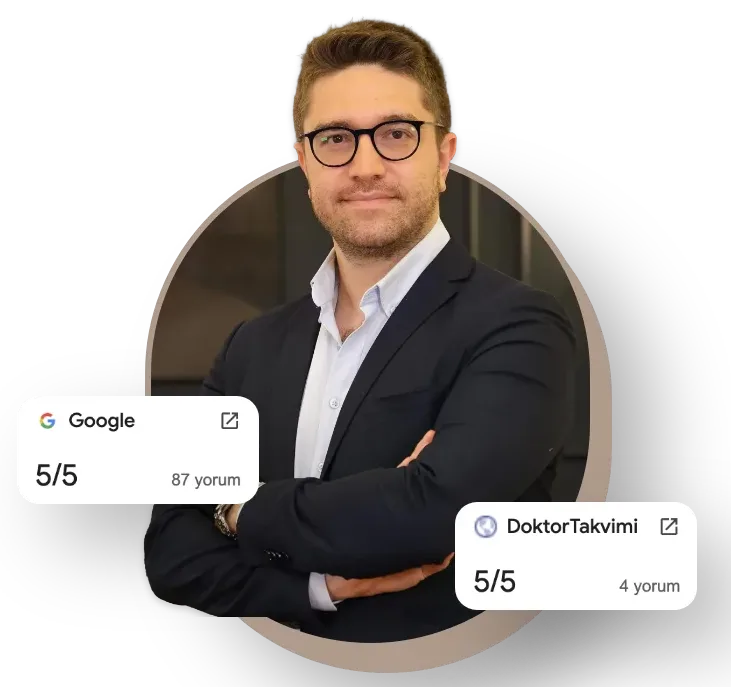
Op. Dr. Erman Ak is an internationally experienced specialist known for facial, breast, and body contouring surgeries in the field of aesthetic surgery. With his natural result–oriented surgical philosophy, modern techniques, and artistic vision, he is among the leading names in aesthetic surgery in Türkiye. A graduate of Hacettepe University Faculty of Medicine, Dr. Ak completed his residency at the Istanbul University Çapa Faculty of Medicine, Department of Plastic, Reconstructive and Aesthetic Surgery.
During his training, he received advanced microsurgery education from Prof. Dr. Fu Chan Wei at the Taiwan Chang Gung Memorial Hospital and was awarded the European Aesthetic Plastic Surgery Qualification by the European Board of Plastic Surgery (EBOPRAS). He also conducted advanced studies on facial and breast aesthetics as an ISAPS fellow at the Villa Bella Clinic (Italy) with Prof. Dr. Giovanni and Chiara Botti.
Op. Dr. Erman Ak approaches aesthetic surgery as a personalized art, tailoring each patient’s treatment according to facial proportions, skin structure, and natural aesthetic harmony. His expertise includes deep-plane face and neck lift, lip lift, buccal fat removal (bichectomy), breast augmentation and lifting, abdominoplasty, liposuction, BBL, and mommy makeover. He currently provides safe, natural, and holistic aesthetic treatments using modern techniques in his private clinic in Istanbul.