Türkçe
When reviews from people who have undergone liposuction surgery are examined, it can be seen that the success achieved in improving body contours and the increase in self-confidence at the end of the process are the main focal points of patient satisfaction. Individuals who have experienced this surgery state that getting rid of stubborn fat deposits that do not disappear with dieting improves their quality of life, while they frequently emphasize the role of tissue-friendly technologies such as Vaser in minimizing bruising. Real user experiences clearly demonstrate that the success of the operation is not limited to fat removal alone, but that flawless and smooth results are achieved through disciplined compression garment use and proper recovery management.
How Do Patients Express That Their Initial Expectations Were Met After Liposuction?
When reviews from patients who undergo liposuction are examined, it can be seen that their expectations are much deeper and more complex than a simple desire to lose weight. A large proportion of patients emphasize in their comments the great relief of getting rid of stubborn fat deposits that they had been unable to eliminate despite strict diets and regular exercise programs lasting for months or even years, as though these fat tissues had become permanently attached to their bodies. They describe not only physical relief but also the feeling of being freed from an emotional burden. The areas where patients expect the fastest and most noticeable changes after the procedure, and therefore the areas most frequently discussed in online reviews, are generally the central body region and the facial area.
In the experience reports of male patients, the issue takes on a slightly different aesthetic dimension. They frequently express not only a desire for regional fat reduction but also the wish to achieve a much sportier and more athletic appearance by enhancing the definition of the abdominal muscles. In male patient reviews, the feeling of making peace with their body after resolving excess fat in the chest area is described as one of the most satisfying outcomes of the operation. These specific expectations show that the procedure is not merely a volume-reduction technique but rather an art of reshaping the body with the precision of a sculptor.
Frequently expressed regional expectations include:
- Stubborn abdominal fat
- Expanded waist circumference
- Excess fat around the hips
- Double chin area
- Gynecomastia
How Are Concerns About Social Appearance and Increased Self-Confidence Reflected in Reviews?
The main foundation of patient reviews is not the physical change itself but rather how this change is reflected in social life, personal relationships, and daily routines. Satisfaction surveys conducted after aesthetic surgery and the sincere accounts written by patients underline the great sense of freedom experienced in clothing choices by individuals whose waistlines have become slimmer or whose hip contours have improved. No longer needing to hide behind loose clothing and being able to comfortably try on clothes in the desired size are among the clearest indications that these procedures directly help build self-confidence. Patients describe with great enthusiasm the new sense of comfort they feel at the beach during summer or at social events.
However, a different picture may be observed in the comments of patients who had extremely high concerns about their social appearance before surgery and expected a miraculous transformation in their lives. Regardless of how flawless the medical outcome may be, individuals with unrealistic expectations may continue to have low life satisfaction after surgery. This demonstrates that aesthetic procedures also serve as a mirror of the psychological relationship a person has with their own body. Although the overwhelming majority of comments state that the procedure strengthens a person’s position in social environments, the patient’s psychological background and the meaning assigned to the surgery have a major impact on how the results are perceived.
The reflections of psychological relief in daily life include:
- Comfortable clothing choices
- Shopping freely
- Feeling comfortable in social environments
- Making peace with the body
What Do Patients Say About “Invisible Surgery” and Scars?
One of the greatest demands of patients in modern aesthetic surgery is that no one should be able to tell from the outside that a procedure has been performed. In patient feedback, the concept of aesthetic naturalness is considered just as important as body slimming. Online information-sharing platforms and reviews frequently discuss the permanence and color of incision scars and whether the skin can preserve its natural texture after surgery. No one wants to carry a visible map of surgery on their body.
In aesthetic surgery practice, procedures are generally performed through extremely small incisions measuring only a few millimeters in order to meet this highly reasonable expectation. Positive patient reviews have increased as these tiny entry points are skillfully hidden within the body’s natural folds. These small scars gradually fade and take on the color of the surrounding skin, fully satisfying patients’ expectations of “invisible surgery” and allowing the operation to remain a completely private matter. Depending on the structure of the skin, the fact that these scars become almost invisible is one of the fundamental elements of patient satisfaction.
Common natural concealment points include:
- Inside the navel
- Groin folds
- Natural body lines
- Underwear-covered areas
What Differences Do Patients Who Have Experienced Vaser Technology Emphasize Compared With Traditional Methods?
Among the most frequently discussed and compared subjects in liposuction reviews are the advanced technologies used during surgery. In particular, feedback from patients who underwent surgery with Vaser technology, which works through sound waves, is much more positive and enthusiastic than feedback from those who underwent only traditional techniques. This technology selectively liquefies only the targeted fat cells using ultrasonic sound waves without damaging the surrounding blood vessels, nerves, or connective tissues. Patients describe this in forums and surveys as a much gentler and more comfortable process.
Compared with traditional techniques, the greatest advantages patients emphasize at length are the almost complete absence of postoperative bruising and the fact that the difficult swelling period is significantly milder and shorter. In addition, while reviews of other methods involving intense heat, such as lasers, occasionally mention concerns about heat-related skin sensitivity, the tissue-preserving nature of sound waves appears to eliminate such fears. Patients with mild skin laxity in particular express great satisfaction, stating that they not only became slimmer but also experienced tightening of the skin.
The advantages of the Vaser method reflected in reviews include:
- Less bruising
- Milder swelling
- Faster recovery
- Tighter skin
What Do Patient Reviews Written Within the First 48 Hours After Surgery Reveal?
The most anxious and distressed comments written online or sent to doctors after liposuction generally appear during the first two days. These first forty-eight hours are the period when patients are trying to adapt physically and are also at their most psychologically sensitive. During these days, when even temporary feelings of regret may surface, patients compare the pain they experience to severe muscle soreness after an extremely intense workout. Rather than sharp, knife-like pain, they describe deep muscle fatigue and aching. Patients who later recover confirm in reassuring reviews that these pains are not frighteningly severe and can be controlled easily with simple pain-relieving medications.
Another issue that is frequently reflected in early patient reviews and unfortunately causes panic is fluid leakage from the tiny incision sites. Particularly when a large area has been treated, the pink-colored fluid that leaks from the body during the first days is actually harmless anesthetic fluid remaining inside and swelling fluid produced by the body attempting to drain outward. Patients who do not know that this physiological process is a completely normal and beneficial cleansing mechanism may experience fearful moments. However, patients who begin walking early and consume plenty of fluids realize that these leaks actually help swelling decrease more quickly and ultimately report a much more positive experience.
Important steps that make the first days more comfortable include:
- Drinking plenty of water
- Early walking
- Regular nutrition
- Plenty of rest
What Is Behind the Comments of Patients Who Say, “I Had Liposuction but Did Not Lose Weight on the Scale”?
One of the most common and discouraging complaints found in patient reviews written during the first or second week after surgery is the failure to see an immediate miraculous decrease in the mirror or on the home scale. Some patients even express great surprise and serious disappointment because they weigh more than they did before the operation. The medical and scientific explanation behind this situation is internal fluid retention, known as inflammatory edema, which the body produces as a natural and necessary defense mechanism after surgery. The body sends abundant restorative fluid to the treated area to support healing, and this temporarily increases body weight.
Over time, patients experience the swelling caused by the healing fluids injected into their bodies and the cellular lymphatic fluids that rush to the area for tissue repair, gradually learning by observing their bodies slowly decrease in size. Retrospective evaluations written months later show that patient individuals who trusted the natural course of recovery saw their first clearly noticeable results after one month and their final, lasting, smooth results only after several months. For this reason, early negative comments focused on the scale result entirely from misinterpreting swelling that is part of the body’s remarkable healing timeline. The body must be given the compassionate time it needs to recover.
The timeline of changes during recovery is as follows:
- First week
- First month
- Third month
- Sixth month
How Is the “Waviness” Problem, the Greatest Source of Patient Complaints, Described in Reviews?
When complaint and experience platforms containing liposuction reviews are examined in depth, it becomes clear that the most feared and frequently mentioned aesthetic problem is waviness on the skin surface. When describing their experiences, patients generally compare this condition to an uneven, indented appearance resembling severe cellulite that can be seen even through thin clothing, and they sincerely express how psychologically distressing this result can be. Encountering an uneven surface when expecting a smooth and firm abdomen can overshadow all the joy of the operation.
There are, of course, specific medical reasons for the development of these undesirable irregularities. Insufficient skin elasticity due to congenital factors or aging, uneven removal of subcutaneous fat with too much taken from one area and too little from another, and the use of harsh techniques that do not protect the tissues are the main sources of this risk. Particularly in older patients, those who have experienced frequent weight fluctuations, or those with structurally loose skin, the skin may fail to adapt to the underlying empty space when proper planning is not performed, resulting in depressions. Conversely, comments from patients who underwent surgery with advanced tissue-preserving technologies emphasize skin tightening and the desired smooth surface with great satisfaction.
Some factors affecting the risk of waviness include:
- Skin elasticity
- Balance of fat removal
- Technology used
- Patient’s age
Which Neglects Are Responsible for Negative Comments About Postoperative “Hardness”?
Another important complaint frequently encountered in patient reviews that can make readers uneasy is the development of hard areas beneath the skin during recovery that can be clearly felt from the outside. Patients describe these frustrating areas as hard masses that are difficult to conceal even under compression garments, restrict movement when sitting or standing, and feel like stones inside the body, causing significant discouragement. The medical explanation for these hard areas is the accumulation of fluid in the spaces between the skin and muscle tissue, followed by the organization of this fluid into firm, cyst-like structures within the tissues that take a long time to heal.
The underlying cause of these problems is generally not what occurs on the operating table but major neglect during the home-care period after surgery. The spaces between tissue layers must close properly, and the body must firmly reattach the tissues in that region. When the histories of patients who complain about this problem are examined in detail, it is generally found that the specialized compression garments considered uncomfortable were not worn for the duration or with the discipline recommended by the doctor. In addition, failure to begin massage treatments at the appropriate early stage prevents these firm tissues from softening and being eliminated. If precautions are not taken in time, these tissues may turn into aesthetic imperfections requiring a prolonged corrective process.
Steps that help prevent the formation of hardness include:
- Continuous compression garment use
- Regular massage
- Doctor follow-ups
- Adequate rest
How Do Patients Evaluate the Feeling of Numbness After Surgery in Their Reviews?
One of the details frequently noticed in forums and comments about the treated area, and one of the subjects patients most often ask each other about, is persistent loss of sensation, tingling, or mild numbness on the skin surface. During liposuction, as fat is removed from the area, the movement of the cannulas within the tissues and the energy applied to break down the fat temporarily stun the very fine microscopic nerve endings beneath the skin, placing them into a kind of dormant state. These nerves temporarily become unresponsive and transmit signals more slowly.
In comments written during the first weeks, patients describe this numbness as quite strange and uncomfortable, using interesting comparisons such as feeling as though they are touching someone else’s skin or a thick piece of fabric rather than their own body when they touch the area with their hands. However, when follow-up comments written over several months are examined, patients happily report that the fine nerve endings gradually begin to awaken, the numbness is replaced by a gentle tingling sensation, and full sensation eventually returns. It is clearly understood that patients who are informed about this possibility in advance and accept the process experience much lower levels of anxiety.
Sensations experienced during sensory recovery include:
- Regional loss of sensation
- Tingling
- Mild numbness
- Sensitivity to touch
How Do Reviews About Compression Garment Use and Massage Affect the Recovery Process?
Medical compression garments and specialized massages, indisputably the two most important elements of the recovery journey after liposuction, are described in patient experiences with completely opposing emotions, almost resembling a love-hate relationship. Compression garment use is generally portrayed in reviews as an uncomfortable necessity that causes overheating, especially during summer, creates itching, and makes patients eager to stop using it as soon as possible. However, later reviews from patients who witnessed long-term success and followed their doctor’s advice exactly almost always state, “I am so glad I never removed my compression garment during those difficult days.” This is because the tight garment closes the spaces inside, helps the tissues adhere to one another, and becomes the architect of the smooth skin patients dream of.
On the other hand, reviews about specialized lymphatic drainage massages contain entirely positive and relaxing emotions. These massages, generally started a few weeks after surgery with the doctor’s approval, are described by patients as releasing an enormous burden from the body and creating an incredible sense of lightness and relief. The gentle movements applied beneath the skin by skilled hands help eliminate accumulated lymphatic fluid, soften hardened areas, and reduce swelling at a visibly rapid rate. Patients enthusiastically share online the changes in their bodies and the soft, cushion-like texture of their skin after leaving the massage room.
The benefits of massage during recovery include:
- Reduction of swelling
- Softening of the tissues
- A feeling of relaxation
- Increased flexibility
What Misconception Causes Regretful Comments Such as “I Gained Weight Again After Surgery”?
The most upsetting and dramatic comments found in long-term patient evaluations written over the years include statements such as, “I regained all the weight I had lost, and all the suffering I endured and the money I spent were completely wasted.” The greatest misconception behind this deep sense of regret and anger is the belief that the operation is a magical obesity treatment that erases every nutritional mistake in a person’s life or provides permanent protection against weight gain. Patients may sometimes falsely believe that the treated area will never accumulate fat again.
Scientifically, the fat cells permanently removed from the body with devices do not return or regenerate. However, the small number of fat cells that must naturally remain in the treated area and the existing fat cells in other parts of the body can expand like balloons if the individual consumes excessive calories or turns to sweets and pastries after the procedure. The histories of patients who say, “I gained weight again,” often reveal that their eating habits deteriorated completely due to the complacency created by their new body. In contrast, informed patients who understand the true nature of the process proudly state in their reviews that they viewed the operation not only as an aesthetic touch but also as an excellent starting point for adopting healthy eating habits, beginning an active lifestyle, and opening a new chapter in their lives.
Habits that should be adopted for lasting results include:
- Balanced nutrition
- Regular exercise
- An active lifestyle
- Avoiding smoking
Why Do Communication Failures Stand Out More Than Medical Outcomes in Reviews on Complaint Platforms?
When lengthy negative reviews about liposuction experiences written online are analyzed in depth, a highly striking and thought-provoking reality emerges. A very large proportion of dissatisfaction results not from technical surgical failure, asymmetry, or health problems but from major communication breakdowns between the clinic and the patient, unanswered questions, and the feeling of being left alone. The success of an operation is directly related not only to how much fat is removed but also to how well the patient feels understood throughout the process.
For patients, building trust begins at the very first consultation when they walk through the door. The illusions created by heavily filtered, perfectly lit, and sometimes unrealistic “before-and-after” photographs on social media can lead patients to develop expectations that are impossible to achieve with their own body structure. These unattainable expectations may result in the patient feeling unhappy when looking in the mirror even if the operation was technically highly successful, healthy, and natural. In addition, the doctor’s lack of availability during minor moments of panic at home after surgery or inadequate emotional support from the clinic may cause the patient to feel unimportant and direct their anger toward complaint websites. Conversely, even when a minor problem occurs during the process, patients are seen to defend their doctors with great affection and gratitude when the doctor listens, explains the process transparently, and shows empathy. This is the clearest evidence that, in the world of aesthetics, a beautiful body can only be completed through strong and honest communication.
The fundamental elements that strengthen communication include:
- Transparent information
- Realistic expectations
- Regular follow-up
- An empathetic approach
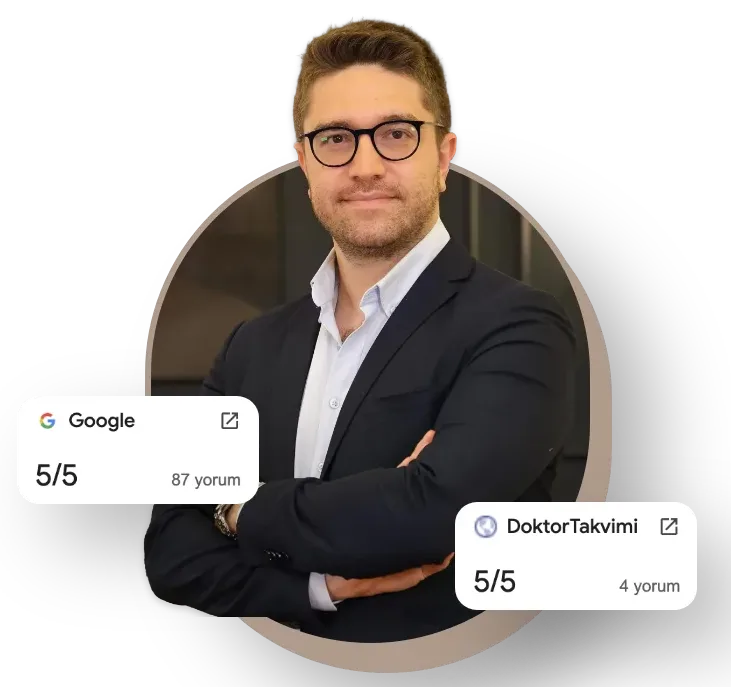
Op. Dr. Erman Ak is an internationally experienced specialist known for facial, breast, and body contouring surgeries in the field of aesthetic surgery. With his natural result–oriented surgical philosophy, modern techniques, and artistic vision, he is among the leading names in aesthetic surgery in Türkiye. A graduate of Hacettepe University Faculty of Medicine, Dr. Ak completed his residency at the Istanbul University Çapa Faculty of Medicine, Department of Plastic, Reconstructive and Aesthetic Surgery.
During his training, he received advanced microsurgery education from Prof. Dr. Fu Chan Wei at the Taiwan Chang Gung Memorial Hospital and was awarded the European Aesthetic Plastic Surgery Qualification by the European Board of Plastic Surgery (EBOPRAS). He also conducted advanced studies on facial and breast aesthetics as an ISAPS fellow at the Villa Bella Clinic (Italy) with Prof. Dr. Giovanni and Chiara Botti.
Op. Dr. Erman Ak approaches aesthetic surgery as a personalized art, tailoring each patient’s treatment according to facial proportions, skin structure, and natural aesthetic harmony. His expertise includes deep-plane face and neck lift, lip lift, buccal fat removal (bichectomy), breast augmentation and lifting, abdominoplasty, liposuction, BBL, and mommy makeover. He currently provides safe, natural, and holistic aesthetic treatments using modern techniques in his private clinic in Istanbul.