Türkçe
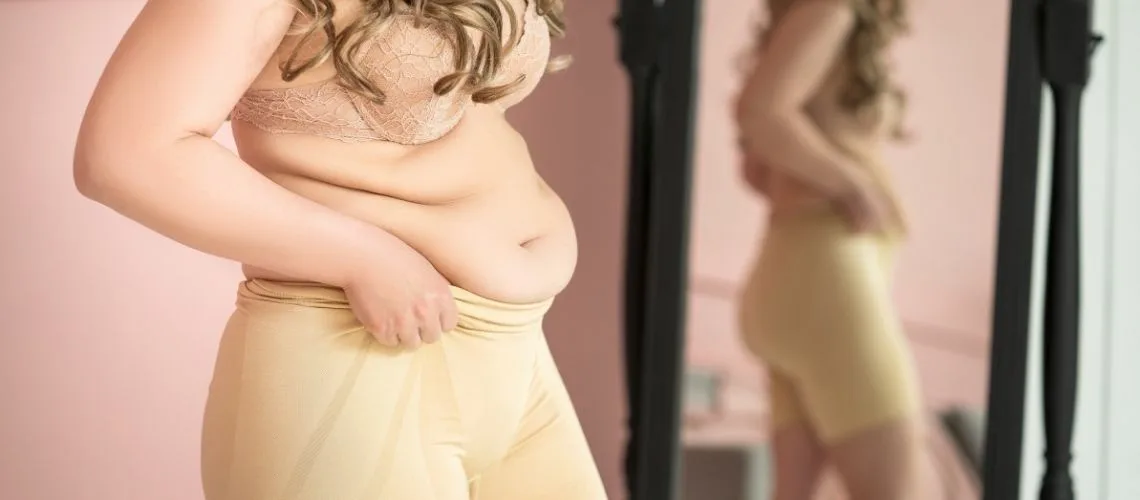
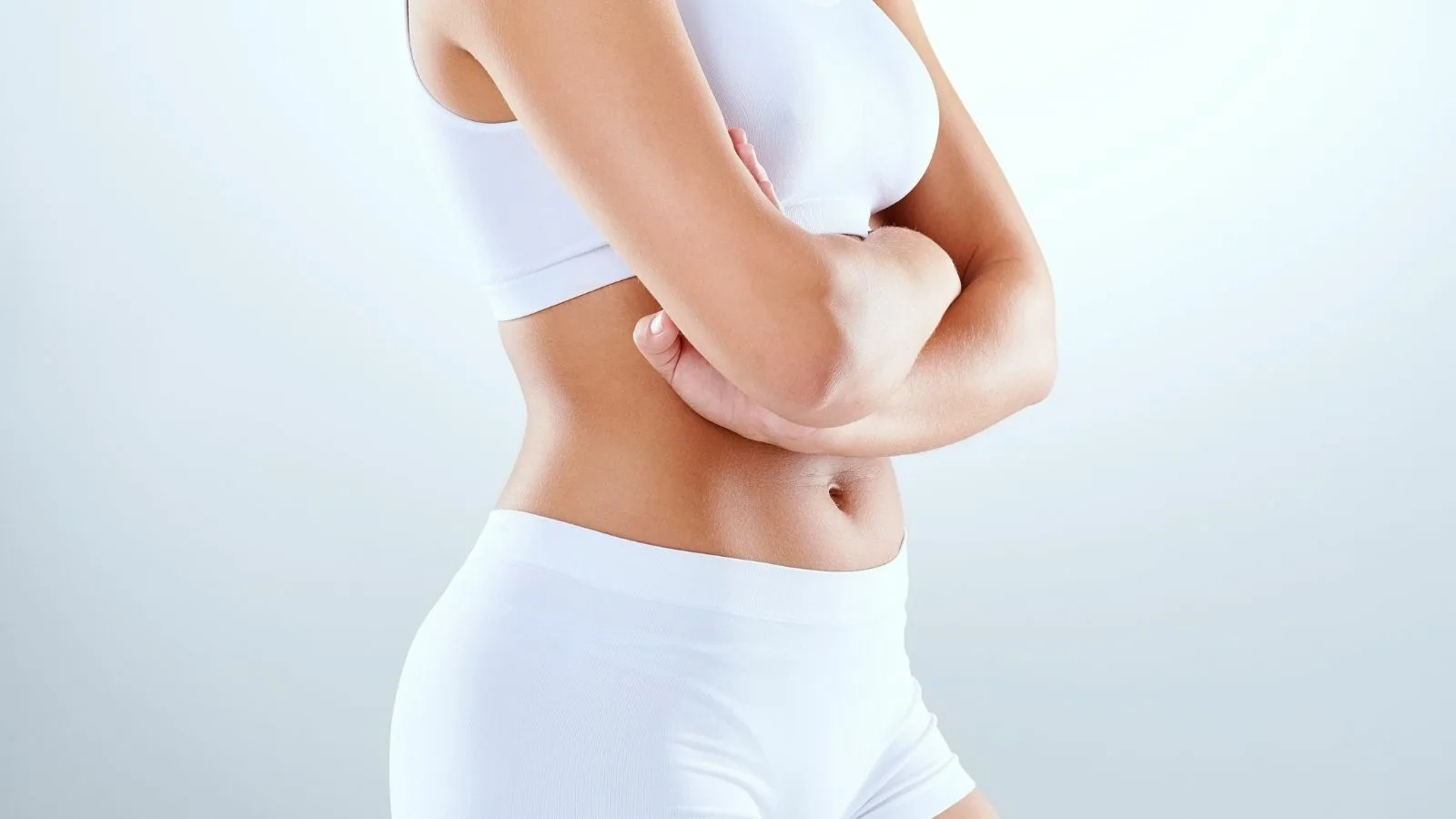
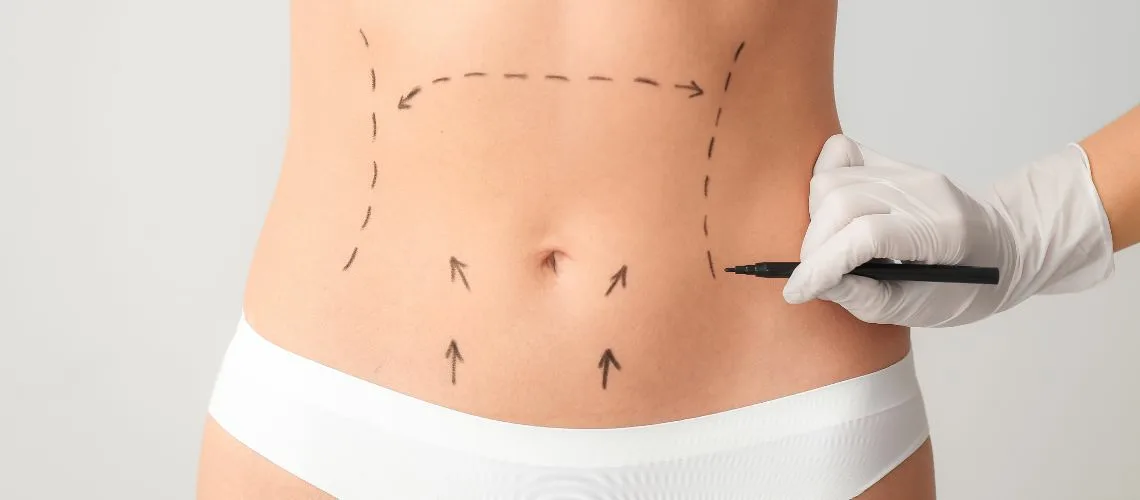
Revision abdominoplasty is a secondary surgical procedure in which the abdominal area is reshaped when the aesthetic, structural, or functional results obtained after a previous abdominoplasty do not meet expectations. This procedure is individually planned to correct asymmetries, insufficient tightening, or undesirable contour irregularities caused by the first operation. The primary goal is to give the body contours a smoother, more balanced, and natural appearance. By carefully restructuring the tissue dynamics of the anterior abdominal wall, this aesthetic intervention supports long-term body harmony and ideal proportions.
Why Might a Second Revision Abdominoplasty Be Needed?
Body contouring is not a static process but a highly dynamic one. After the first operation, the body’s cellular responses, the way tissues settle, and wound-healing capacity may vary greatly from person to person. Although patients are often satisfied with the initial result for a period of time, changes brought about by life may affect the body contours again. Significant weight fluctuations after surgery, a new pregnancy, or the natural loss of tissue elasticity with aging may gradually disrupt the previously tight and flat appearance.
In addition, decisions made during the first operation may not have been fully compatible with the patient’s anatomy. Insufficient tightening of the abdominal skin, inadequate repair of the internal muscles, or incision lines that were not planned in harmony with the body’s natural folds may eventually lead to asymmetry. In some cases, wound healing may also progress differently than expected because of genetic or environmental factors. Problems such as thickened scars, a sensation of tightness, or localized fat accumulation may create the need for a second intervention so that patients can feel more comfortable with their appearance. At this stage, revision surgery becomes a detailed reconstructive process aimed at restoring body integrity and aesthetic harmony.
Which Conditions Increase the Risks of Revision Abdominoplasty?
Secondary operations are performed on a physiological foundation that differs from that of primary surgery. In a previously operated area, the fine capillary network supplying the tissues may have changed, and lymphatic drainage pathways may have reorganized. Therefore, the patient’s general health directly affects both the surgical course and the quality of recovery. Before the operation, the medical history is carefully evaluated, and certain systemic conditions require special attention.
Some conditions that may increase the risk include:
- Obesity
- Uncontrolled diabetes
- Hypertension
- Heart disease
- Active tobacco use
- Blood clotting disorders
- Chronic respiratory diseases
Among these conditions, tobacco use is especially important because it reduces oxygenation at the cellular level and can significantly slow wound healing. Tissues undergoing a second surgical stress require abundant oxygen and healthy blood flow. Substances in tobacco products constrict the blood vessels and restrict this circulation. Similarly, elevated blood glucose levels may slow tissue regeneration and increase the risk of infection. Individuals with such conditions may benefit from consulting the relevant medical specialists before surgery and bringing their overall health to the most optimal level possible.
How Long Should Patients Wait After the First Operation Before Revision Abdominoplasty?
Recovery after surgery and the process of tissues reaching their final form require time. Patience is one of the most important factors when planning a secondary procedure. Following the first operation, swelling develops in the area, connective tissues remodel, and the body creates new scar tissue to repair the incision. During the early period, the area is firm, the vascular network is fragile, and the tissues remain in a delicate state.
Performing another operation during this sensitive period may damage the newly forming blood supply and compromise tissue nourishment. It is generally recommended to wait at least six to twelve months after the initial surgery so that the tissues can mature, firmness can soften, and swelling can largely resolve. During this time, the lymphatic drainage pathways reorganize, and the tissues gain the biological capacity to tolerate another surgical procedure. Although this waiting period may be difficult for patients, respecting the body’s natural healing timetable is essential for performing revision surgery on a healthier foundation.
How Should Patients Prepare Before Revision Abdominoplasty?
To help the surgical process progress more smoothly and make recovery more comfortable, patients are advised to use the preoperative preparation period effectively. Supporting general health is extremely important so that the body can adapt to the upcoming procedure. Stable body weight, blood values within the ideal range, and lifestyle changes that promote tissue regeneration create a stronger foundation for the postoperative period.
Some steps that may be taken during preoperative preparation include:
- Maintaining a stable weight
- Following a protein-rich diet
- Drinking plenty of water
- Taking regular light walks
- Checking vitamin levels
- Discontinuing tobacco products
Protein intake is particularly valuable before and after surgery because it provides the essential building blocks required for tissue repair. Maintaining proper hydration also supports uninterrupted cellular activity and helps preserve skin elasticity. If the patient has undergone major weight loss or bariatric treatment, the achieved weight should ideally remain stable for an extended period. This helps reduce the possibility of the tissues stretching or becoming loose again after surgery.
Which Problems Are Commonly Addressed During Revision Abdominoplasty?
The complexity of abdominal anatomy may lead to certain regional irregularities after the first surgery. These problems may involve not only the surface of the skin but also the subcutaneous fat tissue or the deeper muscle layers. Although every patient’s anatomy and complaints are different, similar structural changes are frequently encountered during clinical evaluations.
Common deformities requested to be corrected include:
- Dog-ear formations
- Abdominal muscle separation
- Asymmetrical scars
- Thickened scar tissue
- Umbilical deformities
- Localized fat deposits
One of the most common problems is skin folding at the junction of the groin and hip. Because the body’s three-dimensional rounded structure is closed with a two-dimensional incision line, excess skin may accumulate at the ends of the scar. Another important issue is muscle repair. The inner abdominal muscles, which may separate because of pregnancy or weight gain, can gradually loosen again even if they were tightened during the first operation. This may cause outward bulging of the abdomen and create the need for a secondary repair.
Which Techniques Are Used During Revision Abdominoplasty?
Because each patient’s anatomical needs and tissue quality are different, there is no single standard technique. The method selected for secondary surgery is individualized according to the location of excess skin, the condition of tissue circulation, and the position of previous scars. The chosen technique aims not only to improve the aesthetic result but also to preserve tissue viability.
Some surgical methods that may be preferred include:
- Standard incision technique
- Limited mini approach
- Reverse abdominoplasty
- Lipoabdominoplasty approach
- Combined vertical and horizontal incision
- Circumferential body lift
Among these techniques, methods designed to preserve tissue blood supply are especially important. Because the main vascular pathways may have been affected by previous surgery, creating narrow tunnels without completely separating the skin from the underlying tissues can help maintain circulation. Instead of cutting away fat tissue using conventional techniques, thinning it with suction-assisted devices may reduce the risk of healing complications. These approaches are intended to minimize tissue trauma and support a more comfortable recovery.
How Are Umbilical Problems Corrected with Revision Abdominoplasty?
The belly button is one of the focal points of abdominal aesthetics and has a major influence on the natural appearance of the abdomen. During the first operation, repositioning the navel or tightening the surrounding skin may cause it to shift into an anatomically unnatural position. Circular suture lines may also contract during healing, become narrowed, or lose their shape because of insufficient blood flow. These situations can create a noticeable visual imbalance.
Reconstructing this area during secondary surgery requires great precision. If the navel has completely lost its form or has become excessively narrow, surrounding healthy tissues may be used to create a new and natural-looking depression. This newly formed structure is fixed to the deeper connective tissues of the abdomen with specialized sutures to create natural depth. After the procedure, keeping the area clean and dry and reducing tension on the sutures play an important role in preserving the result.
Can Genital Aesthetic Procedures Be Performed Together with Revision Abdominoplasty?
Flattening and tightening the abdomen may sometimes make volume changes in adjacent anatomical areas more noticeable. The region located just above the groin and forming the upper part of the genital area may appear more prominent or sagging after the abdominal skin is tightened. Weight fluctuations, aging, or localized tension caused by previous cesarean scars can make these tissue differences more apparent.
In such cases, contouring the neighboring region in harmony with the rest of the body may be included in the surgical plan. If the problem consists only of excess fat, tissue-preserving thinning methods may be used to reduce volume. If significant skin laxity is also present, the skin may be tightened and gently lifted through carefully planned incisions. Avoiding excessive tension is critical for preserving the natural anatomy. The goal is to achieve a more balanced and harmonious transition between the abdominal and genital regions.
What Is the Hospital Stay Like After Revision Abdominoplasty?
After the operation, patients are kept under clinical observation for a certain period to ensure that the process is managed safely. Depending on the extent of surgery, this period may last several days. The main goals during the first days are to control pain, provide fluid support, and initiate early mobilization. Because prolonged immobility can slow circulation in the legs, patients are encouraged to stand with assistance and take short steps within the room from the first hours after surgery.
Compression stockings may be applied to support circulation, and treatments that help regulate blood flow may be administered under medical supervision. It is completely normal for patients to feel tightness when they stand for the first time. Because the body has not yet adapted to the new tension, patients are generally advised not to force themselves into a fully upright position during the first days and instead move gently at comfortable angles. This period of observation helps patients regain confidence in caring for themselves and enter the recovery phase more comfortably.
Which Steps Support Recovery After Revision Abdominoplasty?
A major part of the recovery process begins after patients return home. During this period, the body should be allowed to heal while stress on the tissues is minimized. The return to daily activities should be slow and gradual. Paying attention to many details, from sleeping position to nutrition, helps support the body’s repair process and improve the quality of recovery.
Important considerations during home recovery include:
- Walking slightly bent at the waist
- Sleeping with support beneath the head and knees
- Avoiding physically demanding activities
- Taking frequent short walks
- Using medications regularly
- Eating fiber-rich foods
To prevent excessive tension on the abdominal sutures, patients are advised to rest in a slightly flexed “V-shaped” position rather than lying completely flat during the first weeks. Consuming fiber-rich foods and plenty of water also helps regulate bowel movements, reducing internal abdominal pressure and improving comfort around the healing area. Heavy lifting and movements that directly strain the abdominal muscles should be avoided for an extended period because they may negatively affect the internal repair.
Why Is Compression Garment Use Important During Recovery from Revision Abdominoplasty?
Special medical garments worn around the abdomen after surgery are much more than ordinary clothing. These firm and supportive garments are among the most important tools used during recovery. Because the skin is partially or completely separated from the underlying tissues and then reshaped during surgery, the two layers need to adhere smoothly without leaving empty spaces. If a gap remains between the tissues, the body may fill it with fluid.
Compression garments apply gentle but constant external pressure, helping swelling leave the body more quickly. They also support the abdominal muscles while the patient moves, coughs, or laughs, thereby protecting the internal sutures from mechanical stress. Depending on the patient’s anatomy and the speed of tissue recovery, these garments may need to be worn regularly for several weeks or, in some cases, several months. This continuous support helps the body contours settle more smoothly and allows the tissues to adapt to their new shape.
How Should Revision Abdominoplasty Scars Be Cared For?
During secondary operations, previous incision lines are revised and recreated. The natural response of human skin to a surgical incision is to repair the area with connective tissue. During the first months, scars may appear prominent, slightly raised, or pink. This is a natural sign that the tissue is actively repairing the area. As time passes, cellular activity gradually slows, and the scars begin to fade toward the surrounding skin tone and become thinner.
Supporting the scar during this long healing process may improve its final appearance. The aim is to preserve moisture and create a suitable environment for cellular renewal.
Recommended methods for improving scar appearance include:
- Medical silicone gels
- Moisture-retaining silicone sheets
- Sunscreen creams
- Skin-nourishing oils
Sun exposure during the maturation phase may cause the pigments in the scar to darken permanently. For this reason, healing tissues should be protected from direct sunlight and tanning beds for an extended period. Scar maturation and the final appearance may take more than a year, so patience and consistency are essential throughout the care process.
How Should Pregnancy Be Managed After Revision Abdominoplasty?
One of the issues patients frequently wonder about after secondary surgery is fertility and future pregnancy. Anatomically, repairing the abdominal muscles or tightening the skin does not prevent the patient from carrying a baby, allowing the uterus to expand, or giving birth naturally. The body has the flexibility and biological capacity to adapt to increasing volume.
However, from an aesthetic perspective, the major hormonal changes and volume expansion that occur during pregnancy may loosen the surgically tightened tissues again. The repaired muscle layer may stretch and separate as the baby grows. For this reason, body contouring procedures are generally recommended after family planning has been completed. If a planned or unplanned pregnancy occurs after surgery, it can still be completed safely. Once several months have passed after delivery and the tissues have regained their balance, the abdomen can be reevaluated if necessary.
What Should Be Done to Preserve the Results of Revision Abdominoplasty?
Although surgery provides a powerful starting point for reshaping the body, maintaining the result for many years is directly related to the patient’s lifestyle. The body is a living, changing structure that responds continuously to internal and external factors. Returning to unhealthy habits, adopting a highly sedentary lifestyle, or neglecting nutrition may gradually reduce the benefits achieved through surgery.
Maintaining body shape over the long term requires discipline and respect for the body. Turning healthy choices into a permanent lifestyle is one of the strongest ways to support the results of aesthetic surgery.
Habits that may be integrated into daily life to support the result include:
- Maintaining regular physical activity
- Practicing portion control
- Keeping body weight stable
- Avoiding sugary foods
- Following a regular sleep routine
Repeated weight fluctuations strain the skin’s elastic fibers and contribute to loss of elasticity. To prevent this, patients should aim to remain close to their target weight. Regular walking, swimming, or stretching exercises that support the muscles increase oxygen delivery to the tissues and improve overall posture. When the new body contour achieved through surgery is combined with healthy and balanced lifestyle habits, the result becomes far more sustainable and satisfying.
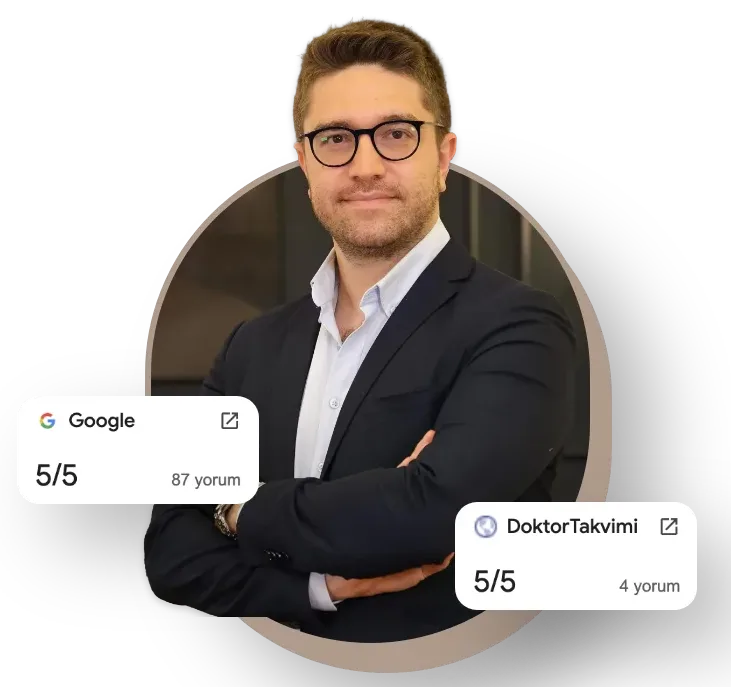
Op. Dr. Erman Ak is an internationally experienced specialist known for facial, breast, and body contouring surgeries in the field of aesthetic surgery. With his natural result–oriented surgical philosophy, modern techniques, and artistic vision, he is among the leading names in aesthetic surgery in Türkiye. A graduate of Hacettepe University Faculty of Medicine, Dr. Ak completed his residency at the Istanbul University Çapa Faculty of Medicine, Department of Plastic, Reconstructive and Aesthetic Surgery.
During his training, he received advanced microsurgery education from Prof. Dr. Fu Chan Wei at the Taiwan Chang Gung Memorial Hospital and was awarded the European Aesthetic Plastic Surgery Qualification by the European Board of Plastic Surgery (EBOPRAS). He also conducted advanced studies on facial and breast aesthetics as an ISAPS fellow at the Villa Bella Clinic (Italy) with Prof. Dr. Giovanni and Chiara Botti.
Op. Dr. Erman Ak approaches aesthetic surgery as a personalized art, tailoring each patient’s treatment according to facial proportions, skin structure, and natural aesthetic harmony. His expertise includes deep-plane face and neck lift, lip lift, buccal fat removal (bichectomy), breast augmentation and lifting, abdominoplasty, liposuction, BBL, and mommy makeover. He currently provides safe, natural, and holistic aesthetic treatments using modern techniques in his private clinic in Istanbul.