Türkçe
Patients’ reviews of forehead lift surgery reveal that the procedure instantly eliminates the tired and stern facial expression, giving the face a much fresher appearance. Individuals who share their experiences frequently emphasize their satisfaction with the natural elevation of the eyebrows and the relief of heaviness over the upper eyelids. The comfort provided by the endoscopic technique during recovery, the hidden incision scars, and the rapid return to social life are consistently among the highest-rated aspects in patient feedback. Most patients report that the temporary numbness period was easy to overcome and that the brighter facial expression they achieved significantly improved their confidence in social settings.
What Are the Most Common Complaints Mentioned in Reviews by Patients Who Have Undergone Forehead Lift Surgery?
Before seeking clinical treatment, many individuals experience considerable emotional distress. Looking in the mirror and seeing deep forehead creases and sagging in the upper face can significantly affect social interactions. Being repeatedly asked whether they are tired, upset, or angry—even when feeling perfectly fine—creates a psychological burden. Over time, this invisible weight may lead people to withdraw socially and lose self-confidence. Years of repetitive facial expressions combined with reduced skin elasticity create changes that affect not only appearance but also overall quality of life. As the forehead skin and eyebrows gradually descend due to gravity, excess tissue accumulates over the upper eyelids. In advanced cases, simply keeping the eyes open while reading or watching television by the end of the day may require physical effort. This decline in both appearance and visual comfort becomes one of the strongest motivations for seeking treatment.
The most frequently reported preoperative concerns include:
- Tired facial appearance
- Unintentionally angry expression
- Social withdrawal
- Loss of self-confidence
- Upper eyelid heaviness
- Reduced visual field
- Difficulty applying makeup
What Do Patient Reviews Tell Us About the Endoscopic Forehead Lift Technique?
The introduction of endoscopic techniques has dramatically improved postoperative comfort. One of the greatest concerns surrounding aesthetic surgery has always been the possibility of visible scars. Thanks to tiny incisions hidden within the hair-bearing scalp and the use of miniature camera systems, this concern has largely disappeared. Specialized instruments allow surgeons to release tissues through minimal access without creating extensive surgical trauma. Patient experiences consistently indicate that these nearly invisible incisions hidden within the hairline contribute significantly to psychological comfort after surgery. High-definition visualization of nerves and blood vessels also helps preserve delicate structures while minimizing bleeding and swelling. As a result, the body’s recovery requires considerably less energy, allowing healing to progress remarkably quickly. Seeing noticeable rejuvenation in the mirror within only a few days is often described as one of the greatest benefits of this modern technology.
The primary advantages of the endoscopic technique include:
- Hidden incision scars
- Rapid tissue recovery
- Minimal swelling
- Reduced bruising
- Natural overall appearance
- Better nerve preservation
- Highly comfortable recovery
How Do Reviews Differ Among Patients Who Underwent a Traditional Forehead Lift?
Despite advances in minimally invasive techniques, every patient’s anatomy and needs remain unique. In cases involving advanced skin laxity, significant tissue sagging, or substantial excess skin, traditional forehead lift surgery continues to provide the most effective and long-lasting solution. This approach involves a larger incision placed behind or within the hairline. According to patient experiences, individuals who require the traditional technique are generally very satisfied with the dramatic and lasting rejuvenation they achieve. By removing substantial excess skin, this procedure can effectively erase many visible signs of aging in a single operation.
However, achieving such dramatic improvement requires allowing the body more time to heal. Slight changes in the hairline position and prolonged tightness of the scalp are among the most commonly discussed aspects of recovery. Patients frequently emphasize that focusing on the excellent long-term outcome and trusting the body’s natural healing ability makes the recovery period much easier. Intensive moisturization, gentle massage, and adequate rest further improve comfort throughout the healing process.
What Details Do Patient Reviews Share About the First Few Days After Forehead Lift Surgery?
The first few days following surgery represent the most delicate phase of healing, during which the body adapts to its new condition. The initial seventy-two hours are typically characterized by the most noticeable physical changes while also being the period during which patients seek the greatest emotional reassurance. One of the biggest preoperative concerns—severe pain—usually proves to be far less significant than expected. Most patients describe experiencing more of a feeling of pressure from the surgical dressings than actual pain. This period is generally well managed with standard pain medication. The primary focus during recovery becomes managing swelling in the upper face, which may gradually extend toward the eyes. Although this temporary appearance can be surprising, it is a completely normal part of healing. Keeping the head elevated above heart level and applying cold compresses at regular intervals significantly improve comfort. Successfully managing these first few days plays a crucial role in overall recovery.
Common physical experiences during the first seventy-two hours include:
- Pressure from head dressings
- Swelling around the eyes
- Heaviness in the upper face
- Mild discomfort
- Bruising extending toward the cheeks
- Difficulty finding a comfortable sleeping position
- Temporary facial asymmetry
How Do Patients Describe the Sensations Experienced During Recovery?
Although visible bruising and swelling gradually disappear, a remarkable healing process continues beneath the skin. One of the most frequently described experiences involves unusual sensory changes that may persist for several weeks or even months. Patients often report that touching the forehead or scalp initially feels as though they are touching someone else’s skin. This temporary numbness is a completely normal protective response while tiny nerve fibers recover and adapt to their new positions.
As nerve regeneration progresses, sensations gradually return in the form of tingling, mild discomfort, and occasional itching of the scalp. These sensations are actually positive signs that healing is progressing successfully. Although temporary numbness may initially feel unusual, understanding that it represents a normal stage of recovery helps patients remain calm. The gradual restoration of normal nerve function demonstrates the remarkable regenerative capacity of the human body. Approaching this period with patience and confidence also supports emotional recovery.
What Do Patient Reviews Say About Returning to Social Life?
After the challenging first few days, most patients report returning to their normal routines more quickly than expected. By the end of the first postoperative week, many individuals feel ready to resume social activities. Being able to gently wash the hair after several days often provides tremendous psychological relief. Once the small dressings are removed, any remaining yellow discoloration or subtle bruising can usually be concealed easily with everyday makeup. At this stage, very few people can recognize that surgery has been performed. Friends, colleagues, and family members typically notice only a fresher, more energetic appearance. Receiving compliments during this period provides a significant emotional boost that many patients believe positively influences their overall recovery.
Common milestones during the return to social life include:
- Gentle hair washing
- Light facial makeup
- Using concealer to cover minor discoloration
- Light walking
- Returning to desk work
- Short social gatherings
- Wearing sunglasses outdoors
How Is Concern About Facial Expression Discussed in Patient Reviews?
One of the greatest fears before cosmetic surgery is losing natural facial expression and developing an artificial appearance. Older surgical techniques sometimes produced overly surprised, frozen, or expressionless faces, leaving many people understandably concerned. However, according to contemporary patient experiences and modern anatomical approaches, these fears are now largely unfounded.
A properly planned forehead lift does not aim to create a standardized appearance or excessively elevate the eyebrows. Instead, its goal is to restore the tissues to their youthful position and recreate the patient’s own natural appearance from many years earlier. Preserving natural facial expressions, maintaining free movement of facial muscles, and respecting each person’s unique facial harmony remain the primary objectives. Naturally elevated eyebrows restore brightness, depth, and vitality to the eyes rather than creating an artificial look. Many patients describe their greatest satisfaction as seeing a younger version of themselves rather than an unfamiliar face.
What Do Patient Reviews Reveal About Potential Complications?
Since every individual’s anatomy is unique, recovery progresses differently from one patient to another. Even with meticulous surgical technique, minor temporary challenges are considered a normal part of healing. Among the most frequently mentioned issues is uneven swelling between the two sides of the face, occasionally creating slight eyebrow asymmetry during the early recovery period. Temporary hair shedding around incision sites may also occur as the body redirects its energy toward healing. These changes represent normal, temporary responses while the body adapts to its new condition. Clear communication and realistic expectations are consistently described as the key to reducing anxiety during recovery.
Temporary postoperative changes mentioned by patients include:
- Slight eyebrow asymmetry
- Temporary hair loss near incision sites
- Swelling resolving at different rates
- Localized skin dryness
- Tissue sensitivity
- Mild tightness
- Gradual return of sensation
How Do Patient Reviews Reflect Long-Term Satisfaction?
Once the healing process is complete and the body has fully adapted, patients often describe the final result as truly rewarding. Between the third and sixth postoperative months, tissues have generally settled into their new positions, residual swelling has resolved, and the refined facial proportions become fully visible. At this stage, one of the most frequently repeated comments is that undergoing the procedure was among the best decisions they have ever made.
The smoothing of deep forehead lines, the relief of upper eyelid heaviness, and the renewed brightness of the eyes represent much more than temporary cosmetic improvement—they contribute to lasting enhancement of quality of life. Although natural aging continues, the structural improvements achieved through surgery provide a long-lasting foundation. Even years later, patients often continue to enjoy a refreshed and energetic appearance compared with others of the same age.
How Do Patient Reviews Describe the Psychological Benefits?
The true success of cosmetic surgery extends beyond physical transformation and is reflected in its emotional impact. Replacing a chronically tired appearance with a bright and refreshed expression often transforms how patients perceive themselves. Patient feedback consistently shows improvements not only in appearance but also in overall enthusiasm for life. Individuals who previously avoided photographs or social situations frequently report becoming much more comfortable being in front of the camera and participating in social activities. As long-standing insecurities gradually disappear, they are replaced by renewed confidence and enjoyment of everyday life. Emotional rejuvenation often proves to be even more meaningful than the physical changes themselves.
Common psychological improvements include:
- Increased self-confidence
- Greater desire to socialize
- Improved self-esteem
- Feeling comfortable smiling in photographs
- Renewed interest in personal style
- More positive mood
- Greater confidence in social interactions
What Advice Do Patients Give About Preparing for Forehead Lift Surgery?
A successful recovery begins with proper physical and mental preparation. Patients consistently emphasize the importance of making simple but practical arrangements before surgery. Preparing button-up clothing instead of garments that must be pulled over the head greatly simplifies dressing during the early recovery period. Additional pillows to keep the head elevated make the first nights significantly more comfortable. Discontinuing habits that impair circulation several weeks before surgery and supporting the immune system with a healthy diet rich in fruits and vegetables help optimize healing. Careful preparation before surgery has a direct positive effect on recovery.
Frequently recommended preparations include:
- Preparing button-up clothing
- Arranging multiple pillows for sleeping
- Stopping habits that impair circulation
- Consuming vitamins that support tissue healing
- Keeping cold gel packs available at home
- Preparing nutritious soft meals
- Creating a calm, stress-free home environment
What Criteria Do Patient Reviews Highlight When Choosing a Surgeon?
Selecting the surgeon who will guide this highly personal transformation is one of the most important decisions in the entire process. Reviews consistently show that excellent outcomes are built not only on surgical expertise but also on trust, communication, and compassion. Patients value surgeons who understand their concerns just as much as those with exceptional technical skills. Honest communication during consultations, realistic discussion of expectations, and transparent explanations of every stage of treatment help patients feel secure throughout the journey. Ongoing postoperative follow-up, calm management of unexpected situations, and continued support further contribute to a smooth recovery. Cosmetic surgery is an art, but its true canvas is the human spirit, and treating that spirit with empathy is often regarded as the greatest mark of professional excellence.
Important qualities patients recommend when selecting a surgeon include:
- Honest and transparent communication
- Strong empathy
- Realistic expectations
- Careful listening skills
- Accessible postoperative follow-up
- Effective management of unexpected situations
- Mastery of modern surgical techniques
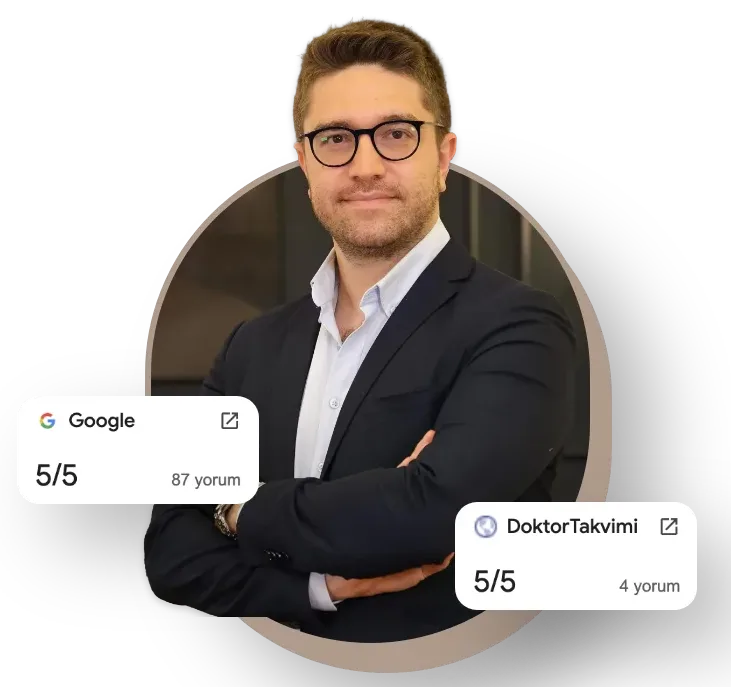
Op. Dr. Erman Ak is an internationally experienced specialist known for facial, breast, and body contouring surgeries in the field of aesthetic surgery. With his natural result–oriented surgical philosophy, modern techniques, and artistic vision, he is among the leading names in aesthetic surgery in Türkiye. A graduate of Hacettepe University Faculty of Medicine, Dr. Ak completed his residency at the Istanbul University Çapa Faculty of Medicine, Department of Plastic, Reconstructive and Aesthetic Surgery.
During his training, he received advanced microsurgery education from Prof. Dr. Fu Chan Wei at the Taiwan Chang Gung Memorial Hospital and was awarded the European Aesthetic Plastic Surgery Qualification by the European Board of Plastic Surgery (EBOPRAS). He also conducted advanced studies on facial and breast aesthetics as an ISAPS fellow at the Villa Bella Clinic (Italy) with Prof. Dr. Giovanni and Chiara Botti.
Op. Dr. Erman Ak approaches aesthetic surgery as a personalized art, tailoring each patient’s treatment according to facial proportions, skin structure, and natural aesthetic harmony. His expertise includes deep-plane face and neck lift, lip lift, buccal fat removal (bichectomy), breast augmentation and lifting, abdominoplasty, liposuction, BBL, and mommy makeover. He currently provides safe, natural, and holistic aesthetic treatments using modern techniques in his private clinic in Istanbul.