Türkçe
Türkiye’s global success in aesthetic surgery stems from demanding specialist training standards in medical education, extensive clinical experience based on diverse cases, and the pioneering application of modern surgical techniques. The reason physicians performing forehead lift surgery in Türkiye are regarded among the best lies in their ability to combine flawless analysis of surgical anatomy with advanced technological equipment. This disciplined training model and continuous academic development have transformed Türkiye into a worldwide reference center for facial rejuvenation procedures. Aesthetic surgery specialists reinforce their leadership in the field by offering patients not merely a procedure but a natural and balanced transformation process that preserves the golden ratio of the face.
What Challenging Training Do Forehead Lift Doctors in Türkiye Undergo?
At the very beginning of this deeply rooted success story lies an extremely demanding and detailed training process completed by physicians. After graduating from medical school, doctors face a highly challenging specialist examination. Those who successfully complete this examination begin years of training in aesthetic and reconstructive surgery. This process is a long-term marathon requiring great dedication and professional commitment. The aim is to understand human anatomy in three dimensions and comprehend tissue healing processes at the cellular level.
Some of the fields in which physicians gain knowledge during their training include:
- General surgery
- Otorhinolaryngology
- Orthopedics
- Neurosurgery
- Pathology
- Anesthesiology
This broad perspective gained across different specialties helps physicians make calmer and more accurate decisions in complex situations they may encounter in the future. Evaluating the human body as a whole supports safer steps during surgical procedures.
Which National Examinations Determine Quality in Forehead Lift Expertise?
Just as the training process must be carried out meticulously, it is also highly important for this process to be supervised by independent boards. Plastic surgeons in our country complete various national competency stages to maintain consistently high professional standards. The Turkish Society of Plastic, Reconstructive and Aesthetic Surgery is one of the important institutions that evaluates both training programs and specialists at regular intervals. This system aims to ensure that the latest developments in medicine are followed closely.
The competency examinations through which specialist physicians demonstrate their professional development are highly detailed. The theoretical stage assesses comprehensive knowledge such as the fundamental principles of surgery and tissue behavior. During the practical stages, physicians’ analytical thinking and surgical planning abilities are observed.
Some of the subjects emphasized in the examinations include:
- Case analyses
- Anatomical knowledge
- Communication skills
- Safety protocols
- Surgical planning
These stages support physicians in keeping their knowledge up to date and help make the process more comfortable for patients.
Why Is Türkiye’s Success in Forehead Lift Surgery Considered an International Reference?
The expertise possessed by physicians trained in our country is also frequently recognized within the international medical community. When global medical databases are examined, the steady increase in the number of scientific articles and clinical studies originating from Türkiye can be easily observed. These valuable studies provide important data for improving existing surgical techniques and making recovery processes more comfortable. Academic connections established with physicians from different cultures continue to broaden the scientific vision each day.
The performance of our physicians in examinations organized by prestigious institutions such as the European Board of Qualification reflects the quality of their training. Many colleagues from different countries visit reference centers in Türkiye to observe new approaches. These clinical experiences shared at international congresses contribute to the universal development of aesthetic surgery and make our country a highly popular destination in this field.
How Does Upper Facial Aging Develop and Create the Need for a Forehead Lift?
As the years pass, the face enters a natural process of change under the influence of numerous environmental and genetic factors. The upper face and forehead are among the areas where these changes are generally noticed earliest and where they affect expression most strongly. The mismatch between the age a person feels and the age they appear to be when looking in the mirror may be frustrating for many people. The gradual weakening of the collagen structure beneath the skin creates the conditions for tissues to lose their former firmness.
Some factors that accelerate signs of aging include:
- Gravity
- Sunlight
- Facial expressions
- Aging
- Genetic structure
Frequently repeated expressions such as concentrating, being surprised, or becoming angry particularly encourage horizontal and vertical lines to settle into the forehead. As tissue support decreases, the eyebrows may descend and create a tired appearance. This accumulation may also affect the eyelids, giving the person a sadder expression than they actually feel.
Why Is Endoscopic Forehead Lift Technology Frequently Preferred?
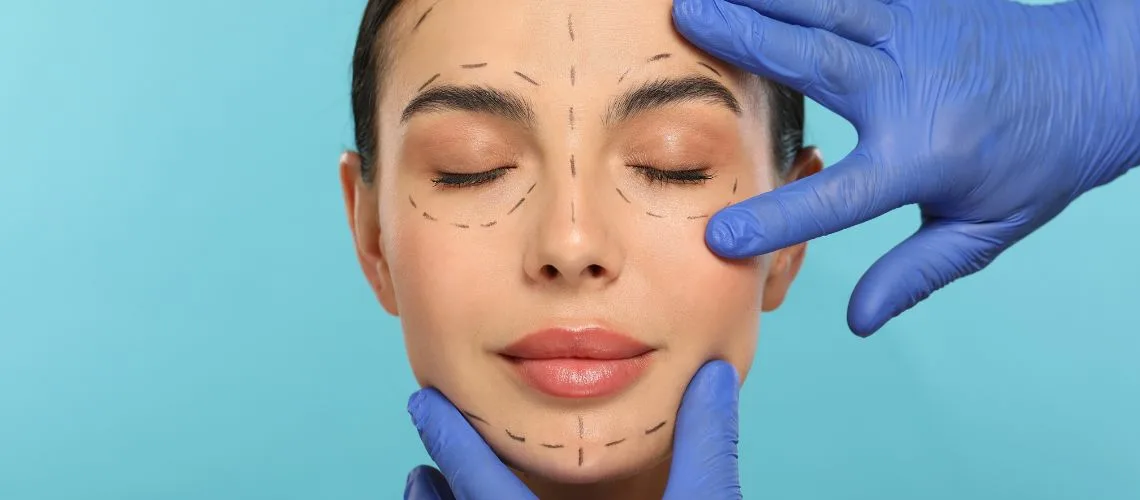
Thanks to advances in medical technology, more minimal approaches have begun to replace traditional long incisions. Endoscopic methods have emerged as one of the greatest improvements in comfort achieved in this field in recent years. This method is frequently considered particularly for individuals whose foreheads are not excessively wide and who show early or moderate signs of aging.
The procedure is performed through several very small incisions concealed within the hair-bearing scalp. The high-technology cameras used help move the operation into a highly secure surgical plane. Cameras inserted through these fine incisions magnify the tissues beneath the skin and display them on monitors. This allows important tissues and nerves in the area to be identified more easily and preserved as much as possible. By aiming to cause less tissue damage, this approach greatly helps patients return to their social lives much earlier after surgery.
What Contributions Have Turkish Surgeons Made to Endoscopic Forehead Lift Fixation Methods?
Releasing tissues and moving them upward is only one aspect of the procedure; the truly critical point is ensuring that these tissues remain securely in their new positions. This stage, called fixation, is extremely important for preserving the result over the long term. During the period required for the tissues to adapt to their new positions, these fixation systems play a major role.
Experienced physicians in our country have made important contributions to the medical world by introducing various clinical improvements to these fixation procedures. Instead of techniques that once required many more incisions and materials, more practical and effective suture methods can now be used. Rather than suspending tissues from a single point, it is possible to distribute support evenly across a wider area using absorbable support materials. This helps reduce disproportionate tension on the tissues and aims to create a much more natural eyebrow arch when viewed externally.
Which Forehead Lift Methods Stand Out for People With Wide Foreheads?
In aesthetic procedures, no single technique can be expected to suit every facial structure. For example, in individuals with structurally wide foreheads or receding hairlines, endoscopic methods that lift tissues upward may make the forehead appear even wider. In such cases, different strategies aimed at preserving facial proportions should be adopted. Maintaining the golden ratio of the face should always be one of the primary aesthetic goals of these procedures.
For individuals with these facial characteristics, specialized procedures performed directly through the hairline may be preferred. In this approach, a carefully planned zigzag incision is made along the beginning of the hairline. Excess forehead skin is then gently removed, allowing both the sagging tissues to be tightened and the forehead height to be reduced slightly. As the zigzag incision heals, hair strands grow through the scar, helping make the incision line less noticeable.
How Are Forehead Lift and Tissue Expansion Procedures Applied in Challenging Cases?
In very rare cases, the forehead is so wide that removing even a limited amount of skin may create excessive tension in the tissues. In these specialized situations, a more patient and staged treatment plan may be necessary. The method known as tissue expansion provides a highly valuable solution for such cases. The patient’s ability to follow the process in harmony with the physician may directly affect the quality of the result.
This process is generally carried out in two separate stages. In the first stage, a temporary silicone balloon is placed immediately beneath the scalp. Over the following weeks, this balloon is gradually inflated with special fluids at specific intervals. This supports the scalp in stretching by generating new cells. Once adequate expansion has been achieved, the balloon is removed during the second stage, and the newly loosened skin is advanced forward to safely reduce the width of the forehead.
In Which Cases Does the Classic Coronal Forehead Lift Remain Relevant?
Despite the widespread use of minimal-incision methods, the classic coronal approach, one of the foundational techniques in medicine, may still be the most suitable option for certain individuals. This established technique is particularly useful in patients with very advanced skin sagging, deep wrinkles, and severe muscle laxity.
During the procedure, a wider incision is made through the scalp, extending almost like a crown. This broad access allows the surgeon to reshape the forehead tissues comprehensively. It enables the muscle structures to be repaired more easily and the tension to be balanced. Although the recovery period may take a few days longer than with other methods, the results are generally expected to be long-lasting and satisfying. Since the incision remains within the hair-bearing scalp, efforts are made to prevent a noticeable scar from developing.
How Are Temple Aesthetic Procedures and Eyelid Surgery Combined With a Forehead Lift?
Aging is a comprehensive process that affects the entire face. While sagging develops in the forehead, tissue accumulation on the eyelids and descent in the temple area may occur at the same time. Focusing on only one region may not achieve overall youthful harmony across the face. Combining procedures helps eliminate the impression that different parts of the face are aging at different rates.
To achieve a comprehensive appearance, physicians often consider combining different procedures within the same surgical session. If the individual has drooping only at the outer ends of the eyebrows, a temple lift may be added through small interventions made within the scalp. If eyelid bags are present, eyelid surgery may also be performed during the same operation. These combined procedures allow the patient to experience the stress of only one surgery while helping reduce the tired facial expression in a more harmonious and balanced manner.
What Is Expected During the Recovery Process After Forehead Lift Surgery?
As with any surgical intervention, it is very important for the patient to allow the body sufficient time to rest after this procedure. Although recovery requires patience, it is generally completed quite comfortably when the physician’s recommendations are followed. At the end of the surgery, soft dressings are applied to the head to keep the tissues secure and limit possible swelling.
Patients are expected to pay attention to the following during recovery:
- Adequate rest
- Keeping the head elevated
- Applying cold compresses
- Avoiding sudden movements
- Taking proper care of dressings
Keeping the head slightly elevated during the first few days helps swelling decrease more quickly. The dressings are generally removed within several days, after which patients begin to move more comfortably. By the end of one to two weeks, many people are able to return to their daily tasks or normal social lives.
How Is the Natural Appearance Achieved After a Forehead Lift Supported?
Although surgical methods restore anatomical structures of the face to a fresher state, the natural progression of time naturally continues. Long-term postoperative care is important for preserving the rested and energetic expression for as long as possible. Not only the surgical intervention itself but also the care that follows is an inseparable part of the aesthetic journey.
Especially during the first months, avoiding direct sunlight and staying away from activities that may strain the skin are recommended. After healing is complete, medical aesthetic treatments such as botulinum toxin may be used to slow the process through which muscle movements begin to wear down the skin again. Vitamin support, moisturizing medical care, or suitable skincare routines may help improve skin quality. These supportive steps, planned through regular consultations with the physician, can make an important contribution to preserving the refreshed appearance provided by the surgery for many years.
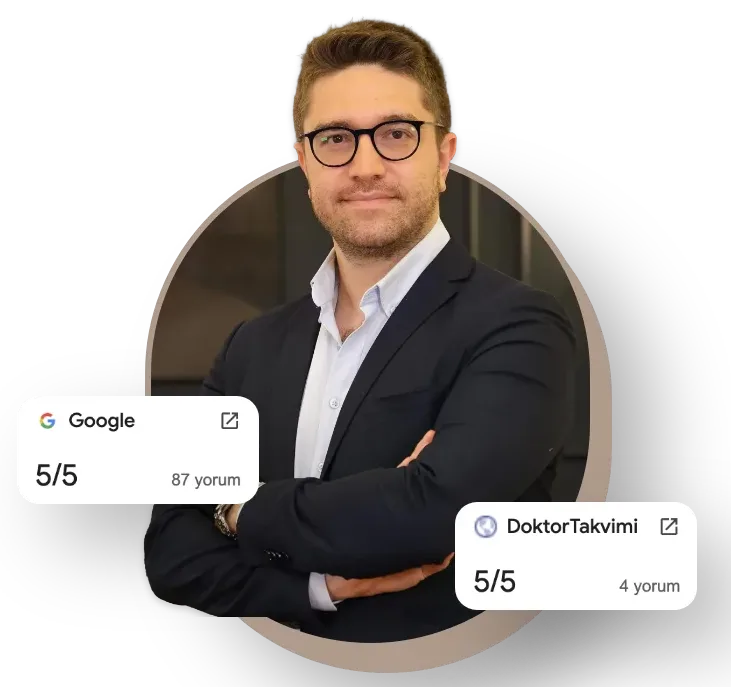
Op. Dr. Erman Ak is an internationally experienced specialist known for facial, breast, and body contouring surgeries in the field of aesthetic surgery. With his natural result–oriented surgical philosophy, modern techniques, and artistic vision, he is among the leading names in aesthetic surgery in Türkiye. A graduate of Hacettepe University Faculty of Medicine, Dr. Ak completed his residency at the Istanbul University Çapa Faculty of Medicine, Department of Plastic, Reconstructive and Aesthetic Surgery.
During his training, he received advanced microsurgery education from Prof. Dr. Fu Chan Wei at the Taiwan Chang Gung Memorial Hospital and was awarded the European Aesthetic Plastic Surgery Qualification by the European Board of Plastic Surgery (EBOPRAS). He also conducted advanced studies on facial and breast aesthetics as an ISAPS fellow at the Villa Bella Clinic (Italy) with Prof. Dr. Giovanni and Chiara Botti.
Op. Dr. Erman Ak approaches aesthetic surgery as a personalized art, tailoring each patient’s treatment according to facial proportions, skin structure, and natural aesthetic harmony. His expertise includes deep-plane face and neck lift, lip lift, buccal fat removal (bichectomy), breast augmentation and lifting, abdominoplasty, liposuction, BBL, and mommy makeover. He currently provides safe, natural, and holistic aesthetic treatments using modern techniques in his private clinic in Istanbul.