Türkçe
The most popular aesthetic surgeries by age are surgical procedures shaped according to individuals’ changing aesthetic needs and anatomical differences depending on their stage of life. Aesthetic surgery preferences vary significantly across different age groups in line with skin elasticity, facial structure, signs of aging, and social expectations.
Among the aesthetic surgeries most commonly preferred in the 20s and 30s are rhinoplasty, breast augmentation, and minimal facial contouring procedures. In this age group, procedures generally focus on improving facial and body proportions, balancing congenital structural features, and achieving aesthetic symmetry.
Aesthetic operations preferred in the 40s mostly include procedures aimed at reducing signs of aging. Eyelid surgery, facelift, neck lift, and fat injections are frequently performed during this period. The aim is to reduce skin sagging, define facial contours, and achieve a more dynamic appearance.
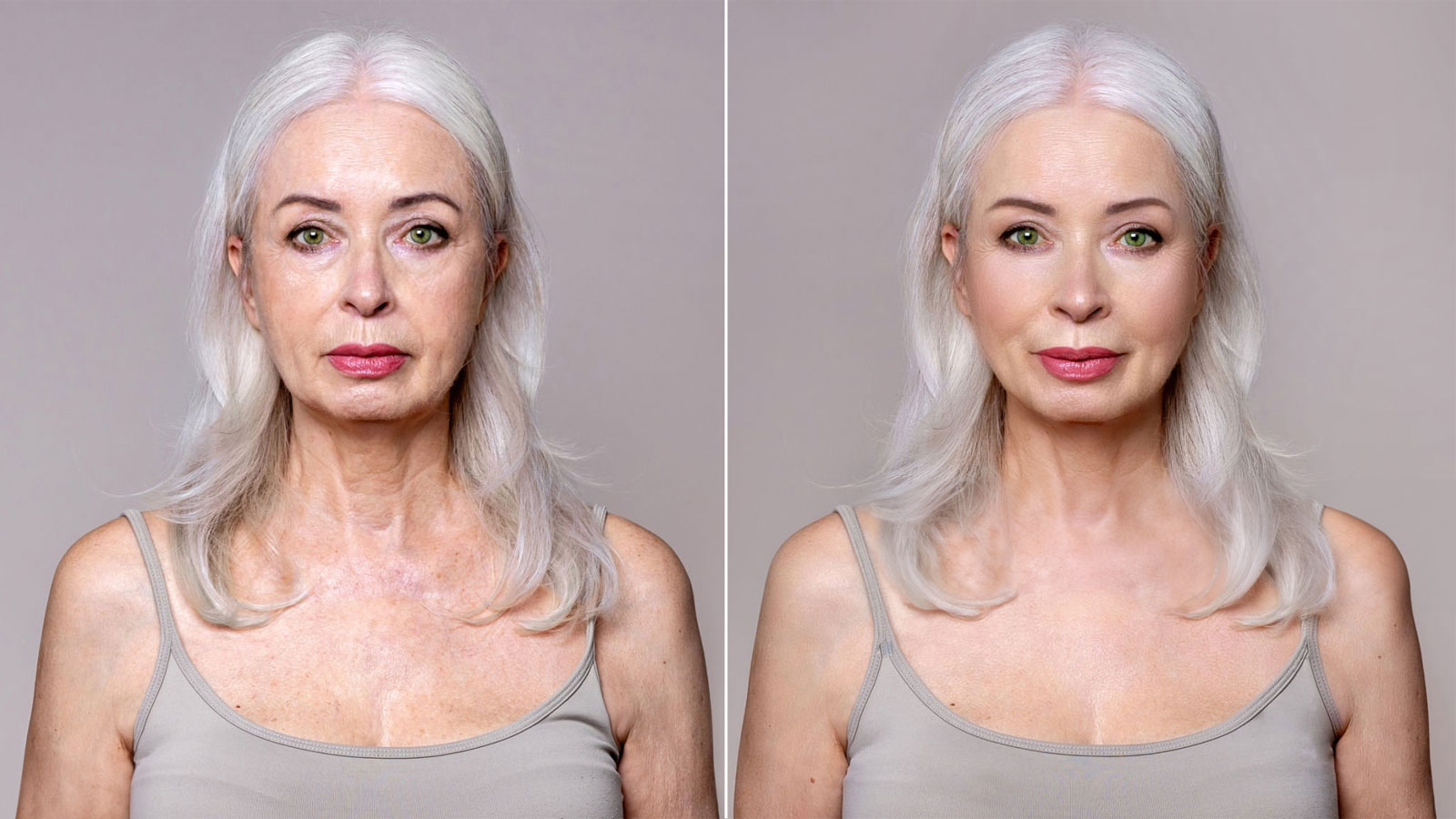
Aesthetic surgery preferences among individuals aged 50 and over generally include comprehensive facial rejuvenation procedures. Deep plane facelift, neck lift, brow lift, and combined surgical procedures are common in this age group. These procedures aim to correct the increasing tissue laxity and loss of elasticity associated with advancing age.
What Are the Most Popular Aesthetic Surgeries by Age Worldwide, and How Are Trends Changing?

Interest in aesthetic surgery worldwide has increased at an unprecedented rate in recent years. People’s approaches to their physical appearance are changing, and aesthetic operations are no longer regarded as a luxury or something that should be hidden, but rather as a natural extension of personal care and well-being. In particular, the integration of digital communication tools into the center of our lives has significantly increased people’s awareness of their own facial and body contours. Thanks to advancing technology, shorter recovery periods and the ability to achieve much more natural results have largely overcome the fear of surgery.
Statistics show that demand for aesthetic operations has grown at remarkable rates within just a few years. One of the main factors behind this increase is that surgical techniques can now provide clear solutions to the specific expectations of every age group. While women continue to maintain their prominence in the field of aesthetic surgery, there has also been a noticeable increase in men’s interest in this area. Male patients generally seek surgical solutions to appear energetic and vigorous in the competitive business environment and to correct structural or genetic deformities. The procedures preferred by patients show very distinct differences according to their biological age. In younger age groups, the aim is generally to reshape and proportion the existing structure, while in middle-aged and older groups, restorative and rejuvenating surgeries intended to eliminate the effects of time on the body become more prominent.
The most commonly preferred procedures are:
- Rhinoplasty
- Liposuction
- Breast augmentation
- Eyelid surgery
- Abdominoplasty
Each of these procedures becomes more common within specific age ranges and addresses the characteristic aesthetic needs of that stage of life.
What Needs Do Popular Aesthetic Surgeries Performed Under the Age of Eighteen Address?
In aesthetic surgery, childhood and early adolescence have completely different dynamics from adulthood. Procedures performed in this age group are planned not primarily because of aesthetic concerns, but to support psychosocial development and correct congenital structural anomalies. The most common condition encountered during childhood and most frequently treated surgically is an abnormally wide angle between the external ear and the skull, commonly known as prominent ears. The surgery performed to correct this deformity is called otoplasty.
In human anatomy, development of the external ear is completed much more rapidly than that of other organs. By the time a child reaches between four and six years of age, the ear cartilage has attained almost its full adult size. This anatomical reality makes otoplasty the aesthetic procedure with one of the lowest minimum age limits in plastic surgery. Performing this operation during the preschool period is clinically highly strategic and important. Primary school is the stage when children begin socializing, but it is also the period when they are most vulnerable to peer bullying. Negative comments from others about their physical appearance may cause children to become withdrawn, experience declining academic performance, and develop serious self-confidence problems.
Otoplasty is based on shaping the cartilage from the back of the ear and bringing it into the correct angle with permanent sutures. This procedure, when performed at an early age, offers significant psychological and physical benefits.
The main benefits provided are:
- Psychological relief
- Social adaptation
- Increased self-confidence
- Protection from trauma
From a physical perspective, the ear cartilage of preschool-aged children has not yet hardened and remains very soft and flexible. This makes it surgically much easier to shape the cartilage as desired and increases the permanence of the postoperative result. In young patients, the procedure is generally completed very comfortably under short-term general anesthesia.
Which Aesthetic Surgeries Are Most Popular During Young Adulthood (Ages 18–25)?
The period between eighteen and twenty-five years of age is when bone and muscle development is completed and individuals develop a clearer perception of their own bodies. People in this group are generally concerned not with signs of aging, but with correcting congenital genetic features or structural asymmetries. Achieving harmony in facial and body contours is the main aesthetic expectation during this period.
By far the most popular aesthetic operation in this age group is rhinoplasty. Because the nose is located at the exact center of the face, it has the ability to determine the character of the entire facial expression. Young adults generally seek solutions for concerns such as a hump on the bridge of the nose, a drooping nasal tip, asymmetrical nostrils, or a nose that appears too large in proportion to the overall facial structure. In modern medicine, rhinoplasty has evolved from being merely a beautification procedure that changes external appearance into a holistic approach in which breathing problems are corrected at the same time. Internal cartilage deviations, known as septal deviation, and enlarged nasal turbinates may be corrected during the same operation, resulting in a much healthier airway. In modern surgery, traditional bone-breaking methods have been replaced by ultrasonic piezo devices that operate using sound waves. With this technology, bones are cut and shaped with millimetric precision without being broken. Because the surrounding tissues, blood vessels, and nerves are not damaged, postoperative bruising and swelling have been reduced dramatically.
Breast aesthetic procedures and regional body contouring treatments are also frequently performed in this age group. Breast augmentation surgery is highly effective in achieving body proportion in young women whose breast tissue is genetically underdeveloped or asymmetrical. At this age, skin elasticity, meaning the skin’s ability to contract and recover on its own, is at its highest level. This allows implants to adapt perfectly to the body and enables the tissues to support the new form very effectively. Similarly, liposuction is used for localized fat deposits that cannot be eliminated despite regular exercise and a healthy diet and that are entirely related to genetic predisposition. This procedure is not a weight-loss method, but rather a process of reshaping and contouring the body like a sculptor.
Which Popular Aesthetic Surgeries Stand Out Between the Ages of Twenty-Five and Forty-Five?
The period between the ages of twenty-five and forty-five is when the human body, particularly in women, undergoes the greatest structural changes because of pregnancy, breastfeeding, and significant weight fluctuations. This age group represents the patient population in which the restorative and rejuvenating power of aesthetic surgery is used most extensively. Reversing the deformities caused by these biological processes and restoring lost body form are the main objectives during this period. The concept of “Mommy Makeover,” developed for this purpose, allows multiple concerns to be addressed within a single recovery period.
Throughout pregnancy, the expanding uterus creates enormous internal pressure on the abdominal muscles. This pressure causes the vertical muscles that support the abdominal wall and function like an internal corset to separate and the connective tissue between them to tear. This condition is called diastasis recti, and regardless of how much exercise is performed, it is extremely difficult for the structure to return to its previous state without surgical intervention. At the same time, the abdominal skin stretches excessively and loses its elasticity after childbirth, resulting in sagging. During breastfeeding, the enlargement of the milk glands followed by their sudden reduction causes significant loss of breast volume, internal deflation, and sagging.
The procedures combined within a mommy makeover include:
- Abdominoplasty
- Breast lift
- Breast implants
- Liposuction
- Vaginal tightening
- Labiaplasty
During abdominoplasty, the widened muscles are sutured together internally like an inner corset to flatten the abdominal wall, after which excess skin and areas affected by stretch marks are removed from the body. In breast surgery, depending on the individual’s needs, sagging tissues are reshaped and lifted. If the patient’s own breast tissue is insufficient, silicone implants are used to restore a fuller and more elevated form. The timing of these operations is very important. To allow the body to recover naturally, at least six months should pass after childbirth and at least another six months after breastfeeding has ended.
In addition, toward the end of the thirties, the first signs of genetic inheritance and fatigue begin to appear around the eyes. Excess skin and fat deposits in the upper and lower eyelids can give the person a constantly tired, sleepless, and older expression. Eyelid surgery, also known as blepharoplasty, is an extremely effective surgical procedure that eliminates this tired appearance with a very short recovery period and immediately gives the eyes a brighter and more youthful energy.
What Are the Popular Aesthetic Surgeries for Facial Rejuvenation After the Age of Forty-Five?
The age of forty-five and beyond is a period when cellular renewal slows and the production of collagen and elastin fibers, the primary building blocks of the skin, decreases significantly. Major changes occur not only on the skin surface but also within the deeper anatomical layers of the face. Facial bones begin to lose volume, and the fat pads located over the cheekbones descend under the influence of gravity, creating deep folds extending from the sides of the nose toward the lips. Jawline definition is lost, and laxity and vertical bands develop in the neck area. During this period, attempting to tighten only the skin externally is similar to painting the exterior of a building whose underlying framework and muscular structure have collapsed; it does not provide a lasting or natural result.
The objective of modern facial rejuvenation surgery is to reverse the effects of time without disrupting the individual’s natural expression or facial movements. For this reason, older procedures that involved tightening only the skin have now largely been abandoned. Instead, more advanced surgical techniques are used to address the muscle and connective tissue layer directly beneath the skin, known as the SMAS layer, which forms the architecture of the face.
The prominent surgical procedures performed in the facial area include:
- Facelift
- Neck lift
- Brow lift
- Temporal lift
The most advanced technique currently accepted worldwide is the Deep Plane Facelift. In this technique, the surgeon releases the fixed ligaments that attach the facial tissues to the bone. This allows the facial fat pads, muscle tissues, and skin to be moved upward vertically as a single block into the position they occupied during youth. Because the tissues are secured to stable structures in the deep plane, no tension is created on the surface of the skin. As a result, the artificial, wind-swept, or mask-like appearance that clearly reveals surgical intervention does not occur. The results are extremely natural, the recovery period is faster because the tissues are less traumatized, and the rejuvenating effect can last for up to fifteen years. This operation is generally combined with neck lift procedures that define the jawline and eliminate the double chin, creating comprehensive harmony.
Which Aesthetic Surgeries Are Most Popular Among Male Patients According to Age?
Although aesthetic surgery was perceived for many years as an area of interest only for women, this situation has completely changed today. Men now pay as much attention as women to their physical appearance, signs of aging, and body form. Changing social norms and the requirement to appear energetic and dynamic at all times in professional life are among the main motivations directing men toward aesthetic clinics. However, male patients’ expectations from aesthetic surgery are much more distinct and specific. Their primary desire is for the intervention to remain completely unnoticeable from the outside, to avoid the creation of feminine contours, and to preserve masculine and defined facial features.
The most commonly performed procedures in men include:
- Rhinoplasty
- Gynecomastia surgery
- Hair transplantation
- Eyelid surgery
- Abdominal liposuction
The male nose generally has thicker skin and a stronger bony structure than the female nose. Therefore, during male rhinoplasty, it is extremely important not to overly scoop the bridge of the nose, excessively elevate the nasal tip, or soften the masculine character of the face. On the other hand, gynecomastia, which refers to female-pattern breast enlargement in men, is very common because of hormonal fluctuations, weight changes, or genetic predisposition. This condition may cause serious psychological discomfort when men are at the beach, swimming pool, or wearing tight clothing. Gynecomastia can be treated permanently using modern liposuction technologies or by removing glandular breast tissue through very small incisions around the nipple. In addition, advanced liposuction methods are highly effective in helping men achieve an athletic body shape by removing stubborn fat deposits around the waist, abdomen, and chest that do not disappear regardless of how intensely they exercise.
How Should Ethical Principles and Patient Selection Be Managed for a Successful Aesthetic Operation?
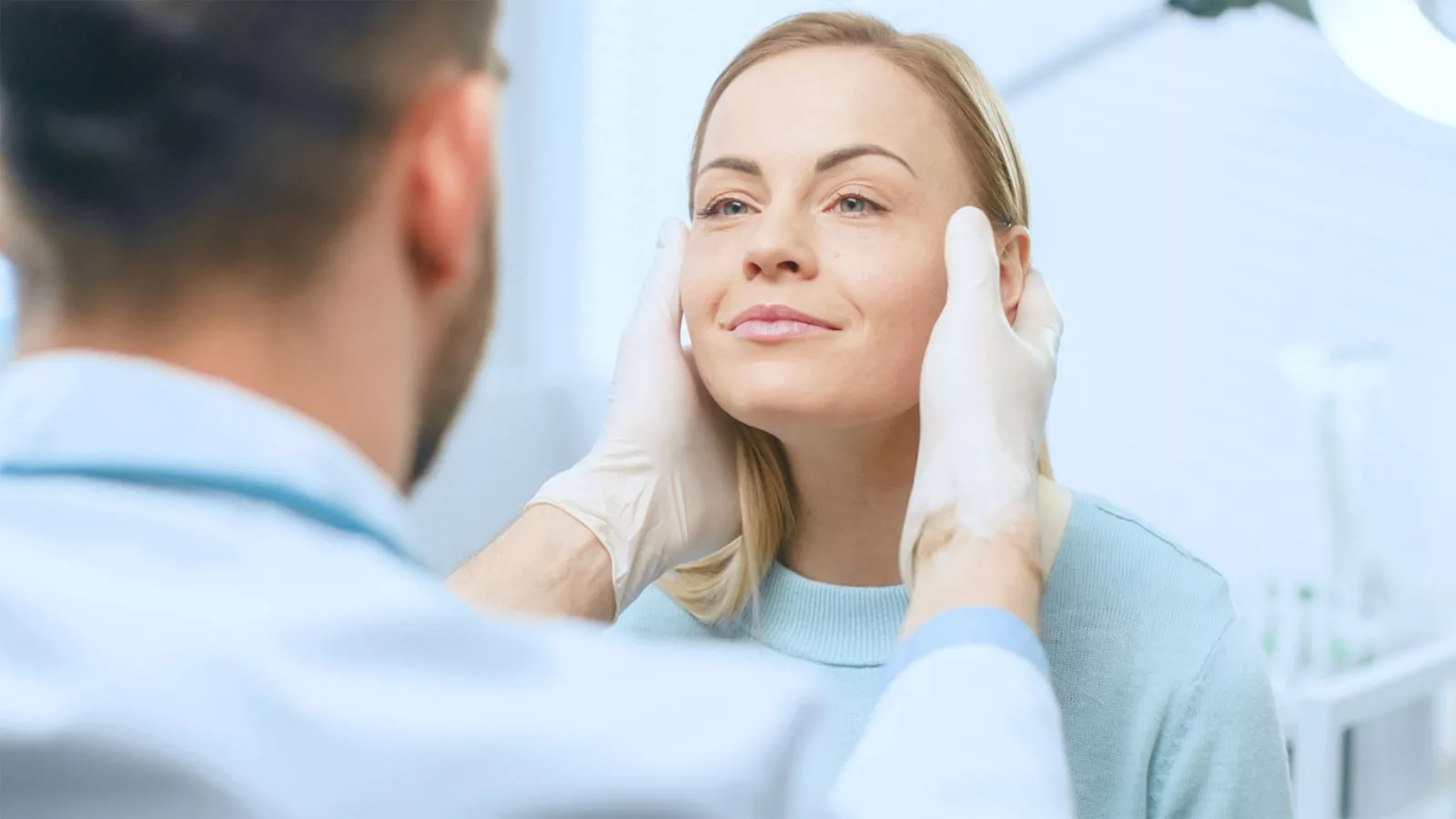
The definition of success in aesthetic surgery is not limited to performing a technically flawless operation. True success begins with selecting the most appropriate and realistic intervention for the right patient, at the right time, and in accordance with the patient’s anatomy. The examination and evaluation process before deciding on a surgical procedure is just as vital as the operation itself. Transparency, honesty, and medical ethical principles must always remain at the forefront throughout this process.
The patient’s psychological condition and expectations from surgery must be evaluated very carefully. An aesthetic operation is not a magic wand; it does not solve social problems, professional failures, or relationship difficulties in a person’s life. It only provides structural improvement in physical appearance. If a patient perceives flaws that do not exist in their body or pursues an unattainable goal such as absolute perfection after surgery, this may indicate an underlying psychological condition. The surgical candidate must understand the potential results within the limits of their anatomy, the possible risks, the scars that may remain on the body, and the challenges of the postoperative recovery period. Close monitoring of medical conditions such as swelling, temporary asymmetries, or wound-healing problems that may develop depending on the body’s tissue-healing capacity after surgery is an inseparable part of aesthetic surgery.
Frequently Asked Questions
Why do the most popular aesthetic surgeries differ according to age?
Aesthetic expectations may change with age. While procedures aimed at defining facial features are preferred at younger ages, surgeries intended to reduce signs of aging may attract more interest at older ages.
What are the most popular aesthetic surgeries in the 20s?
Rhinoplasty, breast aesthetic procedures, and treatments aimed at defining the jawline are frequently preferred in the 20s. During this period, individuals generally aim to create more balanced facial and body proportions.
What are the most popular aesthetic surgeries in the 30s, and why are they preferred?
Breast aesthetic procedures, liposuction, and rhinoplasty remain popular in the 30s. Interest in body contouring procedures may increase because of pregnancy, weight changes, and body changes associated with lifestyle.
Which procedures stand out among the most popular aesthetic surgeries in the 40s?
Eyelid surgery, facelift procedures, and treatments targeting the neck area are more frequently preferred in the 40s. The aim is to reduce the first signs of aging and achieve a more refreshed appearance.
What are the most popular aesthetic surgeries for people aged 50 and over?
Facelift, neck lift, eyelid surgery, and facial rejuvenation procedures stand out in this age group. More comprehensive procedures may be preferred because of decreased skin elasticity and volume loss.
Do the most popular aesthetic surgeries by age differ between women and men?
Yes, while breast aesthetic procedures and facial rejuvenation treatments are more commonly preferred by women, rhinoplasty, eyelid surgery, and procedures aimed at defining facial contours may be more prominent among men.
Which factors should be considered when selecting the most popular aesthetic surgeries according to age?
In addition to age, skin structure, general health condition, lifestyle, and aesthetic expectations should be evaluated. Personalized planning is highly important for achieving natural results and patient satisfaction.
Are the most popular aesthetic surgeries by age effective in achieving a natural appearance?
Modern aesthetic surgery techniques aim to preserve a natural appearance. Procedures planned appropriately for the individual’s age may provide results that are harmonious with the person’s facial and body contours and reduce the risk of an artificial appearance.
Does the recovery process differ after the most popular aesthetic surgeries according to age?
The recovery process may vary depending on age, health condition, and the extent of the procedure. Recovery may be faster in younger individuals, while following the doctor’s recommendations becomes even more important at older ages.
Why is specialist evaluation necessary for the most popular aesthetic surgeries according to age?
Every individual has a different anatomical structure and different aesthetic goals. Through specialist evaluation, age-appropriate methods can be determined, possible risks can be assessed, and the most suitable personalized treatment plan can be created.
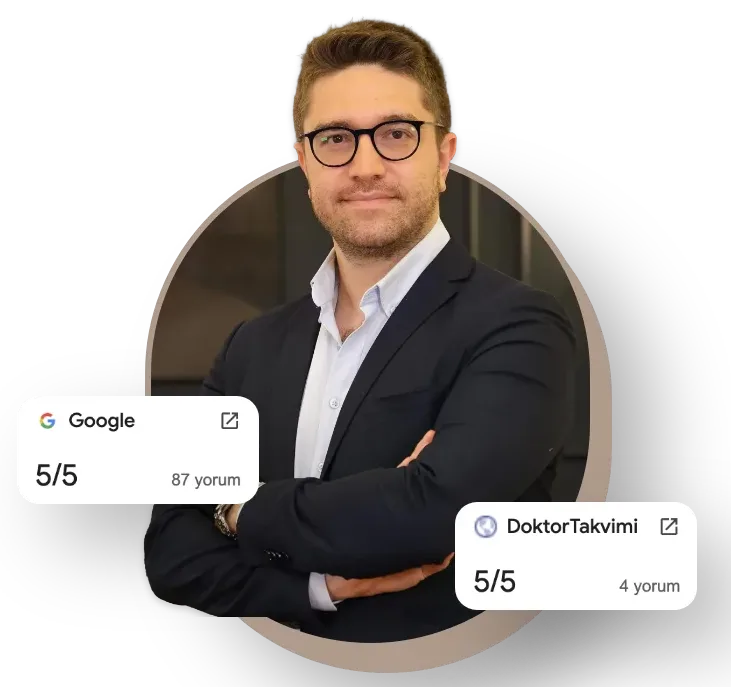
Op. Dr. Erman Ak is an internationally experienced specialist known for facial, breast, and body contouring surgeries in the field of aesthetic surgery. With his natural result–oriented surgical philosophy, modern techniques, and artistic vision, he is among the leading names in aesthetic surgery in Türkiye. A graduate of Hacettepe University Faculty of Medicine, Dr. Ak completed his residency at the Istanbul University Çapa Faculty of Medicine, Department of Plastic, Reconstructive and Aesthetic Surgery.
During his training, he received advanced microsurgery education from Prof. Dr. Fu Chan Wei at the Taiwan Chang Gung Memorial Hospital and was awarded the European Aesthetic Plastic Surgery Qualification by the European Board of Plastic Surgery (EBOPRAS). He also conducted advanced studies on facial and breast aesthetics as an ISAPS fellow at the Villa Bella Clinic (Italy) with Prof. Dr. Giovanni and Chiara Botti.
Op. Dr. Erman Ak approaches aesthetic surgery as a personalized art, tailoring each patient’s treatment according to facial proportions, skin structure, and natural aesthetic harmony. His expertise includes deep-plane face and neck lift, lip lift, buccal fat removal (bichectomy), breast augmentation and lifting, abdominoplasty, liposuction, BBL, and mommy makeover. He currently provides safe, natural, and holistic aesthetic treatments using modern techniques in his private clinic in Istanbul.