Deutsch
 Türkçe
 Nederlands
 Français
 Svenska

The rectangular (long) face shape is defined by a face length that is significantly greater than its width, along with a sharp jawline and a high forehead. This face type is usually slender and structurally distinct, but its disproportionate length may require aesthetic intervention.
In this facial structure, the forehead, cheeks, and jawline are approximately the same width. Cheekbones are generally less prominent, and the overall facial lines appear flatter. Therefore, enhancing the horizontal proportions of the face is important for achieving aesthetic balance.
Aesthetic procedures aim to optically shorten the face. Filler applications can emphasize the cheekbones and soften the jawline. Interventions in the forehead and chin regions help create a more harmonious and proportionate facial appearance.
Hairstyle and makeup choices should also take the elongated facial structure into account. Haircuts that add volume to the sides and eyebrow designs with horizontal lines help the face appear shorter and more balanced. Every intervention should align with the natural anatomy of the face.
| Things to Know | Information |
| Definition | The rectangular (long) face shape is a facial type where the length of the face is significantly greater than its width, and the forehead, cheekbones, and jawline are similar in width. |
| General Features | Facial features are long, narrow, and angular. The forehead is usually high, and the chin is flat and defined. Cheekbones are not prominent. |
| Aesthetic Appearance | It conveys a mature, serious, and elegant expression. However, the face can sometimes appear thinner or more tired. |
| Suitable Aesthetic Procedures | Filler applications can be used to add volume to the forehead and chin. Emphasizing the cheekbones can provide balance. Masseter botox may help soften facial contours. |
| Makeup and Hair Preferences | Horizontal contouring techniques that visually shorten the face are recommended. Short and voluminous hairstyles (e.g., bangs, layered cuts) are ideal. |
| Aesthetic Goal | The aim is to balance the length of the face, enhance the perception of width, and create softer, more proportional facial features. |
| Suitability | For individuals with this face type, aesthetic planning focuses on balancing proportions by adding volume to the upper and lower parts of the face. |
How Can You Tell If You Have a Rectangular Face Shape and What Are the Signs?
Sometimes just looking in the mirror is not enough to determine your face shape, because the eye gets used to one’s own reflection. However, several fundamental criteria used in aesthetic analysis can clearly distinguish this face type from others. For individuals with a rectangular face shape, the length of the face is more than one and a half times its width.
The key visual characteristics that help identify this face type are:
- Wide forehead structure
- High hairline
- Long mid-face region
- Straight, vertically aligned cheeks
- Angular jawline
- Elongated chin tip
- Narrow overall face width
Not all of these features need to be present simultaneously, but the overall composition gives a sense of vertical dominance. One of the most notable clues is when the cheeks have lost their fullness and appear flat, combined with a square-shaped jawline that extends downward.
Is a Rectangular Face Shape a Genetic Inheritance?
The shape of our face, much like our eye color or height, is largely determined by our genetic code. The genes we inherit from our parents dictate the direction of growth (growth vector) of our facial skeleton. In some families, facial development occurs more horizontally, resulting in broader faces, while in individuals with a rectangular face shape, this growth happens vertically—that is, downward.
However, genetic factors are only part of the story. Environmental influences and childhood habits also play a critical role in shaping the face. Breathing issues during developmental years are especially influential. In children who breathe through their mouths due to nasal congestion, enlarged adenoids, or allergies, a structure known as “Adenoid Face” may develop.
Factors influencing this developmental process include:
- Genetic inheritance
- Chronic mouth breathing
- Low tongue posture
- Enlarged adenoids
- Prolonged pacifier use
- Thumb sucking habits
When a child keeps their mouth open to breathe, the tongue cannot exert pressure on the palate, leading the upper jaw to narrow from the sides and elongate downward. This is one of the primary environmental causes of the long, rectangular face structure we often observe in adulthood. In short, the shape of your face is not only about who you resemble but also closely tied to how you breathed during childhood.
Are Long Face Syndrome and Rectangular Face Shape the Same?
Although these two concepts are often confused, there is an important medical distinction between them. The rectangular face shape is a morphological description of a person’s physical appearance. Long Face Syndrome (Vertical Maxillary Excess), on the other hand, refers to a skeletal anomaly—a medical condition. Every patient with Long Face Syndrome has a rectangular face, but not every person with a rectangular face has this syndrome.
In Long Face Syndrome, the upper jawbone has grown excessively in the vertical direction. This not only makes the face appear long but also disrupts the relationship between the lips and teeth. A person may struggle to close their lips at rest. When attempting to do so, the chin muscles contract, creating a wrinkled “orange peel” appearance.
Distinctive clinical signs of this syndrome include:
- Lip incompetence
- Excessive gum visibility
- Narrow nasal base
- Retruded lower jaw
- Increased lower face height
- Flat cheekbones
Excessive gum display during smiling (Gummy Smile) is one of the most typical indicators of this syndrome. The upper jaw sags so far downward that the upper lip cannot cover the distance. This marks the point where the aesthetic boundaries of a rectangular face cross into a medical and functional concern.
What Methods Are Used to Diagnose a Rectangular Face Shape?
A subjective impression alone is not enough to declare a face long or rectangular. To develop an accurate treatment plan, the bone structure must be analyzed using scientific data. From an external view, it’s essential to determine whether the facial elongation is due to the upper jaw, lower jaw, or simply the chin tip.
The most reliable method at this stage is Cephalometric Analysis. This involves millimetric measurements and angle calculations made on a special lateral X-ray of the patient. Plastic surgeons and orthodontists use this analysis to mathematically assess facial growth direction and the interrelationship of bones.
Key parameters evaluated during the analysis include:
- Anterior facial height
- Posterior facial height
- Mandibular plane angle
- Chin tip position
- Incisor inclinations
- Lip thickness
For example, as the angle between the lower jaw and the cranial base (Mandibular Plane Angle) becomes steeper, the face elongates. Identifying this angle is crucial in deciding whether the appropriate treatment will be surgical or medical. Visual assessments can be misleading—sometimes a short nose alone can make the face appear longer than it is. Scientific measurement serves as the roadmap for treatment.
Can a Rectangular Face Shape Cause Functional Problems?
If the rectangular facial structure is due to an underlying skeletal disorder (such as Long Face Syndrome), the issue goes beyond aesthetics. This vertical imbalance in the skeletal system can trigger a chain reaction that directly impacts chewing, speaking, and breathing functions.
One of the most common problems is Anterior Open Bite, where the front teeth do not make contact. Because the upper jaw sags backward or the lower jaw rotates downward and backward, a gap remains between the front teeth even if the back teeth touch. Patients with this condition often struggle to bite into a sandwich or tear food with their front teeth.
Functional problems that may arise from this structure include:
- Difficulty biting
- Jaw joint (TMJ) pain
- Mouth breathing
- Snoring
- Speech disorders
- Chewing muscle fatigue
Furthermore, when the jaw doesn’t close properly, pressure on the temporomandibular joint (TMJ) becomes unbalanced. Over time, this can lead to clicking sounds, pain, or even jaw locking. Serious respiratory issues like sleep apnea are also more common in long-face types with a recessed and downward-positioned lower jaw. Therefore, treatment is not only for cosmetic improvement but also crucial for restoring vital functions.
Are Non-Surgical Solutions Possible for Rectangular Face Shape?
Not all rectangular face shapes require invasive surgery. When the skeletal issue is mild or if the patient firmly wishes to avoid surgery, it’s possible to create optical illusions that enhance facial balance using non-surgical medical aesthetic procedures. This is referred to as “camouflage treatment.” The goal here is not to shorten the bone but to manipulate soft tissue to create a more balanced appearance.
The most commonly used method in this group is Masseter Botox. In rectangular faces, the chewing muscle (masseter) at the jaw corners is often pronounced, giving the lower face a square appearance. Botox relaxes and slims this muscle, helping the lower half of the face appear softer and more V-shaped.
Other non-surgical methods include:
- Masseter Botox
- Cheek filler
- Jawline filler
- Fat grafting
- Thread lift
- Nasolabial fold filler
Fillers are primarily used to increase horizontal volume. In long and rectangular faces with flat cheeks, adding volume to the cheekbones shifts attention from the vertical to the horizontal axis. However, a delicate balance must be maintained to avoid further enlarging an already large face. These are temporary solutions that don’t alter skeletal structure but can offer satisfying aesthetic improvements when applied to the right patient.
Is Surgery (Orthognathic Surgery) a Permanent Solution for Rectangular Face Shape?
If the problem stems from a significant skeletal excess accompanied by functional issues, Orthognathic Surgery is the most effective and permanent solution. These procedures reposition the facial bones to ideal locations. Unlike camouflage methods, they correct the root cause—the bone structure.
The most common technique for treating long faces is LeFort I Osteotomy. In this procedure, the upper jawbone is precisely cut, shortened as necessary, and repositioned upward (impaction). When the upper jaw is moved upward, the lower jaw automatically rotates forward and upward (autorotation).
Permanent improvements provided by orthognathic surgery include:
- Shortening of facial length
- More defined chin
- Correction of gummy smile
- Improved lip closure
- Better bite function
- Enhanced profile balance
This surgery shortens the mid-third of the face, creating a more compact, youthful, and proportional look. Once the bones heal in their new positions, the results are lifelong. It is one of the most transformative procedures in aesthetic surgery.
Is Chin Tip Surgery (Genioplasty) Sufficient to Correct a Rectangular Face?
Sometimes, even when the bite and upper jaw position are normal, the face may still appear long and rectangular. In such cases, the issue is often an overdeveloped or elongated chin tip (mentum). A large-scale jaw surgery may not be necessary—Genioplasty, a procedure targeting only the chin tip, can balance facial proportions.
Genioplasty involves cutting and reshaping the chin bone. If the chin is excessively long vertically, a bone segment is removed and the tip is moved upward (vertical reduction genioplasty), directly reducing total facial height.
Corrections possible with genioplasty include:
- Vertical shortening
- Advancement
- Setback
- Asymmetry correction
- Smoothing sharp projections
This operation can be performed alone or combined with procedures like rhinoplasty or facelift. Since all incisions are inside the mouth, there are no visible scars. Recovery is significantly quicker and more comfortable than orthognathic surgery. Especially in patients with a high lower face height, even this small touch can soften the facial expression.
Is the Recovery Process Difficult After Rectangular Face Surgery?
Although facial bone surgeries may sound daunting, modern anesthesia and surgical techniques make the recovery process quite manageable. Patients often worry about pain, but bone surgeries typically cause less pain than expected and can be managed with simple painkillers. The main challenge is swelling (edema).
Swelling peaks during the first 3–4 days post-op, which is a natural part of the healing process. Numbness in the lips and a feeling of tightness are also common during this period. Hospital stays usually last 1 to 2 days.
Post-operative care recommendations include:
- Liquid nutrition
- Cold compress
- Sleeping with the head elevated
- Oral hygiene
- Wearing rubber bands if prescribed
- Avoiding smoking
Patients generally need to follow a soft or liquid diet for the first 1–2 weeks to avoid stressing the healing bones. Social reintegration varies between 2–3 weeks depending on the procedure’s extent. Full bone healing takes around 6 weeks, while subtle swelling may persist for 6 months to a year before the final results are fully visible. Though it requires patience, the long-lasting results are highly satisfying.
How to Make the Right Decision for Rectangular Face Treatment?
The face is the most important feature of identity and communication. Therefore, anyone uncomfortable with their rectangular face shape should be extremely thorough when making treatment decisions. Before-and-after photos online or popular trends should not drive your choices. Every face’s anatomy, bone quality, and soft tissue characteristics are as unique as a fingerprint.
Steps to making the right decision include:
- Consultation with a specialist
- Radiographic analysis
- Expectation management
- Risk assessment
- Comparison of alternatives
Begin by consulting a board-certified Plastic, Reconstructive, and Aesthetic Surgeon to identify the source of the issue. If it’s purely soft tissue-related, surgical risks may be unnecessary. However, in cases of significant skeletal and functional problems, opting for permanent surgical solutions rather than temporary fillers is the most rational approach.
Frequently Asked Questions
How is a rectangular face shape defined, and what are its structural characteristics?
A rectangular face shape is where the length of the face is significantly greater than its width. The forehead, cheeks, and jawline are typically similar in width, and the jaw is flat and angular. This structure makes the face appear longer and narrower.
What aesthetic balance issues are common in individuals with long face shapes?
Due to increased vertical length, the lower face appears elongated, which can create a tired or aged expression. Aesthetic treatments aim to broaden the face horizontally.
Which filler procedures are effective for a rectangular face type?
Cheek fillers that enhance lateral width and jawline volumization can help the face appear more balanced and shorter. Forehead and temple fillers also improve facial harmony.
What hairstyles are recommended for a rectangular face type?
Layered cuts and styles that add volume to the sides help balance facial length. Bangs at the forehead line also visually shorten the face. Very long and straight hairstyles should be avoided.
What aesthetic surgeries are suitable for a long face shape?
Jaw contouring, cheekbone enhancement, and surgeries that reduce the lower face length can help rectangular faces achieve a softer and more balanced appearance.
How does a rectangular face type influence aesthetic planning for men?
In men, a long face can sometimes appear weak. To create a more masculine look, volume can be added to the cheekbones and jaw angles.
How does a long face shape change with aging?
As tissues sag over time, the lower part of the face may appear even longer. Early intervention for mid-face volume loss and jawline sagging is recommended.
What is the ideal eyebrow shape for a rectangular face?
Eyebrows with straighter, more horizontal lines help balance vertical length and create a more proportional appearance. Highly arched brows should be avoided.
What types of eyeglass frames are best for a rectangular face type?
Round or oval frames soften facial features and balance length. Wide temples and horizontally designed frames also contribute to a shorter facial appearance.
Is masseter botox suitable for people with long face types?
Masseter botox slims the jawline, but in already long and narrow faces, it may cause volume loss. Therefore, instead of reducing the jaw, balancing fillers are more suitable for rectangular face types.
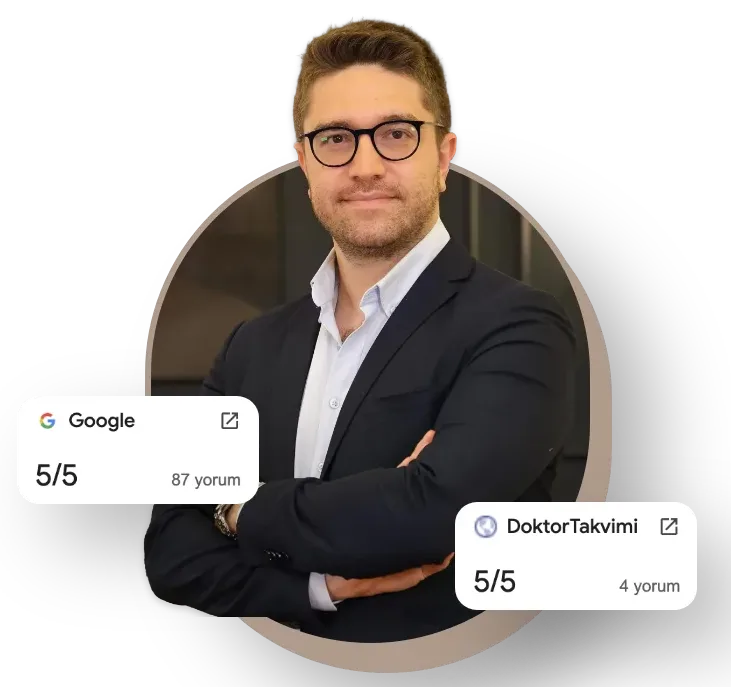
Op. Dr. Erman Ak is an internationally experienced specialist known for facial, breast, and body contouring surgeries in the field of aesthetic surgery. With his natural result–oriented surgical philosophy, modern techniques, and artistic vision, he is among the leading names in aesthetic surgery in Türkiye. A graduate of Hacettepe University Faculty of Medicine, Dr. Ak completed his residency at the Istanbul University Çapa Faculty of Medicine, Department of Plastic, Reconstructive and Aesthetic Surgery.
During his training, he received advanced microsurgery education from Prof. Dr. Fu Chan Wei at the Taiwan Chang Gung Memorial Hospital and was awarded the European Aesthetic Plastic Surgery Qualification by the European Board of Plastic Surgery (EBOPRAS). He also conducted advanced studies on facial and breast aesthetics as an ISAPS fellow at the Villa Bella Clinic (Italy) with Prof. Dr. Giovanni and Chiara Botti.
Op. Dr. Erman Ak approaches aesthetic surgery as a personalized art, tailoring each patient’s treatment according to facial proportions, skin structure, and natural aesthetic harmony. His expertise includes deep-plane face and neck lift, lip lift, buccal fat removal (bichectomy), breast augmentation and lifting, abdominoplasty, liposuction, BBL, and mommy makeover. He currently provides safe, natural, and holistic aesthetic treatments using modern techniques in his private clinic in Istanbul.