Deutsch
 Türkçe
 Nederlands
 Français
 Svenska
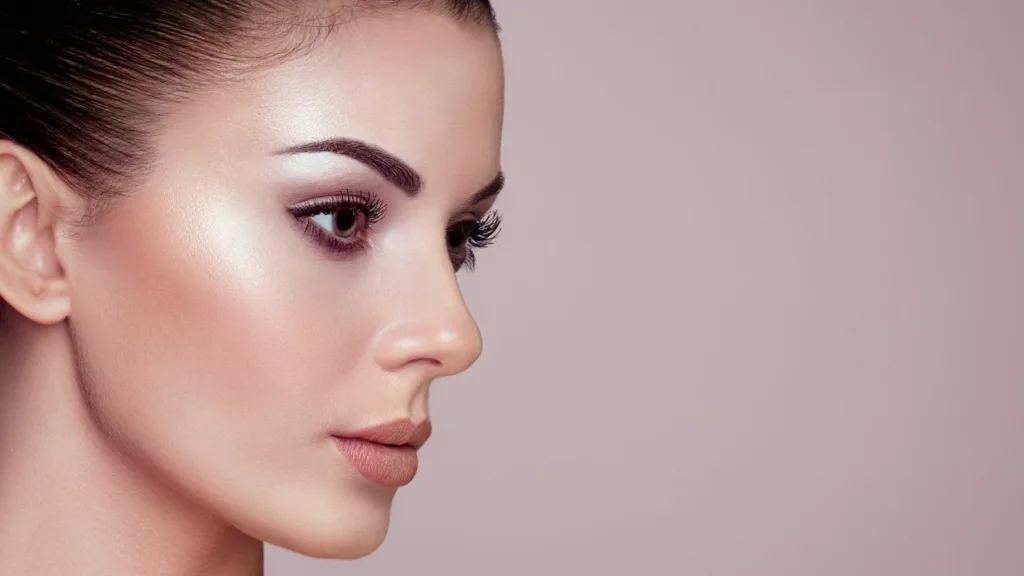
What Is a Round Face Shape and How Can It Be Identified?
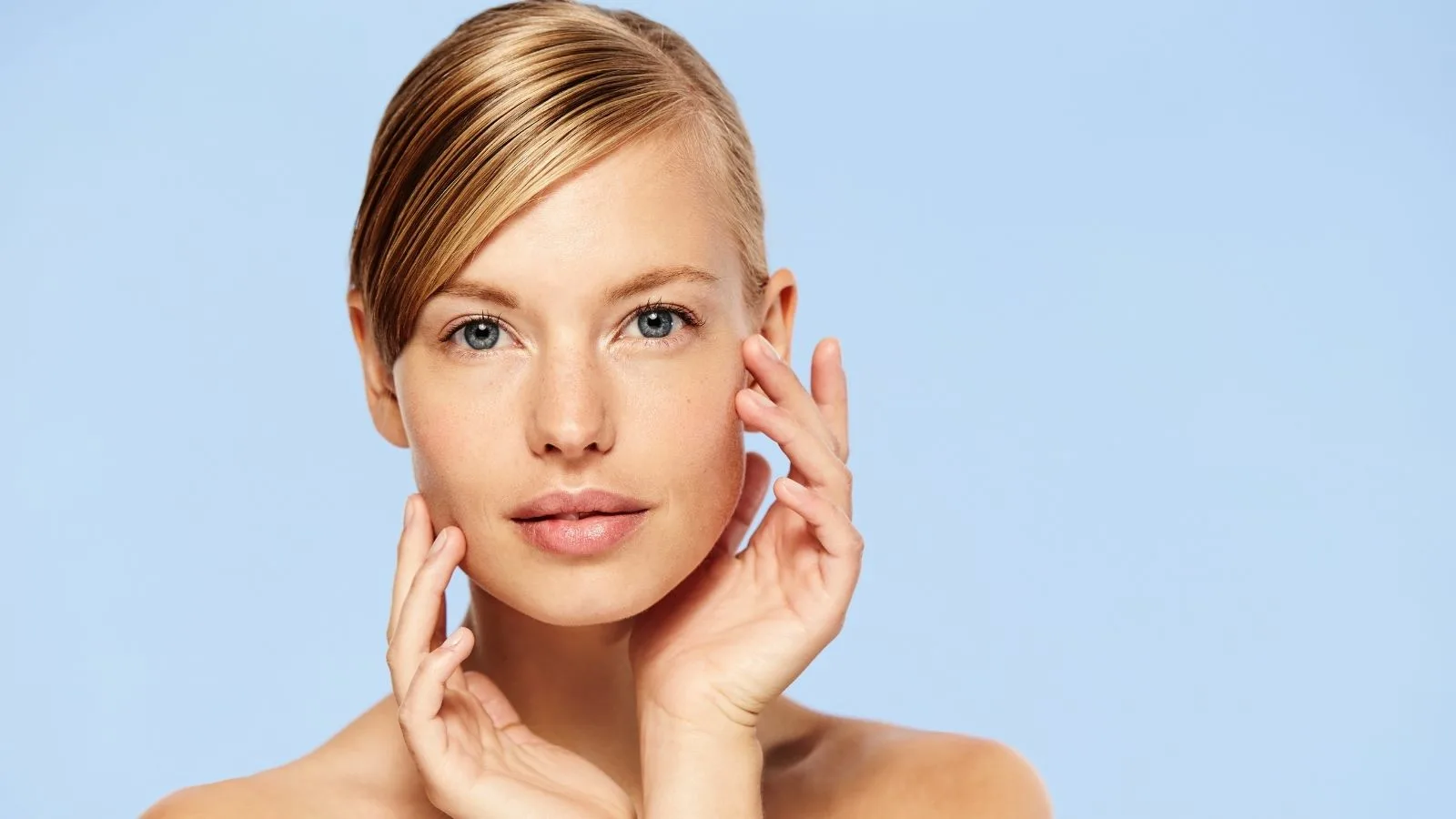
The round face shape is characterized by a broad forehead, full cheeks, and a soft jawline. Typically, the face’s length and width are nearly equal. While this structure presents a youthful and gentle appearance, the lack of defined angles may call for certain aesthetic refinements.
In round faces, cheekbones are usually prominent but lack sharp definition. Therefore, contouring techniques to give the face a more angular appearance are aesthetically preferred. The chin and forehead areas are primary focus points for balancing interventions.
Aesthetic procedures aim to make the face appear longer and slimmer. With filler and Botox applications, cheek volume can be balanced and the chin tip can be defined. This allows facial contours to appear more proportionate and symmetrical.
Hair and makeup choices should also be tailored to the round face type. Layered haircuts help elongate the face vertically, while highlighting techniques can emphasize the center of the face. All applications should support the natural facial structure.
| What You Should Know | Information |
| Definition | The round face shape is a type where the cheekbones are wide, the jawline is soft, and the width of the forehead and chin are nearly the same, with no sharp angles. |
| General Features | The face length and width are similar. Cheeks are full, the chin is short and rounded. Contours are soft, angular lines are not prominent. |
| Aesthetic Appearance | It gives a younger, softer, and more friendly expression, but may sometimes be perceived as chubby. |
| Suitable Aesthetic Interventions | Facial slimming (bichectomy), masseter Botox, jawline definition (jawline filler), cheekbone enhancement are commonly preferred procedures. |
| Makeup and Hair Preferences | Contouring makeup can make the face look longer. Layered and voluminous hairstyles help balance the face. |
| Aesthetic Goal | The goal is to create a more oval and balanced face, and to define the chin and cheekbones. |
| Suitability | Aesthetic treatment planning is individualized based on facial shape analysis. In round faces, balancing and contouring approaches are emphasized. |
What Is a Round Face Shape and How Is It Different from Others?
While facial shapes are often described using geometric analogies, in practice, precise measurements and a solid understanding of anatomy are fundamental. Simply put, a round face refers to a structure where the face’s length and width are nearly equal. In such a face, where the vertical axis (from hairline to chin tip) and the horizontal axis (from one cheekbone to the other) differ very little, there are no pronounced corners or sharp angles.
The main difference between a round face and a square face is the softness of transitions. In square faces, the width-to-length ratio is also close, but the jaw corners are sharp, defined, and angular. In round faces, the jawline forms a soft arc, the cheeks are full, and the widest part of the face is generally at the cheekbones near the ears.
Characteristic features of a round face include:
- Equality of face length and width
- Non-prominent chin tip
- Full cheeks
- Soft jawline transitions
- Forehead width close to chin width
This face shape gives a more youthful, sometimes even childlike appearance. It forms the basis of the “baby face” concept. However, this reduces the face’s ability to reflect light effectively, making facial features appear flat and the neck area shorter than it is.
How Can I Tell If I Have a Round Face at Home?
In a clinical setting, we use professional photography systems, calipers, and 3D analysis devices to evaluate patients. However, there are simple but effective observational methods you can do at home to understand your facial structure.
First, pull your hair completely back to reveal your facial contours. Stand in front of a well-lit mirror. Look straight ahead without tilting your head. Focus first on your jawline. Does your jawbone create a sharp corner as it descends from below your ear to your chin, or does it curve gently? If the answer is a smooth curve, the likelihood of a round face increases.
Also try to determine the widest point of your face. If your forehead, cheekbones, and chin are all nearly the same width and your face length matches this width, you likely have a round face. Using a tape measure can provide a rough idea.
Signs that indicate a round face include:
- Wide cheekbones
- Short-looking chin tip
- Rounded hairline
- Dimples on cheeks
- Unclear definition in the neck area
These traits are not flaws. However, in modern aesthetic ideals, they represent a deviation from the inverted triangle or V-shaped face form that is often desired.
Why Is the Golden Ratio and the Number 1.618 Important in Facial Aesthetics?
The fundamental guide in plastic surgery is the “Golden Ratio” principle, which has symbolized perfection in nature, art, and architecture for thousands of years. Mathematically represented by 1.618 (Phi), this ratio is the secret code behind why the human eye perceives something—or someone—as beautiful. For us physicians, this mathematical criterion forms the foundation of our treatment plans.
In facial aesthetics, the goal is to bring existing proportions as close as possible to the value of 1.618. In ideally proportioned faces, the length of the face should be approximately 1.6 times the width. In round faces, however, this ratio is typically closer to 1. That is, the length and width are equal. This deviation from the ideal ratio is the starting point for many aesthetic interventions.
Achieving the golden ratio depends not only on the outer frame of the face but also on the positioning of internal facial structures. For example:
- The width of the lips compared to the nose width
- The distance between the eyebrows compared to the distance between the eyes
- The mouth width compared to the face width
- The nose length compared to the chin length
- The thickness of the upper lip compared to the lower lip
The more balanced these ratios are, the more attractive the face is perceived. In round faces, the biggest issue is that the width between the jaw corners—called the “bigonial width”—is too close to the width between the cheekbones—known as the “bizygomatic width.” Ideally, jaw width should be about 70–75% of cheekbone width. In round faces, this ratio can reach 90% or even 100%. Our treatment strategy, therefore, is to correct this geometric imbalance and guide the face into tapering gracefully downward (the V-shape).
Why Does My Face Look Round? Is It Bone, Muscle, or Fat?
The cause behind a round facial appearance differs from person to person, and an accurate diagnosis is vital for treatment success. Procedures performed without identifying the anatomical cause of facial width often lead to disappointment. Typically, three main factors are involved: skeletal structure, muscle hypertrophy, and fat tissue.
The first factor is skeletal structure. Some individuals genetically have a wide lower jaw (mandible). However, in the appearance of a round face, soft tissues play a more dominant role than bone.
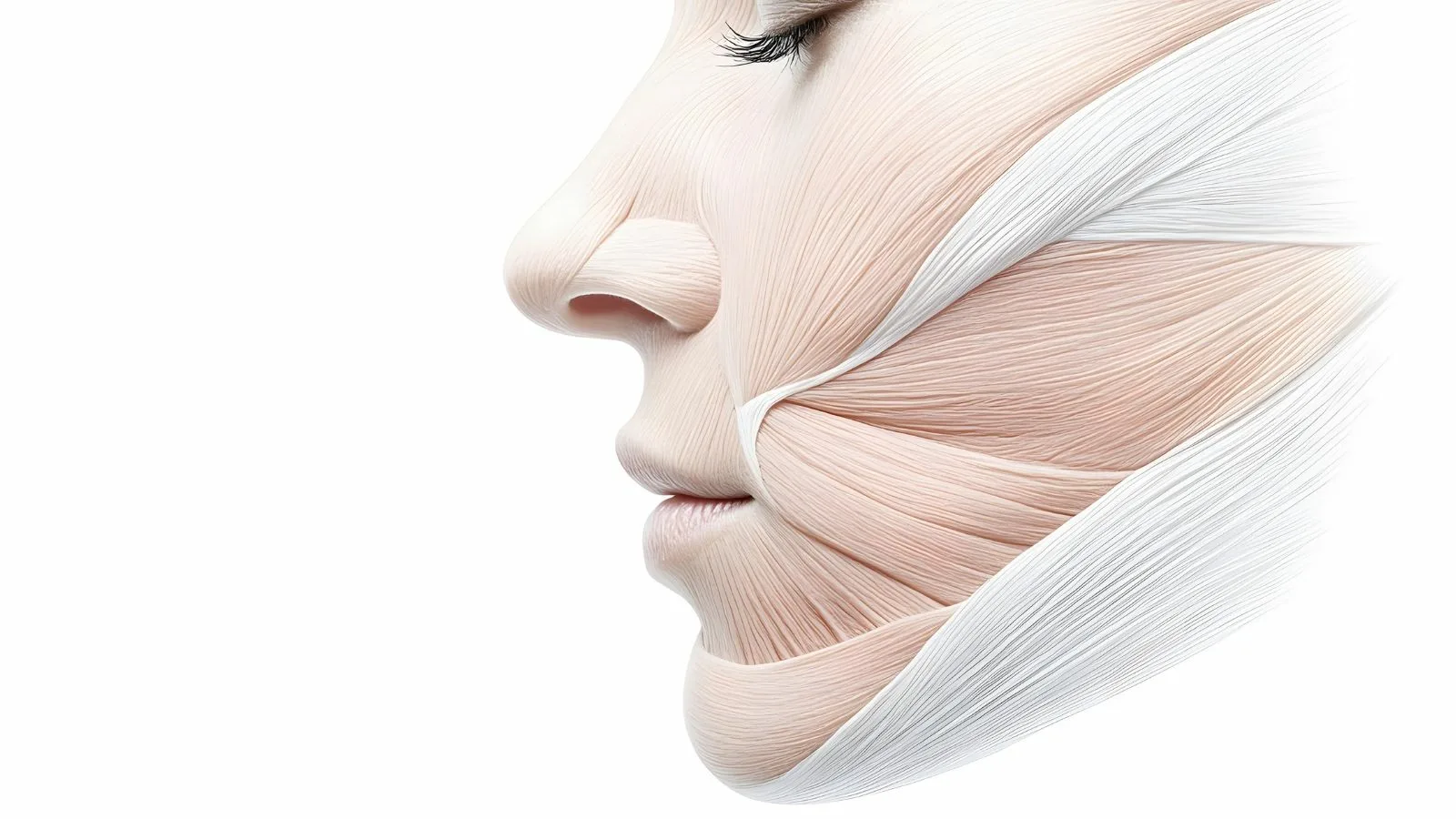
The second—and very common—factor is muscle growth (hypertrophy). The masseter, the strongest chewing muscle located on the sides of the face, gains volume when overworked. Just as a person’s biceps enlarge from weight training, someone who constantly clenches their jaw, chews gum, or eats hard foods will experience muscle enlargement along the sides of the cheeks. This causes the face to widen, forming a square or round shape.
The third and most widespread cause is excess fat tissue. Facial fat is analyzed in two layers: superficial subcutaneous fat and deep fat pads. The “Bichat” (buccal) fat pads, located deep within the cheeks, are primarily responsible for the face’s “chubby” appearance.
Factors that cause a round face include:
- Genetic bone structure
- Masseter muscle enlargement
- Bichat fat pads
- Overall body fat percentage
- Short chin structure
If I Lose Weight, Will the Roundness in My Face Go Away?
This is a question we encounter daily in the clinic: “Doctor, I’m dieting, my body is slimmer, but my face is still the same.” This complaint has a very valid anatomical reason. The answer depends on which type of fat is contributing to the roundness in your face.
If your facial fullness is due to subcutaneous fat gained from overall weight gain, then yes—losing weight will slim your face. As body fat percentage decreases, cheekbones become more defined. However, for many patients, it’s not that simple.
The “Bichat” (buccal) fat pads located deep in the cheeks differ from fat in other parts of the body. These are structural fats and are resistant to metabolism. No matter how much you diet or exercise, these fat pads largely retain their volume. These stubborn fat deposits left over from infancy can make the cheeks appear full even when the person is at their ideal weight.
Similarly, if facial width is caused by masseter muscle enlargement, weight loss won’t reduce the size of the muscle. In fact, when surface fat in the face decreases, the muscles may become more visible, making the face appear wider and firmer. For this reason, being “slim but with a round face” is a very common situation.
What Is the Youth Triangle or V-Shape and Why Do We Aim for It?
In aesthetic analysis, the concept of the “Youth Triangle” defines the most ideal, dynamic, and attractive facial structure. It is an inverted triangle with its base at the cheekbones and its point at the chin. It represents a structure where the upper part of the face is full and wide, and the lower part tapers gracefully toward the chin.
Why do we aim for this? Because the aging process, accelerated by gravity, reverses this triangle. Tissues in the cheeks sag downward, the jawline loses its definition, and the lower face becomes heavier, creating a squarer appearance. In individuals with round faces, even without aging, this V-form has not structurally developed; the lower face is as wide as the upper face.
The main goal of our treatment strategies is to restore this geometric balance. By emphasizing the cheekbones, creating a hollow beneath the cheeks (slimming), and defining the chin tip, we change the light-reflection points on the face. A face with a V-shape reflects light more effectively, makes the neck area appear longer, and gives the individual a more energetic and fit appearance.
Can Bichectomy (Cheek Slimming) Permanently Slim a Round Face?
Known popularly as the “Hollywood Cheek,” bichectomy is our most effective surgical tool in treating round faces. In cases where overly full cheeks prevent the formation of the ideal V-shape, it provides a permanent and definitive solution.
Bichectomy is the surgical removal of excess buccal fat tissue located in the deep layer of the cheeks. Its greatest advantage is permanence. The number of fat cells in our body stabilizes after adolescence. Since these cells are physically removed with bichectomy, it is biologically very difficult for fat to accumulate again in that area. Even if the individual gains weight, the cheeks won’t become as full as before.
The procedure is very comfortable. A small 1-centimeter incision is made inside the mouth to reach the fat. There are no scars, stitches, or wounds on the skin surface. The procedure takes about 30–45 minutes. When the right amount of fat is removed, a slight contour forms beneath the cheekbone, giving the face a more sculpted and sophisticated appearance.
Advantages of bichectomy include:
- Permanent results
- No visible scars
- Fast recovery
- Enhanced facial definition
- No general anesthesia required
How Does Masseter Botox Slim a Wide Face?
If the facial width is concentrated not in the mid-cheek area but lower down, near the jaw corners in front of the ears, the problem is muscle-based, not fat-related. The masseter, the chewing muscle, enlarges due to overactivity (teeth grinding, clenching) and broadens the face horizontally.
Masseter Botox is a minimally invasive method we use to correct this. When injected into the muscle, Botox temporarily blocks the nerve signal that tells the muscle to contract. The overworked muscle relaxes. Just like someone who stops exercising loses muscle mass over time, the relaxed masseter muscle also gradually atrophies and shrinks.
The impact of this procedure is remarkable. As muscle volume decreases, the width in the lower face narrows. A square or round face transforms into a more oval and slimmer form. In addition to its aesthetic benefits, it also relieves teeth grinding, jaw pain, and headaches.
Symptoms of masseter hypertrophy include:
- Jaw pain in the morning
- Tooth wear
- Widening of the lower face
- Fatigue when chewing hard foods
- Pain in the temples
How Does Jawline Filler Sharpen a Round Face?
At first glance, it may sound contradictory: “My face is already big, why add volume and make it even bigger with filler?” But in aesthetic surgery, everything is about illusion and proportions. Individuals with round faces often have small, receded, or indistinct chins. This causes the face to appear shorter and wider than it really is.
What we do with jawline and chin tip filler is increase the vertical dimension (length) of the face. By applying hyaluronic acid fillers that mimic bone structure to the chin, we extend the chin forward and downward. This projection changes the overall proportions of the face. When the face elongates, the width in the cheeks becomes visually balanced and less noticeable.
Also, creating a sharp jawline separates the face clearly from the neck and under-chin area. This makes the face look slimmer and fitter. When we create cheek hollows through bichectomy and draw the boundary lines with jawline filler, the desired “model-like facial structure” emerges.
Effects of jawline filler include:
- Enhancing the jawline
- Concealing double chin appearance
- Making the face appear slimmer
- Improving the side profile
- Balancing facial proportions
Do Non-Surgical Skin Tightening Methods Work?
When we reduce facial volume—either by removing fat (bichectomy) or shrinking muscle (Botox)—the skin needs to adapt to this new form. Especially in patients with loose skin, simply reducing volume may sometimes lead to sagging. This is where technology steps in.
Micro-focused ultrasound (such as Ulthera) or radiofrequency (such as Exion) technologies act like the “polishing step” of the facial contouring process. These devices deliver controlled heat energy to the deeper layers of the skin to stimulate collagen production. The skin tightens, firms, and fits more snugly to the facial bones. We particularly use these technologies to tighten the loose skin under the chin and sharpen the jawline. These non-surgical face-lifting procedures help maximize the success of both surgical and injectable treatments.
What Is the Recovery Process Like After Bichectomy and Botox?
One of the most common concerns among patients is the recovery period and the fear of being removed from social life. However, round face slimming protocols generally involve fast-recovering procedures.
Masseter Botox and filler applications are known as “lunchtime procedures.” You can return to work immediately. Bichectomy is a minor surgical procedure, but recovery is surprisingly fast. It involves dissolvable stitches inside the mouth—there’s no need for suture removal.
Recovery guidelines include:
- Eating soft foods for the first 3 days
- Maintaining excellent oral hygiene
- Using antiseptic mouthwash regularly
- Applying cold compresses for the first 72 hours
- Taking prescribed antibiotics
- Avoiding hot beverages
- Not consuming alcohol or smoking
- Wearing a compression bandage for the duration recommended by the doctor
Mild swelling in the cheeks may occur for the first few days. From the outside, this looks like slight weight gain or post-dental treatment puffiness. In most cases, swelling subsides within 3–5 days, allowing a full return to social life. Final results become clear starting from the third week, once the swelling has fully subsided.
Why Do Combined Treatments Provide Better Results?
As mentioned at the beginning of this article, the cause of a round face is rarely just one factor. Excess cheek fat, muscle overgrowth, and chin deficiency can all be present simultaneously. That’s why the most successful and natural-looking results are achieved through a “holistic treatment plan.”
Doing only bichectomy, for example, may make the face look pear-shaped if the jaw muscles are too large. Using filler alone may be insufficient if the cheeks are overly full. The artistry of an expert surgeon lies in orchestrating all these tools like a conductor. Narrowing the sides with masseter Botox, hollowing the cheeks with bichectomy, and sharpening the chin tip with jawline filler… This “golden trio” geometrically restructures the face.
Advantages of combined treatments include:
- Creating a more natural appearance
- Addressing each anatomical concern
- Increasing the longevity of results
- Producing more dramatic transformation
- Higher patient satisfaction
Frequently Asked Questions
How is the round face shape defined and what are its distinguishing features?
The round face shape has soft contours with no sharp angles between the forehead, cheeks, and chin. Typically, face length and width are similar, and the cheeks appear fuller.
What are the main aesthetic goals for people with round face shapes?
The primary aim is usually to make the face appear longer and slimmer, and to define the features. Highlighting the jawline, enhancing the cheekbones, and elongating the lower face are common strategies.
What surgical and non-surgical procedures are suitable for round face shapes?
Cheekbone augmentation with filler, jaw slimming with masseter Botox, and removing buccal fat with bichectomy are ideal treatments to balance a round face.
How does a round face shape affect hairstyle and makeup choices?
To elongate the face, volume should be added to the top rather than the sides. Contouring the jaw and cheekbones with makeup helps create a more angular look.
How do signs of aging appear in people with round faces?
Due to the full cheek structure, facial tissues tend to sag downward with age. This can blur the jawline and make the lower face appear heavier.
What are the best chin aesthetics options for round face types?
Chin fillers or surgical chin lengthening help the face appear longer and more balanced. These interventions improve overall facial proportions for a more attractive look.
What is the ideal eyebrow shape for a round face?
Brows with a more angled and high arch lift the face and counterbalance roundness. Avoiding straight or overly rounded brows helps the face appear more defined.
How does the round face shape affect aesthetic planning for men?
In men, a round face may soften facial features. To create a more masculine and angular look, jawline and cheekbone enhancement are frequently used.
What eyeglass frames are best suited for round faces?
Square and rectangular frames balance the round structure and add contrast, making the face appear longer. Round frames may reduce this effect.
How effective is bichectomy for people with round face shapes?
Bichectomy reduces cheek fat, defining facial features and giving a slimmer, more attractive appearance. It provides effective and lasting improvements in facial proportions.
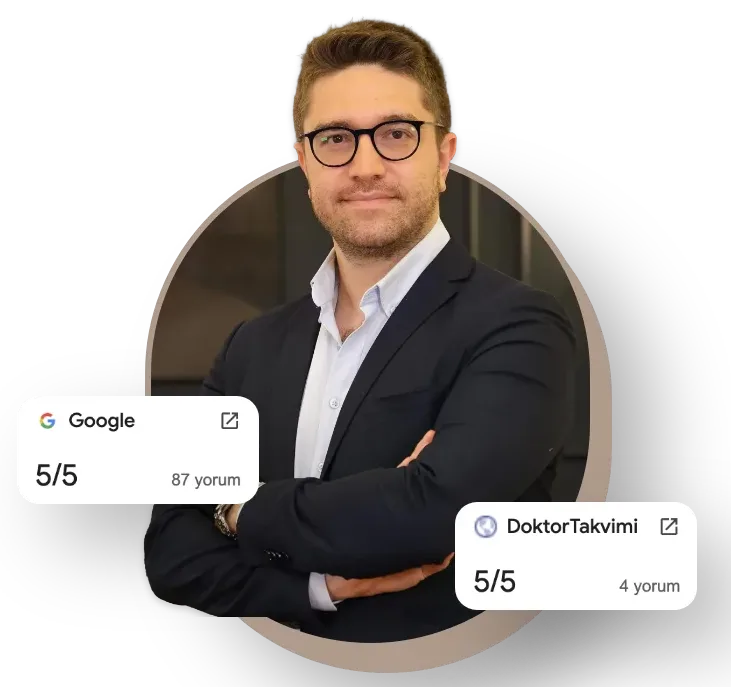
Op. Dr. Erman Ak is an internationally experienced specialist known for facial, breast, and body contouring surgeries in the field of aesthetic surgery. With his natural result–oriented surgical philosophy, modern techniques, and artistic vision, he is among the leading names in aesthetic surgery in Türkiye. A graduate of Hacettepe University Faculty of Medicine, Dr. Ak completed his residency at the Istanbul University Çapa Faculty of Medicine, Department of Plastic, Reconstructive and Aesthetic Surgery.
During his training, he received advanced microsurgery education from Prof. Dr. Fu Chan Wei at the Taiwan Chang Gung Memorial Hospital and was awarded the European Aesthetic Plastic Surgery Qualification by the European Board of Plastic Surgery (EBOPRAS). He also conducted advanced studies on facial and breast aesthetics as an ISAPS fellow at the Villa Bella Clinic (Italy) with Prof. Dr. Giovanni and Chiara Botti.
Op. Dr. Erman Ak approaches aesthetic surgery as a personalized art, tailoring each patient’s treatment according to facial proportions, skin structure, and natural aesthetic harmony. His expertise includes deep-plane face and neck lift, lip lift, buccal fat removal (bichectomy), breast augmentation and lifting, abdominoplasty, liposuction, BBL, and mommy makeover. He currently provides safe, natural, and holistic aesthetic treatments using modern techniques in his private clinic in Istanbul.