Deutsch
 Türkçe
 Nederlands
 Français
 Svenska

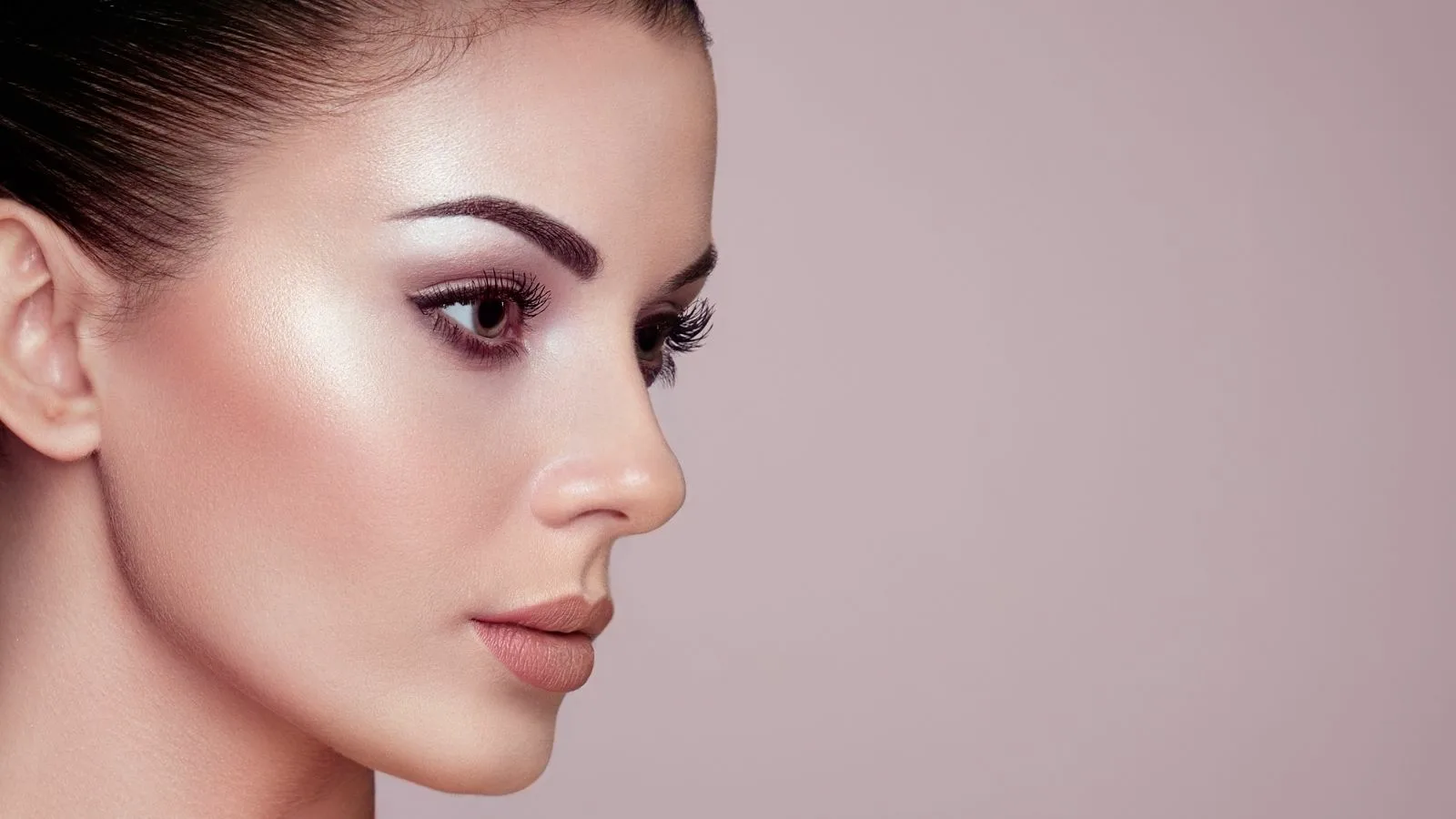
The square face shape is characterized by a broad forehead, prominent jawline, and cheeks that are evenly balanced horizontally. The forehead, cheekbones, and jawline are approximately the same width, giving the face sharper features and a stronger expression.
Aesthetic procedures to soften square facial features usually focus on the jaw and jawline. The masseter muscle can be slimmed with Botox, and a more oval appearance can be achieved with filler applications, giving the face a softer profile.
In square faces with a prominent jawline, a more delicate structure can be achieved through jaw reduction or chin reshaping. These interventions help reduce the width in the lower part of the face by balancing facial proportions.
Makeup and hairstyle choices for square face types also emphasize balance. Layered haircuts and techniques that add movement to the face can soften angular lines. Maintaining proportions is crucial in aesthetic planning.
| What You Should Know | Information |
| Definition | The square face shape is a type characterized by a forehead, cheekbones, and jawline that are nearly equal in width, with a strong and well-defined jawline. |
| Characteristic Features | Broad forehead, prominent and angular jaw structure, sharp facial lines. The face is generally symmetrical and carries a strong expression. |
| Aesthetic Appearance | Provides a strong and charismatic appearance; in some individuals, it may cause the face to appear more masculine or harsh. |
| Aesthetic Procedures | To soften angular lines, masseter Botox (jaw slimming), jawline contouring with fillers, or procedures to highlight the cheekbones can be performed. |
| Surgical Intervention | Jaw reduction or contour correction surgeries may be preferred in some cases; however, most interventions are performed using non-invasive (non-surgical) methods. |
| Makeup Suggestions | Using contouring techniques to shade the jaw and forehead edges softens facial lines; cheekbones are emphasized. |
| Suitable Haircuts | Soft layered haircuts, asymmetrical styles, and voluminous waves can balance the harshness of the face. It is recommended to avoid straight, chin-length haircuts. |
| Common Celebrities (e.g.) | Celebrities such as Angelina Jolie, Olivia Wilde, and Keira Knightley have square face types. |
| Aging Effects | The definition in the lower face may become more pronounced with age; volume loss or sagging may occur in these areas. |
What Is a Square Face Shape and How Is It Evaluated Aesthetically?
Classifying facial shapes based on geometric forms is the alphabet of aesthetic planning. The face shape considered ideal and associated with youth and dynamism is generally referred to as a “V shape” or “Heart shape.” In this form, the cheekbones are the widest point of the face, while the jawline narrows downward in a soft curve, ending with an elegant chin.
The square face shape, on the other hand, displays a structure opposite to this flow. The width difference between the upper and lower parts of the face is lost. The width at the temples is almost the same as the width at the jaw corners. The face does not taper downward; instead, it extends as a flat and broad block. This causes the facial outline to appear boxy and angular. Aesthetically, this excessive volume in the lower face causes central features such as the eyes, nose, and lips to recede into the background. Visual attention is drawn directly to the wide jaw corners. Therefore, the main goal in square face treatment is not just slimming the face, but reestablishing the lost proportion and drawing attention back to the center of the face and the eyes.
What Causes a Square Face Shape and What Are Its Reasons?
The answer to the question “Why is my face so wide?” is the most important step in determining the treatment plan. The underlying reasons for a square face appearance generally fall into two main categories: bone structure and muscle structure. Sometimes both may coexist.
The main causes of a square face shape include:
- Genetic bone structure
- Wide mandibular body
- Protruding jaw angles
- Masseter muscle hypertrophy
- Excessive teeth grinding habit
- Diet rich in tough foods
- Ethnic background characteristics
If the issue is entirely due to bone structure—meaning your lower jawbone is naturally wide and angular—this is a skeletal condition. However, another frequently seen cause in clinical practice is overgrowth of the chewing muscle at the jaw corners. Differentiating between these two is the first step toward the right treatment.
How Does the Masseter Muscle Affect Facial Width?
The masseter muscle is one of the strongest muscles in the body, located on the sides of the jaw, helping us close our mouths and chew food. Just like a bodybuilder grows their biceps through exercise, the masseter muscle also gains volume and enlarges when overworked. In medical terms, this is called “hypertrophy.”
The most common cause of this muscle’s overgrowth is “bruxism,” or teeth grinding and clenching. Modern-day stress causes many people to unknowingly clench their teeth, especially during sleep or when concentrating during the day. This constant activity thickens and hardens the muscle. As the masseter muscle grows, it covers the jawbone beneath it and creates an outward bulge. This leads to the widening of the lower face and results in the unwanted square appearance. So even if your bone structure is slim and delicate, the thickness of the muscle above it may make your face appear wider.
How Can We Tell If We Have a Square Face Shape?
Of course, a definitive diagnosis requires expert evaluation, but with simple observations in front of a mirror, you can get an idea about your face shape. First, pull your hair back and focus on the outer contours of your face.
Signs suggesting a square face include:
- Straight cheek lines
- Prominent jaw angles
- Short-looking face length
- Wide lower face
- Angular chin
- Masculine facial expression
- Harsh facial lines
You can also perform a simple test to determine whether the issue is muscular or skeletal. Place your hand on your jaw angle, just below your ear, and clench your teeth firmly. If you feel a hard, ball-like muscle mass bulging under your hand that disappears when you relax, a significant part of your facial width is caused by the masseter muscle. However, if the structure you feel is firm and fixed like bone, the issue is likely skeletal.
What Methods Are Used for Diagnosis?
Although visual examination guides us, working with precise data in aesthetic medicine is always the safest approach. To distinguish how much of the issue is due to bone or muscle, we use advanced imaging techniques.
Diagnostic methods include:
- Clinical facial examination
- Masseter muscle palpation
- Cephalometric X-ray
- Panoramic jaw X-ray
- Photographic cephalometric analysis
- 3D facial modeling
- Computed tomography (CT)
- Digital photo analysis
- Occlusion check
With these assessments, we can clearly see the thickness and angle of your jawbone, the volume of the muscle tissue, and the relationship between your teeth. For example, in some patients, jaw joint problems or bite malocclusions can also contribute to the square face appearance. This detailed analysis ensures the treatment addresses not only aesthetic but also functional issues.
What Are the Non-Surgical Treatments for Square Face?
If analysis reveals that the primary cause of the square face appearance is masseter muscle hypertrophy, it is possible to achieve gratifying results without surgery. At this point, one of the most effective and commonly used methods is Botulinum Toxin Type A injections.
This procedure, popularly known as “Jaw Botox” or “Masseter Botox,” aims to slim the face by reducing excessive muscle activity. The logic is quite simple: an inactive muscle shrinks. Botox temporarily blocks the muscle from receiving the “contract” command from nerves. As the muscle’s ability to contract decreases, it undergoes disuse atrophy, meaning it reduces in volume and slims down.
The advantages of this procedure include:
- No surgical incision
- No need for anesthesia
- No recovery period
- Short procedure time
- Immediate return to social life
- Painless application
- Natural results
This treatment not only provides aesthetic slimming but also alleviates the teeth grinding (bruxism) problem, preventing tooth wear and reducing the load on the jaw joint. Thus, it is both an aesthetic and therapeutic (healing) procedure.
How Is Masseter Botox Applied?
Masseter Botox is a comfortable procedure that takes about 10–15 minutes in a clinical setting. However, the short duration does not mean it is simple. Mastery of facial anatomy and correct dosage adjustment are critically important.
Application steps include:
- Marking muscle boundaries
- Determining injection points
- Cleansing the skin
- Applying cold
- Injecting with a fine needle
- Short compression
- Post-procedure instructions
The physician first asks the patient to clench their teeth to identify the strongest muscle points. Then, the anatomically safe “safe zone” is marked. This area is typically below the imaginary line drawn from the earlobe to the corner of the mouth and above the jawline. The toxin is injected in suitable doses at the designated points. The pain felt during the procedure is minimal; most patients compare it to a light mosquito bite.
When Does the Effect of Botox Appear?
The most common misconception about this treatment is the expectation of immediate results. Unlike dermal fillers, the effect of Botox does not appear instantly. The drug needs time to work biologically and for the muscle to shrink:
The process typically progresses as follows: within the first 7–10 days, the drug starts to take effect and the muscle softens. During this time, our patients often notice reduced teeth grinding and feel more rested upon waking. However, our main goal of slimming the face and achieving a V-shape occurs as the muscle loses volume. This physical reduction generally becomes most noticeable by the 6th week. You need to be patient to see your face slim down and your cheekbones become more defined.
What Is the Longevity of the Treatment and How Often Should It Be Repeated?
The paralyzing effect of botulinum toxin on the muscle is temporary and usually lasts for 3–4 months. However, the case is a bit different for masseter Botox. Our goal here is not only to stop the muscle but to reduce its volume.
The long-term effects of regular applications include:
- Permanent reduction in muscle volume
- Longer intervals between treatments
- Lower dose requirements
- Stabilization of face shape
- Breaking the habit of teeth grinding
Scientific studies show that after a treatment course of 3–4 sessions spaced about 6 months apart, the masseter muscle significantly shrinks and does not return to its previous massive size even if the treatment is discontinued. Thus, regularly scheduled applications can provide long-term and near-permanent facial slimming.
How Are Dermal Fillers Used in Square Face Treatment?
Simply slimming the sides of the square face is not always enough. Sometimes extending the vertical axis of the face and defining the chin tip is an excellent camouflage method to break the square appearance.
Common chin problems accompanying square faces include:
- Short chin tip
- Receded chin position
- Flattened jawline
- Faint chin contour
- Double chin appearance
A small volume of hyaluronic acid-based filler applied to the chin tip (mentum) optically elongates and slims the face. A slight point at the tip of the chin strengthens the perception of a “V-face” and diverts attention away from the wide jaw corners. When this procedure is combined with masseter Botox, it completely changes the overall geometry of the face, resulting in a much more feminine and attractive appearance.
When Should Surgical Methods Be Preferred?
If the square appearance of the face is not due to muscle overgrowth but rather an excessively wide lower jawbone, methods like Botox will be insufficient. The only way to alter bone structure is through surgery.
Situations requiring surgery include:
- Prominent bone protrusion
- Wide mandibular angle
- Nonresponsive to Botox
- Skeletal deformities
- Severe jaw asymmetries
In such cases, “Mandibular Angle Reduction” or jaw shaving surgeries are performed. Incisions made inside the mouth allow the angular part of the jawbone to be shaved or cut, softening the facial outline. This is a permanent procedure that directly changes the bone structure.
When Is Orthognathic Surgery Necessary?
Sometimes, the square facial appearance is not just an aesthetic width issue but a result of misalignment between the upper and lower jaws (malocclusion). Forward, backward, or crooked jaws distort the shape of the face.
Indications for orthognathic surgery include:
- Protruding lower jaw (Prognathism)
- Receding lower jaw (Retrognathism)
- Open bite
- Facial asymmetry
- Breathing problems
- Chewing difficulty
- Speech disorders
These surgeries are performed not just for aesthetic reasons but also to correct the patient’s chewing and breathing functions. It is generally a long and comprehensive process carried out in conjunction with orthodontic treatment (braces). It involves repositioning bones by cutting them and has a more demanding recovery period than other aesthetic operations.
What Are the Possible Risks and Side Effects of the Treatments?
As with any medical procedure, facial reshaping treatments also carry potential risks. It is important for patients to be aware of these and to shape their expectations accordingly.
Risks of Botox and filler applications include:
- Temporary bruising
- Mild swelling
- Injection site pain
- Headache
- Smile asymmetry
- Chewing fatigue
- Temporary muscle weakness
Risks associated with surgical procedures are more comprehensive:
- Nerve damage risk
- Numbness in the lips
- Infection
- Bleeding
- Anesthesia complications
- Bone healing issues
- Risk of recurrence
Especially in jaw surgery, temporary or permanent sensory loss may occur due to damage to the nerves that provide sensation to the lips. Therefore, when deciding on surgery, the benefit-risk balance must be carefully evaluated.
Frequently Asked Questions
How is the square face shape defined and which features are prominent?
The square face shape is defined by the forehead, cheekbones, and jawline being approximately equal in width. A prominent jawline and sharp contours are the most distinctive features.
Which aesthetic procedures are most suitable for the square face shape?
Procedures such as jaw softening, masseter Botox, and cheek filler can make the facial features more balanced and rounded. These applications give the face a gentler and more proportional appearance.
How does the square face shape change with age?
As age progresses, the angular structure of the face may become more pronounced. Skin sagging can weigh down the jawline, making the face appear even more square.
What is the most suitable haircut for a square face shape?
Soft layers, voluminous waves, and face-framing haircuts balance the harsh lines of the square face. It is recommended to avoid short, sharply cut styles.
Is the square face shape considered ideal in terms of aesthetic proportions?
The square face offers a strong and characteristic appearance. However, since softer contours are preferred in aesthetic ideals, this balance can be achieved with minor adjustments.
How should eyebrow design be for individuals with a square face shape?
Softly angled and slightly arched brows balance the angular structure of the face. Straight and harsh brow lines may enhance the face’s sharpness.
How is jawline aesthetics planned for square face shapes?
With jaw reduction, angle softening, or V-line aesthetic procedures, a slimmer and more oval jawline can be created, softening the overall expression of the face.
How do the masseter muscles affect the aesthetic appearance in a square face?
Overdeveloped masseter muscles can make the face appear more square and masculine. Botox can relax these muscles, slimming the jawline and softening the facial features.
In which areas are filler applications preferred for the square face shape?
Fillers applied to the cheekbones and chin tip lift the face upwards and create a more balanced silhouette. They can also be used to balance the width of the lower face.
What strategies are used to achieve ideal facial proportions in square face shapes?
Aesthetic planning is based on balancing the upper, middle, and lower facial proportions. Softening angular lines makes the face appear younger, more elegant, and symmetrical.
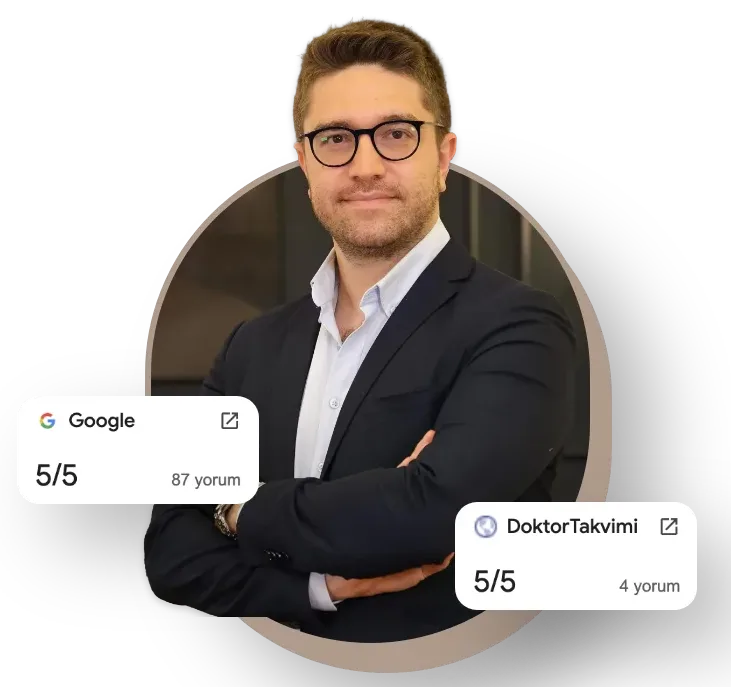
Op. Dr. Erman Ak is an internationally experienced specialist known for facial, breast, and body contouring surgeries in the field of aesthetic surgery. With his natural result–oriented surgical philosophy, modern techniques, and artistic vision, he is among the leading names in aesthetic surgery in Türkiye. A graduate of Hacettepe University Faculty of Medicine, Dr. Ak completed his residency at the Istanbul University Çapa Faculty of Medicine, Department of Plastic, Reconstructive and Aesthetic Surgery.
During his training, he received advanced microsurgery education from Prof. Dr. Fu Chan Wei at the Taiwan Chang Gung Memorial Hospital and was awarded the European Aesthetic Plastic Surgery Qualification by the European Board of Plastic Surgery (EBOPRAS). He also conducted advanced studies on facial and breast aesthetics as an ISAPS fellow at the Villa Bella Clinic (Italy) with Prof. Dr. Giovanni and Chiara Botti.
Op. Dr. Erman Ak approaches aesthetic surgery as a personalized art, tailoring each patient’s treatment according to facial proportions, skin structure, and natural aesthetic harmony. His expertise includes deep-plane face and neck lift, lip lift, buccal fat removal (bichectomy), breast augmentation and lifting, abdominoplasty, liposuction, BBL, and mommy makeover. He currently provides safe, natural, and holistic aesthetic treatments using modern techniques in his private clinic in Istanbul.