Deutsch
 Türkçe
 Nederlands
 Français
 Svenska
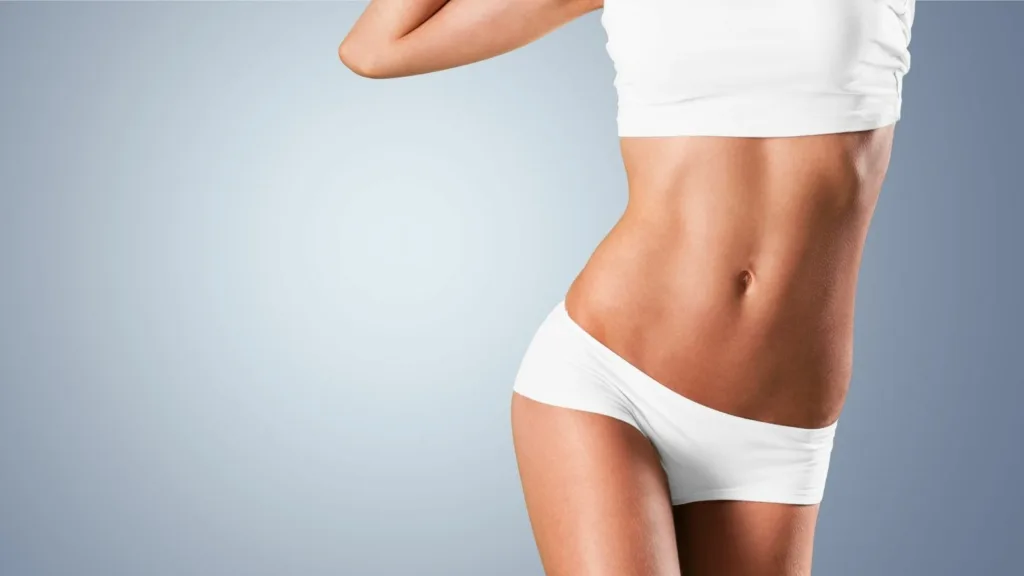
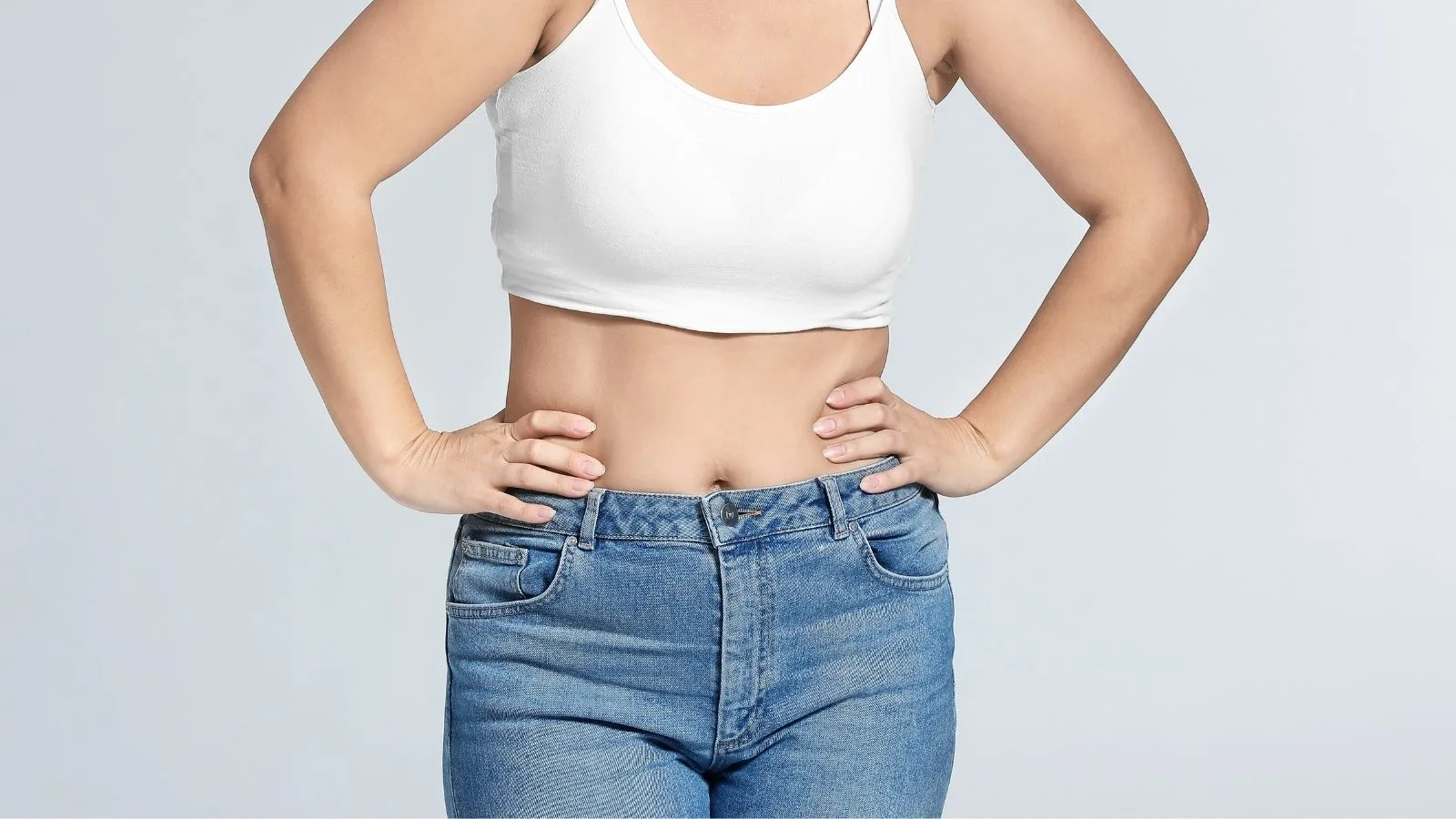
The rectangular body type is a body structure in which the shoulder, waist, and hip widths are close to each other, and the waist curve is not prominent. Fat and muscle distribution is homogeneous throughout the torso; the volume difference between the upper and lower body is minimal, and the silhouette follows a straight line.
Characteristics of the rectangular body type are defined by a straight shoulder line, limited narrowing around the waist, and hip width being close to the shoulders. Weight gain is usually distributed evenly throughout the body; pronounced regional fat accumulation is rare, and muscle mass significantly influences body form.
The question of how to identify a rectangular body type is evaluated through circumference measurements and ratio analysis. Having shoulder, waist, and hip circumferences close to each other, a high waist-to-hip ratio, and a limited waist indentation are distinguishing criteria.
Fat distribution in the rectangular body type is related to genetic structure and level of physical activity. Fat tissue may be distributed evenly across central and peripheral areas; this leads to metabolic risks varying depending on personal lifestyle.
| What You Should Know | Information |
| Definition of the rectangular body type | The rectangular body type is a straight body shape in which shoulder, waist, and hip measurements are close to each other and the waist curve is not prominent. |
| Distinct physical features | An almost straight waist, similar hip and chest measurements, and an overall straight and elongated silhouette. |
| How to identify | If measurements taken with a tape measure show no significant difference between shoulder, waist, and hip circumferences (especially if the waist is only 5–10% narrower than the hips or chest), it may be a rectangular type. |
| Body measurement ratio | Shoulders ≈ Waist ≈ Hips. The waist circumference is only slightly smaller than the hip or shoulder circumference. |
| Common gender | It is a common body type in both women and men. It is the most common basic body shape in men. |
| Advantages | Weight gain is generally distributed evenly, and excessive accumulation around the waist is uncommon. It can be easily shaped with exercise. |
| Points to consider | In women, efforts should be made to accentuate the waistline to achieve a more feminine appearance. In men, adding volume to the shoulders and chest is beneficial. |
| Suitable exercise types | Core exercises that define the waistline, hip and chest-strengthening workouts for women; shoulder and chest-focused strength exercises are recommended for men. |
| Nutritional recommendations | A balanced nutrition plan that supports muscle mass and includes adequate protein is recommended. Nutritional support is especially important during body shaping processes. |
| Clothing recommendations | Belted garments that highlight the waist curve, peplum-style tops, ruffled or patterned skirts and trousers can give the body a more curvaceous appearance. For men, blazers and jackets that emphasize the shoulders are recommended. |
What Is the Rectangular Body Type and How Is It Defined?
To explain the rectangular body type in the simplest terms, it refers to a silhouette where the shoulders, waist, and hips are almost aligned at the same level. In the idealized classic hourglass form, the waist is distinctly narrow and the hips curve outward. However, in a rectangular structure, these transitions are quite subtle. When you look at your body from the front, the line running from the underarm area down to the end of the hips lacks indentations and protrusions.
Individuals with this body type often have an athletic appearance. However, this athleticism can sometimes make a person look wider or more angular than they actually are. For example, you may complain that your waist looks thick even though you are actually slim. The reason for this is not fat accumulation but the short distance between the width of your rib cage and the narrowness of your pelvis. When the ribs and pelvic bones are aligned vertically, there is no anatomical space left for the waist to curve inward. Therefore, it is much more accurate to consider this body type not just as a “straight waist” but as a skeletal structure condition involving the entire torso.
How Can You Tell If You Have a Rectangular Body Type?
To analyze your own body type, you do not always need to take complex measurements with a tape measure. Certain visual signals from your body and how your clothes fit can give you clear clues about your morphological structure. Especially if you observe the following features in yourself, it is highly likely that you fall into this category.
The main indicators of a rectangular body type are:
- Equal shoulder and hip width
- Lack of a pronounced waist indentation
- A straight-falling torso line
- Flat hip structure
- A flat buttocks appearance
- Weight gain concentrated around the abdomen
- Thin legs and arms
- A wide rib cage structure
If you have these characteristics, you may also experience similar difficulties in clothing choices. For example, when you wear elastic-waist or belted dresses, you may notice that instead of your waist looking slimmer, the fabric simply gathers. Or you may feel that low-rise pants fit you more comfortably than high-waisted ones. This is because high-waisted pieces aim to emphasize the waist, but when there is no curve to highlight, these garments can create a cut-off appearance on the body. Such experiences are the strongest practical evidence that your body type is rectangular.
What Role Does Genetics Play in the Formation of the Rectangular Body Type?
Our body shape is a physical reflection of the genetic inheritance we receive from our parents, namely our DNA codes. Complaints such as “I gain weight even if I just drink water” or “No matter what I do, my waist doesn’t get thinner” are actually rooted in this genetic architecture. When you look at other women in your family and see similar straight lines, you can understand that this is not a coincidence. Genetic factors determine the width of your bone structure, the length of your muscles, and most importantly, where fat cells are stored in the body.
Hormonal balance also accompanies this genetic picture. Estrogen, known as the female hormone, normally encourages fat tissue to accumulate in the hips and thighs, supporting the curvy “pear” or “hourglass” appearance. However, in individuals genetically predisposed to a rectangular form, the body may have a more androgenic, or male-type, fat distribution pattern. In this case, fat cells stubbornly tend to accumulate around the waist, back area, and the front abdominal wall. Moreover, increases in stress hormone cortisol levels or metabolic conditions such as insulin resistance can further increase fat accumulation in this “love handle” area, causing the already minimal waist curve to disappear completely. Therefore, the rectangular body type is not merely an aesthetic issue but also the result of a metabolic and genetic foundation.
Can the Rectangular Body Type Be Changed with Exercise and Diet?
This is the question my patients ask most frequently in the clinic and are perhaps most curious about. I often encounter many people who ask, “Doctor, I exercise like crazy and pay close attention to my diet, but I just can’t achieve that thin waist—what am I doing wrong?” Here, we must be honest and realistic. Exercise and diet can change your body composition, reduce your fat percentage, and make you a healthier person; however, they cannot change your skeletal structure.
If your pelvis is narrow and your rib cage is wide, no matter how strict a diet you follow, you cannot achieve a waist thinness beyond the limits allowed by your bones. On the contrary, excessive weight loss can sometimes make the rectangular appearance even more pronounced. This is because when you lose weight, you lose fat not only from your waist but also from your hips and breasts. This turns you from a “large rectangle” into a “small rectangle,” but it does not make your form curvy.
In fact, improperly performed abdominal exercises can sometimes worsen the situation. Especially movements that excessively work the side abdominal muscles, known as the obliques, can cause these muscles to grow in volume and widen the waist laterally. This can make the waist appear thicker and bulkier rather than slimmer. Of course, exercise is indispensable for a firm body and healthy posture; however, it is not sufficient on its own to transform a rectangular body into a distinctly curvy hourglass shape.
Which Approaches Are Used in Aesthetic Surgery for the Rectangular Body Type?
Modern aesthetic surgery no longer views body contouring as merely “removing fat” or “tightening.” We surgeons approach this process as a three-dimensional sculpting art. In the rectangular body type, our main strategy is to play with proportions. To change the silhouette perceived by the eye, we create a new balance point by slimming the waist while simultaneously adding volume to the hips and thighs.
The main surgical methods we use in this transformation process are:
- Vaser Liposuction
- Laser Liposuction
- Brazilian Butt Lift (BBL)
- Fat Injection
- Tummy Tuck (Abdominoplasty)
- Mini Tummy Tuck
These procedures are often performed not individually but as “combined surgical” procedures. That is, in the same surgical session, fat is removed from the waist and transferred to the hips. This allows us to achieve a sophisticated result known as “High Definition” body contouring, where muscle lines and curves are revealed through light and shadow effects.
How Is the Rectangular Body Type Shaped with the 360-Degree Liposuction Method?
The secret to slimming a rectangular torso lies not in focusing solely on the front abdominal wall but in addressing the torso as a whole. The term “360-Degree Liposuction” comes exactly from this concept; it is a contouring procedure that surrounds the front, sides, and back of the body. Removing only the fat around the navel can give you a flatter abdomen, but it will not give you a slimmer waist. To create a waist curve, intervention to the sides and back is essential.
In this procedure, especially the waist sides (love handles) and the areas under the bra line on the back are targeted. The fat tissue in these areas is liquefied using Vaser (ultrasonic sound wave) technology and removed with very fine cannulas. The biggest advantage of Vaser technology here is that it targets only fat cells and does not damage vascular or nerve structures. This allows us to aggressively slim the narrowest point of the waist by sculpting beneath the skin.
Our work on the back area is just as important as the front. When the fat pads on the sides of the back and above the tailbone are removed, buttock projection automatically becomes more pronounced. Additionally, the lower back hollow deepens, creating a clear “hourglass” effect when viewed from behind. With this technique, our goal is to achieve the maximum narrowness allowed by the patient’s anatomy and to free the torso from a cylindrical form, bringing it closer to an hourglass shape.
Why Are BBL and Fat Transfer Procedures Critical for the Rectangular Body Type?
We slimmed the waist—so what next? One of the biggest drawbacks of the rectangular body type is insufficient hip width compared to the shoulders and waist. No matter how much we slim the waist, if the hip line falls straight down, it is difficult to achieve that dramatic and feminine curve. This is where the valuable fat we harvest from your body comes into play. We never see the fat collected through liposuction as waste; it is the most natural filler material your body has.
In the “Brazilian Butt Lift” (BBL) or, more generally, fat transfer procedure, we purify this fat and re-inject it into strategic points. In the rectangular body type, especially the hollow areas on the sides of the hips known as “hip dips” are targeted. When these gaps are filled and volume is added to the highest point of the buttocks, the hips visually widen.
This widening creates a complete optical illusion: because your hips become wider, your waist appears much slimmer than it actually is. Even if your waist circumference mathematically decreases by only 5 cm, the outward curve of the hips can make it appear as if your waist has slimmed by 10–15 cm. This procedure softens lines that may be perceived as flat or masculine, adds depth to the body, and completely changes the profile view. Moreover, since the material used is your own tissue, there is no risk of allergy, and it feels completely natural to the touch.
In Which Cases Is a Tummy Tuck Necessary for the Rectangular Body Type?
The problem is not always just excess fat. Sometimes the structure of the abdominal wall and the quality of the skin are also the main reasons for the rectangular appearance. Especially in women who have given birth or individuals who have experienced significant weight fluctuations, loosening and separation of the abdominal muscles (diastasis recti) may occur. When these muscles that hold abdominal pressure relax, internal organs push outward, making the waist look thick and the abdomen protruding. In such cases, performing liposuction alone does little more than create an empty skin pouch.
Tummy tuck (abdominoplasty) surgery is the most effective solution to repair this structural deterioration. You can think of this surgery as sewing an “internal corset.” As surgeons, we tighten the loosened abdominal muscles by suturing them together along the midline. This physically narrows the waist diameter and tightens the torso. At the same time, when we remove excess sagging skin, the result is a flat, firm, and athletic abdomen.
The most suitable candidates for tummy tuck surgery are:
- Those who have had multiple pregnancies
- Individuals who have lost excessive weight in a short time
- Those with stretch marks and sagging abdominal skin
- Individuals with abdominal muscle separation
- Those with poor skin elasticity
- Patients who have undergone bariatric surgery
In these patients, combining liposuction with a tummy tuck is the gold standard for revealing the waist curve. Internal intervention through muscle repair and external contouring with liposuction ensure the complete breakdown of the rectangular form.
How Does the Recovery Process Progress After Rectangular Body Type Operations?
After such a comprehensive transformation, the body needs time to recover. Expecting a miraculous appearance immediately after surgery is not realistic. In the first days, significant swelling, edema, and bruising are completely normal. The body responds to surgical trauma by retaining fluid. During this period, feeling bloated and tight and experiencing restricted movement is expected. However, thanks to modern techniques and pain management protocols, our patients are usually able to get up and take short walks within a few days.
The success of the recovery process depends not only on the surgeon’s skill but also on how well the patient follows post-operative rules. The first 6 weeks are especially the “golden period.” During this time, regular use of shaping compression garments is vital for achieving a smooth result. If fat transfer to the buttocks (BBL) has been performed, the fat cells must be protected from pressure to ensure their survival.
Some important points to pay attention to during the recovery period include:
- Use of medical compression garments
- Lymphatic drainage massages
- Drinking plenty of water
- A low-salt diet
- Special sitting cushions
- Sleeping in a prone position
- Avoiding smoking
- Avoiding heavy lifting
It may take 6 months, and sometimes up to 1 year, for swelling to completely subside and for the body to take its final shape. This is a journey of patience. Seeing your reflection gradually become clearer each week, your waist slimmer, and your contours settle is the greatest reward of this process.
Frequently Asked Questions
How is the rectangular body type identified?
The rectangular body type is a body structure in which shoulder, waist, and hip measurements are close to each other and the waist curve is not prominent. Body lines are straight and symmetrical, and the waist area does not appear slim.
Is the rectangular body type genetic?
Yes, the rectangular body type is largely determined by genetic predisposition. Since muscle and fat distribution depend on genetic factors, this structure can be inherited.
How does weight gain occur in the rectangular body type?
In this type, weight is generally distributed evenly across the torso. The waist and abdominal area may be the first to be affected. Although fat accumulation is proportional, the waist indentation may diminish further.
How should people with a rectangular body type dress?
Clothing that adds curves to the body and emphasizes the waist should be preferred. Belted dresses, peplum tops, and voluminous skirts help accentuate the waistline.
How can the rectangular body type be shaped?
By using exercise programs that target muscle groups, body proportions can be improved. Exercises focusing on the hips and shoulders help the waist appear slimmer.
In which areas does fat accumulation occur in the rectangular body type?
Fat accumulation is usually more noticeable around the waist and upper abdomen. Fat buildup in the arms, legs, and hips is less noticeable.
What are the advantages of the rectangular body type?
This body type distributes weight gain more proportionally. It provides a simple and sporty appearance in clothing. A defined muscle structure can easily create an athletic look.
Which sports are more effective for the rectangular body type?
Weight training that develops the shoulders and hips makes the waist appear slimmer. Exercises such as swimming, pilates, and squats are effective in adding curves to the body.
How does the rectangular body type change with age?
As age progresses, metabolism slows down and fat accumulation around the waist may increase. Body lines may become straighter. Muscle loss can intensify this effect.
Can the rectangular body type be changed with aesthetic procedures?
A more curvaceous silhouette can be created with aesthetic procedures such as fat transfer, waist slimming, and hip contouring. However, the outcome depends on the individual’s existing body structure.
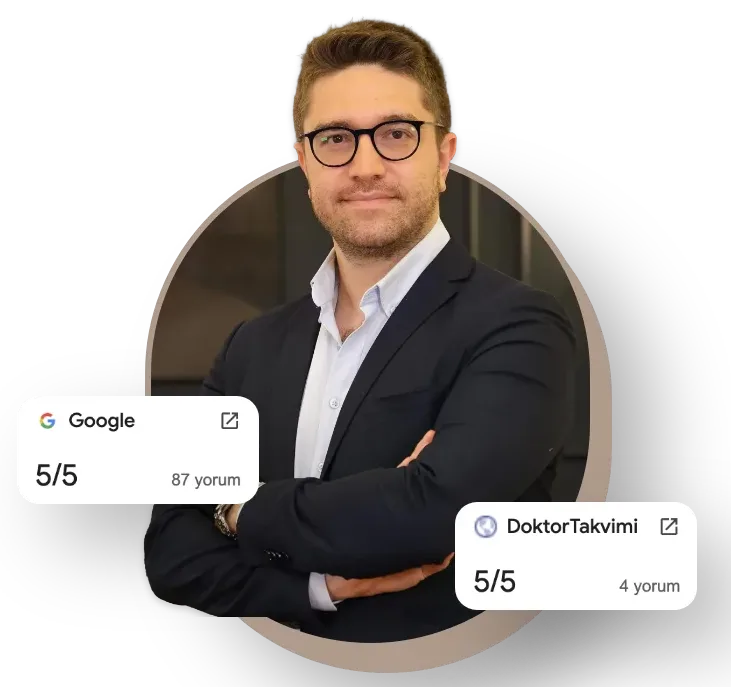
Op. Dr. Erman Ak is an internationally experienced specialist known for facial, breast, and body contouring surgeries in the field of aesthetic surgery. With his natural result–oriented surgical philosophy, modern techniques, and artistic vision, he is among the leading names in aesthetic surgery in Türkiye. A graduate of Hacettepe University Faculty of Medicine, Dr. Ak completed his residency at the Istanbul University Çapa Faculty of Medicine, Department of Plastic, Reconstructive and Aesthetic Surgery.
During his training, he received advanced microsurgery education from Prof. Dr. Fu Chan Wei at the Taiwan Chang Gung Memorial Hospital and was awarded the European Aesthetic Plastic Surgery Qualification by the European Board of Plastic Surgery (EBOPRAS). He also conducted advanced studies on facial and breast aesthetics as an ISAPS fellow at the Villa Bella Clinic (Italy) with Prof. Dr. Giovanni and Chiara Botti.
Op. Dr. Erman Ak approaches aesthetic surgery as a personalized art, tailoring each patient’s treatment according to facial proportions, skin structure, and natural aesthetic harmony. His expertise includes deep-plane face and neck lift, lip lift, buccal fat removal (bichectomy), breast augmentation and lifting, abdominoplasty, liposuction, BBL, and mommy makeover. He currently provides safe, natural, and holistic aesthetic treatments using modern techniques in his private clinic in Istanbul.