Deutsch
 Türkçe
 Nederlands
 Français
 Svenska
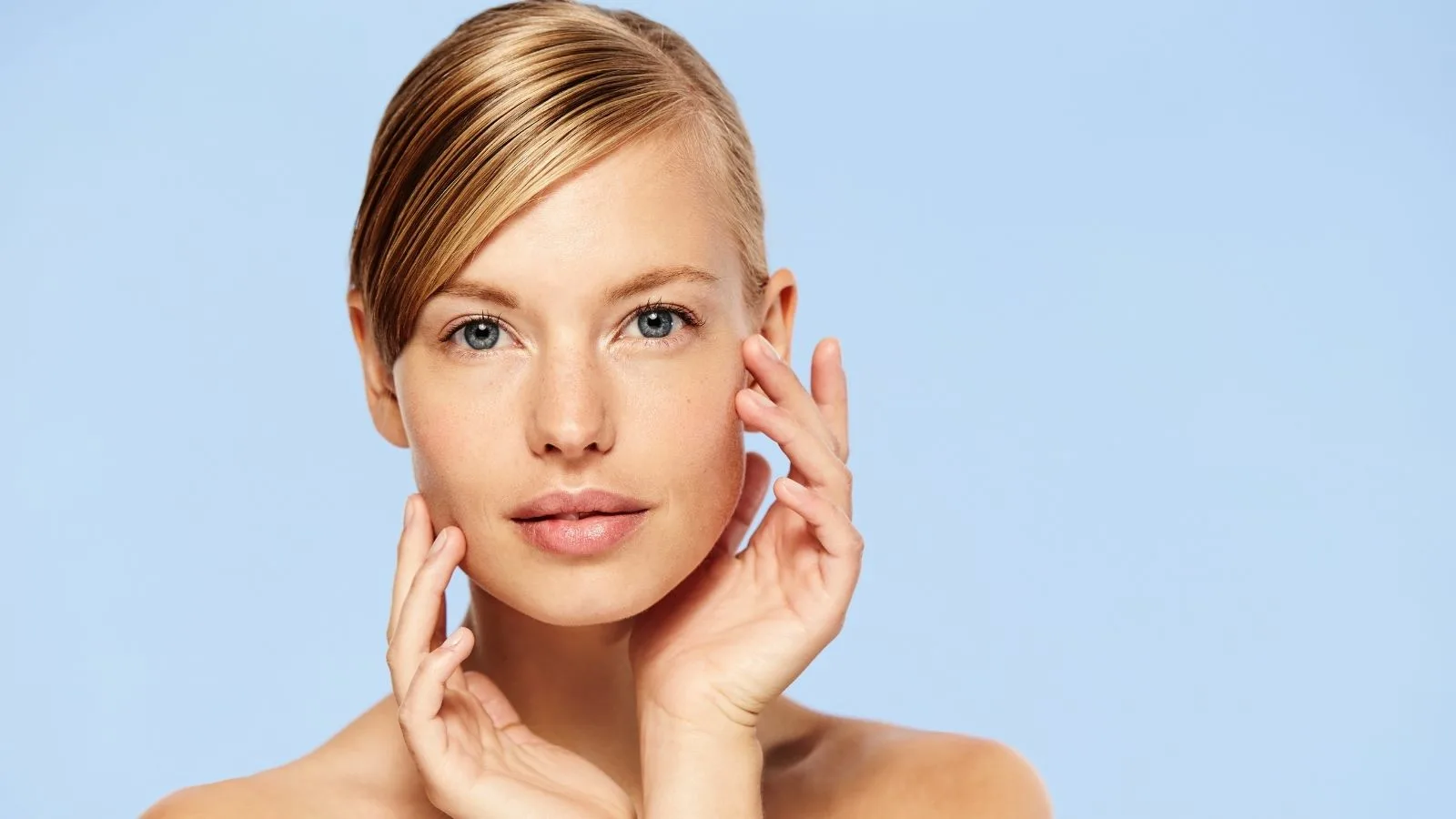
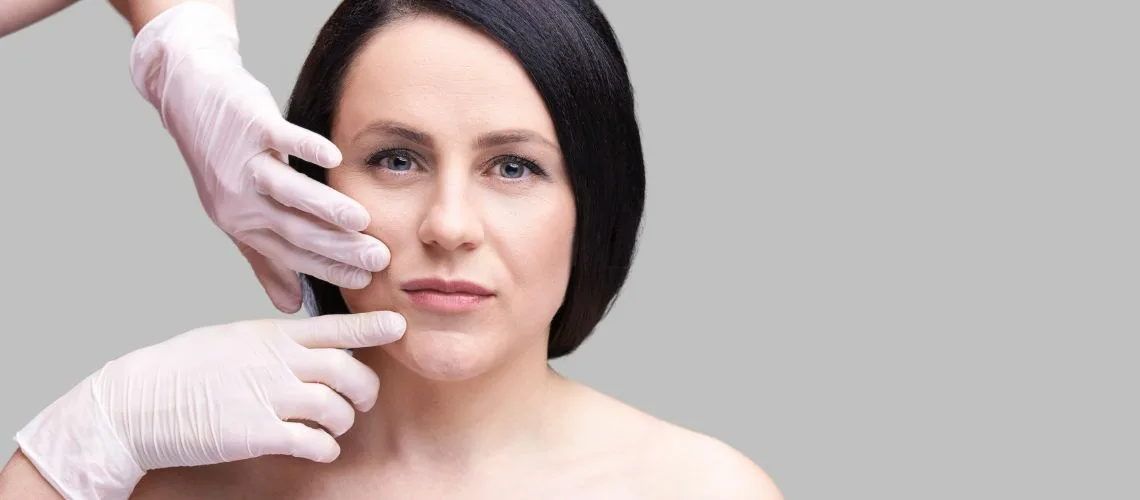
A triangular face shape is characterized by a wide jawline and a narrow forehead. Unlike the inverted triangle shape, the lower face is more dominant than the upper region. This face type has a strong jaw structure and may require specific aesthetic approaches to achieve facial harmony.
In triangular faces, the forehead is typically narrow, and the cheekbones are moderately prominent. The dominance of the lower facial volume can make the face appear heavier toward the bottom. In such cases, procedures that enhance the upper face are often preferred.
Filler applications, especially in the temple and cheekbone areas, play a balancing role. By widening the forehead and softening the jawline, the face gains a more proportionate appearance. When necessary, jawline reduction procedures can also be applied.
Makeup and hairstyle choices should be tailored to the triangular face shape. Haircuts that add volume to the upper part of the head and makeup techniques that highlight the forehead area support the overall facial symmetry. For this face type, balance is the top priority in aesthetic planning.
| Things to Know | Information |
| Definition | The triangular face shape features a narrow and small forehead combined with a wide, prominent jawline. It resembles an inverted heart shape with a dominant chin area. |
| General Features | The forehead is narrow, cheekbones are moderately defined, and the jaw is wide and angular. The lower part of the face is broader than the upper part. |
| Aesthetic Appearance | It offers a strong, striking, and characteristic facial expression. However, the disproportionate jawline may result in a harsh appearance. |
| Suitable Aesthetic Procedures | Filler applications can be performed to add volume to the forehead and cheekbones. The jawline can be softened or reduced. |
| Makeup and Hair Preferences | Voluminous hairstyles that make the forehead appear wider and more balanced (e.g., side bangs) are recommended. Highlighters can be applied to the cheekbones. |
| Aesthetic Goal | The goal is to broaden the upper face and reduce the dominance of the lower face to achieve a more balanced and proportionate look. |
| Suitability | In individuals with a triangular face structure, balance is the foundation of aesthetic planning; volume-enhancing procedures focused on the forehead and cheekbones are prioritized. |
What Does a Triangular Face Shape Represent?
When we talk about a triangular face shape, we should actually imagine an upside-down triangle. In this geometric analogy, the wide base of the triangle is located at the temples and cheekbone level, while the pointed tip lies below, at the chin area. This structure also leads to the face being referred to as “heart-shaped.” Aesthetically, the most prominent features of this form are the strong, lifting stance of the cheekbones and the jawline’s sharply defined separation from the neck.
The reason this form is so popular in the aesthetic world lies within the evolutionary codes of human perception. A wide upper face and narrow lower face biologically symbolize youth. This is because the aging process, influenced by gravity, causes facial volume to shift downward, disrupting this ideal triangle. Therefore, the V-Form is not just a geometric shape but also proof that the facial tissues are firm, lifted, and youthful. A large portion of modern aesthetic procedures aims to restore this lost form or, in individuals who do not naturally have it, to create the illusion of it and thereby achieve the desired perception.
How to Tell in the Mirror If You Have a Triangular Face Shape?
Analyzing your own face shape is the first step toward making the right aesthetic decisions. To do this, stand in front of a mirror in a well-lit environment and pull your hair completely back to expose your facial features. To determine a triangular face shape, observe the proportional relationship between three main areas of the face: the forehead, cheekbones, and jaw angles. If your forehead and cheekbones are similar in width—or if your cheekbones are the widest part of your face—and the lines descending from there sharply narrow at the chin, your face likely has V-Form characteristics.
The most critical point in this analysis is the slope of the jawline. Follow the bone line with your fingers from the earlobe down to the chin. If this line descends straight or slightly inward without curving outward, it indicates a triangular form. However, if your jaw angles noticeably protrude or the lower face is as wide as the upper face, this suggests more of a square face shape. Fullness in your cheeks can also be misleading; even if your bone structure is triangular, excess fat tissue in the cheeks can make the face appear rounder.
Why Is the Golden Ratio So Influential in the Perception of Ideal Beauty?
Known as the mathematical formula of beauty, the Golden Ratio is a fundamental principle that governs aesthetic perception in nature, art, architecture—and the human face. The human eye instinctively finds objects and faces with this ratio of 1.618 more beautiful and harmonious. In facial aesthetics, this ratio is not limited to the proportion of facial length to width; it’s sought in every detail from the distance between the eyes to lip width, from nose length to chin position.
The V-Form is the face type where the balance of the Golden Ratio is best achieved. The sharpness and position of the chin balance the vertical and horizontal proportions of the face. If the chin is too short, too wide, or asymmetric, this ratio is disrupted and facial harmony is lost. For example, in someone with a receding chin, the nose may appear larger than it actually is. The aim of aesthetic procedures is not just to change a single area but to ensure that change contributes to the overall mathematical balance of the face. What makes a face beautiful is not the individual perfection of its parts but their proportional harmony with each other.
Why Does the Youth Triangle Reverse with Age?
In our youth, our face typically has that ideal inverted triangle form—wider at the top and narrower at the bottom. The subcutaneous tissues are full, the connective tissues are firm, and they resist gravity. However, over time, this structure gradually changes. With aging, the “Youth Triangle” begins to reverse; the center of gravity of the face shifts downward. Volume that once resided in the upper face descends toward the jawline and neck, broadening the lower face.
The main reasons for this change include:
- Loss of collagen
- Decrease in elastin
- Bone resorption
- Displacement of fat pads
- Loosening of connective tissues
Fat tissue in the midface either diminishes or sags, reducing the prominence of the cheekbones while creating jowling along the jawline and around the mouth. This process leads to what is commonly referred to as “bulldog cheeks.” When the skin loses its elasticity, the definition of the jaw contour fades, and the face takes on a more square or rectangular form. The primary goal of V-Form aesthetics is to reverse this process by restoring volume upward in the face and slimming the lower face to reconstruct the youthful triangle.
What Are the Anatomical Reasons Behind a Broad Face?
The underlying reasons for a broad lower face and deviation from the ideal V-Form vary from person to person. The success of treatment depends on correctly diagnosing the source of this width. The factors that make the face appear broad generally fall into three main categories: Muscle, Fat, and Bone. Sometimes only one of these factors is influential, while in other cases, several may be present simultaneously.
The first factor is muscle structure. Overdevelopment of the chewing muscles causes the face to widen laterally. The second factor is fat tissue. Independent of general body fat, stubborn fat pads in the cheek area can make the face appear round. The third and most fundamental factor is bone structure. A congenitally wide, angular, or outward-protruding jawbone (mandible) is the main reason for a square-looking face. Interventions made without understanding these anatomical differences not only fail to produce the desired results but may also lead to facial disharmony. For example, performing only fat removal on someone whose issue is bone-related will not slim the face and may instead distort the contours.
How Does Teeth Clenching Affect Facial Shape?
Today’s stressful lifestyle leads many people to unknowingly develop teeth clenching or grinding (bruxism) habits. This often occurs during sleep and causes excessive activity of the “Masseter” muscle located on the sides of the jaw. Like other muscles in our body, the masseter muscle increases in volume and strength with excessive use (hypertrophy). This results in the lower face widening and taking on a more angular appearance.
Symptoms of masseter hypertrophy include:
- Morning headaches
- Jaw joint pain
- Tooth sensitivity
- Square face appearance
- Tooth wear
Especially in women, this condition can masculinize the face, masking delicate and feminine features and giving a harsher, more masculine look. Individuals may feel their face is widening even if they haven’t gained weight. If the primary cause of facial widening is muscle enlargement, the solution lies in medical treatments to relax the muscle, not surgery. Correct diagnosis at this point prevents unnecessary surgical procedures and offers a more practical solution.
Is It Possible to Slim the Face with Masseter Botox?
When facial width is caused by muscle hypertrophy, “Masseter Botox” (Jaw Botox) is one of the most effective and popular solutions offered by aesthetic medicine. This procedure aims to slim the lower part of the face without surgery. Botulinum toxin is injected into the overdeveloped masseter muscle, temporarily blocking its communication with nerves. The muscle, unable to contract, gradually undergoes “disuse atrophy”—meaning it weakens and shrinks in volume due to lack of use.
Advantages of the procedure include:
- Short application time
- No recovery period
- Painless procedure
- Effective in treating teeth clenching
- Facial contour slimming
The application takes about 10 minutes, and the person can immediately return to their daily activities. Effects begin to be felt within the first week, but visible facial slimming and emergence of the V-Form usually take 3–4 weeks. The full effect duration varies by individual but averages 4–6 months. With regular treatments, the muscle becomes less likely to return to its former size, allowing the achieved slimness to be maintained longer. This method not only addresses aesthetic concerns but also relieves bruxism-related pain, improving quality of life.
How Is the Jawline Enhanced with Filler Applications?
To achieve a V-Form face, slimming the sides alone is not enough; the chin tip must also have a projection and sharpness that complements this slimness. In some individuals, the face may not be wide, but if the chin is recessed, small, or indistinct, the face appears round. An undefined jawline makes the neck and face look merged and emphasizes double chin problems.
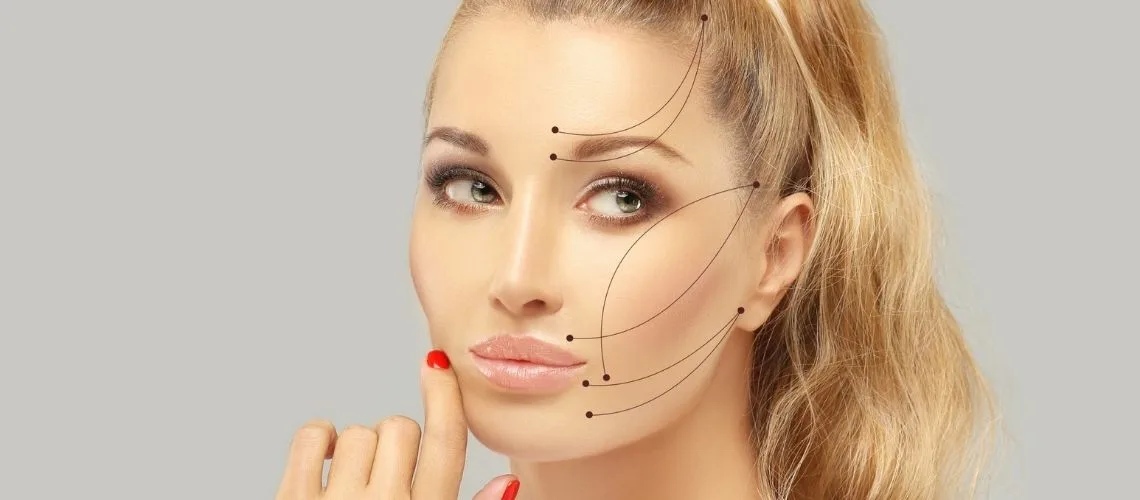
In such cases, hyaluronic acid-based fillers come into play. “Jawline Filler” is applied along the jawbone line and chin tip to mimic the bone structure. By slightly extending the chin forward and downward, the vertical dimension of the face is increased, making the face look slimmer and longer. At the same time, the line descending from the jaw corners to the chin tip is sharpened. When combined with masseter botox—slimming the sides and highlighting the tip—the resulting “Youth Triangle” becomes much more striking. The longevity of fillers depends on the density of the material used and typically lasts 1–2 years.
Who Is a Good Candidate for Buccal Fat Removal (Bichectomy)?
If facial roundness and width are due to stubborn fat tissue in the cheek area—not muscle or bone—then “Bichectomy” is the appropriate intervention. In the deeper layers of the cheeks lie fat pads known as “Bichat” pads. These fats are resistant to weight loss and genetically more abundant in some individuals. No matter how slim a person is, these fat pads can cause the face to remain chubby or “baby-faced,” and the cheekbones may remain undefined.
Post-bichectomy care considerations:
- Oral hygiene
- Soft food diet
- Cold compress
- Avoiding smoking
- Avoiding hot baths
Bichectomy involves the permanent removal of these fat pads through a small incision inside the mouth, leaving no visible scars. The slight hollowing of the cheeks after fat removal reveals the cheekbones and jawline, creating a natural contour (shadow). However, this procedure is not suitable for everyone. For individuals with already thin faces or sagging skin due to age, fat removal may make the face appear hollow and tired. Thus, proper patient selection is the most critical factor for successful outcomes.
What Surgical Options Are Suitable for Those with a Broad Bone Structure?
If facial width is due to a “broad mandibular bone,” botox or fat removal targeting soft tissue will be insufficient. To alter a skeletal structure with pronounced, outward-angled, square jaw corners, surgical procedures involving the bone are required. This condition is typically structural and genetic.
In such cases, “Mandibular Angle Reduction” or jaw contouring surgeries are performed. Through an intraoral approach, excess bone tissue at the jaw corners is shaved or cut away. This narrows the facial skeletal structure, resulting in a softer, more oval contour. The procedure is permanent and fundamentally changes the face shape. If there are also bite alignment issues, such as the lower jaw being too far forward or backward relative to the upper jaw, Orthognathic Surgery may be necessary, repositioning the jawbones. These are advanced surgical techniques with longer and more demanding recovery periods, but they offer dramatic and lasting results.
Why Is a Holistic Treatment Plan Important?
One of the most common mistakes in aesthetic surgery is focusing on a single issue without evaluating the face as a whole. Yet the V-Form is a total concept, and each face has different needs. For a successful outcome, the patient’s anatomy, skin quality, degree of aging, and expectations must all be considered together. Simply slimming the cheeks may not suffice; supporting the chin, tightening the neck area, or filling hollows in the temple area may also be necessary.
Steps of treatment planning:
- Detailed analysis
- Identifying the root cause
- Selecting the appropriate method
- Combining treatment strategies
- Setting realistic expectations
For instance, in a patient with both muscle hypertrophy and a recessed chin, botox alone may provide some slimming but will not achieve the ideal V-Form. In such a case, combining botox and filler (non-surgical profiloplasty) would be far more effective. Or for a patient with sagging skin, bichectomy may be risky, while combining it with a facelift would be a better option. The physician’s role is to outline the most suitable, most natural, and most sustainable roadmap for the patient in the long term.
Frequently Asked Questions
How is a triangular face shape defined, and what are its anatomical features?
A triangular face shape features a wide and prominent chin area, with a narrower forehead and temples. These proportions make the lower part of the face more dominant, giving it a characteristic appearance.
What are the aesthetic goals for people with a triangular face shape?
The main goal is to broaden the upper face and balance the dominance of the lower face. Aesthetic planning focuses on adding volume to the forehead, temples, and cheekbones.
Which filler applications are most effective for a triangular face shape?
Fillers applied to the temples and cheekbones highlight the upper face and balance the weight of the chin. Softening the jawline with fillers also improves facial proportions.
What aesthetic surgeries benefit those with a triangular face type?
Fat transfer to the forehead and cheeks, cheekbone implants, and chin reduction surgeries can be effective in balancing a triangular face shape.
What should be considered when choosing a hairstyle for a triangular face shape?
Layered haircuts or bangs that add volume to the forehead area can help balance the upper face. Styles that hug the nape or emphasize the chin should be avoided.
How should the jawline be shaped in triangular face types?
A sharp and wide jawline can be contoured with softening fillers for a more balanced appearance. If necessary, surgical options like jaw shaving can also be considered.
How do signs of aging appear in triangular face types?
Because the jawline is prominent, volume loss in the cheeks becomes more noticeable with age. Therefore, maintaining volume in the upper face is important for a youthful aesthetic look.
How is aesthetic planning done for men with a triangular face structure?
A wide jawline can be a desirable feature in men. However, if it’s overly dominant, adding volume to the cheekbones can balance the upper face and create better facial symmetry.
What is the ideal eyebrow shape for a triangular face?
Slightly arched and horizontally extending brows make the upper face appear wider, balancing the emphasis on the chin. Very thin or downward-sloping brows should be avoided.
Which eyewear styles are ideal for people with a triangular face type?
Thick-rimmed or angular glasses on the upper part of the frame make the upper face appear wider and more balanced. Narrow or lower-heavy frames that emphasize the jawline should be avoided.
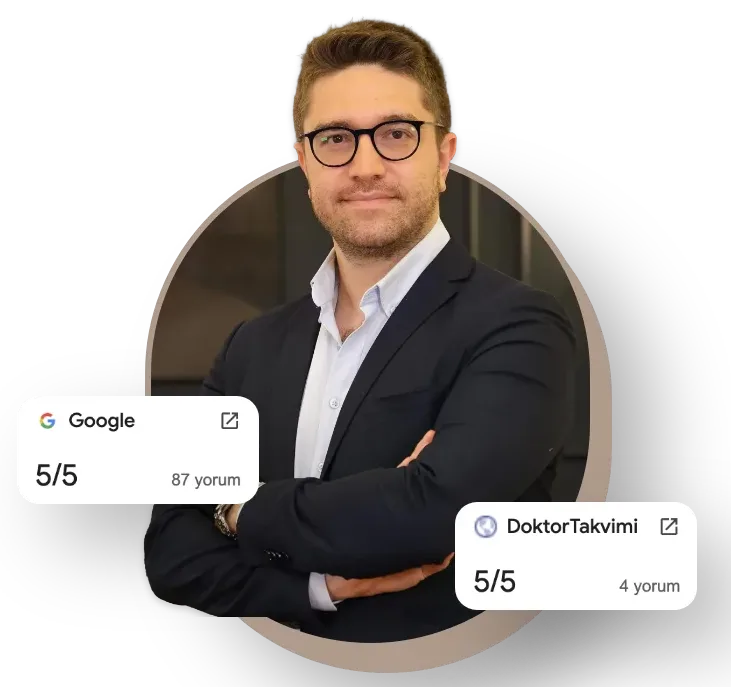
Op. Dr. Erman Ak is an internationally experienced specialist known for facial, breast, and body contouring surgeries in the field of aesthetic surgery. With his natural result–oriented surgical philosophy, modern techniques, and artistic vision, he is among the leading names in aesthetic surgery in Türkiye. A graduate of Hacettepe University Faculty of Medicine, Dr. Ak completed his residency at the Istanbul University Çapa Faculty of Medicine, Department of Plastic, Reconstructive and Aesthetic Surgery.
During his training, he received advanced microsurgery education from Prof. Dr. Fu Chan Wei at the Taiwan Chang Gung Memorial Hospital and was awarded the European Aesthetic Plastic Surgery Qualification by the European Board of Plastic Surgery (EBOPRAS). He also conducted advanced studies on facial and breast aesthetics as an ISAPS fellow at the Villa Bella Clinic (Italy) with Prof. Dr. Giovanni and Chiara Botti.
Op. Dr. Erman Ak approaches aesthetic surgery as a personalized art, tailoring each patient’s treatment according to facial proportions, skin structure, and natural aesthetic harmony. His expertise includes deep-plane face and neck lift, lip lift, buccal fat removal (bichectomy), breast augmentation and lifting, abdominoplasty, liposuction, BBL, and mommy makeover. He currently provides safe, natural, and holistic aesthetic treatments using modern techniques in his private clinic in Istanbul.