Türkçe
Fear of surgery can be brought under control with proper information and psychological support. Although uncertainties about the surgical procedure may increase anxiety, detailed information obtained from your physician and clarification of the risks and the process reduce fear. Conscious preparation and a sense of trust make the surgical process more manageable.
Among the methods for overcoming fear of surgery, cognitive behavioral techniques and breathing exercises stand out. Focusing on scientific facts instead of negative scenarios contributes to the reduction of stress hormones. When necessary, seeking psychological counseling supports the professional management of preoperative anxiety.
Anxiety management before a surgical operation is directly related to strengthening patient-physician communication. Receiving clear information about the anesthesia process, possible complications, and the recovery period builds trust. Planned preparation, social support, and regular sleep significantly reduce preoperative stress levels.
The psychological preparation process before surgery includes both mental and physiological adaptation. Meditation, relaxation techniques, and controlled breathing practices balance heart rate. Establishing realistic expectations and planning recovery goals help reduce fear that develops toward surgical intervention.
Why Does Fear of Surgery Occur?
Fear of surgery is often a natural and expected response. A surgical procedure means an invasive intervention to the body, and this situation triggers the stress response in the organism. The structure in the brain called the amygdala is associated with threat perception and may evaluate surgery as a potential risk. As a result, the sympathetic nervous system is activated; heart rate accelerates, muscle tension increases, and the person may feel restlessness.
The main causes of fear may include:
- Concern about not waking up or losing control during anesthesia
- Fear of postoperative pain
- The possibility of developing complications
- The thought of hospitalization and being alone
- Previously experienced negative medical experiences
These factors may vary depending on personal history, psychological resilience, and current health status.
Effects of Preoperative Anxiety on the Body
Preoperative anxiety is not only a psychological condition; it can also produce physiological consequences. High levels of anxiety cause an increase in stress hormones such as cortisol and adrenaline. This condition may be associated with elevated blood pressure, sleep disturbances, and increased perception of postoperative pain.
Some studies have reported that individuals who experience intense anxiety before surgery perceive the recovery process as more difficult and have greater difficulty with pain control. However, this situation does not apply to every patient. Individual differences play an important role.
How Can Fear of Surgery Be Reduced?
It may not always be possible to completely eliminate fear of surgery; however, with appropriate approaches, the level of anxiety can be significantly reduced.
1. Obtaining Accurate and Reliable Information
Uncertainty is one of the most important triggers of anxiety. Detailed information provided by the physician about the planned surgical procedure, explanation of the steps of the process, and balanced communication of possible risks may increase the patient’s sense of control.
The important point here is to avoid misinformation. Unverified content on the internet may increase anxiety. Directing questions directly to the surgeon or the relevant specialist is a healthier approach.
2. Understanding the Anesthesia Process
Fear of anesthesia is quite common. However, modern anesthesia practices are carried out with advanced monitoring systems (continuous monitoring of vital signs). The anesthesiologist closely monitors the patient’s breathing, heart rhythm, and oxygen level throughout the surgery.
The pre-anesthesia evaluation includes factors such as existing diseases, medications used, and allergies. This assessment aims to minimize potential risks. Meeting with the anesthesiologist may reduce the feeling of uncertainty.
3. Breathing and Relaxation Techniques
In situations of anxiety, breathing becomes shallow and rapid. Techniques such as diaphragmatic breathing (abdominal breathing) activate the parasympathetic nervous system and support the body’s relaxation response.
Slow and controlled breathing exercises, when practiced regularly in the days before surgery, may reduce heart rate and muscle tension. In some patients, meditation, mindfulness, or light relaxation exercises may also be beneficial.
4. Psychological Support
Psychological support may be beneficial for individuals who experience intense fear of surgery that affects daily life. Especially in people who have previously had traumatic medical experiences, methods such as cognitive behavioral therapy have been found effective in reducing anxiety levels.
When necessary, short-term anxiolytic (anxiety-reducing) medication support may be planned by a psychiatrist. Such treatments must be applied under medical supervision.
5. Social Support and Communication
Sharing feelings with family members or close friends may reduce the feeling of loneliness. Having a support person present during the surgical process may increase the patient’s psychological sense of safety.
In addition, establishing open communication with the healthcare team, asking questions without hesitation, and expressing expectations are important.
In Which Situations Is Professional Support Necessary?
If the thought of surgery leads to intense panic attacks, sleep loss, palpitations, or constant postponement of the operation, professional support may be required. This condition may be associated with an anxiety disorder.
Delaying a health problem that requires surgical intervention solely due to fear may pose risks in some diseases. Therefore, if the level of anxiety cannot be controlled, it is appropriate to consult a mental health professional.
Is Fear of Surgery Normal?
Fear of surgery is a human response that can be seen in most individuals. This condition is not a sign of weakness. On the contrary, it is a natural defense response of the body and mind to the unknown.
What is important is recognizing this fear and bringing it to a manageable level. With proper information, support, and professional help when necessary, the surgical process can be experienced in a more balanced way.
Frequently Asked Questions
Why do many patients experience fear of surgery before a planned operation?
What are the most effective ways to overcome fear of surgery before the procedure?
Can anxiety before surgery affect recovery and surgical outcomes?
How can patients mentally prepare themselves for an upcoming surgery?
Does talking to a surgeon help reduce fear of surgery and anesthesia?
What relaxation techniques can help manage preoperative anxiety naturally?
Why are some patients more afraid of anesthesia than the surgery itself?
Can support from family and friends help overcome fear of surgery?
When should severe fear of surgery be discussed with a healthcare professional?
What experiences do patients commonly report after overcoming fear of surgery?
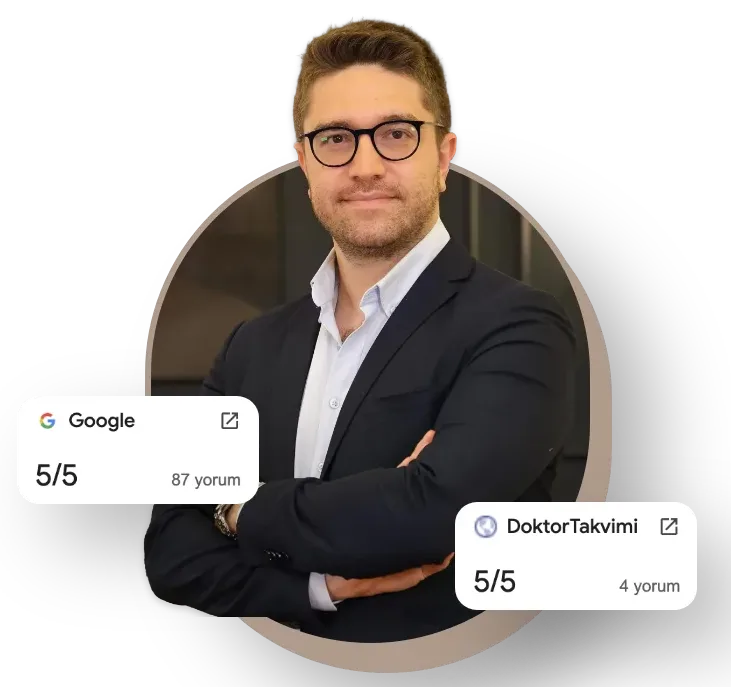
Op. Dr. Erman Ak is an internationally experienced specialist known for facial, breast, and body contouring surgeries in the field of aesthetic surgery. With his natural result–oriented surgical philosophy, modern techniques, and artistic vision, he is among the leading names in aesthetic surgery in Türkiye. A graduate of Hacettepe University Faculty of Medicine, Dr. Ak completed his residency at the Istanbul University Çapa Faculty of Medicine, Department of Plastic, Reconstructive and Aesthetic Surgery.
During his training, he received advanced microsurgery education from Prof. Dr. Fu Chan Wei at the Taiwan Chang Gung Memorial Hospital and was awarded the European Aesthetic Plastic Surgery Qualification by the European Board of Plastic Surgery (EBOPRAS). He also conducted advanced studies on facial and breast aesthetics as an ISAPS fellow at the Villa Bella Clinic (Italy) with Prof. Dr. Giovanni and Chiara Botti.
Op. Dr. Erman Ak approaches aesthetic surgery as a personalized art, tailoring each patient’s treatment according to facial proportions, skin structure, and natural aesthetic harmony. His expertise includes deep-plane face and neck lift, lip lift, buccal fat removal (bichectomy), breast augmentation and lifting, abdominoplasty, liposuction, BBL, and mommy makeover. He currently provides safe, natural, and holistic aesthetic treatments using modern techniques in his private clinic in Istanbul.