Türkçe

Loss of sensation due to silicone after breast aesthetics surgery can rarely be observed; this condition mostly results from the temporary effect on nerve conduction related to the surgical incision line and tissue manipulation. The implant itself does not directly cause nerve damage, but the surgical process may lead to sensory changes.
Loss of sensation after breast augmentation surgery generally occurs in the nipple and surrounding area and is temporary in most cases. Nerves that are stretched during surgery or compressed due to edema tend to heal over time. Permanent sensory loss is reported at a very low rate and is related to the surgical technique.
Sensory changes after silicone implants may vary depending on the patient’s anatomical structure, the plane in which the implant is placed, and the volume of the prosthesis. Submuscular or subglandular placement preferences may affect the distance to nerve tissues and thus influence the healing process. For this reason, surgical planning is individualized.
The risk of permanent loss of sensation in breast aesthetics is minimized by choosing an experienced surgeon and using appropriate surgical techniques. The patient’s existing sensory status is evaluated before surgery, and potential risks are explained in detail. The postoperative follow-up process is important for monitoring sensory changes.
How Does Breast Sensation Occur? The Importance of Nerve Anatomy
Sensation of the breast tissue is mainly provided by branches of the intercostal nerves (nerves between the ribs). In particular, the 4th intercostal nerve is responsible for a significant portion of nipple (areola and papilla) sensation.
These nerves progress through the subcutaneous tissue and reach the nipple. During breast aesthetic surgeries, factors such as incisions, pocket creation (implant placement area), and tissue stretching may temporarily or, rarely, permanently affect these nerve structures.
The important point here is:
The cause of sensation loss is not the silicone itself, but the effect on the nerves during the surgical procedure.
Does a Silicone Implant Directly Cause Loss of Sensation?
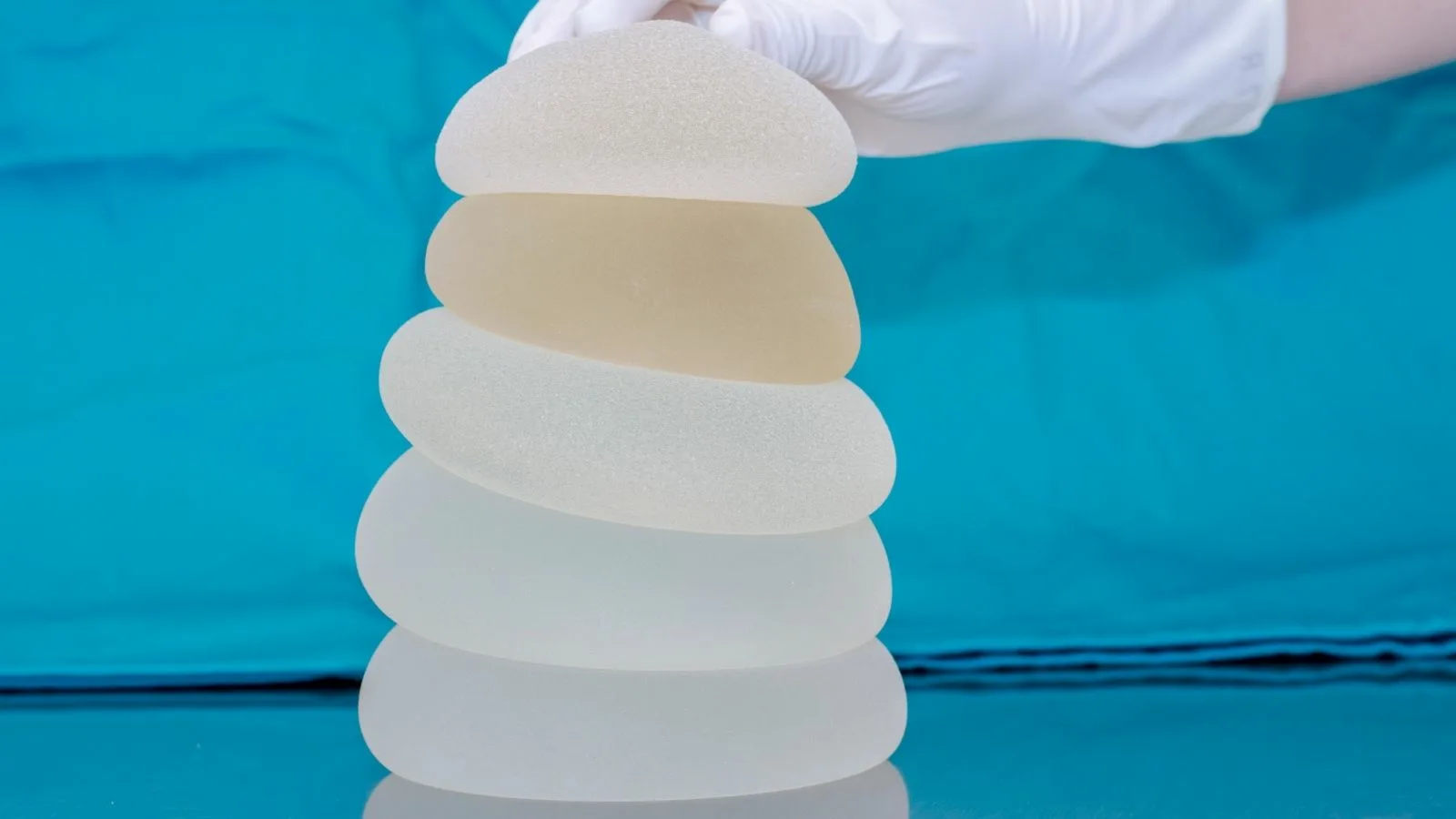
Silicone implants are produced from biocompatible materials and do not directly cause nerve damage. However, indirect effects may occur:
- Nerve branches may be stretched while the pocket where the implant is placed is expanded.
- Large-volume implants may cause greater tension in the tissue.
- Incisions made close to the nipple may affect nerve conduction.
Therefore, loss of sensation results not from the chemical structure of silicone, but from surgical technique and anatomical factors.
What Types of Sensory Changes May Be Seen After Breast Aesthetics?
Three main sensory changes are described after surgery:
1. Hypoesthesia (Reduced Sensation)
It is a decrease in sensation in the breast or nipple. It is the most common condition and is usually temporary.
2. Anesthesia (Complete Loss of Sensation)
It is seen more rarely. It occurs when nerve conduction is seriously affected.
3. Hyperesthesia (Increased Sensitivity)
Some patients may experience excessive sensitivity after surgery. This condition usually appears during the nerve healing process.
In most cases, sensory changes are pronounced in the first weeks and tend to gradually improve within 3–6 months. Nerve tissue healing is a slow-progressing process.
Which Factors May Increase the Risk of Loss of Sensation?
The risk of sensory changes may vary depending on certain technical and individual factors:
- Incision made around the nipple (periareolar)
- Preference for very large-volume implants
- Thin breast tissue
- Smoking (may affect nerve healing by impairing microvascular circulation)
- Previous breast surgeries
However, the same outcome is not seen in every patient. Anatomical differences and surgical technique are decisive in this process.
Can Loss of Sensation Be Permanent?
Permanent sensory loss is a rare condition. Although the rates of permanent loss of sensation are reported to be low in the literature, they are not completely zero. Permanent anesthesia may develop especially in cases where the nerve is cut or severely damaged.
Nevertheless, in most patients:
- Reduced sensation in the first months
- Partial or complete return over time
- Rarely mild permanent reduction
a process like this is observed.
Nerve regeneration (restructuring) is a biological process that progresses at a millimetric speed. Therefore, it is generally recommended to wait at least 6–12 months to evaluate the final sensory status.
Does Breast Augmentation Surgery Affect Breastfeeding?
Loss of sensation and breastfeeding capacity are often confused. Having sensory changes after breast aesthetics does not always mean that milk production or breastfeeding function will be impaired.
Milk production is related to breast gland tissue and hormonal mechanisms. However, decreased nipple sensation may indirectly affect the milk ejection reflex (let-down reflex). This situation may vary individually.
When Should Patients Consult a Doctor?
After surgery, surgical evaluation is required in the following situations:
- Unilateral and significant loss of sensation
- Complete loss of sensation lasting longer than 6 months
- Severe burning, electric shock–like neuropathic pain
- Change in shape or hardness in the breast tissue
Not every sensory change means a complication; however, permanent or progressive findings should be evaluated.
Why Is Surgical Planning Important?
When planning breast aesthetics surgery:
- Implant size
- Placement plan (subglandular, submuscular, etc.)
- Incision site
- Thickness of the breast tissue
factors such as these should be evaluated in detail. The aim is both to meet aesthetic expectations and to ensure the protection of nerve structures.
For this reason, detailed examination before the operation and correct analysis of patient expectations are of great importance.
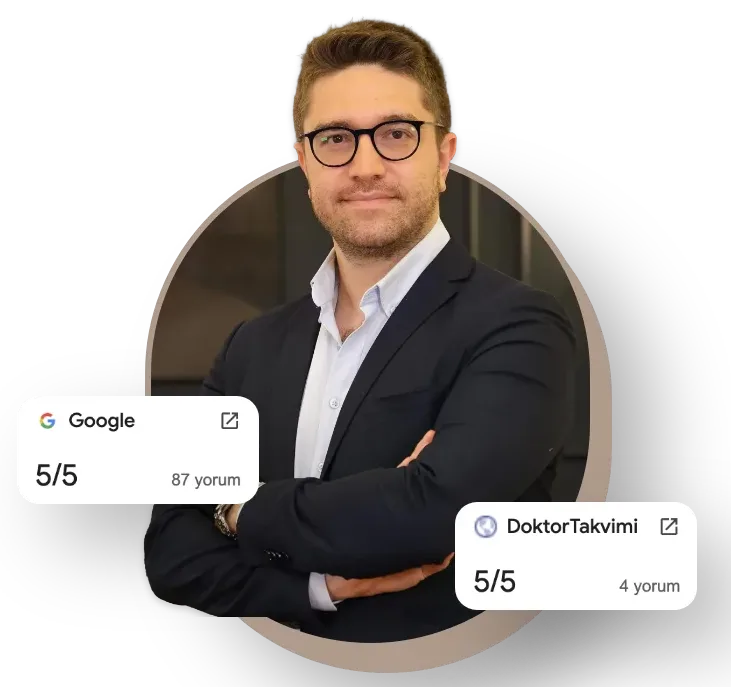
Op. Dr. Erman Ak is an internationally experienced specialist known for facial, breast, and body contouring surgeries in the field of aesthetic surgery. With his natural result–oriented surgical philosophy, modern techniques, and artistic vision, he is among the leading names in aesthetic surgery in Türkiye. A graduate of Hacettepe University Faculty of Medicine, Dr. Ak completed his residency at the Istanbul University Çapa Faculty of Medicine, Department of Plastic, Reconstructive and Aesthetic Surgery.
During his training, he received advanced microsurgery education from Prof. Dr. Fu Chan Wei at the Taiwan Chang Gung Memorial Hospital and was awarded the European Aesthetic Plastic Surgery Qualification by the European Board of Plastic Surgery (EBOPRAS). He also conducted advanced studies on facial and breast aesthetics as an ISAPS fellow at the Villa Bella Clinic (Italy) with Prof. Dr. Giovanni and Chiara Botti.
Op. Dr. Erman Ak approaches aesthetic surgery as a personalized art, tailoring each patient’s treatment according to facial proportions, skin structure, and natural aesthetic harmony. His expertise includes deep-plane face and neck lift, lip lift, buccal fat removal (bichectomy), breast augmentation and lifting, abdominoplasty, liposuction, BBL, and mommy makeover. He currently provides safe, natural, and holistic aesthetic treatments using modern techniques in his private clinic in Istanbul.