Deutsch
 Türkçe
 Nederlands
 Français
 Svenska
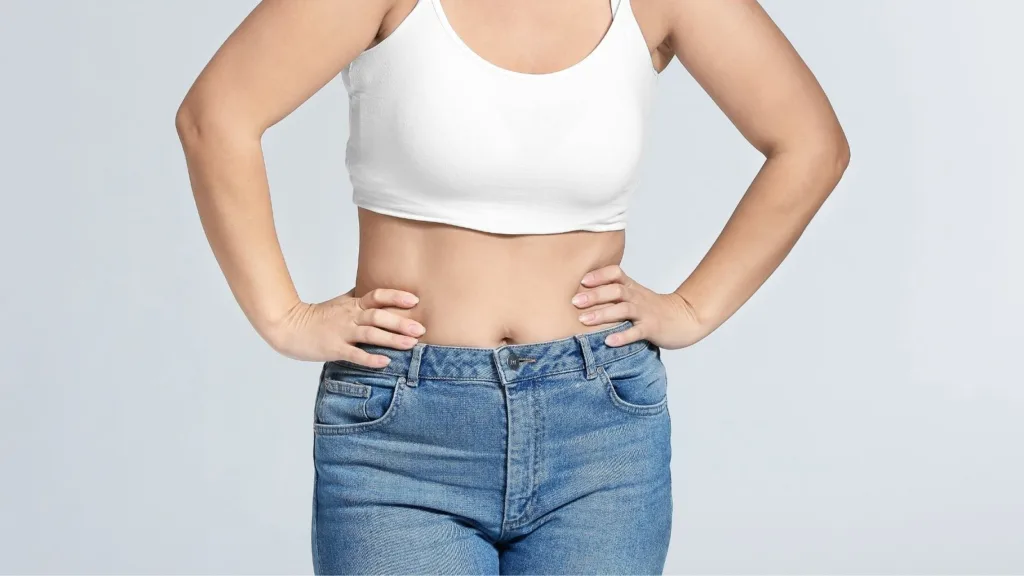
The oval body type is a body structure in which adipose tissue is predominantly accumulated around the abdomen and waist, and the proportions of the upper and lower body are overshadowed by widening in the waist region. The torso displays a rounded appearance, the waistline is not well defined, and central fat accumulation is dominant.
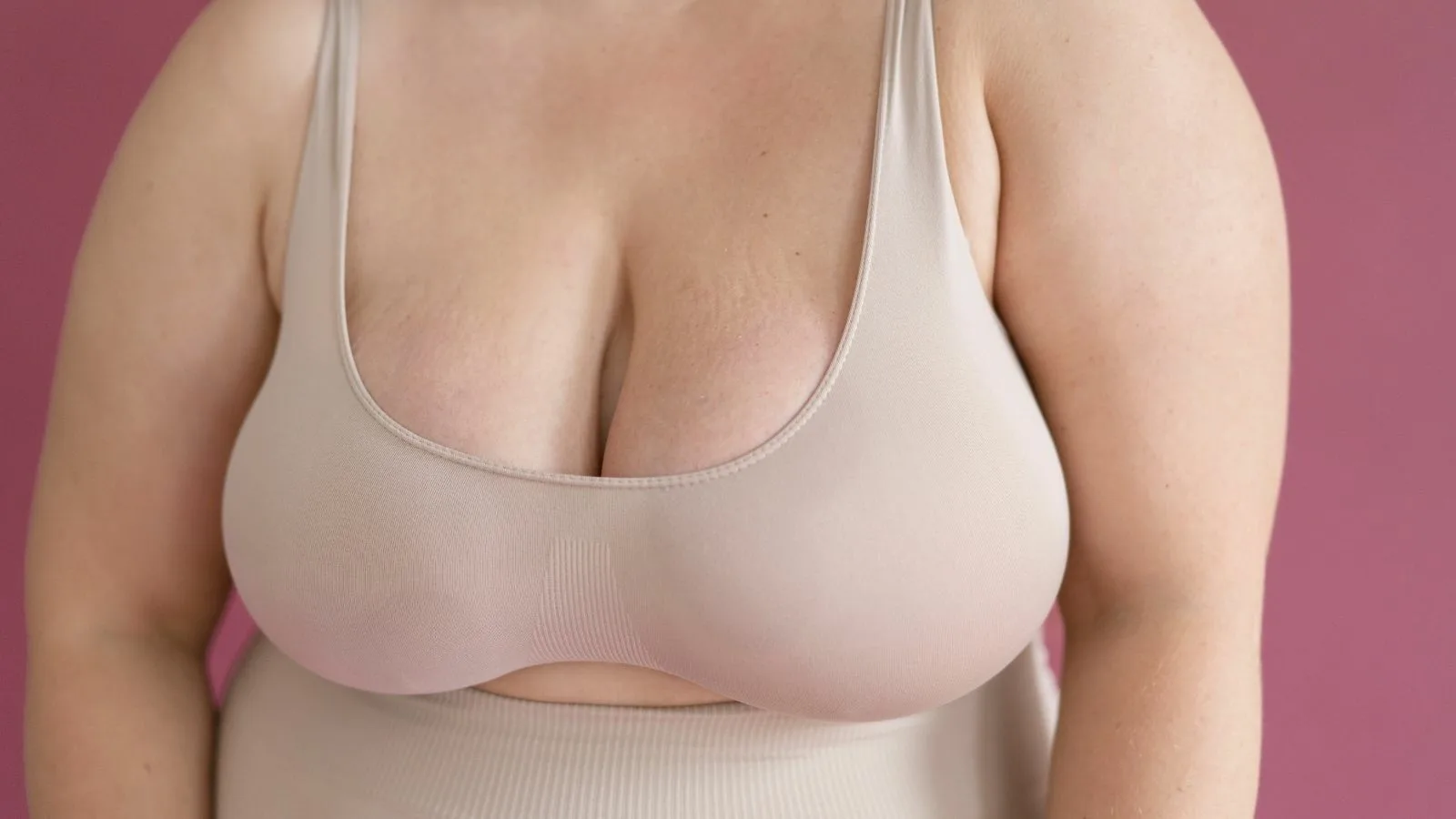
The characteristics of the oval body type are defined by increased volume in the chest and abdominal areas, widening around the waist, and the hips and shoulders appearing relatively narrower. Weight gain mostly occurs in the abdominal region; the extremities may remain slimmer compared to the torso.
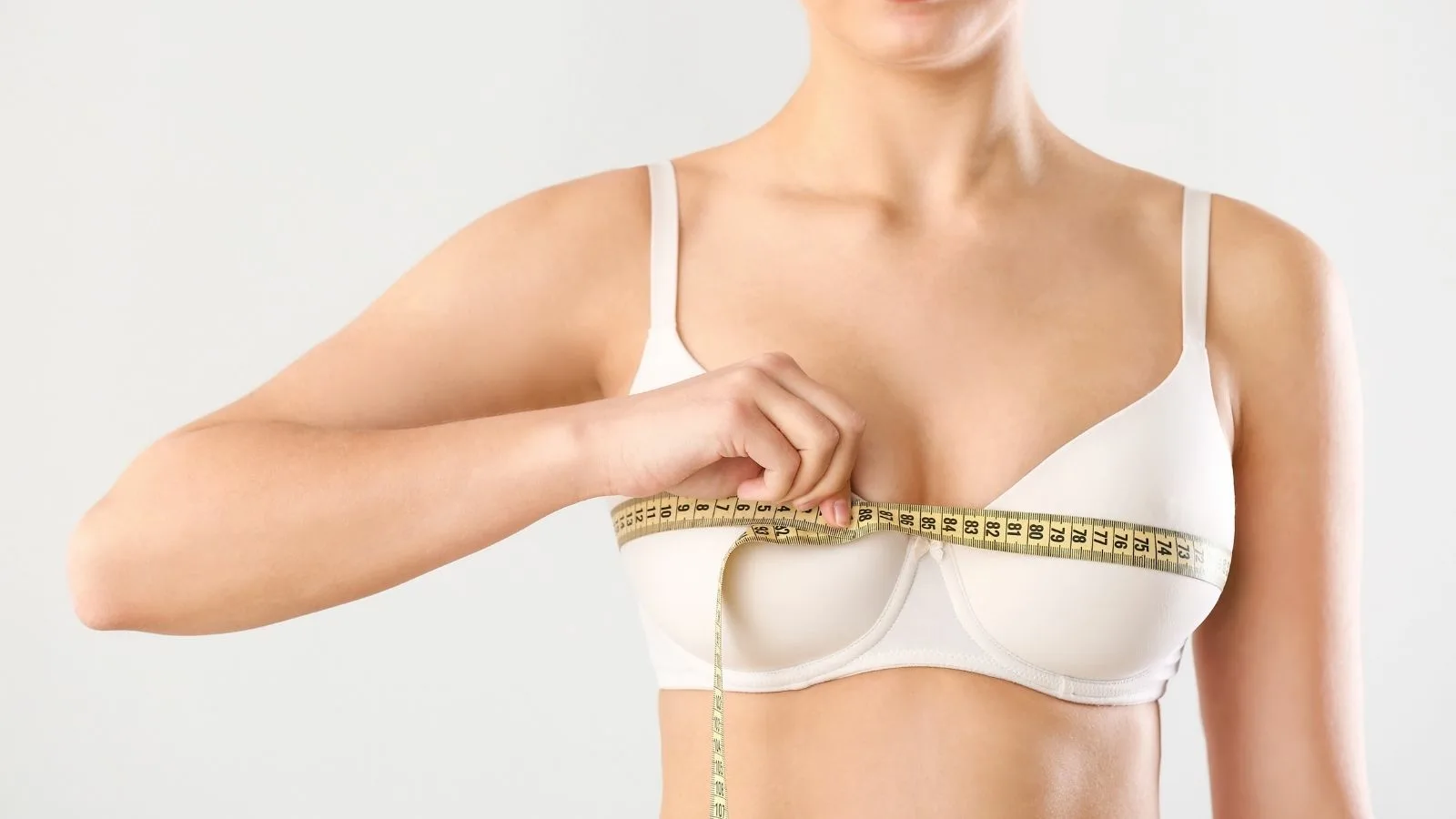
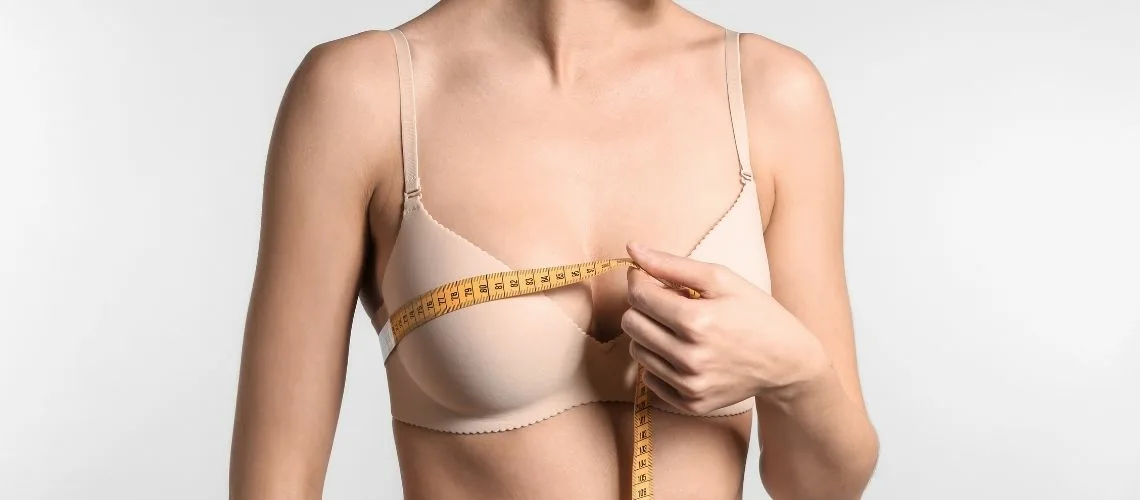
The question of how to identify the oval body type is answered through circumference measurements and ratio analysis. A waist circumference that is close to or larger than the hip circumference, a high waist-to-hip ratio, and centrally distributed fat accumulation are the main distinguishing criteria.
Fat distribution in the oval body type is associated with genetic predisposition, age, and hormonal factors. An increase in visceral fat tissue may affect metabolic processes; therefore, cardiometabolic risks may be more pronounced compared to other body types.
| Things You Should Know | Information |
| Definition of the oval body type | The oval body type is a body shape in which fat accumulation is concentrated in the center of the body—especially around the abdomen and waist—where shoulder and hip measurements are close to each other but the waist is wide. |
| Distinct physical characteristics | Wide waist circumference, abdominal roundness, narrow shoulders and hips. The body generally has a straight and rounded appearance from top to bottom. |
| How it is identified | If measurements taken with a tape measure show that the waist circumference is larger than both the shoulder and hip circumferences, it may indicate an oval body type. Fullness in the abdominal area and an indistinct waist are observed in the mirror. |
| Body measurement ratio | Waist circumference > Shoulder circumference ≈ Hip circumference. |
| Commonly seen gender | More common in women during the postmenopausal period and in men over middle age. Hormonal changes and lifestyle factors may be influential. |
| Advantages | With appropriate exercise and diet, weight loss becomes noticeably visible. As the waist circumference decreases, body shape can change rapidly. |
| Points to be aware of | Fat accumulation around the abdomen may pose risks in terms of cardiovascular diseases and metabolic syndrome. Regular exercise and dietary monitoring are important. |
| Suitable exercise types | Cardio (walking, running, cycling) and core exercises targeting the abdominal area are recommended. Resistance exercises are important to preserve muscle mass. |
| Nutritional recommendations | A nutrition plan that balances blood sugar and insulin levels, is high in fiber, and low in refined carbohydrates is recommended. Snacks should be controlled. |
| Clothing recommendations | Vertically striped garments that elongate the body, empire-cut dresses or A-line tunics that camouflage the abdominal area should be preferred. Details that emphasize the waist, such as belts, are recommended to be avoided. |
How Is the Oval Body Type Identified?
By standing in front of a mirror and examining your body contours, it is actually quite simple to determine whether you have this morphology. In individuals with an oval body type, the first striking detail is that the width of the body’s midsection dominates over the width of the shoulders and hips. The shoulders are generally rounded, the rib cage is wide, and the abdominal area protrudes forward. However, the most defining feature is that the lower body is surprisingly slender compared to the upper body. Your hips may be flat, your legs thin, and your ankles delicate. This contrast gives the impression that all the body’s weight is concentrated in the center of the torso.
The main visual characteristics that distinguish this body type from others are as follows:
- Wide rib cage
- Indistinct waist indentation
- Full abdominal area
- Flat hip structure
- Thin legs
- Rounded shoulder lines
- Short neck appearance
- Weight concentrated in the torso
Why Does the Oval Body Type Develop?
Genetic factors play the leading role in the development of this body form. In the somatotype classification, individuals who are closer to the “endomorph” structure are genetically inclined to store fat, and the body primarily chooses the abdominal area for this storage process. In other words, no matter how much weight you lose, your skeletal framework and fat distribution pattern are written into your genetic code. It is no coincidence that you see similar body structures when you look at other members of your family.
In addition, hormonal balances accelerate the ovalization process. Cortisol, known as the stress hormone, prompts the body to store fat around the internal organs with the mindset of “I will need energy in times of danger.” Similarly, insulin resistance triggers fat accumulation around the abdomen. Advancing age, hormonal transition periods such as menopause or andropause, lead to a decrease in muscle mass and a slowdown of metabolism, making this process more pronounced. A sedentary lifestyle and poor nutritional habits are environmental factors that reveal this genetically existing potential.
Factors that trigger or accentuate the oval body type include:
- Genetic inheritance
- High cortisol levels
- Insulin resistance
- Menopause period
- Low testosterone
- Sedentary lifestyle
- Alcohol consumption
- Insufficient sleep
- Chronic stress
Is the Oval Body Type Risky in Terms of Health?
Beyond aesthetic concerns, my approach to the oval body type as a physician is always health-focused. This is because the fat accumulated in this body type is not merely subcutaneous fat that accumulates under the skin and causes a “cosmetic” problem. The real danger lies in the “visceral” fat tissue that surrounds the liver, pancreas, and intestines deep within the abdominal cavity. This internal fat accumulation creates a constant state of inflammation in the body and opens the door to metabolic syndrome.
This expansion around the waist directly increases the risk of cardiovascular diseases. The forward shift of the body’s center of gravity also threatens spinal health. Especially lumbar disc herniation and postural disorders arise as a result of excessive loading on the spine as it tries to balance the weight in the abdominal area. In addition, the diaphragm being pushed upward by fat tissue may reduce respiratory capacity and pave the way for problems such as sleep apnea. Therefore, managing the oval body type is essential not only to look better but also for a longer and healthier life.
The health risks that may accompany this body type include:
- Type 2 diabetes
- Hypertension
- Heart diseases
- Fatty liver disease
- Sleep apnea
- Lumbar disc herniation
- Joint pain
- High cholesterol
- Gastroesophageal reflux disease
How Is the Waist-to-Hip Ratio and Oval Body Type Diagnosis Made?
Although observation is important in clinical practice, we rely on numerical data to clarify the diagnosis and map out risk. The most reliable mathematical indicator of the oval body type is the Waist-to-Hip Ratio (WHR). When you take a tape measure and measure your waist at its widest point (usually at the level of the navel) and your hips at their widest point, then divide these two values, the result reveals your body’s fat storage character.
Under normal conditions, in a healthy silhouette, the waist is expected to be narrower than the hips. However, in the oval body type, this ratio is very close, equal, or the waist is wider than the hips. A ratio above 0.85 in women and above 0.90 in men is a sign of what we call abdominal obesity. This measurement is even more valuable than the Body Mass Index (BMI). Because even if your weight on the scale is normal, if your waist circumference is wide, you may fall into the “metabolically obese normal weight” category and carry the risks of the oval body type.
The main parameters we use in diagnosis and follow-up are:
- Waist circumference measurement
- Hip circumference measurement
- Waist-to-hip ratio
- Body mass index
- Visceral fat analysis
- Skinfold thickness
Is There a Difference Between Men and Women With an Oval Body Type?
Although the oval body type is seen in both sexes, it differs in terms of fat accumulation characteristics and aesthetic expectations. In men, the oval structure is generally referred to as “android” fat distribution and manifests as a firm, tense abdominal structure around the navel. This firmness indicates that most of the fat is located under the muscle, around the internal organs. In men, this structure often creates a sharper contrast with thin legs and is colloquially referred to as the “egg on legs” appearance.
In women, the oval structure is characterized by softer fat tissue in the premenopausal period. After menopause, with the reduction of estrogen’s protective effect, the fat distribution pattern shifts to the male type and waist thickening accelerates. The biggest complaint among our female patients is the difficulty in clothing selection; garments that fit the chest and waist often fit loosely around the hips and legs. In aesthetic surgery planning, our goals also differ; while we aim for a more athletic and flat abdomen in men, recreating the waistline is a priority in women.
Gender-related differences include:
- Fat tissue firmness
- Skin elasticity
- Muscle mass ratio
- Hormonal sources
- Aesthetic goals
- Surgical planning
Can the Oval Body Type Be Changed With Diet and Exercise?
This is one of the most frequently asked questions by our patients, and the answer is both “yes” and “no.” Of course, healthy nutrition and regular exercise are indispensable for reducing overall body fat and decreasing visceral fat. When you lose weight, the volume of your torso decreases and your health risks are reduced. However, changing your genetic “template” is not possible with diet.
When an individual with an oval body type loses weight, the body continues to slim down from the legs and face in accordance with its programming. As a result, a smaller-volume but still “oval” form may emerge. Especially the “stubborn fat” areas, such as the flanks (love handles) and lower abdominal fat, are the last regions to respond to a calorie deficit. In addition, structural deformities such as abdominal muscle separation (diastasis recti) and skin sagging resulting from excessive weight fluctuations or pregnancies cannot be corrected no matter how many sit-ups you do. At this point, surgery comes into play to overcome the limits imposed by genetics and deformation.
Points to consider in nutrition and exercise include:
- Low glycemic index
- High protein intake
- Fiber-rich foods
- Restriction of processed sugar
- Interval cardio
- Core exercises
- Pilates
- High water intake
How Does Vaser Liposuction Make a Difference in the Treatment of the Oval Body Type?
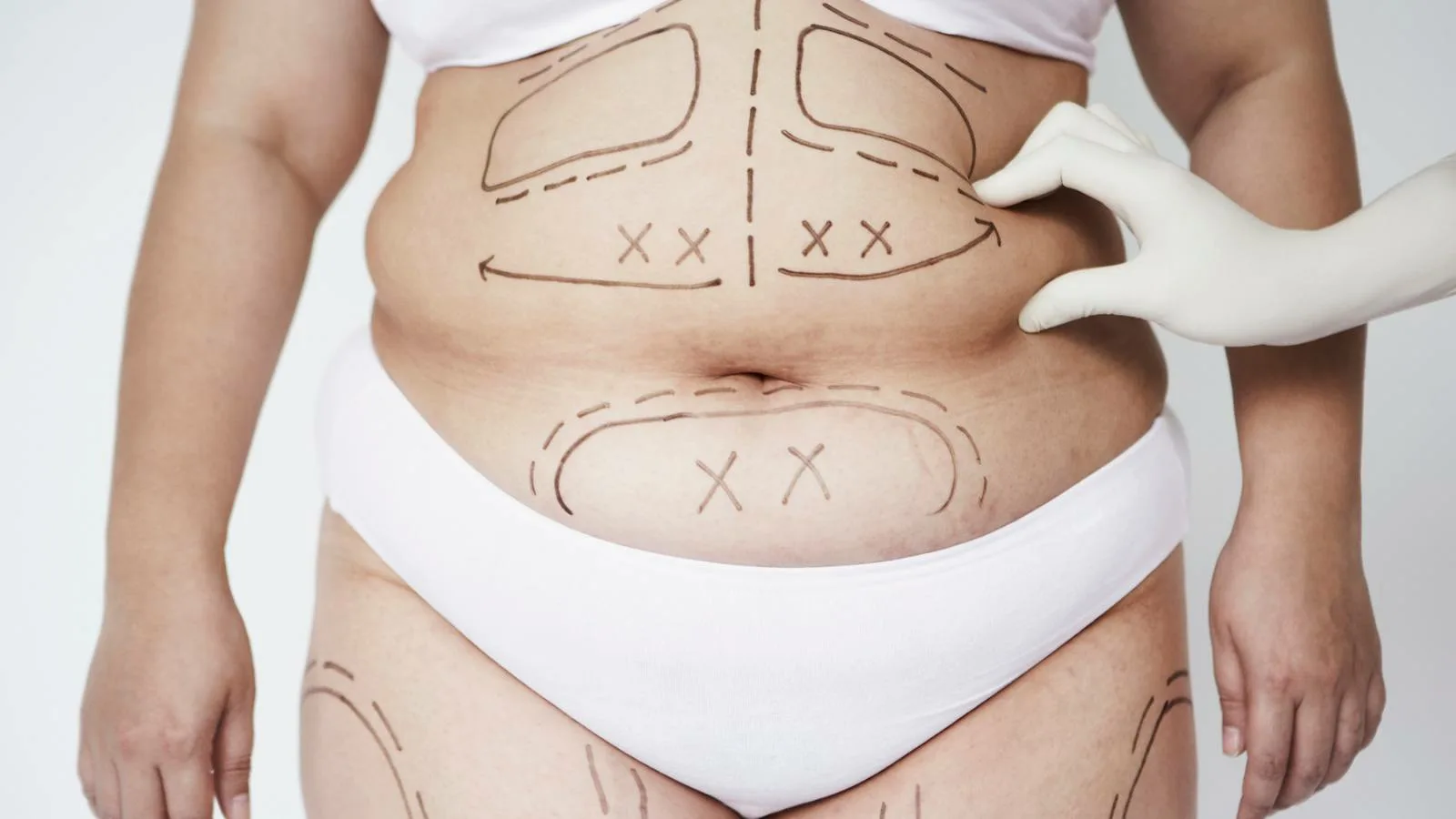
In aesthetic surgery, our most powerful tool when shaping the oval body type is Vaser Liposuction technology. This method works on a very different principle than classical liposuction. By using sound waves, it delicately separates fat cells from the surrounding tissue, much like separating grapes from a cluster. This selectivity preserves vascular and nerve structures, which means less bruising and faster recovery after surgery.
However, the most critical advantage of Vaser for the oval body type is its capacity for “high definition” sculpting. Recreating the lost waist indentation in the oval structure, eliminating folds in the back area, and revealing the shadows of the abdominal muscles require the precision of a sculptor. Because Vaser removes fat by emulsifying it, it minimizes the risk of surface irregularities on the skin. More importantly, the thermal effect created by ultrasound energy stimulates the subdermal layer, promoting skin tightening. This feature is a major advantage in oval body types, where skin elasticity is borderline, to prevent post-liposuction skin sagging.
The advantages offered by Vaser technology include:
- Tissue selectivity
- Skin tightening
- Less bruising
- Faster recovery
- Muscle definition
- Homogeneous results
- Contour creation
- Safe application
In Which Situations Is a Tummy Tuck Surgery Inevitable?
In some oval body types, the problem is not only excess fat. If a patient has lost a significant amount of weight, has had multiple pregnancies, or has genetically weak connective tissue, the abdominal skin may have lost its elasticity and sagged. In addition, the muscles forming the anterior abdominal wall may have separated, creating an “internal abdominal widening.” In this case, no matter how much fat we remove, it is not possible to correct the protruding abdominal posture and sagging skin. This is where abdominoplasty (tummy tuck) surgery must come into play.
In tummy tuck surgery, excess skin and subcutaneous fat tissue are removed through an incision made in the area of a cesarean scar (so that it remains hidden within a bikini). However, the truly magical part of the operation is the tightening of the loosened abdominal muscles by suturing them together along the midline, much like a corset. This procedure radically corrects the “protruding abdomen” appearance, which is the biggest problem of the oval body type, and slims the waist. To achieve the most ideal result, we usually combine this procedure with liposuction applied to the waist and back areas (lipoabdominoplasty), so that the front is tightened and the waist indentation is shaped 360 degrees.
Signs seen in tummy tuck candidates include:
- Skin sagging
- Abdominal muscle separation
- Apron-like appearance
- Stretch marks
- Navel deformity
- Skin folds
- Muscle laxity
Can the Oval Body Be Shaped With Non-Surgical Methods?
For patients who are not suitable for surgical intervention, do not wish to undergo anesthesia, or have more limited fat accumulation, medical aesthetic technologies come into play. Although these methods do not provide results as dramatic and definitive as surgery in a single session, they can offer quite satisfactory improvements with proper patient selection. Oval body types with good skin quality and “localized” fat accumulation can particularly benefit from these procedures.
Cryolipolysis (CoolSculpting) is the technology we most frequently use in this field. It works on the principle that fat cells are sensitive to cold; through controlled cooling, fat cells are crystallized and directed into the body’s natural elimination process. Radiofrequency and ultrasonic systems target both fat tissue and provide tightening by heating the collagen fibers beneath the skin. Mesotherapy and lipolytic enzyme injections can be used to dissolve stubborn fat in smaller areas. However, it should be remembered that the effectiveness of these devices will be limited in oval body structures with significant skin sagging or muscle laxity.
Non-surgical options include:
- Cryolipolysis
- Radiofrequency
- Focused ultrasound
- Mesotherapy
- Enzymatic lipolysis
- Cavitation
- Lymphatic drainage
- Magnetic muscle stimulation
What Is the Recovery Process Like After Oval Body Type Procedures?
The recovery process after aesthetic surgery varies depending on the scope of the procedure performed. Our patients who undergo only Vaser Liposuction generally recover much faster. It is possible to return to social life within 3–5 days and to work life within one week. Swelling and mild tenderness are expected, but movement restriction is minimal.
Tummy tuck surgery, on the other hand, is a more comprehensive process. Since the abdominal muscles are intervened from the inside, it is quite normal for our patients to have difficulty standing upright and to walk slightly bent forward in the first few days; this position is important to reduce tension on the suture line. The most critical element of the recovery process is the compression garment. The medical corset worn for approximately 4–6 weeks after surgery keeps swelling under control, allows the skin to adapt to its new form, and supports the surgical area. While heavy sports and movements that strain the abdominal muscles should be avoided for about 6 weeks, light walks starting the day after surgery support recovery by accelerating blood circulation.
Points to pay attention to during the recovery period include:
- Regular use of the compression garment
- High water intake
- Light walks
- Salt restriction
- No smoking
- Protein-rich nutrition
- Supine sleeping position
- Avoiding heavy lifting
Frequently Asked Questions
How is the oval body type identified?
The oval body type is a structure in which the abdomen and waist circumference are wider compared to other parts of the body, and the upper body appears dominant. The chest is full, the waist indentation is indistinct, and the legs are generally thinner.
Is the oval body type genetic?
Yes, the oval body type is shaped by genetic predisposition. The tendency of body fat to accumulate in the abdominal area, hormonal balance, and family history play an effective role in the formation of this type.
Where does fat accumulation occur in the oval body type?
Fat accumulation is especially concentrated in the abdomen, waist circumference, and chest area. The hips and legs are less affected by this fat accumulation, which may lead to body imbalance.
How should people with an oval body type dress?
Garments that draw attention away from the upper body and make the waist appear slimmer should be preferred. V-neck blouses, long-cut jackets, and solid-color dresses are suitable for this look.
How can the oval body type be shaped with exercise?
Abdominal fat can be reduced with cardio exercises. By strengthening the hip and leg muscles with resistance training, body proportions can be balanced. Focusing on the waist area is important.
How does weight gain develop in the oval body type?
Weight gain is largely distributed to the torso, especially around the abdomen and waist. With excessive weight gain, breast enlargement may also be observed, while the legs generally remain thinner.
What are the health risks of the oval body type?
Fat accumulated around the abdomen may increase the risk of metabolic syndrome, diabetes, and heart disease. Therefore, it is important for individuals with an oval body type to adopt a healthy lifestyle.
How does the oval body type change with age?
As age advances, fat accumulation in the torso area may increase due to hormonal changes and muscle loss. This may cause the waist to become even less defined and body proportions to deteriorate.
What are the advantages of the oval body type?
A full chest and slender leg structure offer aesthetic advantages. A balanced appearance can be achieved with the right clothing choices. In addition, superficial fat may respond quickly to exercise.
How can the oval body type be shaped aesthetically?
The abdominal area can be slimmed with liposuction to enhance the waist indentation. By supporting the hips with fat injection, a more proportionate body contour can be created. Body lifting procedures may also be preferred.
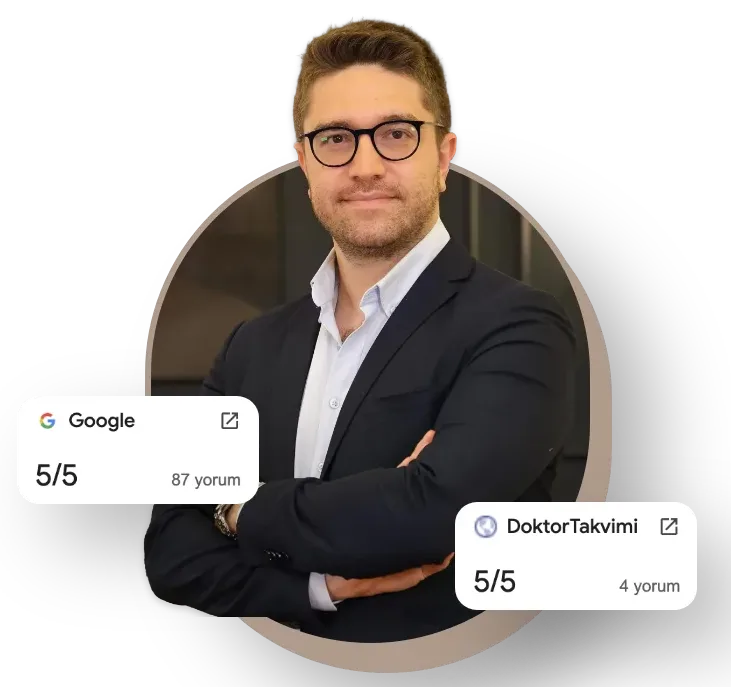
Op. Dr. Erman Ak is an internationally experienced specialist known for facial, breast, and body contouring surgeries in the field of aesthetic surgery. With his natural result–oriented surgical philosophy, modern techniques, and artistic vision, he is among the leading names in aesthetic surgery in Türkiye. A graduate of Hacettepe University Faculty of Medicine, Dr. Ak completed his residency at the Istanbul University Çapa Faculty of Medicine, Department of Plastic, Reconstructive and Aesthetic Surgery.
During his training, he received advanced microsurgery education from Prof. Dr. Fu Chan Wei at the Taiwan Chang Gung Memorial Hospital and was awarded the European Aesthetic Plastic Surgery Qualification by the European Board of Plastic Surgery (EBOPRAS). He also conducted advanced studies on facial and breast aesthetics as an ISAPS fellow at the Villa Bella Clinic (Italy) with Prof. Dr. Giovanni and Chiara Botti.
Op. Dr. Erman Ak approaches aesthetic surgery as a personalized art, tailoring each patient’s treatment according to facial proportions, skin structure, and natural aesthetic harmony. His expertise includes deep-plane face and neck lift, lip lift, buccal fat removal (bichectomy), breast augmentation and lifting, abdominoplasty, liposuction, BBL, and mommy makeover. He currently provides safe, natural, and holistic aesthetic treatments using modern techniques in his private clinic in Istanbul.