Türkçe
Breast sagging, referred to in medical literature as “breast ptosis,” is the downward drooping of the breasts over time due to gravity and the loss of their original form. This condition occurs as the breast tissue and its supporting structures weaken, much like an elastic band losing its flexibility. To better understand this process, let us briefly look at breast anatomy.
Our breasts consist of four main components: milk-producing glands, fatty tissue, connective tissue, and the skin that surrounds all these structures. There are two primary support systems that keep the breasts upright and firm: Cooper’s ligaments and the elasticity of the skin. Cooper’s ligaments are fibrous connective tissues that attach the breast tissue to the chest wall, functioning like a hammock that supports the breast. Skin elasticity, on the other hand, is the property that provides firmness and flexibility to the breast thanks to the collagen and elastin fibers it contains.
Over time or under the influence of various factors, when these support systems weaken, the breasts begin to sag downward. In medicine, the degree of sagging is evaluated based on the position of the nipple relative to the inframammary fold. In first-degree sagging, the nipple is at the level of the inframammary fold; in second-degree, it falls below this fold; and in third-degree, the nipple points completely downward.
If you ask, “Is breast sagging only an aesthetic issue?” my answer would be both yes and no. Yes, because in most cases breast sagging is a completely natural process and does not pose a medical risk. No, because advanced sagging, especially in women with large breasts, can lead to back and neck pain, posture disorders, and skin irritation due to moisture accumulation under the breasts. In addition, it can deeply affect a person’s body image, self-confidence, and consequently quality of life.
Breast sagging does not occur overnight; it is usually a slow and gradual process. The first sign is a decrease in fullness in the upper part of the breast and a slight downward orientation of the nipple. Over time, the nipple descends to the level of the inframammary fold and in more advanced stages sags below this level. This process progresses at different speeds from person to person and is influenced by many factors that we will examine in detail shortly.
The psychological effects of breast sagging should not be overlooked. For many women, breasts are an important part of their feminine and maternal identity. Changes in breast appearance due to sagging can affect how a person perceives herself, her clothing style, and even her social relationships. However, remember that breast sagging is a universal experience, and almost every woman encounters this condition at some point in her life. The important thing is to accept this natural process and explore suitable solutions when necessary.
What Are the Natural Causes of Breast Sagging?
Breast sagging, like graying hair or the formation of wrinkles on our face, is an inevitable part of our body’s natural aging process. Understanding the natural factors that trigger this process helps us form realistic expectations and maintain healthy breast tissue as much as possible.
- Aging and Loss of Tissue Elasticity
As we age, our body’s production of collagen and elastin decreases. These two proteins are the fundamental building blocks that provide skin firmness and flexibility — you can think of them as the skin’s “spring” system. From our 30s onward, we lose approximately 1% of collagen each year. The reduction of these proteins in breast skin decreases the skin’s capacity to support breast tissue. At the same time, Cooper’s ligaments that support the breast also lose elasticity and lengthen over time. This reduces the breasts’ ability to resist gravity.
Age-related hormonal changes also affect breast tissue. Especially during menopause, the decrease in estrogen levels alters the structure of the breast. As estrogen decreases, the milk glands and connective tissue in the breast shrink and are replaced by fatty tissue. Fatty tissue is not as firm and shaped as glandular tissue, which accelerates the sagging process. Even if breast volume remains the same after menopause, this internal structural change makes the loss of form more noticeable.
- Genetic Factors
“If my mother experienced early breast sagging, will I experience it too?” This is a question I frequently encounter in my practice. The answer is generally “yes.” Genetic factors determine skin elasticity, connective tissue structure, and breast tissue density. If women in your family experienced early breast sagging, you are more likely to go through a similar process.
Breast sagging tendencies also vary among different ethnic backgrounds. For example, it has been observed that African women tend to have stronger Cooper’s ligaments and therefore breast sagging may begin later. On the other hand, in Caucasian women, skin elasticity may decrease at earlier ages. Skin type and structure are also genetically determined and influence the rate of sagging. In women with thin skin, the skin’s support capacity is lower, so sagging may occur earlier and more prominently.
- Pregnancy and Breastfeeding Process
During pregnancy, the breasts enlarge and become heavier as they prepare for milk production. Under the influence of estrogen and progesterone, milk ducts expand, new milk glands form, and blood flow to the breast tissue increases. This growth stretches the breast skin and supporting tissues. After childbirth, especially during breastfeeding, the breasts constantly fill and empty. This cycle may challenge the elasticity of the breast tissue.
However, I would like to correct a common misconception here: Scientific research shows that breastfeeding itself does not cause breast sagging. The main factors are the hormonal changes during pregnancy and the size changes in the breasts. In fact, some studies suggest that breastfeeding may help breast tissue recover. The number of pregnancies can also affect breast sagging. In women who have had multiple pregnancies, sagging may be more pronounced due to repeated cycles of expansion and shrinkage of breast tissue.
- The Effect of Gravity
Gravity exerts a constant downward pulling force on our breasts throughout our lives. This effect is more pronounced in larger breasts because greater weight places more load on supporting tissues. Consider that a large breast weighs on average 500 grams, and this weight is carried by Cooper’s ligaments 24/7. Over time, this constant pulling force causes the ligaments to stretch and the skin to loosen.
The relationship between breast size and sagging is directly proportional. My clinical observations show that in women with breasts larger than a D cup, sagging begins at earlier ages and progresses more rapidly. However, small breasts are not immune to sagging; the process may simply progress more slowly and be less noticeable. Since smaller breasts contain less fatty tissue, the shrinkage of milk glands with age may affect the breast shape more significantly.
- Hormonal Fluctuations
The female body is in a lifelong hormonal dance. Conditions such as the menstrual cycle, birth control pills, pregnancy, and menopause cause hormonal fluctuations that affect breast tissue. These changes can influence the structure and elasticity of breast tissue.
The effects of specific hormones on breast tissue are quite complex. Estrogen promotes breast tissue development and the growth of milk ducts. Progesterone supports the development of milk glands. Fluctuations in the levels of these hormones directly affect breast firmness and fullness. For example, during the luteal phase of the menstrual cycle (the period after ovulation), progesterone levels rise and breasts become fuller and more sensitive. After menopause, the levels of these hormones decrease, breast tissue thins, and the proportion of fatty tissue increases.
Hormonal medications such as birth control pills can also affect breast tissue. These medications alter estrogen and progesterone levels in the body, potentially causing temporary enlargement and fullness of the breasts. When the medication is discontinued, the breasts return to their previous state, but this cycle of temporary enlargement and shrinkage may affect breast elasticity in the long term.
How Do Lifestyle Factors Affect Breast Sagging?
Although natural causes are inevitable, certain lifestyle choices can accelerate or slow down the breast sagging process. The good news is that most of these factors are under our control, and with the right approaches we can protect our breast health.
- Smoking and Its Effects
Smoking is one of the most harmful habits that accelerates breast sagging. How? Smoking reduces collagen production in the body and breaks down existing collagen. The toxic substances in cigarettes directly damage collagen and elastin fibers, which are the building blocks of the skin. In addition, smoking constricts blood vessels, disrupts circulation, and prevents the skin from receiving sufficient oxygen and nutrients. This causes the breast skin to rapidly lose its elasticity.
My clinical observations show that in women who have smoked for more than 15 years, breast sagging begins on average 5–7 years earlier compared to non-smokers. As the duration and intensity of smoking increase, the risk of sagging increases proportionally. In a woman who smokes one pack per day, skin aging may be up to 40% faster compared to a woman who has never smoked. The good news is that quitting smoking can help the skin regenerate and increase collagen production. Visible improvements in skin quality can begin even within the first year after quitting.
- Rapid Weight Changes
Our breasts are largely composed of fatty tissue, so weight changes directly affect breast size. Cycles of sudden weight gain and loss continuously stretch and relax the breast tissue and skin — like constantly stretching and releasing an elastic band. This leads to loss of skin elasticity and weakening of supporting tissues. Yo-yo diets in particular significantly increase the risk of breast sagging.
A healthy rate of weight loss is critical for breast health. Experts state that losing more than 0.5–1 kg per week exceeds the skin’s ability to adapt to the new body shape. During weight loss, breast exercises and proper nutrition can reduce the risk of sagging. A protein-rich diet especially supports collagen production, which maintains skin elasticity. In addition, strengthening chest muscles while losing weight can help the breasts appear more lifted.
- Excessive Sun Exposure
Ultraviolet (UV) rays from the sun break down collagen and elastin fibers in the skin. This is one of the most significant external factors contributing to skin aging and loss of elasticity. The décolleté area is one of the regions most exposed to the sun, along with our face. Years of unprotected sun exposure cause premature aging and loss of elasticity in this area.
Using sunscreen is one of the most effective ways to protect breast skin. You should use a broad-spectrum sunscreen (protecting against UVA and UVB) with at least SPF 30. It is important to use sunscreen not only at the beach but also in daily life. Especially women who wear low-cut clothing should not neglect applying sunscreen to this area. Sunscreen should be reapplied every 2 hours and after sweating or swimming. In addition, avoiding direct sunlight between 10:00 and 16:00 and wearing protective clothing also provide effective protection.
- Improper Bra Use
Choosing the right bra is much more important for breast health than you might think. Bras in the wrong size or with insufficient support fail to properly support the breasts. This can lead to excessive stretching and eventual elongation of Cooper’s ligaments. Especially during exercise, not wearing a proper sports bra may cause excessive breast movement and damage supporting tissues.
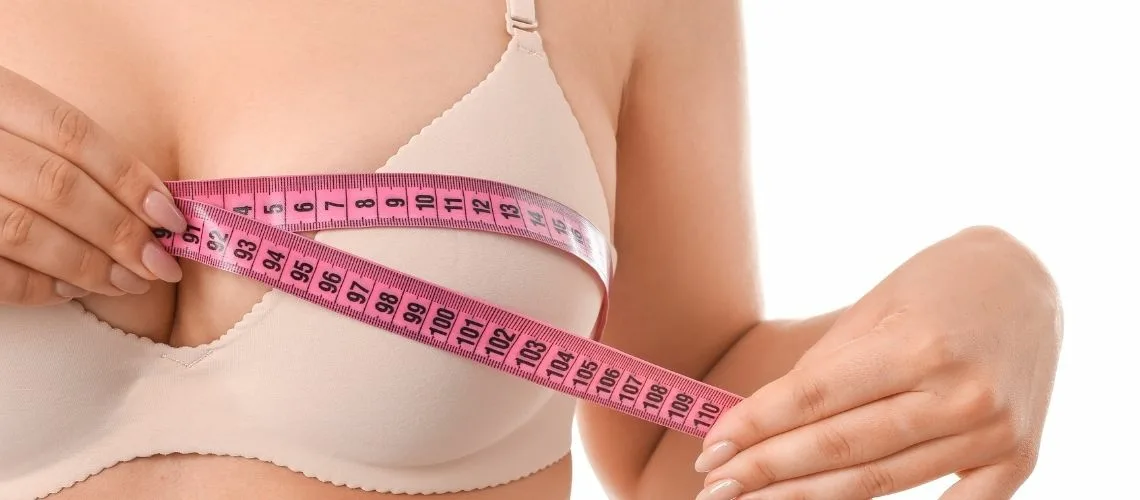
For the right bra selection, accurate measurement is essential. Research shows that approximately 80% of women wear the wrong bra size. For proper measurement, the underbust circumference (band size) and the fullest part of the bust (cup size) should be measured. When choosing a bra, consider the following: The band should fit snugly without restricting breathing; the cups should fully encompass the breast (no spillage or gaps); the straps should not dig into the shoulders; and the center gore should sit flat against the sternum. Choosing bras appropriate for daily activities is also important. A well-supported sports bra must be used during exercise, while at night it is preferable to let the breasts remain free.
- Eating Habits
When asked, “Is there a miracle food that prevents breast sagging?” I must say there is no single miracle food. However, a diet that supports overall skin health can help maintain breast skin elasticity. Inadequate protein intake negatively affects collagen production. In addition, a diet poor in antioxidants weakens the skin’s defense against free radicals.
Foods that support breast health include vitamin C-rich fruits that increase collagen production (orange, kiwi, strawberry), green leafy vegetables rich in antioxidants, fatty fish containing omega-3 fatty acids (salmon, tuna), nuts and seeds containing zinc, and protein sources (eggs, chicken, legumes). The daily vitamin C requirement is approximately 75–90 mg and can be met with one orange or a bowl of strawberries. The recommended daily intake is 15 mg for vitamin E and 8–11 mg for zinc. A balanced diet maintains overall skin health and therefore the elasticity of breast skin.
- Physical Activity Level
Regular exercise maintains overall body health and improves circulation. However, not all exercises are equal in terms of breast health. Excessive breast movement during high-impact sports (running, jumping activities) can damage Cooper’s ligaments. When engaging in such sports, a well-supported sports bra must be worn. On the other hand, exercises that strengthen chest muscles can help the breasts appear more lifted.
Exercises that support breast health include push-ups, chest press, and dumbbell fly movements targeting the pectoralis major and minor muscles. It is recommended to perform these exercises 2–3 times per week in sets of 8–12 repetitions. However, remember that these exercises strengthen the underlying muscle tissue, not the breast tissue itself. Therefore, they cannot completely prevent or reverse breast sagging but can contribute to a more lifted appearance. Exercises performed with proper technique and appropriate equipment can help prevent breast sagging.

Surgical Options and Important Considerations
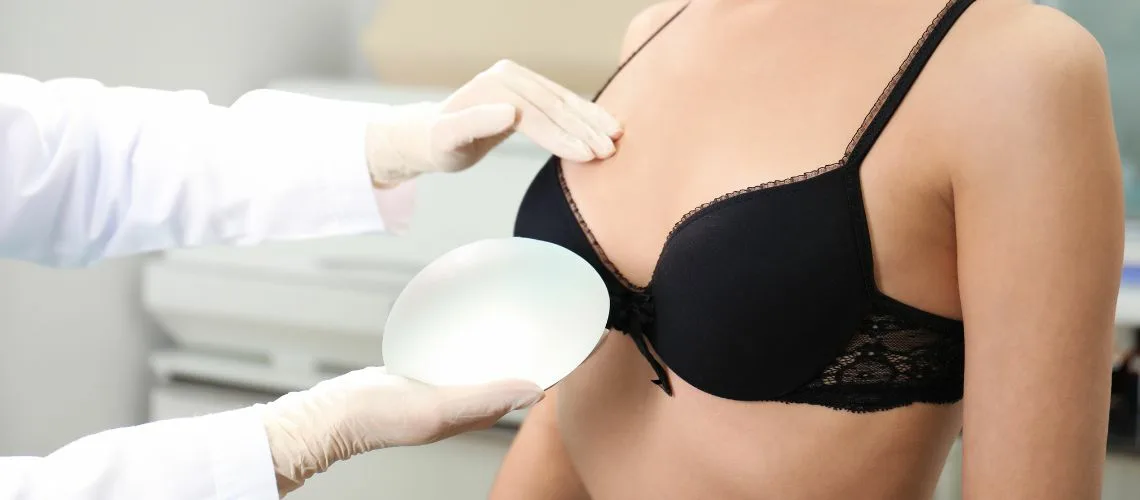
When non-surgical methods do not provide the desired results or when sagging is advanced, surgical options come into consideration. Breast lift (mastopexy) surgery reshapes sagging breasts by lifting them. In this section, we will examine surgical options and important considerations in detail.
- Surgical Methods
In breast lift surgery, different techniques are used depending on the degree of sagging and the patient’s anatomy. The most common techniques are as follows: The Donut (periareolar) technique is preferred for mild sagging and involves a circular incision around the nipple. The Lollipop (vertical) technique is used for moderate sagging and includes an incision around the nipple extending vertically downward. The Inverted T (anchor) technique is preferred for advanced sagging and provides the most comprehensive correction. This technique includes an incision around the nipple, a vertical incision downward, and a horizontal incision along the inframammary fold.
In some cases, breast lift may be combined with augmentation or reduction. Breast lift + augmentation (augmentation mastopexy) involves placing implants to both lift and add volume to the breasts. Breast lift + reduction involves removing excess tissue and reshaping the remaining tissue in large, sagging breasts. The surgeon selects the most appropriate technique based on the patient’s expectations, body structure, and breast anatomy.
- Surgery Process and Recovery
Before breast lift surgery, a detailed consultation and physical examination are performed. The patient’s medical history, medication use, and expectations are evaluated. Some preoperative tests (blood tests, ECG, breast mammography or ultrasonography) may be requested. Smoking and alcohol consumption should be discontinued at least 2 weeks before surgery, and certain medications (aspirin, blood thinners) may need to be stopped.
The surgery is usually performed under general anesthesia and lasts 2–3 hours. After surgery, the patient may stay in the hospital for 1–2 days or be discharged the same day. Pain, swelling, and bruising during the first 24–48 hours are normal. A special bra or bandage is used after surgery. Stitches are usually removed within 10–14 days or dissolvable sutures are used.
The recovery process varies from person to person but generally lasts 4–6 weeks. During the first week, it is necessary to avoid lifting the arms above head level and lifting heavy objects. Light daily activities can be resumed within 2–3 weeks. Normal physical activities can begin after 4–6 weeks, and heavy exercises after 8–12 weeks. Surgical scars fade over time but do not disappear completely. It may take 12–18 months for scars to reach their final appearance. During this process, avoiding certain activities and following the doctor’s recommendations are critical.
- Risks and Complications
Like any surgical procedure, breast lift surgery carries risks. Possible complications include bleeding, infection, anesthesia risks, delayed wound healing, asymmetry, changes or loss of nipple and areola sensation, circulation problems in the nipple and areola, poor wound healing and scarring, hardening of breast tissue, and difficulty breastfeeding. In rare cases, revision surgery may be required.
Risk factors include smoking, obesity, diabetes, immune system disorders, use of certain medications, and previous breast surgery. Choosing an experienced surgeon and undergoing a detailed preoperative evaluation minimize risks. In addition, the patient’s compliance with pre- and postoperative recommendations reduces the risk of complications.
- Permanence and Long-Term Results
The results of breast lift surgery are permanent; however, the aging process continues. Over time, some degree of sagging may recur due to gravity and aging. However, this is generally much milder compared to the preoperative condition. Methods to maintain breast health after surgery include proper bra use, weight control, avoiding smoking and excessive alcohol consumption, regular exercise, and healthy nutrition.
Pregnancy and breastfeeding may affect surgical results. Therefore, results may be more permanent in women who have completed family planning. Regular postoperative check-ups are important to monitor breast health and detect possible issues early. Healthy lifestyle habits help preserve surgical results for a long time.
- Cost Evaluation
The cost of breast lift surgery varies depending on the selected technique, the surgeon’s experience, the hospital’s location, and additional procedures (such as implant placement). In Turkey, as of 2023, the cost of breast lift surgery ranges between 30,000 TL and 80,000 TL. Breast lift + augmentation or reduction procedures may have higher costs.
Health insurance generally does not cover breast lift surgeries performed for aesthetic purposes. However, lift procedures performed together with breast reduction may be partially covered by some insurance companies if they cause physical complaints (such as back pain or posture disorders). When making a decision, not only cost but also the surgeon’s experience, hospital quality, and safety standards should be considered. Cheaper options may lead to a higher risk of complications and additional costs in the long term.
Preventive Measures and Daily Habits
Although it is not possible to completely prevent breast sagging, there are measures we can take to slow the process and protect breast health. These measures are more effective when applied from an early age. Here are practical suggestions you can integrate into your daily life to maintain breast health:
- Choosing and Using the Right Bra
It is critical to use bras that provide appropriate support in daily life and especially during sports. Different bras should be preferred for different activities. For daily use, choose well-supported bras suitable for your breast size. During sports, use high-impact sports bras that minimize breast movement. For activities such as running and jumping, prefer bras that provide maximum support. For water sports such as swimming, use chlorine-resistant, quick-drying sports bras or bikini tops. For low-impact sports such as yoga and pilates, flexible bras that provide moderate support may be appropriate.
Regularly having your bra size measured makes it easier to adapt to body changes. Weight changes, pregnancy, breastfeeding, and menopause can affect breast size. It is important to recheck your bra size during these periods. For accurate measurement, you can have it done at a professional lingerie store or measure yourself at home. The underbust circumference (band size) and the fullest part of the bust (cup size) are measured to determine the correct size.
- Skin Care Routine
Creating a specific skincare routine for the breast area helps maintain skin elasticity. Recommended skincare products include moisturizing creams, antioxidant serums (vitamin C, vitamin E, ferulic acid), retinol-containing products, and sunscreens. Products specifically formulated for the breast area can be preferred, but high-quality facial skincare products can also be used on the breast area.
The skincare routine should include the following steps: Daily cleansing (with a gentle cleanser), weekly exfoliation (to remove dead skin cells), daily moisturizing (morning and evening), antioxidant serum application (in the morning), retinol application (in the evening, 2–3 times per week), and sun protection (every day, SPF 30 and above). In addition, a moisturizing mask can be applied once a week. When applying skincare products to the breast area, massaging gently with upward movements increases circulation and allows better absorption of products.
- Nutrition and Hydration
Adequate water intake maintains skin moisture balance and supports elasticity. The recommended daily water intake is 30–35 ml per kilogram of body weight. For example, for a person weighing 70 kg, 2.1–2.5 liters of water per day is recommended. To track water consumption, you can use a water bottle, smartphone applications, or develop the habit of drinking water at specific times.
A diet rich in protein, vitamin C, and omega-3 fatty acids supports skin health. Protein sources include eggs, chicken, fish, legumes, and yogurt. Vitamin C sources include citrus fruits, kiwi, strawberries, peppers, and broccoli. Omega-3 sources include salmon, tuna, walnuts, and flaxseed. In addition, antioxidant-rich colorful fruits and vegetables, nuts and seeds containing zinc, and bone broth that supports collagen production are beneficial for skin health. Limiting the consumption of sugar and processed foods is important for maintaining skin health.
- Regular Exercise Program
Exercising the chest muscles at least 3–4 days per week is beneficial. A sample weekly exercise program may be as follows: Monday: Upper body (chest, shoulders, back) exercises; Wednesday: Cardio and core exercises; Friday: Upper body exercises; Saturday: Full body exercises. Basic exercises that work the chest muscles include push-ups (on knees or full push-ups), dumbbell fly, chest press, cable cross movements, and plank.
Gradually increasing exercise intensity reduces the risk of injury. Initially, you can start with lower weights and more repetitions (12–15 reps), and over time increase the weight and decrease the number of repetitions (8–12 reps). It is important to perform a 5–10 minute warm-up before each exercise and a 5–10 minute cool-down afterward. Using proper breathing techniques during exercise (exhaling while lifting weight, inhaling while lowering) and paying attention to correct form and posture reduce injury risk and increase exercise effectiveness.
- Posture and Body Alignment
Proper posture maintains the natural position of the breasts and supports spinal health. A hunched posture makes the breasts appear more sagged, while an upright posture makes them appear higher and firmer. Proper posture techniques include pulling the shoulders back and downward, slightly lifting the chest, gently tightening the abdominal muscles, keeping the chin parallel, and holding the head upright.
Regular posture checks are especially important for those who work sitting for long periods. Making your workstation ergonomic (screen at eye level, keyboard at elbow level), taking short breaks every hour, and performing simple stretching exercises help prevent posture disorders. Exercises that improve posture include shoulder retraction, chest-opening stretches, wall corner stretches, and plank. In addition, activities such as yoga and pilates help improve posture and body awareness.
Frequently Asked Questions
What is breast sagging and how is it different from naturally small or large breasts?
What are the most common causes of breast sagging over time?
Can breast sagging occur even in women who have never been pregnant?
How does pregnancy and breastfeeding contribute to breast sagging?
Can rapid weight loss increase the risk of breast sagging?
How is the severity of breast sagging evaluated by plastic surgeons?
Can exercise prevent or reverse breast sagging naturally?
What treatment options are available for correcting breast sagging?
When is breast lift surgery recommended for significant breast sagging?
What experiences do women commonly report after treating breast sagging?

Op. Dr. Erman Ak is an internationally experienced specialist known for facial, breast, and body contouring surgeries in the field of aesthetic surgery. With his natural result–oriented surgical philosophy, modern techniques, and artistic vision, he is among the leading names in aesthetic surgery in Türkiye. A graduate of Hacettepe University Faculty of Medicine, Dr. Ak completed his residency at the Istanbul University Çapa Faculty of Medicine, Department of Plastic, Reconstructive and Aesthetic Surgery.
During his training, he received advanced microsurgery education from Prof. Dr. Fu Chan Wei at the Taiwan Chang Gung Memorial Hospital and was awarded the European Aesthetic Plastic Surgery Qualification by the European Board of Plastic Surgery (EBOPRAS). He also conducted advanced studies on facial and breast aesthetics as an ISAPS fellow at the Villa Bella Clinic (Italy) with Prof. Dr. Giovanni and Chiara Botti.
Op. Dr. Erman Ak approaches aesthetic surgery as a personalized art, tailoring each patient’s treatment according to facial proportions, skin structure, and natural aesthetic harmony. His expertise includes deep-plane face and neck lift, lip lift, buccal fat removal (bichectomy), breast augmentation and lifting, abdominoplasty, liposuction, BBL, and mommy makeover. He currently provides safe, natural, and holistic aesthetic treatments using modern techniques in his private clinic in Istanbul.