
 Deutsch
 Türkçe
 Nederlands
 Français
 Svenska
Breast augmentation surgery with the Preservé™ method is an advanced tissue-preserving aesthetic surgical procedure performed with respect for the body’s natural anatomy, without cutting or burning the breast tissue, muscles, and supporting ligaments. This innovative approach increases breast volume while utilizing the body’s own physiological elasticity and largely eliminates the tissue trauma caused by conventional surgery. Thanks to this modern technique developed in the field of breast aesthetics, post-operative pain, edema, and bruising remain at a minimal level. This method, which provides natural-looking results, is a reliable medical standard that allows patients to return to their daily lives and physical activities with maximum comfort in record time.
What Challenges Were Encountered in Traditional Breast Augmentation Surgeries and Why Was Preservé™ Developed?
Traditional breast augmentation operations, which have been performed for many years in the world of aesthetic surgery, were successful in achieving the desired volume but involved certain challenges in terms of mechanical impact on tissues. In classical approaches, instruments such as scalpels and electrocautery devices that cut by burning are used to create the space where the implant will be placed. These instruments progress by sharply separating tissues from each other. This separation process causes leakage in the microscopic blood vessels of the breast and leads to trauma at the cellular level. When tissue is cut and burned with high heat, the body perceives this as serious damage. The body’s first response to this damage is to initiate an inflammatory (edema) reaction by sending intense fluid and inflammatory cells to that area. The main reason for the severe swelling, bruising, and intense pain experienced by patients after surgery is the body’s natural response to this sharp tissue separation. The Preservé™ method was developed to completely eliminate this traumatic process and expand the tissue without burning or cutting it.

What Were the Disadvantages of Submuscular and Over-Muscle Placement Solved by the Preservé™ Method?
In breast aesthetics, the layer in which the silicone implant is placed has always been an important issue. For many years, especially in thin women, submuscular (subpectoral) placement was considered the best option to prevent the edges of the implant from being visible externally. However, the physical cost of this method was quite high. In order to place the implant under the chest muscle, the pectoralis major muscle had to be detached from its attachment points on the ribs and lifted upward. Cutting the muscle in this way causes very severe muscle spasms after surgery and leads to a long recovery process. More importantly, because this muscle is cut, every time patients move their arms or exercise, the muscle contracts and pushes the implant upward, temporarily distorting the shape of the breasts. This is called “animation deformity.” On the other hand, when the implant is placed directly under the breast tissue to preserve the muscle, problems such as skin rippling or rapid sagging of the breast due to gravity may occur over time because tissues are damaged with traditional methods.

How Can the Preservé™ Method Be So Gentle on Tissues?
The Preservé™ technique solves these traditional problems in aesthetic surgery by firmly rejecting the cutting and tearing of tissues. At the core of this technique lies an अत्यंत gentle principle that utilizes the inherent elasticity of the body’s tissues. During the operation, a very small incision is made in the inframammary fold. At this stage, instead of a classical scalpel or burning instruments, a special blunt dissector device with a non-sharp tip is used. This device does not cut tissues but gently glides between the natural and slippery spaces between tissue layers with circular movements. Since blood vessels and nerves are not cut, there is almost no bleeding. Since there is no bleeding, there is also no need to cauterize tissue to stop bleeding. Because the tissue is not burned and does not suffer thermal damage, the cells remain healthy and the body does not initiate an unnecessary defense reaction.
How Does the Atraumatic Balloon Tissue Expansion Stage Work in the Preservé™ Procedure?
After a safe pathway is created with the blunt dissector, one of the most innovative stages of the technique begins: the tissue expansion process. At this stage, a sterile, single-use inflatable medical balloon is introduced. This balloon is inserted into the tunnel in a deflated state, and when it reaches the area where the implant will sit, it is slowly inflated with a sterile fluid under millimetric control. As the balloon expands, it stretches the surrounding breast tissue, muscle fascia, and supporting ligaments outward without tearing them, using only their natural elasticity capacity. This process can be likened to a balloon gently creating space around itself as it inflates. Since tissues are not abruptly torn, no shock effect occurs in the body. When the balloon is deflated, the area where the implant will be placed becomes a perfectly prepared, non-bleeding, undamaged, sterile, and ideal pocket.
What Does the No-Touch Implant Placement Process Mean in the Preservé™ Method?
One of the most critical moments in breast augmentation surgery is when the silicone implant is placed into the body. In traditional methods, the surgeon tries to push the implant inside through the incision using their fingers. This both creates pressure that can damage the structure of the implant and causes the silicone to come into contact with the patient’s skin surface. The transfer of bacteria naturally present on the skin to the implant is one of the main causes of breast hardening that may occur years later. In the Preservé™ method, however, a no-touch funnel system is used. The implant is placed in a lubricated sleeve resembling a pastry bag under completely sterile conditions. The tip of this sleeve is inserted through the incision, and the implant is gently squeezed through the sleeve directly into the prepared pocket. The implant never comes into contact with the skin. In this way, bacterial transfer is prevented, and the incision size can be kept at half of that required in traditional methods.

Why Must Breast Ligaments and Natural Support Structures Be Carefully Preserved in the Preservé™ Method?
In our body, there are critical anatomical columns such as supporting ligaments and the inframammary fold that keep the breasts upright against gravity. These structures act like the internal bra of the breast. In traditional surgery, these ligaments are often cut or weakened to create a larger pocket. However, damaging these structures means the loss of natural support. In the Preservé™ technique, the natural seating area of the breast on the chest wall is preserved millimeter by millimeter. Since tissues are only stretched with the balloon, these supporting ligament systems are never cut. As a result, the implant remains suspended within this strong connective tissue network. This robust internal structure radically prevents the implant from sagging downward or shifting toward the armpit over time. The breast maintains its form for many years.
How Does the Concept of Selective Breast Augmentation Provided by Preservé™ Affect Aesthetic Results?
The flawless preservation of connective tissues allows for highly refined aesthetic shaping. In a classical surgery, the pocket created for the implant is often larger than necessary, and the silicone may shift within this space over time, causing volume to spread to undesired areas. With Preservé™, however, the pocket is created by stretching tissues only as much as needed, fitting the implant like a tailored garment. Thanks to this tight and stable pocket, volume can be directed to the desired area of the breast. For example, in a breast that is already sufficiently full at the lower pole, the implant volume can be directed to the upper pole, the cleavage area, without spreading to the sides or downward, resulting in a lifted appearance. This creates a completely organic contour far from an artificial look.
What Is the Difference of Motiva Ergonomix2® Implants Used in the Preservé™ Method?
It is not logical to perform a surgical technique that works with principles of tissue respect and flexibility using old-generation implants with rigid and thick shells. This technique works in integration with high-tech smart implants that fully align with its philosophy. The filling material inside these implants is a special gel that mimics the softness and mobility of natural breast tissue. This gel changes shape according to gravity. When a person is standing, the gel gently shifts downward, giving the breast a natural teardrop appearance. When lying on the back, the gel spreads naturally across the chest wall and becomes rounder. The months-long waiting period required in older methods for the implant to settle and achieve natural softness is eliminated thanks to this high flexibility and dynamic adaptation.
How Does SmoothSilk® Surface Technology in Preservé™ Implants Facilitate Body Acceptance?
The texture of the outer surface of a silicone implant is the most important factor determining how the body reacts to that object. The coarse implants used in the past created chronic irritation by constantly rubbing against surrounding tissues and could lead to breast hardening. The implants used with Preservé™ have a smooth and silky surface produced with nanotechnology. The body’s immune cells do not perceive this silky surface as an irritant and do not attack it. On the contrary, they form an extremely thin, transparent, and healthy protective layer around the implant and accept it as a natural part of the body. This high cellular compatibility clinically prevents deformities and tissue reaction-related problems that may occur later.
What Are the Blue Barrier and Smart Chip Technologies in the Preservé™ Safety Architecture?
There are important engineering details that elevate safety standards to the highest level. A strong architecture is used that integrates the outer shell of the implant and the gel inside as a single piece without any weak junctions. In this way, the implant never loses its mechanical resistance while being passed through a narrow tunnel or moving inside the body for years. There is a special barrier on the surface of the implant that prevents the silicone inside from leaking out. This barrier has a light blue color, allowing its integrity to be visually confirmed before surgery. Additionally, there is a smart microchip the size of a grain of rice at the center of the implant. Even decades later, all medical history such as the production date and features of the implant can be instantly accessed with a simple external scanner.
How Much Is the Recovery Time Shortened After the Preservé™ Method and What Is Pain Management Like?
The most gratifying result of the tissue-preserving philosophy is the radical reduction in the post-operative process. Individuals who undergo surgery with traditional methods involving cutting of the chest muscle have difficulty using their arms for weeks, require strong painkillers, and are detached from their daily lives. With Preservé™, since muscle integrity is preserved, tissues are not burned, and there is no bleeding, bodily trauma remains minimal.
Early post-operative advantages include:
- Minimal pain
- Rapid discharge
- Reduced edema
- Short rest period
- Early showering
- Fast adaptation
In most cases, individuals can walk out of the hospital the same day and return to desk work and social life within just a few days. Being able to resume sports and intense exercise shortly after, which were prohibited for months with older methods, offers great freedom for those with an active lifestyle.
What Is the Status of Long-Term Complication Risks with the Preservé™ Method?
In modern aesthetic surgery, true success is not only the appearance in the first few months but the quality of the structure decades later. Ongoing comprehensive clinical follow-up studies worldwide show that the combination of the Preservé™ technique and smart implants offers one of the most successful safety rates in medical history. Since the natural supporting ligaments of the breast are preserved, sagging or displacement of the implant due to weight over time is almost never observed. Thanks to the silky surface best suited to the body, no-touch placement preventing bacterial contamination, and respect for tissues, the likelihood of the body rejecting the implant and encapsulating it with a thick capsule has been statistically reduced to nearly zero.
Does Breastfeeding Capacity and Nipple Sensation Get Affected After the Preservé™ Method?
One of the most natural concerns of women considering breast aesthetics is whether they will be able to breastfeed in the future and whether they will experience loss of sensation in the nipples. The blunt-tipped dissector devices and atraumatic balloon system used in the Preservé™ method pass between tissues without damaging the sensory nerve networks around the breast tissue, gently pushing them aside. Since nerves are not cut with sharp instruments, the likelihood of sensation loss is extremely low. Similarly, all procedures are performed in a deeper plane, far behind the milk-producing glands and ducts, so the physiological structure of the breast remains intact. For those planning to breastfeed in the future, this tissue-preserving approach provides complete safety and comfort.
Who Is an Ideal Candidate for Preservé™ Breast Augmentation Surgery?
Since this advanced approach relies on the natural structure of tissues, proper patient selection plays a key role in success. Especially individuals who have never undergone breast surgery before and whose anatomical structures and connective tissues are still intact benefit the most from the tissue-preserving concept.
Ideal patient profiles include:
- Athletes
- Active workers
- Those seeking natural results
- First-time surgery patients
- Those who have lost volume after childbirth
It is the most suitable method for women seeking a natural, body-compatible, and non-exaggerated form. Since it does not weaken muscle strength, it is also an unrivaled option for women who want to maintain their physical performance.
In Which Cases Should Traditional Alternatives Be Considered Instead of Preservé™?
This method, which fully respects the physiological realities of the body, may not be suitable for every body type or every expectation. In individuals with no subcutaneous fat and very thin skin, it may be necessary to return to traditional submuscular methods to prevent the edges of the implant from being visible.
Situations where classical methods may be preferred include:
- Advanced sagging
- Extreme thinness
- Demand for mega volume
- Severe skin stretch marks
If a very large increase in body volume is desired, the principle of stretching only with a balloon may be insufficient. Similarly, in advanced sagging cases where the nipple is positioned very low and there is significant excess skin, more extensive traditional incisions may be required to correct the skin.
What Are the Main Differences Between the Mia® Method and Preservé™ in the World of Minimally Invasive Aesthetics?
In the evolving world of aesthetics, there are different minimally invasive methods, meaning methods with minimal intervention. The Mia® method provides a very slight volume increase with a fifteen-minute procedure performed through the armpit, offering a complete “lunchtime aesthetic” philosophy. However, mia® does not allow procedures such as sagging correction and has very limited volume options. Preservé™, on the other hand, is a more comprehensive technique that provides the surgeon with much greater aesthetic control, adapts to different body types with a wide range of implants, and can be combined with breast lift procedures when necessary.
Why Is It Critical for the Surgeon Performing Preservé™ Surgery to Have Special Certification?
Every technological innovation gains meaning when the person applying it has received the proper training. The Preservé™ method requires a specific mechanical skill that is far beyond standard medical training and centers on the philosophy of respect for tissue. Correctly advancing the special channel opener at the proper depth, inflating the expansion balloon with the correct pressure, and flawlessly inserting the implant using the no-touch sleeve require mastery. Incorrect balloon use or improper sleeve guidance can eliminate all the smooth recovery advantages of the technique. Therefore, it is essential that the specialist performing the procedure has completed international masterclass training covering this philosophy and the aerodynamics of the technological instruments.
Frequently Asked Questions
Who is an ideal candidate for breast augmentation surgery with the Preservé™ Method?
How does breast augmentation surgery with the Preservé™ Method differ from traditional implant procedures?
What is the typical recovery timeline after breast augmentation surgery with the Preservé™ Method?
Can the Preservé™ Method reduce the risk of capsular contracture after breast augmentation?
What potential complications should patients consider before choosing the Preservé™ Method?
Will breast augmentation surgery with the Preservé™ Method affect future breastfeeding ability?
When can patients safely return to exercise after breast augmentation with the Preservé™ Method?
How natural do the results of breast augmentation surgery with the Preservé™ Method look and feel?
How long do the results of breast augmentation surgery with the Preservé™ Method last?
What should patients discuss during a consultation for the Preservé™ Method?
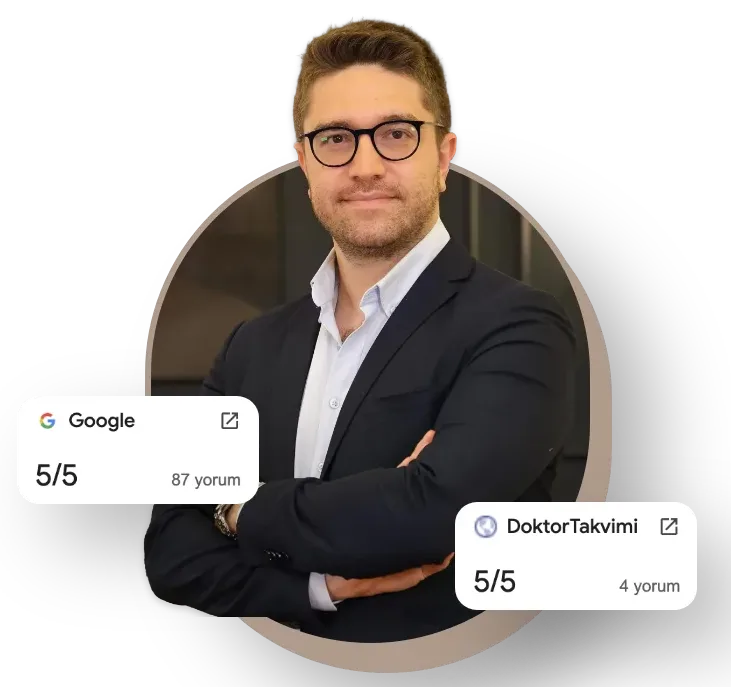
Op. Dr. Erman Ak is an internationally experienced specialist known for facial, breast, and body contouring surgeries in the field of aesthetic surgery. With his natural result–oriented surgical philosophy, modern techniques, and artistic vision, he is among the leading names in aesthetic surgery in Türkiye. A graduate of Hacettepe University Faculty of Medicine, Dr. Ak completed his residency at the Istanbul University Çapa Faculty of Medicine, Department of Plastic, Reconstructive and Aesthetic Surgery.
During his training, he received advanced microsurgery education from Prof. Dr. Fu Chan Wei at the Taiwan Chang Gung Memorial Hospital and was awarded the European Aesthetic Plastic Surgery Qualification by the European Board of Plastic Surgery (EBOPRAS). He also conducted advanced studies on facial and breast aesthetics as an ISAPS fellow at the Villa Bella Clinic (Italy) with Prof. Dr. Giovanni and Chiara Botti.
Op. Dr. Erman Ak approaches aesthetic surgery as a personalized art, tailoring each patient’s treatment according to facial proportions, skin structure, and natural aesthetic harmony. His expertise includes deep-plane face and neck lift, lip lift, buccal fat removal (bichectomy), breast augmentation and lifting, abdominoplasty, liposuction, BBL, and mommy makeover. He currently provides safe, natural, and holistic aesthetic treatments using modern techniques in his private clinic in Istanbul.