Türkçe
Mini facelift surgery is a more limited cosmetic surgical procedure performed to eliminate sagging and laxity in the lower part of the face. It is especially preferred to create a younger and firmer appearance along the jawline and cheek area and offers a shorter recovery period than traditional facelift procedures.
The process of how mini facelift surgery is performed is based on repositioning the skin and underlying tissues through small incisions made in front of the ears. The surgeon lifts the loosened tissues upward and removes excess skin to make the facial contour appear more defined and balanced.
The question of who is suitable for mini facelift surgery generally includes individuals with moderate skin sagging and early signs of aging. Frequently preferred by people between the ages of 35 and 55, this method corrects laxity in the lower part of the face while helping preserve natural facial expressions.
The recovery process after mini facelift surgery progresses rapidly in most patients, and the time required to return to daily life is shorter than with traditional facelift procedures. Mild swelling and bruising may occur after the operation, but when appropriate care is provided and the doctor’s recommendations are followed, the results offer a long-lasting and natural appearance.
What Happens as Our Face Ages and What Is a Mini Facelift?
As the years pass, the changes occurring in our face are not limited to fine lines or sunspots forming on the upper layer of the skin. Aging is a multidimensional process that deeply affects every layer of the face, from the bones and muscles to the fat pads and connective tissues. The fresh tissues that once sat full and high over our cheekbones during youth gradually become unable to resist the relentless pull of gravity. Just beneath the skin is a muscle-and-fascial layer called the SMAS, which holds our facial expression muscles together and may be described as the face’s “supporting column” or the “lining of the fabric.” Over the years, this supporting network loosens, stretches, and gradually begins to shift downward and inward together with the underlying fat tissues.
As a result of this downward movement, the facial oval becomes distorted. The folds extending from the sides of the nose toward the corners of the mouth deepen, the cheeks take on a hollow appearance, and sagging begins to appear along the jawline. The youthful, sharp triangular shape of the face gradually transforms into a square or rectangular form that is wider at the bottom. Mini facelift surgery is designed to reverse this downward shifting process.
What is done during this procedure is certainly not to pull the skin artificially toward the ears. The primary goal is to reach the loosened SMAS supporting layer and suspend it vertically upward, in the opposite direction from which it has descended. When the tissue is returned to its former youthful position, the face regains natural fullness. A very small amount of excess skin that cannot adapt to the new position is then gently removed. In this way, an extremely refreshed and rejuvenated appearance is achieved without looking visibly operated on or unnaturally tight, as though the face has been exposed to strong wind.
What Are the Differences Between a Mini Facelift and a Traditional Full Facelift?
There is no single standard formula for facial rejuvenation in the world of aesthetics because every face has its own anatomy and degree of aging. For this reason, although mini facelifts and traditional full facelifts are often confused, they are actually quite different in terms of their target patients and how they are performed. The most fundamental difference is the scope of the operation and the extent of the area in which the tissues are treated. A traditional facelift is generally a large-scale operation preferred at more advanced ages when there is severe sagging and deep folds throughout the face, especially in the neck area.
In the traditional method, the incisions begin within the scalp, pass in front of the ear, and continue along a very long line behind the ear to the hair-bearing area at the back of the neck. The surgeon lifts the skin over a wide area and restructures the underlying supporting tissue by cutting and reshaping it. This broad area of intervention naturally means a longer operating time, more bruising, more swelling, and an extended recovery period that may last for weeks. The patient must undergo a patient waiting period before returning to normal life and social activities.
A mini facelift, on the other hand, is a much more refined and targeted approach. The surgical incision is very short; it generally begins in the sideburn area, is carefully hidden within the natural folds immediately in front of the ear, and ends without extending far behind the earlobe. The area treated beneath the skin is much narrower and focuses only on the problematic regions. Thanks to this limited and gentle intervention, the tissues are exposed to much less trauma. The risk of bleeding is reduced, the operating time is considerably shorter, and most importantly, patients can return comfortably to their daily lives within only a few days.
Which Areas of the Face Does Mini Facelift Surgery Affect?
When we divide the face into three different regions using imaginary lines, the areas where the effects of aging accumulate most intensely and create the most tired overall appearance are generally the middle and lower regions. While forehead aging or drooping eyebrows in the upper region are usually treated with different procedures, the main areas where gravity pulls and collects facial tissues downward are found in the lower half of the face. By design, a mini facelift is extremely effective at erasing signs of fatigue in these regions.
With this operation, the tissues of the cheeks are lifted back to their former positions, filling the hollow areas beneath the cheekbones and creating a natural increase in volume in the midface. At the same time, the deep lines extending from the sides of the nose to the corners of the mouth, which give the person a sad and tired expression, are significantly softened. The sharp and smooth jawline, one of the greatest indicators of youth, is restored through this surgery.
The main anatomical areas treated include:
- Midface
- Cheeks
- Jawline
- Nasolabial folds
- Corners of the mouth
Tightening these listed areas immediately changes the overall harmony of the face. Defining the jawline makes the transition between the face and neck more distinct. Although this procedure is not directly a neck lift, suspending the tissues along the jawline also provides indirect tightening and improvement in mild laxity beneath the chin.
Who Are the Most Suitable Candidates for Mini Facelift Surgery?
Every age and every face has different needs; therefore, the golden rule of success in aesthetic surgery is to perform the right procedure on the right person. Mini facelift surgery is an art of “early intervention.” You do not need to wait until the sagging in your face has become completely established or the skin of your neck has formed multiple folds. In fact, waiting may mean losing the opportunity for a lighter and more comfortable intervention. The most successful and satisfying results are achieved when changes in the face have only recently begun to become noticeable, but the person is already starting to feel slightly uncomfortable with their appearance in the mirror.
The ideal timing for this process generally corresponds to middle age. Although the tissues have begun to shift downward during this period, the skin’s ability to recover and its elasticity remain quite high. Skin elasticity is incredibly important because when the underlying supporting system is lifted upward, the skin covering it must adapt smoothly to this new and youthful shape without forming folds or irregularities. Prominent facial bones also make the lifting procedure appear much more aesthetic, three-dimensional, and attractive.
The general characteristics of ideal candidates include:
- 40-55 years of age
- Elastic skin structure
- Prominent bone structure
- Good general health
When deciding on surgery, the patient’s psychological readiness for the process and realistic expectations are just as important as physical characteristics. The goal is not to create a completely different person from years ago but to reveal the existing beauty and help the individual achieve their most refreshed appearance.
Who Is Not a Suitable Candidate for Mini Facelift Surgery?
In aesthetic procedures, it is extremely important to avoid applying a method that will not satisfy the patient, will not suit their anatomical structure, or may place their health at risk. Although a mini facelift is a remarkable method, it is not a magic wand and has limitations. In people whose signs of aging in the face and neck have reached very advanced levels, this limited and gentle intervention cannot provide the desired satisfying result.
A mini procedure will be insufficient, especially in cases where the neck muscles form prominent bands and the skin has become extremely thin and folded. In such cases, even if the lower face is tightened, the neck will remain aged, creating an unbalanced appearance. Similarly, in skin structures that have been exposed to harmful sunlight for years without protection, have a history of tanning-bed use, and have completely lost elasticity and become paper-thin, it is very difficult for the skin to adapt to new facial contours. In such situations, patients should be directed toward more comprehensive surgical options.
Unsuitable profiles include:
- Advanced neck sagging
- Skin that has lost elasticity
- Heavy smoking
- Uncontrolled medical conditions
Blood circulation is the fundamental key to healing. Because smoking dramatically reduces the amount of oxygen reaching the tissues, performing this surgery on people who cannot stop smoking is generally avoided, as it may lead to serious wound-healing problems, separation of sutures, or skin loss.
Which Surgical Techniques Are Used in Mini Facelift Surgery?
Modern aesthetic surgery is a constantly evolving field that aims to provide greater benefit with less trauma to the patient. Therefore, a mini facelift cannot be confined to a single standard approach; it consists of several similar methods that differ in minor technical details and are selected by the surgeon according to the patient’s facial structure, skin thickness, and direction of sagging. The common principle of these techniques is to create maximum effect using hidden and short incisions.
One of the most frequently discussed and internationally accepted methods is a special technique based on suspending sagging tissues upward with vertical force. In this method, the muscle-and-fascial tissue beneath the skin is reached through a very small area in front of the ear. Instead of cutting and removing this tissue, it is folded onto itself or tightened like the opening of a pouch using extremely strong, permanent sutures and suspended to fixed, strong points in the temple area. In this way, the face is not pulled sideways but is lifted completely upward in a vertical direction.
Another popular approach is a technique named after the shape of the incision made in front of the ear and specifically targets sagging along the lower facial contour. In this method, the aim is also to restore the former sharpness of the cheeks and jawline. The incisions are placed so carefully within the folds of the ear cartilage and the hairline that after the recovery period, patients can comfortably comb their hair backward or wear it in a ponytail. It is almost impossible for an outside observer, especially from normal social distance, to notice these scars.
What Should Be Considered Before Mini Facelift Surgery?
The foundations of a successful result are laid long before the day of surgery, during the preparation phase. Entering surgery under the best possible biological conditions is the most important factor in ensuring that the recovery period is smooth, painless, and rapid. Following the doctor’s instructions precisely during this preparation process is vitally important not only for the aesthetic result but also for the safety of the operation.
The greatest sensitivity concerns bleeding control. To prevent unnecessary bleeding, even minor oozing, during and after surgery, all substances that impair blood clotting or thin the blood must be avoided. Most people think that only prescription medications or painkillers create risks, but many herbal supplements or vitamins consumed in daily life because they are considered healthy can create serious dangers before surgery. Therefore, all such substances must be completely discontinued at least fifteen days before the operation.
The following should be discontinued before surgery:
- Blood-thinning medications
- Vitamin E
- Omega-3
- Green tea
- Garlic tablets
- Ginseng
- Smoking
Smoking, in particular, constricts the capillaries because of the nicotine it contains and blocks blood flow to the tissues. During a facelift, the skin requires maximum oxygen to heal properly. For this reason, quitting smoking weeks before surgery is essential. In addition, if the patient has a blood pressure problem, it must be strictly controlled with medication to prevent stress-related increases.
How Does the Mini Facelift Procedure Proceed and How Is Anesthesia Selected?
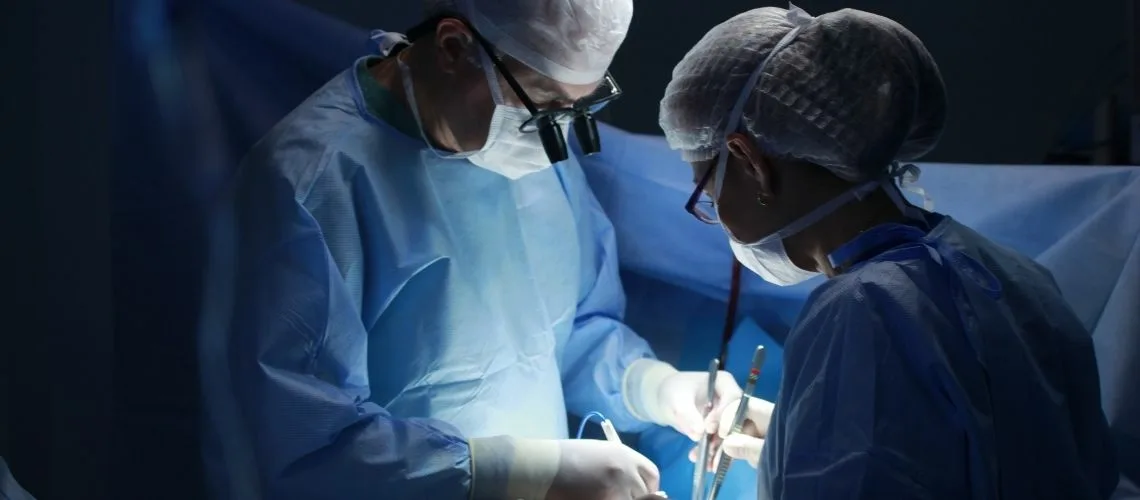
When the day of surgery arrives, the process in the hospital proceeds in a highly planned and calm manner, with patient comfort kept at the highest level. One of the greatest advantages of this operation is that it does not necessarily require the patient to undergo a very heavy and exhausting anesthesia process. In most cases, the operation is completed within one and a half to two and a half hours, and patients can generally return to the comfort of their homes the same evening or after staying for no more than one night.
The choice of anesthesia varies according to the patient’s level of anxiety and whether additional procedures will be performed. If the patient is calm and only a facelift is planned, regional numbing with local anesthesia accompanied by relaxing medications administered intravenously (sedation) is an excellent option. With this method, the patient is in a deep sleep-like state, feels no pain or discomfort, and wakes within minutes after the procedure without experiencing the grogginess, nausea, or fatigue associated with general anesthesia. However, general anesthesia may also be safely preferred according to the patient’s wishes or when additional procedures such as eyelid surgery are planned.
When the procedure begins, the skin is first gently opened along the very fine incision lines that have been marked. Special solutions that stop bleeding and prevent postoperative pain are injected into the surgical area. The well-known supporting muscle-and-fascial system is then identified and suspended upward with strong sutures. Once the underlying tissue has regained the fullness of its youthful years, the loose and excess portion of the overlying skin is removed without tension, only enough to prevent folds, and the incision is closed aesthetically. This stage, which is a true work of surgical artistry, is performed with meticulous craftsmanship and complete respect for the tissues.
How Does the Recovery Process Progress After Mini Facelift Surgery?
Contrary to what may be assumed, the recovery period that begins after discharge from the hospital is not a process marked by severe pain. Patients generally describe this period as a pleasant feeling of tightness, numbness, and tenderness in the face. The rapid recovery tendency after surgery is the clearest evidence of how little modern surgical techniques damage the tissues.
The first forty-eight hours are the period when edema, the body’s natural response to surgical intervention, is most intense. Sleeping with the head elevated on several pillows and applying regular cold compresses are highly effective in helping the swelling subside quickly. Thin and elastic bandages placed on the face after surgery both support the tissues as they adapt to their new position and limit edema. After the first few days, these tapes are removed, and patients can comfortably shower and return to light daily routines at home.
By the end of the first week, a large part of the healing process is complete. If non-dissolvable sutures are present, they are removed completely painlessly. At this point, the remaining mild swelling or pale bruising that has begun to turn yellow can be fully concealed with simple everyday makeup. Most patients can return to work and social environments from the tenth day onward without anyone realizing that they have undergone surgery. During the following weeks, the tissues beneath the skin begin to soften, and the facial contours fully settle into place. The final, most refined, and natural result generally appears within three to six months.
What Are the Possible Risks of Mini Facelift Surgery?
No medical intervention carries zero risk. Just as even a simple injection has its own risks, aesthetic surgical procedures also involve certain possibilities that should be understood. However, when performed by experienced hands using an anatomy-based approach under sterile operating room conditions, mini facelift surgery is statistically a very safe procedure, and the problems that may occur are generally temporary and easily manageable.
The issue that concerns patients most is whether the nerves that control the facial muscles may be damaged and whether facial expressions may be lost. The greatest advantage of the mini facelift technique is that it does not enter deep and dangerous anatomical planes; the procedure is carried out entirely within superficial and safe layers where the nerves remain protected underneath. Therefore, the risk of permanent loss of facial movement or nerve function is extremely rare. Temporary slowing of certain muscle movements or numbness in specific areas of the face may occur because postoperative swelling places pressure on the nerve endings, but these symptoms resolve completely on their own over the following months as the body eliminates the edema.
Possible conditions that should be monitored include:
- Hematoma
- Edema
- Bruising
- Temporary numbness
- Mild asymmetry
A hematoma, meaning blood accumulation beneath the skin, may generally occur within the first twenty-four hours as a result of a sudden increase in the patient’s blood pressure. When identified, the accumulated fluid is drained through a simple wound revision, and healing returns to its normal course. During recovery, the two sides of the face may lose swelling at different rates, causing temporary asymmetry, but these differences disappear once the tissues have completely healed and softened.
Which Aesthetic Procedures Can Be Combined with a Mini Facelift?
The tired expression we see when looking at our face is generally the result of several different signs of aging coming together rather than a single problem. While your jawline may become remarkably tightened and defined with a mini facelift, if your upper eyelids are resting on your eyelashes or there are deep hollows beneath your eyes, the sense of complete rejuvenation may remain incomplete. For this reason, a “holistic approach” is highly valuable in aesthetic surgery, and mini facelifts are frequently combined with other minor procedures to create perfect harmony.
The eye area is the most noticeable part of the face and the region where aging becomes evident most rapidly. A minor eyelid surgery performed during the operation immediately brightens the eyes and adds remarkable vitality to the face. Similarly, replacing fat tissue that has gradually disappeared from the cheeks over the years by injecting stem-cell-rich fat taken from the patient’s own body into the cheekbones or around the lips biologically rejuvenates the face and improves skin quality. Mild fat accumulation beneath the chin may also be vacuumed with a thin cannula during the operation to perfect the jaw contour.
Frequently performed additional procedures include:
- Eyelid surgery
- Fat injection
- Neck liposuction
- Skin rejuvenation
- Laser treatments
Chemical peels or laser treatments performed after surgery to improve the surface quality of the skin also tighten the pores and reduce sunspots, serving as the finishing touch to the refined result.
How Long Do the Results of Mini Facelift Surgery Last?
The greatest question on the mind of everyone who decides to undergo such a carefully planned operation is how long the achieved result will last. There is no time machine in medicine; no procedure can freeze you in time and completely stop aging. However, mini facelift surgery turns back the clock for you. It takes you approximately five to ten years back from your current age, returning you to a more refreshed, vibrant, and energetic appearance. Although the clock begins moving forward again, you will always continue to look younger and better than you would have without the surgery.
The longevity of the results depends not only on the surgeon’s technique but also on how you treat your own body and skin. Frequent weight gain and loss cause the tissues beneath the skin to repeatedly empty and fill, leading the skin to sag rapidly. Unprotected exposure to the harmful rays of the sun accelerates aging by breaking down the collagen fibers that give the skin its elasticity. Smoking and a stressful lifestyle also negatively affect this process. As long as you take care of yourself, protect your skin, and maintain a healthy lifestyle, the results of this operation will continue to accompany you pleasantly for many years.
As the years pass and the effects of time begin to appear gradually again ten or fifteen years later, there is no obstacle to undergoing a second touch-up procedure or a more extensive lifting operation in the future, because the anatomical planes of your face have not been disrupted.
Frequently Asked Questions
For which age group is mini facelift surgery a more suitable option?
How does mini facelift surgery differ from a traditional facelift operation?
Which areas of facial sagging can mini facelift surgery help correct?
How long does the recovery process take after mini facelift surgery?
Will scars remain after mini facelift surgery and how noticeable will they be?
Does mini facelift surgery provide permanent results?
Which aesthetic procedures can be performed together with mini facelift surgery?
What should be considered after mini facelift surgery?
Can mini facelift surgery also provide successful results in men?
What are the suitable candidate criteria for people considering mini facelift surgery?
Op. Dr. Erman Ak is an internationally experienced specialist known for facial, breast, and body contouring surgeries in the field of aesthetic surgery. With his natural result–oriented surgical philosophy, modern techniques, and artistic vision, he is among the leading names in aesthetic surgery in Türkiye. A graduate of Hacettepe University Faculty of Medicine, Dr. Ak completed his residency at the Istanbul University Çapa Faculty of Medicine, Department of Plastic, Reconstructive and Aesthetic Surgery.
During his training, he received advanced microsurgery education from Prof. Dr. Fu Chan Wei at the Taiwan Chang Gung Memorial Hospital and was awarded the European Aesthetic Plastic Surgery Qualification by the European Board of Plastic Surgery (EBOPRAS). He also conducted advanced studies on facial and breast aesthetics as an ISAPS fellow at the Villa Bella Clinic (Italy) with Prof. Dr. Giovanni and Chiara Botti.
Op. Dr. Erman Ak approaches aesthetic surgery as a personalized art, tailoring each patient’s treatment according to facial proportions, skin structure, and natural aesthetic harmony. His expertise includes deep-plane face and neck lift, lip lift, buccal fat removal (bichectomy), breast augmentation and lifting, abdominoplasty, liposuction, BBL, and mommy makeover. He currently provides safe, natural, and holistic aesthetic treatments using modern techniques in his private clinic in Istanbul.