Türkçe
Turkey is one of the most preferred centers for plastic surgery in the region. Highly trained specialist physicians provide aesthetic and reconstructive surgical services using modern technologies in internationally accredited hospitals.
High patient satisfaction and success rates in plastic surgery are among the reasons why Turkey is preferred. Specialized clinics and multidisciplinary healthcare teams closely monitor postoperative care processes, minimizing the risk of complications and accelerating recovery.
Plastic surgery services offered in Turkey within the scope of health tourism provide the advantages of affordable costs and high-quality treatment. Thousands of patients from Europe and the Middle East can benefit from both a vacation and surgical treatment at the same time.
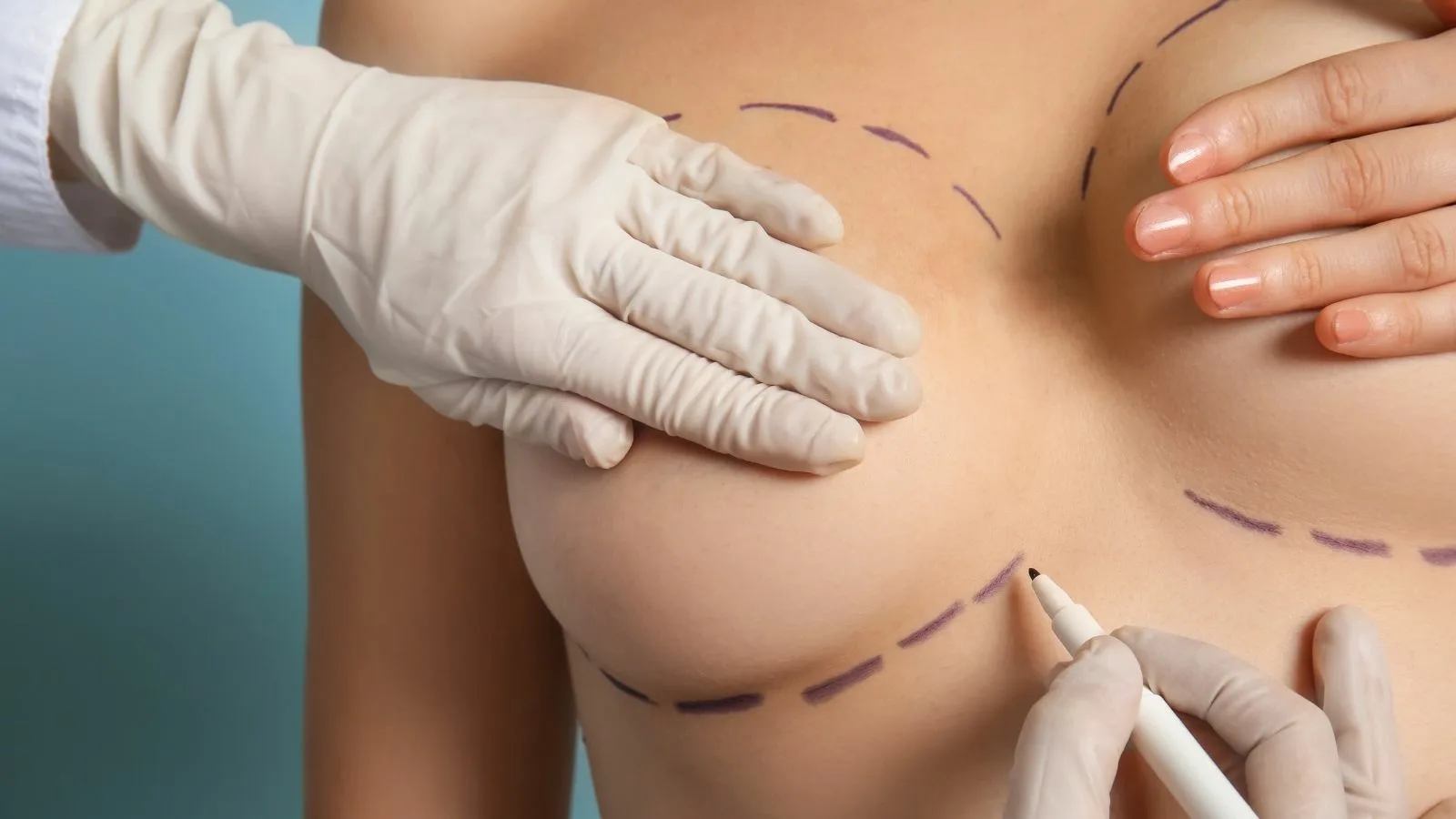
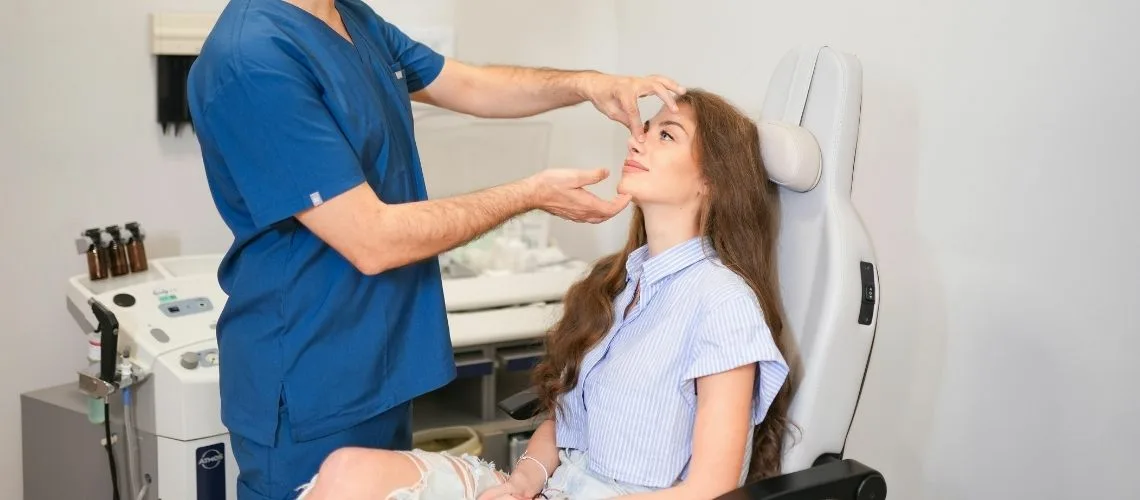
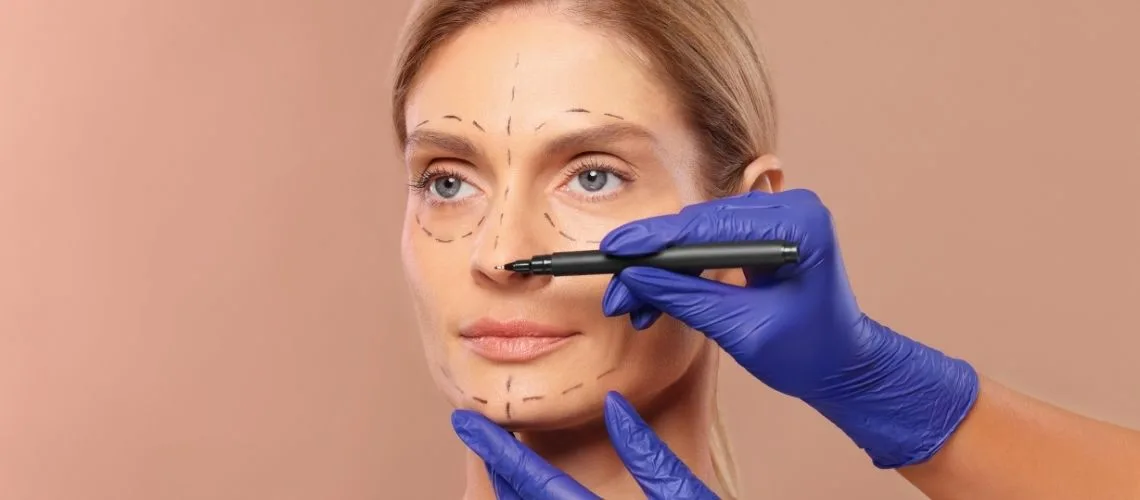
Doctors specializing in different branches of aesthetic surgery distinguish Turkey from other countries. Experienced surgeons in fields such as rhinoplasty, liposuction, facelift, and breast aesthetics achieve natural and balanced results through personalized planning.
The Strong Foundation of Medical Education and the Specialization Process
In Turkey, plastic, reconstructive, and aesthetic surgery requires a long and intensive specialization process. The specialty examination taken after medical school and the years of subsequent training cover not only aesthetic procedures but also many areas such as burns, congenital anomalies, and post-traumatic reconstruction. This enables physicians to develop not only an appearance-oriented perspective but also a profound understanding of functional and anatomical principles.
This multifaceted nature of plastic surgery enhances physicians’ clinical decision-making abilities as much as their manual skills. From the patient’s perspective, this generally results in expectations of a more comprehensive evaluation and a personalized approach.
The Parallel Development of the Public and Private Healthcare Systems
The parallel development of public hospitals and private healthcare institutions in Turkey has created a broad pool of experience in the field of plastic surgery. Many physicians spend certain stages of their careers working in public institutions with high patient volumes, where they encounter a wide variety of cases. This process contributes to the diversification of surgical practice.
Private hospitals and clinics, on the other hand, offer different advantages in terms of technological infrastructure, patient comfort, and follow-up processes. The experience gained across these two systems helps physicians improve both their medical expertise and communication skills. For patients, this generally translates into more detailed information and better process management.
Technological Infrastructure and Current Practices
Plastic surgery is a specialty closely associated with technology. Imaging systems, simulation software, operating room equipment, and sterilization standards are important for the safety and predictability of procedures. Many hospitals and medical centers in Turkey are in a strong regional position regarding access to these technologies.
However, it should not be forgotten that technology alone is not sufficient. Clinical decisions regarding how and for which patient these tools should be used are shaped by the physician’s experience and individual patient assessment. Therefore, technological capabilities generally gain their true value when combined with specialist expertise.
A Patient-Centered Approach
People seeking plastic surgery are often motivated not only by the desire for physical change but also by the expectation of psychological well-being. Many physicians and healthcare institutions in Turkey recognize that the process extends far beyond the surgery itself. Every stage, from the initial consultation to the recovery period, can be decisive for the patient.
Providing detailed information, discussing realistic expectations, and avoiding rushed decisions directly influence the patient experience. Clearly explaining situations in which surgery may not be appropriate for everyone and discussing alternative options are among the factors that strengthen trust between the physician and the patient.
International Patient Experience and Cultural Interaction
The experiences of patients from different countries also contribute to Turkey’s prominence in the field of plastic surgery. Working with individuals who have diverse expectations, aesthetic perspectives, and healthcare habits broadens physicians’ viewpoints. This contributes to the development of more flexible approaches that take facial structure, body proportions, and personal preferences into account rather than promoting a single standard of beauty.
The flow of international patients also influences the organization of clinical processes. Appointment scheduling, follow-up procedures, and communication become more systematic. For patients, this may help ensure that the entire process is more predictable and well organized.
Multidisciplinary Collaboration
Plastic surgery is not a field that is managed independently in many situations. Collaboration with specialties such as dermatology, otolaryngology, orthopedics, psychiatry, and anesthesiology may be required. The widespread adoption of this multidisciplinary approach in many hospitals and medical centers in Turkey enables more comprehensive patient evaluations.
For example, while planning an aesthetic procedure, assessing the skin from a dermatological perspective or considering the psychological aspects of the patient’s expectations contributes to a healthier treatment process. This approach helps avoid the misconception that “everything can be solved with a single procedure.”
Access to Information and the Well-Informed Patient Profile
Today, patients typically go through an extensive research process before seeking plastic surgery. The increasing availability of informative content in both Turkish and foreign languages in Turkey enables individuals to consult physicians with more informed questions. This can make physician-patient communication more productive.
Well-informed patients generally have a more realistic understanding of the procedure, potential risks, and the recovery period. This provides a stronger foundation for making well-informed decisions. Nevertheless, it is emphasized during consultations that every piece of information should be evaluated on an individual basis and that internet sources alone are not sufficient.
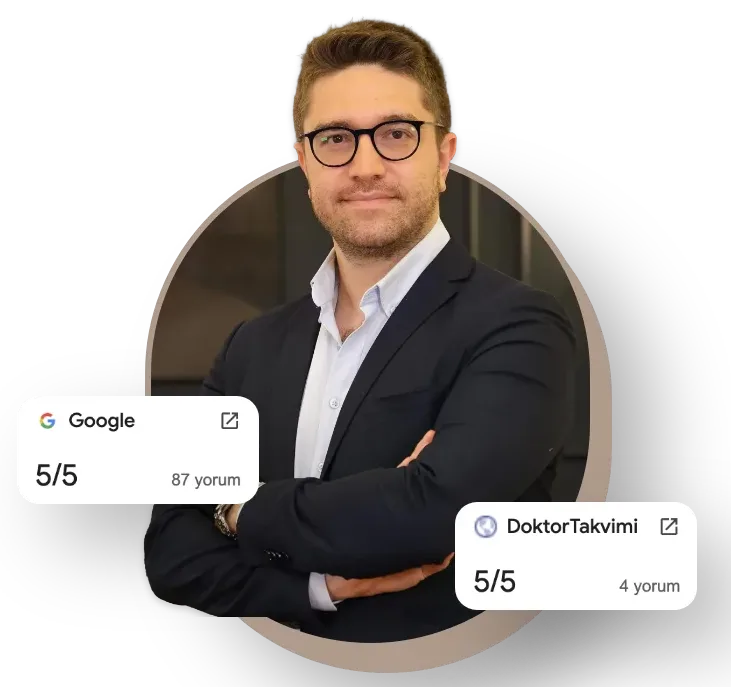
Op. Dr. Erman Ak is an internationally experienced specialist known for facial, breast, and body contouring surgeries in the field of aesthetic surgery. With his natural result–oriented surgical philosophy, modern techniques, and artistic vision, he is among the leading names in aesthetic surgery in Türkiye. A graduate of Hacettepe University Faculty of Medicine, Dr. Ak completed his residency at the Istanbul University Çapa Faculty of Medicine, Department of Plastic, Reconstructive and Aesthetic Surgery.
During his training, he received advanced microsurgery education from Prof. Dr. Fu Chan Wei at the Taiwan Chang Gung Memorial Hospital and was awarded the European Aesthetic Plastic Surgery Qualification by the European Board of Plastic Surgery (EBOPRAS). He also conducted advanced studies on facial and breast aesthetics as an ISAPS fellow at the Villa Bella Clinic (Italy) with Prof. Dr. Giovanni and Chiara Botti.
Op. Dr. Erman Ak approaches aesthetic surgery as a personalized art, tailoring each patient’s treatment according to facial proportions, skin structure, and natural aesthetic harmony. His expertise includes deep-plane face and neck lift, lip lift, buccal fat removal (bichectomy), breast augmentation and lifting, abdominoplasty, liposuction, BBL, and mommy makeover. He currently provides safe, natural, and holistic aesthetic treatments using modern techniques in his private clinic in Istanbul.