Türkçe
Cheekbone aesthetics encompasses surgical and non-surgical procedures performed to restore the volume lost over time in the midface and create a more dynamic facial contour. This procedure is based on enhancing the prominence of the cheekbones using high-viscosity dermal fillers, autologous fat transfer, or permanent implants. Designed to preserve the ideal balance known as the “triangle of youth,” these interventions define the cheekbone contour, support sagging tissues, and eliminate a tired facial appearance. Offering aesthetic sharpness and structural harmony, these methods are fully customized according to each individual’s facial architecture and anatomical needs.
How Does Cheekbone Aesthetics Slow the Facial Aging Process?
The aging process of the face is not limited to fine wrinkles or superficial skin sagging. It is a complex, three-dimensional transformation that begins in the bone tissue and gradually affects the muscles, fat pads, and finally the skin. In a youthful face, specialized fat pads located directly above the cheekbones provide fullness and create a bright, firm, and refreshed appearance. These fat pads are anchored to the bone and muscles by strong connective structures. When light strikes the face, these elevated points naturally reflect light, giving the face its youthful vitality.
As time passes, bone density naturally decreases throughout the body. The facial skeleton is no exception, and the cheekbones gradually lose volume at the cellular level. As the structural support of the bone weakens, the tissues resting above it lose their stable foundation. At the same time, collagen and elastin fibers responsible for skin elasticity decrease in production. Combined with the continuous effects of gravity, the youthful fat pads gradually descend toward the midface.
The external effects of this downward movement become quite noticeable. As the cheek area loses volume, the face appears flatter, more tired, and hollow. Descending tissues deepen the lines extending from the sides of the nose to the corners of the mouth, contribute to cheek sagging, and create under-eye hollows. The youthful inverted triangle gradually transforms into a wider, squarer facial shape.
Cheekbone enhancement procedures effectively reverse many of these changes. Rebuilding the lost skeletal support mechanically lifts the descended tissues upward. The added volume in the midface tightens the skin much like reinflating a deflated balloon. The natural points where light reflects on the face are restored to their ideal positions. As a result, not only the cheek area but also the under-eye region and nasolabial folds appear smoother, creating a brighter, more rested, and positive facial expression.
How Is Cheekbone Enhancement Planned for Ideal Facial Proportions?
The secret to successful facial aesthetics is not applying the same template to everyone, but identifying the proportions that best suit each individual’s unique anatomy. Achieving harmonious results requires evaluating not only the projection of the cheekbones but also their relationship with the forehead, eyes, nose, lips, and chin. Various mathematical and geometric analyses are used to ensure these transitions appear natural.
Common planning methods include:
- Hinderer line method
- Golden ratio analysis
- Z-axis evaluation
- V-line analysis
The Hinderer line method identifies the ideal point of maximum facial projection through geometric analysis. Imaginary lines are drawn from the outer corner of the eye to the corner of the mouth and from the wing of the nose toward the middle of the ear. The area located above and lateral to the intersection represents the ideal location for maximum cheek fullness. Any deficiency in this region determines the primary focus of treatment.
Golden ratio analysis evaluates the harmonious mathematical relationships between facial structures, including the width of the eyes, the length of the nose, and the height of the cheekbones. These proportions create overall facial harmony. Z-axis evaluation analyzes the face from the side to determine precisely how much forward and lateral projection the cheekbones require. V-line analysis examines the smooth triangular contour extending from the cheekbones to the chin.
Which Dermal Fillers Are Preferred for Non-Surgical Cheekbone Enhancement?
For individuals who do not wish to undergo surgery or dedicate time to postoperative recovery, dermal filler treatments provide a highly practical and comfortable alternative. Completed within minutes in a clinical setting, these procedures produce immediate enhancement of the cheekbone contour. The fillers are strategically placed beneath the skin to instantly create a lifting effect.
The most commonly used filler materials include:
- Hyaluronic acid fillers
- Calcium hydroxylapatite fillers
- Poly-L-lactic acid fillers
Hyaluronic acid is a naturally occurring substance that provides moisture and elasticity to the skin. However, unlike softer fillers used for the lips, high-density formulations designed to maintain their shape under pressure are selected for deep cheekbone augmentation. These firm fillers act as structural support directly over the bone, elevating the overlying tissues. Blunt-tip microcannulas are commonly used to minimize tissue trauma and bruising. Results generally last for more than one year and can be completely dissolved with a specific enzyme if desired.
Calcium hydroxylapatite fillers resemble the minerals naturally found in bones and teeth. Besides providing immediate volume, they actively stimulate the skin’s own collagen production. As the filler is gradually absorbed, it leaves behind a newly formed collagen network that enhances skin quality. These fillers are especially suitable for individuals seeking more sculpted facial contours. Poly-L-lactic acid fillers work similarly by stimulating collagen production, gradually creating a completely natural-looking increase in facial volume over time.
Can Cheekbone Enhancement Be Performed Using the Patient’s Own Tissue?
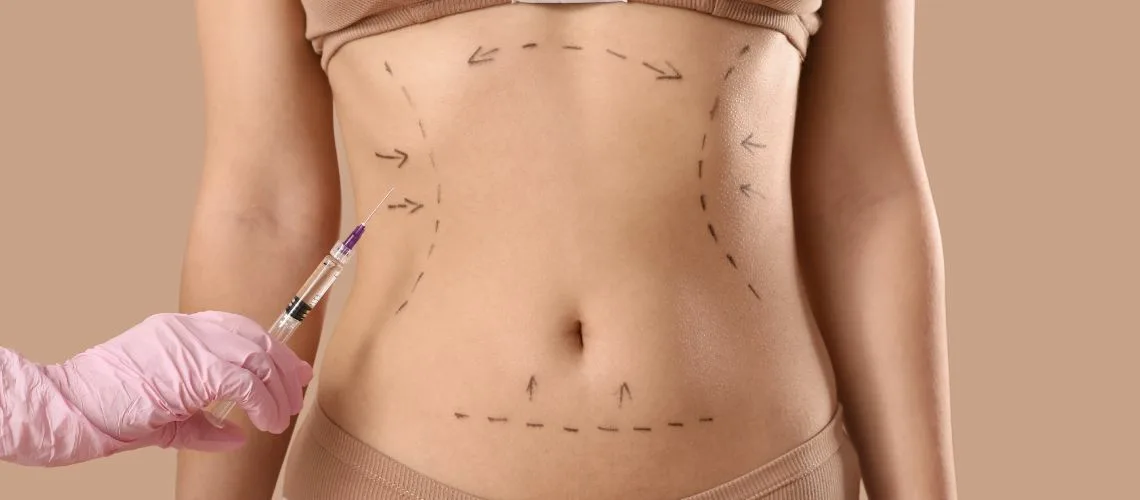
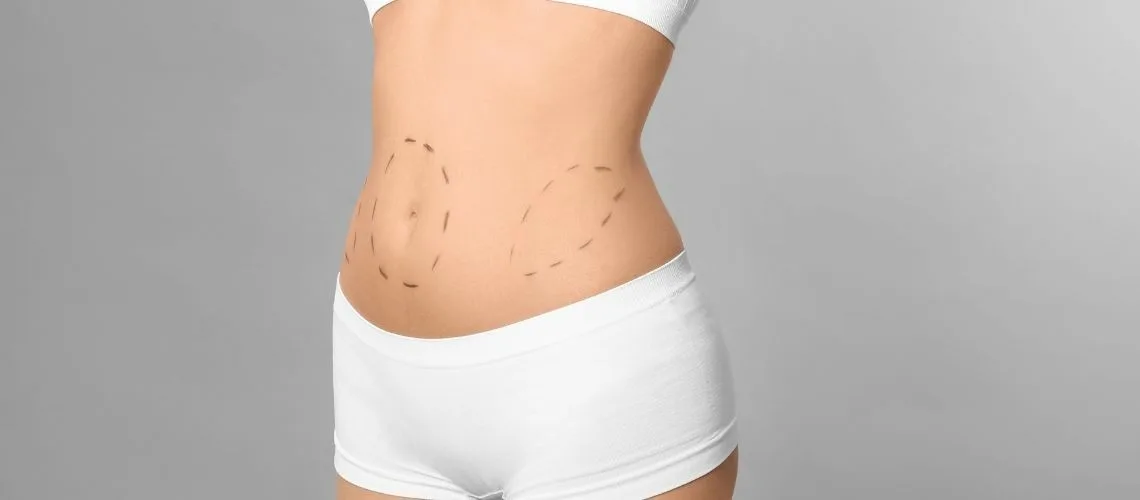
For individuals who prefer avoiding foreign substances and wish to achieve rejuvenation using their own tissues, autologous fat transfer is an excellent option. This technique involves harvesting fat cells from areas such as the abdomen, waist, or inner thighs and transferring them to areas of facial volume loss. Since the patient’s own living tissue is used, there is virtually no risk of rejection or allergic reaction.
The procedure requires exceptional precision. Fat is harvested using fine cannulas and processed carefully to preserve cellular integrity. Once purified, the healthy fat cells are injected into the cheekbones and other deficient areas in multiple microscopic layers, much like planting tiny seeds. The transferred fat cells must establish a blood supply through surrounding capillaries in order to survive. Since part of the transferred fat is naturally absorbed during this adaptation phase, surgeons intentionally inject a slightly greater volume initially.
Once the absorption process is complete, the surviving fat cells become a permanent part of the treated area. Their volume changes naturally with the patient’s body weight. One of the greatest advantages of fat grafting is its rich stem cell content. These stem cells improve blood circulation, promote tissue repair, enhance skin quality, and provide remarkable radiance and smoothness. As a result, patients achieve not only volume restoration but also biological skin rejuvenation.
How Are Permanent Cheekbone Implants Applied for Long-Lasting Results?
For individuals who prefer not to undergo repeated filler treatments, are concerned about fat resorption, or naturally have very flat cheekbones, surgical implants provide the most permanent solution. Rather than temporarily increasing soft tissue volume, implants permanently enhance the facial skeleton.
Materials commonly used include:
- Medical-grade solid silicone implants
- Porous polyethylene implants
- Titanium micro fixation screws
Medical-grade solid silicone has been safely used in aesthetic surgery for decades and offers excellent tissue compatibility with minimal allergy risk. Various shapes and sizes allow customization according to individual anatomy. Porous polyethylene implants feature a sponge-like microscopic pore structure into which the patient’s tissues and blood vessels gradually grow. This unique biological integration permanently stabilizes the implant and virtually eliminates the possibility of displacement.
The procedure is generally performed through a small incision inside the mouth beneath the upper lip, leaving no visible external scar. The implant is placed into a carefully prepared pocket beneath the periosteum and may be secured directly to the bone using titanium screws to prevent even minimal movement. Usually completed within approximately one hour, the procedure provides lifelong enhancement of cheekbone definition.
How Is Cheekbone Reduction Surgery Performed?
Although cheekbone aesthetics is commonly associated with augmentation, some individuals seek treatment for excessively prominent, wide, or angular cheekbones. Due to genetics, ethnicity, or anatomical characteristics, overly projecting cheekbones may create a facial appearance that seems broad, masculine, or harsh. In these cases, surgical contour reduction provides a more refined and harmonious facial shape.
If the prominence is mild, the bone surface can be gently reshaped through intraoral incisions using specialized surgical instruments. This contouring narrows the facial width and softens angular features. However, when the prominence is too significant for simple contouring, more advanced osteotomy techniques are required.
During osteotomy, the bone is carefully separated at predetermined anatomical points, repositioned inward, and securely fixed. This permanently reduces excessive facial width by changing the spatial position of the cheekbone. Because the procedure involves bone healing, recovery requires greater patience. Once healing is complete and swelling resolves, patients achieve a softer, more feminine, or proportionally balanced facial profile.
Which Procedures Complement Cheekbone Aesthetics for Optimal Results?
Facial rejuvenation should always be approached holistically. Focusing on only one region while ignoring aging or imbalance elsewhere may produce unnatural results. Although enhancing the cheekbones significantly improves facial attractiveness, complementary procedures are often recommended to achieve the most harmonious outcome.
Frequently combined procedures include:
- Midface lift surgery
- Masseter Botox
- Chin and chin augmentation fillers
- Ultrasound skin tightening treatments
- Microneedle radiofrequency treatments
In patients with advanced aging or significant weight loss, simply adding volume to the cheekbones may create an unnatural fullness if the cheek tissues have severely descended. In such situations, a midface lift repositions the sagging tissues upward to their original location. Supporting these elevated tissues over the enhanced cheekbones restores the smooth and youthful V-shaped facial contour.
For younger patients with a broad lower face, enlargement of the masseter muscles due to teeth grinding may create a square jawline. Reducing these muscles with Botox narrows the lower face, making the cheekbones appear naturally more prominent. Chin augmentation improves overall profile balance, while energy-based skin tightening devices enhance skin firmness and further define the cheek contours.
What Guidelines Should Patients Follow During the Cheekbone Enhancement Process?
The success of every aesthetic procedure depends not only on the surgeon’s expertise but also on the patient’s adherence to preoperative and postoperative care instructions. Maintaining optimal healing capacity and minimizing the risk of bleeding or infection requires strict compliance with medical recommendations.
The following should be avoided before treatment:
- Smoking and tobacco products
- Alcohol consumption
- Blood-thinning medications
- Vitamin E supplements
- Green tea and herbal remedies
Smoking significantly reduces oxygen delivery to tissues by constricting blood vessels, making it one of the greatest obstacles to proper wound healing. Blood-thinning medications, vitamins, and herbal products increase the risk of bruising and bleeding. Discontinuing these substances approximately two weeks before treatment greatly contributes to a smoother recovery.
During recovery, patients should carefully follow these recommendations:
- Apply cold compresses regularly
- Sleep on the back with the head elevated
- Avoid strenuous physical activity
- Do not massage or apply pressure to the face
- Avoid hot baths and steam rooms
Swelling during the first few days is a completely normal part of the healing process. Keeping the head elevated above heart level minimizes fluid accumulation, while cold compresses reduce swelling and bruising by constricting small blood vessels. Heavy exercise should be avoided because elevated blood pressure may increase swelling. Pressure or massage should never be applied to the treated area while fillers or implants are integrating with the surrounding tissues.
What Role Does Cheekbone Enhancement Play in Cases of Tooth Loss and Bone Resorption?
The function of the cheekbone extends beyond facial aesthetics. Anatomically, it is one of the strongest and most durable structures of the skull. This strength becomes critically important in patients whose upper jawbone has severely deteriorated due to aging, advanced bone loss, failed dental treatments, or previous maxillary surgeries. In such patients, conventional dental implants cannot be placed because the jawbone no longer provides adequate support, forcing many individuals to rely on removable dentures that significantly impair chewing function. Loss of the upper jawbone also causes collapse of the midface, inward sinking of the cheeks, shortening of facial height, and an aged appearance.
In these challenging situations, zygomatic implants offer an exceptional solution. Unlike cosmetic cheek implants, these are long, strong titanium implants designed to bypass the deficient upper jaw completely and anchor directly into the dense cheekbone. The strength of the zygomatic bone eliminates the need for extensive bone grafting procedures.
The functional and aesthetic improvements achieved are remarkable. Many patients receive temporary fixed teeth on the same day as surgery and regain the ability to chew comfortably after years of difficulty. From an aesthetic perspective, the implant-supported dental restoration also provides internal support to the collapsed cheeks and upper lip, restoring facial fullness and normal facial proportions.
Frequently Asked Questions
What is cheekbone enhancement, and how does it affect facial appearance?
Cheekbone enhancement includes aesthetic procedures designed to add volume and definition to the midface. It can create more balanced facial proportions while contributing to a younger and more dynamic appearance.
What methods are used for cheekbone enhancement, and which procedures are preferred?
Cheekbone enhancement may be performed using dermal fillers, fat transfer, or surgical implants. The most suitable method depends on the patient’s facial anatomy, aesthetic goals, and desired longevity of results.
Can cheekbone enhancement be performed without surgery?
Yes. Non-surgical cheekbone enhancement can be performed using dermal fillers. This technique may define facial contours and provide rapid results. However, the effects are temporary and generally require maintenance treatments.
How long do cheekbone fillers last, and when do their effects diminish?
The longevity of cheekbone fillers varies depending on the product used and the individual’s metabolism. As the filler is gradually absorbed by the body, its effects decrease over time, and repeat treatments may be performed to maintain the appearance.
Who may be a suitable candidate for cheekbone enhancement?
Individuals seeking more defined facial contours, restoration of lost volume, or improved facial symmetry may be suitable candidates for cheekbone enhancement. Final suitability should always be determined through specialist evaluation.
Can cheekbone enhancement make the face appear younger?
Restoring volume to the cheekbones may compensate for age-related volume loss. This can contribute to a fresher, more youthful, and more dynamic appearance while enhancing facial definition.
What is the recovery process like after cheekbone enhancement?
Recovery after non-surgical procedures is usually rapid, although mild swelling, bruising, or tenderness may occur. Surgical procedures require a longer recovery period, and patients should carefully follow their surgeon’s recommendations.
What are the risks and side effects of cheekbone enhancement procedures?
Temporary swelling, bruising, tenderness, and asymmetry may occur. In rare cases, infection or vascular complications are possible. Therefore, these procedures should always be performed by experienced specialists.
Can cheekbone enhancement be combined with other facial aesthetic procedures?
Yes. Cheekbone enhancement can be combined with jawline contouring, rhinoplasty, facial fillers, and other aesthetic procedures to achieve better overall facial harmony.
Why is a specialist consultation necessary before cheekbone enhancement?
Every individual’s facial anatomy and aesthetic expectations are unique. A specialist consultation allows detailed facial analysis, selection of the most appropriate technique, and personalized treatment planning to achieve natural-looking results.
Op. Dr. Erman Ak is an internationally experienced specialist known for facial, breast, and body contouring surgeries in the field of aesthetic surgery. With his natural result–oriented surgical philosophy, modern techniques, and artistic vision, he is among the leading names in aesthetic surgery in Türkiye. A graduate of Hacettepe University Faculty of Medicine, Dr. Ak completed his residency at the Istanbul University Çapa Faculty of Medicine, Department of Plastic, Reconstructive and Aesthetic Surgery.
During his training, he received advanced microsurgery education from Prof. Dr. Fu Chan Wei at the Taiwan Chang Gung Memorial Hospital and was awarded the European Aesthetic Plastic Surgery Qualification by the European Board of Plastic Surgery (EBOPRAS). He also conducted advanced studies on facial and breast aesthetics as an ISAPS fellow at the Villa Bella Clinic (Italy) with Prof. Dr. Giovanni and Chiara Botti.
Op. Dr. Erman Ak approaches aesthetic surgery as a personalized art, tailoring each patient’s treatment according to facial proportions, skin structure, and natural aesthetic harmony. His expertise includes deep-plane face and neck lift, lip lift, buccal fat removal (bichectomy), breast augmentation and lifting, abdominoplasty, liposuction, BBL, and mommy makeover. He currently provides safe, natural, and holistic aesthetic treatments using modern techniques in his private clinic in Istanbul.