Türkçe
Hip types are variations in body shape that appear differently depending on an individual’s pelvic structure, fat distribution, and genetic factors. They are defined through classifications such as square, round, heart-shaped, and V-shaped, and they provide an important reference not only for aesthetic appearance but also for evaluating body proportions.
Different hip types emerge from the combination of fat distribution, muscle development, and bone structure in the body. These types particularly determine the transition lines between the waist, thighs, and hips. Correct analysis of hip type is important in aesthetic evaluations and body contouring plans.
The anatomical characteristics of hip types in women are generally associated with hormone levels, genetic inheritance, and lifestyle factors. Pelvic width and the tendency to store fat play a fundamental role in determining hip shape. These differences are considered from both aesthetic and orthopedic perspectives.
When evaluating body proportions according to hip type, the waist-to-hip ratio, thigh volume, and pelvic structure are examined together. These analyses serve as a guide in aesthetic surgery, exercise planning, and posture assessment. Correct classification makes it possible to develop an approach suitable for the individual’s body structure.
How Do Hip Characteristics Affect Aesthetic Appearance in Human Anatomy?
The hip region is an extremely complex and important structure positioned at the very center of the body, not only in terms of external appearance but also in relation to functional mobility, balance, and posture. Anatomically, the boundaries of this region begin at the upper edge of the pelvis and end at the crease known as the infragluteal fold. The most fundamental factor determining the aesthetic position, fullness, and firmness of the hips is actually the muscle groups beneath the skin that give this region its characteristic volume. The gluteus maximus, one of the largest and strongest muscles in the human body, is the primary motor structure that enables us to stand up from a seated position, climb stairs, and remain upright. The shape of this massive muscle directly affects the backward projection of the hips, meaning the roundness seen in profile. The more developed and voluminous this muscle is, the more aesthetically prominent and lifted the hips appear from the side. Other smaller muscle groups located in the middle and deeper layers provide lateral fullness, roundness, and an aesthetic connection with the pelvis. The fascial membranes, connective tissues, and subcutaneous fat layer covering these muscles create the smooth, curved, and soft surface visible from the outside. When planning an aesthetic intervention, the structure, tension, and volume of all these muscle layers are carefully evaluated. Placing fat injections or silicone implants at the correct anatomical depth is absolutely essential for achieving a completely natural-looking result.
What Is the Determining Effect of the Skeletal Framework on Hip Types and Characteristics?
The skeletal system beneath the muscles and fat tissue is the main architectural framework that defines the body’s overall contours. The external shape, width, and projection of the hips are inseparably connected to the underlying pelvic framework. This strong bone structure, which transfers the center of gravity of the upper body evenly to the legs, is one of the most decisive factors in hip aesthetics. The upper and outwardly widening parts of the pelvis determine how broad the hips appear from side to side. When this bone structure is wide, the hips appear broader and more spread out, whereas a narrow structure creates a smaller and more compact appearance. In addition, the inclination of the sacrum located above the tailbone is the main factor determining how far the hips project backward when viewed from the side. The lower back dimples often seen in young and dynamic bodies and considered aesthetically attractive are entirely the result of the anatomical arrangement of bone and connective tissues in this region. The greater trochanter, the most prominent bony point on the sides of the hips, determines the curvature of the outer contours. The main bone structures shaping the hip region are:
- Iliac wings
- Sacrum
- Ischium
- Greater trochanter
What Are the Hip Changes and Signs of Sagging That Develop Over Time?
In a young, firm, and toned body, there is very strong connective tissue support between the subcutaneous fat and the underlying muscles. This supporting system allows the tissues to resist gravity and remain lifted. However, over time, the relentless effect of gravity, reduced collagen production associated with natural aging, a sedentary lifestyle, or repeated weight gain and loss may cause these supportive connections to lose their elasticity completely. When this condition, called gluteal ptosis in medicine, begins, the aesthetically rounded contours of the hips gradually flatten. Volume shifts downward, and the hips develop a longer, flatter, and deflated appearance along the vertical axis. The clearest external indicator of this condition is the appearance of the infragluteal fold. When tissues begin to accumulate over this line or skin elasticity is lost after significant weight loss, especially following bariatric surgery, the fold becomes longer and thicker. In some cases, a second fold known as the banana roll may form beneath the hips. The main factors causing sagging include:
- Advancing age
- The effect of gravity
- Sedentary lifestyle
- Weight fluctuations
- Genetic connective tissue weakness
What Are the Types and Aesthetic Characteristics of Square-Shaped Hips?
One of the commonly encountered morphological groups based on bone structure and fat distribution is the square hip shape. In this form, the waist indentation is almost completely absent. The line extending downward from the narrowest part of the waist toward the outer thighs progresses almost as a straight line rather than forming an aesthetic curve. In individuals with square-shaped hips, excess fat tissue generally tends to accumulate around the sides of the waist. In contrast, there is a noticeable lack of volume and a hollow appearance along the sides of the hips. These depressions on the outer hips, which concern many people today, cause the body to appear straight, rigid, and lacking in curves. The approach used to transform a square structure into a more feminine and rounded form aims to restore the missing hourglass curve to the body. For this purpose, excess fat around the waist is removed using liposuction techniques to make the waist as narrow as possible. The valuable fat tissue obtained is then specially processed and carefully injected into the hollow areas along the sides of the hips. Through this strategic redistribution, the rigid square appearance is broken, creating a softer, more curved, and aesthetically satisfying rounded hip silhouette.
How Can V-Shaped Hip Types and Their Prominent Characteristics Be Improved Aesthetically?
As its name clearly suggests, the V-shaped hip form has a very wide upper section around the pelvis and narrows toward the lower hips, creating a pointed appearance. When viewed from behind, this morphology resembles the letter V and generally develops due to acquired factors rather than purely structural causes. Tissue sagging caused by aging and gravity, loss of shape, or significant reduction of subcutaneous fat following excessive weight loss are among the main causes of this appearance. In V-shaped hips, the upper part usually appears fuller and bonier, while the lower part and the area around the infragluteal fold show significant hollowness, lack of volume, and loss of support. From behind, the hips may appear as though they have melted, deflated, and lost structural support. This can make the legs appear shorter than they actually are and create an overall impression of reduced body vitality. Strategies developed to correct this aesthetic issue focus on reconstructing the deficient lower and middle regions. If the individual has sufficient fat reserves in other parts of the body, this fat can be harvested and injected into the lower areas. However, if tissue loss is very advanced, fat grafting alone may not provide adequate volume. In such challenging cases, anatomically shaped silicone implants may be used to fill the lower half of the hips, or the two methods may be combined.
Why Are Round Hip Types and Their Characteristics Considered the Most Ideal?
When examined within the framework of globally accepted aesthetic standards and body proportion principles, the round or O-shaped hip form consistently stands out as the most ideal structure. In this shape, body fat is distributed proportionately and evenly around the center of the hips. The transition from a narrow waist to wider hips follows an extremely smooth, seamless, and curved line. When viewed from behind, this appearance resembles a perfect circle and is considered a universal symbol of youth, vitality, and health. In individuals with round hips, sagging is generally absent or remains minimal until later ages, provided there is no history of major weight fluctuations. The hips naturally possess fullness, lift, and firmness that resist gravity. When people with this excellent foundation seek aesthetic enhancement, they usually do not pursue dramatic changes. Their main goals are simply to emphasize their existing attractive shape, slightly increase volume, or make the backward projection more pronounced in profile. Very minimal interventions are sufficient to achieve these goals. Injecting a small amount of fat obtained from the abdomen or waist into the hips produces highly attractive and natural results.
How Are Pear- or Heart-Shaped Hip Types and Their Characteristics Formed in Our Population?
This hip structure, classified anatomically as type A but more commonly known as pear-shaped or inverted heart-shaped, is genetically the most common body form among women in Mediterranean countries, particularly Türkiye. The most distinctive feature of this silhouette is that the area at pelvic level, immediately below the waist, is narrow, while the outer thigh and upper leg region widens excessively toward the bottom as a result of genetic programming. Although the waist is very narrow, the extreme width of the lower half of the hips and outer thighs concentrates the body’s visual weight in the lower regions. From an aesthetic perspective, this width makes the buttocks appear closer to the ground and creates the visual illusion that the legs are much shorter than they actually are. Individuals with this morphology are among the most suitable candidates for body contouring concepts offered by modern aesthetic surgery. The main strategy is to move the visual weight of the lower body upward. Genetic fat deposits accumulated in the outer thighs and inner legs are carefully removed through liposuction. The valuable fat cells obtained from these areas are injected into the upper sections of the flat and deflated buttocks, shifting the volume upward. This prevents the hips from appearing saggy and makes the legs look much longer by narrowing the outer thighs.
How Is Harmony Between Hip Characteristics and Projection Achieved When Viewed From the Side?
Aesthetic evaluation and successful reshaping of the hip region are not limited to how it appears from behind. The more challenging aspect is achieving harmony in the profile view, meaning the projection visible when the body is viewed from the side. In profile analysis, the most prominent point where the hips project backward as the contour descends from the back is carefully examined. The location of this point on the body completely changes the direction of the procedures to be performed. If this peak point is already positioned high in the patient’s anatomy and an implant is preferred, anatomically shaped teardrop implants should definitely be used. Placing a round implant beneath an already high peak may create an artificial bulge that rises abruptly in the upper part of the hips. Conversely, if the peak point is positioned lower and appears saggy, round implants are more suitable for filling the upper hollow area and visually lifting the hips. Another important detail affecting profile harmony is the natural inward curve of the waist. When this curve in the lower spine is very deep, it may create a false projection that makes the buttocks appear highly prominent even when there is insufficient volume. In such special cases, rather than adding extra fat to enlarge the hips, simply reducing the thickness around the waist to highlight the existing projection is a much more elegant approach.
How Are Hip Types and Characteristics Completely Reshaped With the BBL Method?
The BBL procedure, which revolutionized the concept of body contouring, is not simply about enlarging the hips. Its fundamental philosophy involves removing excess fat from unwanted areas of the body and skillfully transferring it to areas that lack volume and require support. Through this comprehensive approach, hip types and characteristics can be completely redesigned. The first step is fat harvesting. When fat is removed from the areas targeted for slimming, preserving the viability of the cells is extremely important. For this reason, tissue-respecting systems that use mechanical vibration are preferred. The collected fat tissue contains blood and body fluids. To turn the fat to be injected into a high-quality graft, these fluids are removed through filtration systems. The key to permanence lies in the injection stage. The prepared pure fat cells are placed only into the subcutaneous tissues of the hips through fine tunnels. For these transferred cells to survive in their new location, they must develop a blood supply from the surrounding tissues. The main areas from which fat is harvested include:
- Abdomen and surrounding area
- Waist region
- Back region
- Inner and outer thighs
How Are Hip Types and Characteristics Changed Using Silicone Implants?
Although methods using the individual’s own tissues are popular, fat transfer is not always possible in people with a very low body mass index who do not have enough excess fat to harvest. Some individuals may also desire a firmer, more dramatic hip projection that never loses its shape rather than the softer texture created by fat. This is where hip implants, which maintain their shape for years, become an option. Hip implants are manufactured from a much denser and firmer silicone gel so that they can withstand the pressure applied by the muscles while sitting or during high-intensity activities. In the past, these implants were placed only beneath the skin, which could cause them to become externally visible or shift downward under the effect of gravity. However, this problem has been fully resolved with the subfascial placement technique. In this advanced technique, the gluteus maximus muscle itself is not damaged. Only the firm fascial membrane covering the muscle is lifted, and the implant is placed beneath it. Since there is no muscle damage, the postoperative period is much more comfortable. This thick membrane covers the implant so tightly that, when touched externally, it feels like natural muscle rather than silicone. The surgical scar is a small line extending downward from the tailbone and hidden within the gluteal cleft. The anatomical areas where this scar is concealed include:
- Gluteal cleft area
- Below the tailbone
How Are Hip Characteristics Restored and How Is a Lift Performed After Significant Weight Loss?
Although the human body has the ability to stretch, deformities become inevitable when the skin’s tolerance limits are exceeded. Rapid and significant weight loss following bariatric surgery causes sagging throughout the body. While the subcutaneous fat layer disappears quickly, the skin cannot retract sufficiently. As a result, severe hip sagging develops, with the area appearing completely deflated and displaced downward. In such patients, placing filler material inside the area is ineffective; the excess sagging skin must be tightened. Buttock lift procedures are designed for this purpose. During this major aesthetic intervention, excess skin causing the sagging is removed through an incision made in the upper area near the waist. The remaining strong tissues are lifted and anchored to the pelvic fascia. In some modern surgical techniques, the living fat portion contained within the sagging tissue that would otherwise be discarded is preserved. This tissue is folded over itself and sutured into the upper part of the buttocks as a cushion made from the patient’s own tissue. In this way, natural fullness is achieved without placing any artificial material into the body.
How Do Hip Types and Characteristics in Male Anatomy Differ From Those in Women?
Today, men also want to see a more athletic and balanced body silhouette when they look in the mirror. However, body contouring in men follows completely different masculine principles from the curvier aesthetic goals commonly pursued in women. Wide outer thighs and the hourglass illusion targeted in female aesthetics are completely incompatible with the male muscular structure. In male anatomy, the desired form is narrow from the sides but clearly projected backward, with a square-like shape that appears muscular and well developed. When planning a procedure for the male body, creating a deeply curved waist or filling the flat areas along the sides of the hips is avoided. Harvested fat or implants are placed only in the central rear part of the buttocks. In this way, the angular and powerful dynamics of the male body are preserved.
How Should the New Hip Characteristics Be Protected During Postoperative Recovery?
Whether the reshaping procedure is performed with fat grafting or the volume is increased using silicone implants, the success of these interventions does not end on the operating table. The postoperative recovery period is the main stage that determines the perfection of the final result. The hips are the area we use while walking and on which we place our full body weight when sitting. Therefore, protecting procedures performed in this region requires serious attention. For transferred fat cells to survive, establish a blood supply, and remain in their new location, pressure must not be applied to the area. These cells are very fragile during the first weeks and may be crushed when the patient sits directly on them. For this reason, patients are advised to avoid sitting directly on the buttocks for an extended period. Lying face down or on the side should be preferred. When sitting is unavoidable, pillows placed beneath the thighs are used. The main equipment required during recovery includes:
- Medical support garment
- Pressure-relieving sitting cushion
- Prone-position resting supports
In addition, medical compression garments that must be worn for several weeks to help the tissues adapt to their new shape and reduce swelling are among the most important aids in achieving a smooth result.
Frequently Asked Questions
What are the different hip types and how do they affect body shape?
Which aesthetic characteristics make the round hip type stand out?
Why do heart-shaped hips appear more prominently curved?
Which anatomical characteristics create a square hip type?
Why does the V-shaped hip appearance develop and in whom is it more common?
To what extent are hip types affected by genetic factors?
Can hip types be changed through sports and exercise programs?
What are the aesthetic procedure options for different hip types?
Why may hip type be important when choosing clothing?
Are hip types affected over time by aging and weight changes?
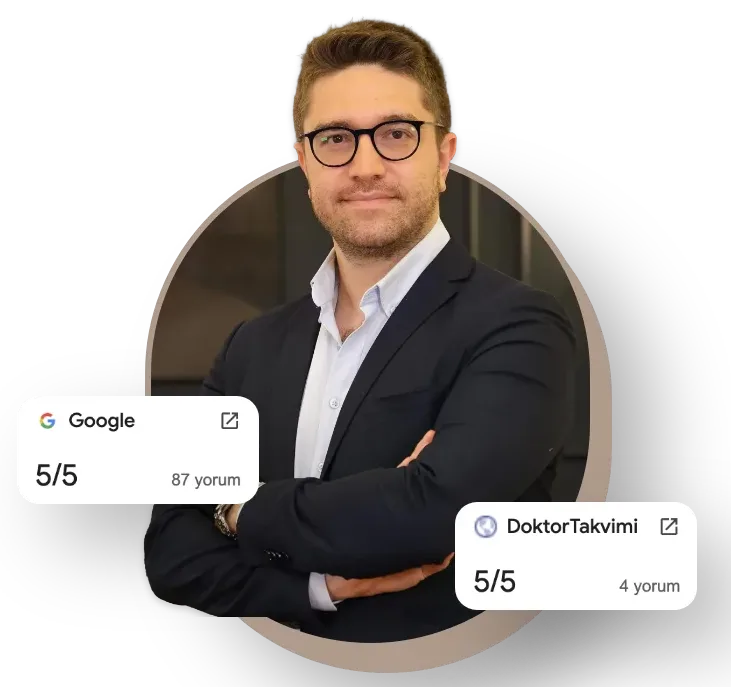
Op. Dr. Erman Ak is an internationally experienced specialist known for facial, breast, and body contouring surgeries in the field of aesthetic surgery. With his natural result–oriented surgical philosophy, modern techniques, and artistic vision, he is among the leading names in aesthetic surgery in Türkiye. A graduate of Hacettepe University Faculty of Medicine, Dr. Ak completed his residency at the Istanbul University Çapa Faculty of Medicine, Department of Plastic, Reconstructive and Aesthetic Surgery.
During his training, he received advanced microsurgery education from Prof. Dr. Fu Chan Wei at the Taiwan Chang Gung Memorial Hospital and was awarded the European Aesthetic Plastic Surgery Qualification by the European Board of Plastic Surgery (EBOPRAS). He also conducted advanced studies on facial and breast aesthetics as an ISAPS fellow at the Villa Bella Clinic (Italy) with Prof. Dr. Giovanni and Chiara Botti.
Op. Dr. Erman Ak approaches aesthetic surgery as a personalized art, tailoring each patient’s treatment according to facial proportions, skin structure, and natural aesthetic harmony. His expertise includes deep-plane face and neck lift, lip lift, buccal fat removal (bichectomy), breast augmentation and lifting, abdominoplasty, liposuction, BBL, and mommy makeover. He currently provides safe, natural, and holistic aesthetic treatments using modern techniques in his private clinic in Istanbul.