Türkçe
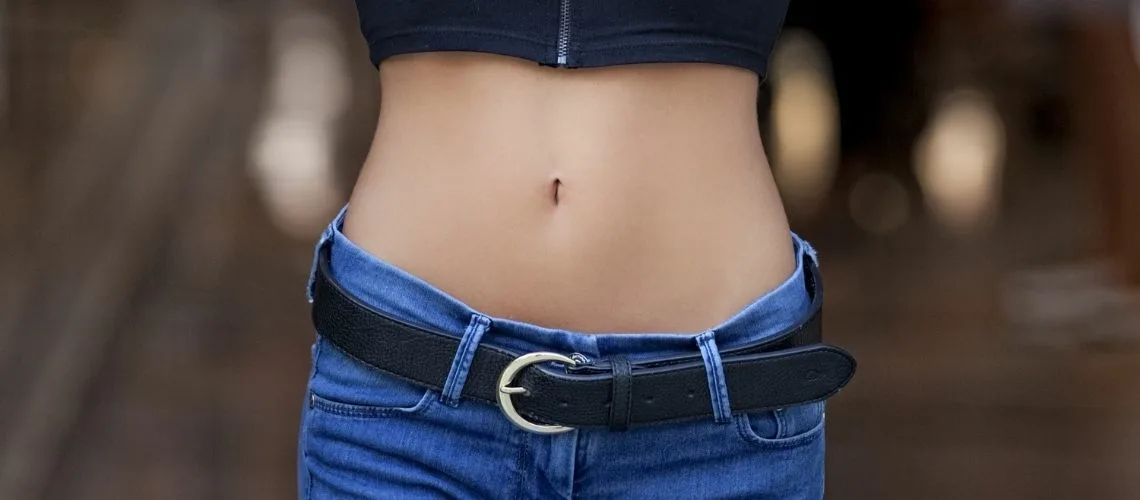
Body contouring surgeries are the general name given to aesthetic surgical procedures performed to improve body contours, remove excess fat and skin tissue, and create a more balanced silhouette. These operations include different surgical techniques such as liposuction, tummy tuck, arm lift, and leg lift.
Body contouring surgeries are generally preferred because of skin sagging following weight loss, localized fat deposits, or genetically determined body contours. The aim is not only to reduce fat but also to eliminate excess skin and make anatomical body proportions more aesthetically harmonious.
Surgical body contour correction procedures include liposuction, abdominoplasty (tummy tuck), brachioplasty (arm lift), thigh lift, and buttock contouring operations. These procedures may be performed individually or combined according to the patient’s needs to create a more comprehensive body contouring plan.
When planning aesthetic body contouring operations, the patient’s general health, skin elasticity, fat distribution, and aesthetic expectations are evaluated in detail. Selecting appropriate surgical techniques is important for achieving natural-looking results and ensuring a healthy postoperative recovery process.
What Are Body Contouring Surgeries and For What Purposes Are They Performed?
The human body is in a constant state of change over the years because of hormonal changes, weight gain or loss, and the effects of gravity. Sometimes the skin may remain excessively stretched compared with the volume beneath it, or fat distribution may accumulate unevenly in certain areas of the body. Body contouring surgeries are a form of bodily architecture that comes into play precisely at this point. They can be compared to a skilled tailor reshaping a loose garment that no longer fits properly according to the contours of the body. Excess skin tissue is removed, fat deposits causing contour irregularities are balanced, and weakened muscle structures are repaired internally when necessary. The aim is not only to change the appearance in the mirror but also to increase mobility, prevent health problems caused by skin folds, and provide the individual with a more comfortable living space.
Does Liposuction Performed as Part of Body Contouring Surgery Cause Weight Loss?
One of the most common misconceptions in society is considering liposuction to be a weight-loss method. However, this procedure is definitely not a tool for losing weight. Liposuction is a contour correction procedure that targets stubborn fat deposits resistant to exercise and diet and that disrupt the body’s overall shape. It is neither possible nor medically safe to achieve general slimming in an overweight individual through liposuction alone. You can think of this procedure as refining the fine details of a sculpture whose basic form has already been created. You may not see a dramatic decrease when you step on the scale after the procedure; however, the reduction in body measurements may lead to noticeable and satisfying decreases in clothing size.
Why Is Vaser Liposuction Technology Important in Body Contouring Surgery?
Today, fat removal procedures are performed using technologies that are much more intelligent and respectful of tissues than conventional vacuum methods. Vaser technology is one of the leading examples. Vaser works by emitting ultrasonic sound waves through thin probes inserted beneath the skin. The most important feature of these sound waves is that they selectively target fat cells. If fat tissue is imagined as a bunch of grapes, older techniques removed the grapes by crushing them and damaging the branches, whereas Vaser technology gently separates the grapes from the branches using sound waves. In this way, the blood vessels, nerves, and connective tissues surrounding the fat cells and supporting the skin remain undamaged. Consequently, postoperative bruising and pain are significantly reduced, while the recovery process is considerably accelerated.
What Are the Characteristics of Fat Removed with Vaser During Body Contouring Surgery?
Some of the significant advantages provided by fat tissues removed with Vaser technology in laboratory and clinical settings include:
- Viability
- Purity
- Integrity
- Engraftment capacity
- Permanence
What Are the Main Differences Between Laser and Vaser Liposuction During Body Contouring?
While Vaser uses sound waves, laser liposuction, as its name suggests, uses light and heat energy at specific wavelengths. Laser energy breaks down and melts fat cells using high temperatures. This significant increase in tissue temperature created by the laser is highly effective for tightening the skin internally in small areas such as beneath the chin or the back of the arms. However, when large amounts of fat must be removed from broad areas such as the abdomen, back, or legs, the localized high heat generated by the laser may cause tissue irregularities. Therefore, Vaser technology, which liquefies fat more evenly, is considered more reliable for large-volume fat removal, while laser systems may be preferred for skin laxity in smaller areas.
How Is a High-Definition (Hi-Def) Muscular Appearance Achieved with Body Contouring Surgery?
Hi-Def, or high-definition body contouring, is an artistic anatomical procedure that goes far beyond conventional fat removal. Some people are unable to eliminate the thin layer of fat covering their muscles because of their genetic structure, even though they exercise many days a week and are at their ideal weight.
During the Hi-Def procedure, the natural contours, depressions, and peaks of the muscles beneath the skin are carefully mapped. Fat covering the muscles is significantly reduced, while a small amount of fat is preserved over the muscular prominences to enhance natural shadows. This creates a six-pack appearance in men, while in women it produces a more curved waistline, prominent back dimples, and elegant vertical lines extending down the center of the abdomen.
Why Are Body Contouring Surgeries After Massive Weight Loss a Necessity Beyond Aesthetics?
People who lose enormous amounts of weight, such as 40–50 kilograms, through bariatric procedures like sleeve gastrectomy or strict diets achieve a major success. However, while the fat mass inside the body disappears rapidly, the skin that has stretched for years to accommodate that fat cannot contract at the same rate and remains hanging like an empty sack. For such patients, removing sagging skin is not an aesthetic indulgence but a necessary health requirement. Persistent rashes, deep fungal infections, and open wounds may develop between dense skin folds that rub against each other and remain poorly ventilated. In addition, the weight of the sagging tissues may make it impossible for the individual to exercise, climb stairs, or even find suitable clothing. The weight-loss journey cannot be considered physiologically complete until these areas of sagging skin have been corrected.
What Is the Ideal Waiting Period Before Body Contouring Surgery After Obesity?
Undergoing surgery immediately after a major weight-loss process is not an appropriate approach. The body must stabilize and adapt to its new condition after months of calorie deficit and intense metabolic change. Before surgical intervention can be planned, the patient’s weight-loss process must have completely stopped. The final weight reached should be maintained without even minor fluctuations for at least six months. If the individual continues losing weight after the skin has been removed and tightened, new sagging may develop. Conversely, if the individual gains weight, the tightened incision lines may separate or wide skin tears may occur. The internal organs and metabolism require time to establish a new balance.
Which Blood Values Should Be Checked Before Body Contouring Surgery After Weight Loss?
Important blood parameters checked before major surgery to assess the patient’s tissue-healing capacity and ensure anesthesia safety include:
- Hemoglobin
- Iron
- Folate
- Vitamin B12
- Albumin
- Sodium
- Potassium
Are All Body Contouring Surgeries Performed at Once or Divided into Sessions?
Attempting to repair a patient with sagging throughout the entire body from head to toe in a single operation is medically highly risky. It would mean more than ten hours of anesthesia, surgical trauma too extensive for the body to tolerate, significant blood loss, and the patient being unable to get out of bed for weeks. Therefore, operations are divided into safe stages. Generally, the abdomen, waist, and buttock region, which form the central part of the body, are corrected first with a 360-degree body lift. When the center of the body is tightened, the direction of sagging in the arms and legs also changes. Months after the torso has healed and the body has recovered, additional surgical sessions planned for the arms, breasts, or inner thighs are performed.
Does a Tummy Tuck Performed as Part of Body Contouring Surgery Only Involve Removing Skin?
Although a tummy tuck (abdominoplasty) may appear from the outside to be a simple procedure in which a piece of skin is removed from the lower abdomen, it is actually a multilayered operation that reconstructs the entire anatomy of the abdominal wall. The skin is elevated upward like a sheet as far as the lower border of the ribs. The belly button is released from the surrounding tissues and preserved. The weakened underlying muscle tissue is reached and repaired as necessary. The elevated skin is then pulled firmly downward, the excess loose portion is removed from the body, and the belly button is naturally sutured into a new opening created in the newly tightened skin.
What Does Abdominal Muscle Repair (Diastasis Recti) Achieve in Body Contouring Surgery?
Muscles extend vertically down the center of the abdomen and hold the internal organs inside like a wall. Particularly during pregnancy, to make room for the growing baby, or during excessive weight gain, these muscles separate in the middle like a zipper opening. Even after postpartum weight loss, these muscles cannot return to their former position on their own. This condition is called diastasis recti. No matter how many sit-ups the person performs, the bulging and swelling of the abdomen do not disappear. During tummy tuck surgery, these separated muscles are brought back together at the midline with special and durable sutures. In this way, a permanent and tightly fitted “internal corset” is created inside the abdomen. This repair not only produces a flat abdomen but also improves posture and significantly reduces chronic lower back pain.
What Types of Incisions Are Used in Tummy Tuck Procedures Within Body Contouring Surgery?
The main types of skin incisions preferred by surgeons according to the patient’s anatomy and the severity of sagging include:
- Horizontal
- Vertical
- Oblique
- Inverted-T
- Circumferential
What Kind of Procedure Is the Brazilian Butt Lift (BBL) Among Body Contouring Surgeries?
BBL (Brazilian Butt Lift) is a highly popular procedure that rebalances body proportions using the body’s own natural tissue. Its basic principle involves removing fat from unwanted areas and transferring it to the hips and buttocks, where additional volume is needed. Using the individual’s own living fat cells instead of placing an external silicone implant or artificial substance into the body produces much more natural results in both appearance and feel. This procedure also provides two benefits at once: while the waist, back, and abdomen are slimmed to create an hourglass shape, the material obtained from these areas gives the buttocks a more lifted, rounded, and prominent projection.
How Is Fat Collected for BBL Processed During Body Contouring Surgery?
Fat removed from the body cannot be injected directly into another area. The extracted fluid contains anesthetic solutions, blood cells, serum, and fragmented dead fat tissue. The collected fluid is washed and purified using special closed-system filters and centrifuge devices. The purpose of this separation process is to obtain only the healthiest, intact, bright yellow living fat cells. The higher the quality and viability of the cells to be injected, the greater their likelihood of developing a blood supply, surviving, and remaining permanent in the new area to which they are transferred.
Which Factors Affect the Permanence of BBL Among Body Contouring Surgeries?
The main factors that allow transferred fat tissue to remain in the body for many years without being absorbed include:
- Cells
- Technique
- Blood supply
- Absence of pressure
- Nutrition
Is BBL Safe Within Body Contouring Surgery and What Precautions Are Taken?
In previous years, BBL was known as a procedure involving serious risks when performed using techniques that did not respect anatomy. This was because fat was injected into deep muscle tissues in an attempt to increase permanence, potentially damaging major blood vessels and allowing fat to enter the bloodstream. Today, however, very strict international safety regulations have been introduced. Fat is no longer injected into the muscle and is placed only in the superficial fat layer immediately beneath the skin. In addition, blunt-tipped cannulas that slide alongside blood vessels without piercing them are used instead of sharp needles. When these anatomical planes and rules are followed precisely, BBL becomes a highly safe and routine surgical procedure.
How Is Arm Sagging Corrected with Body Contouring Surgery (Brachioplasty)?
Sagging that develops beneath the arms because of weight loss or aging, commonly referred to as “bat wings,” is a major source of self-consciousness that may prevent people from wearing short-sleeved clothing during summer. Since the skin beneath the arms is very thin, it is impossible to tighten it through exercise alone. During brachioplasty, this loose skin is removed using an elliptical incision pattern. The most important fact patients should understand about this surgery is that eliminating sagging skin results in a permanent scar on the arm. This scar generally begins in the armpit and extends toward the elbow, concealed within the inner groove where it is least visible when the arm rests against the body. Most patients gladly prefer being able to move freely with a thin scar rather than continuing to hide their arms.
How Are Inner Leg and Thigh Lift Procedures Performed Within Body Contouring Surgery?
The inner thigh is one of the most sensitive areas in body contouring surgery because it is constantly exposed to gravity and friction while walking. Simply pulling the sagging skin upward and suturing it to the groin crease is insufficient, because the weight of the leg eventually pulls the sutures downward and causes deformity. Therefore, advanced techniques create a strong internal support structure by suspending the tissues beneath the skin from firm ligaments and fascia in the pelvic region. When sagging is limited to the upper portion, the scar may be concealed in the groin area beneath underwear. However, when severe looseness extends to the knee, a vertical incision along the inner surface of the leg becomes unavoidable to achieve complete thinning.
Why Is Lymphatic Drainage Massage Essential During Recovery After Body Contouring Surgery?
After surgery, the body sends large amounts of fluid and healing cells to the surgical area to repair incisions and tissue trauma; this is known as edema.
This fluid accumulation causes tension, firmness, and pain in the tissues. The lymphatic system, which serves as the body’s waste collection and drainage network, may temporarily slow down because of surgery. At this stage, manual lymphatic drainage massage performed by specially trained therapists becomes important. This is not a conventional muscle massage; instead, it gently directs fluids immediately beneath the skin toward healthy lymph nodes using rhythmic pumping movements. In this way, swelling decreases rapidly, firmness beneath the skin softens, and smoother healing is achieved.
What Are the Benefits of Medical Compression Garments Used After Body Contouring Surgery?
The benefits provided by special tight compression garments worn immediately after surgery and kept on for several weeks include:
- Compression
- Contouring
- Protection
- Support
- Stabilization
What Is the Timeline for Returning to Normal Life After Body Contouring Surgery?
Postoperative recovery is a gradual process during which the body must be given sufficient time. During the first few days, the body enters a protective phase. Particularly after a tummy tuck, the patient is instructed to walk slightly bent forward to avoid straining the sutures. By the end of the first week, fluid accumulation reaches its highest level and gradually begins to decrease, allowing the individual to manage basic needs comfortably at home. Short walks become more frequent from the second week onward. By the end of four weeks, returning to desk-based work, driving, and resuming social activities becomes considerably easier. From the sixth week onward, swimming in the sea, exercising, and lifting light weights may be permitted with the doctor’s approval. It generally takes between six months and one year for the body to assume its final shape and for all swelling to disappear completely.
What Risk Factors Are Seen in Candidates Unsuitable for Body Contouring Surgery?
Factors that make surgery risky and must be carefully evaluated in the patient’s medical history before an operation is planned include:
- Obesity
- Diabetes
- Hypertension
- Coagulation disorders
- Anemia
What Should Patients Do to Improve the Success of Body Contouring Surgery?
Surgical success is directly related not only to the sutures placed in the operating room but also to the patient’s compliance with home-care instructions. The main responsibilities patients should follow to accelerate recovery include:
- Walking
- Hydration
- Hygiene
- Rest
- Medication
Frequently Asked Questions
What are body contouring surgeries and for which aesthetic purposes are they performed?
Body contouring surgeries include surgical procedures performed to create more balanced body contours, reduce excess fat tissue, and eliminate sagging. Different methods may be preferred according to the individual’s anatomical structure.
Which procedures are most commonly preferred among body contouring surgeries?
Liposuction, tummy tuck, arm lift, thigh lift, buttock contouring, and body lift operations are among the most commonly performed procedures. The treatment plan is determined according to the individual’s needs and aesthetic goals.
Are body contouring surgeries performed for weight loss or to improve body contours?
These surgeries are not performed as weight-loss methods but to improve body contours. More effective results may be achieved in individuals close to their ideal weight when correcting localized fat deposits and sagging skin.
Can excess sagging skin be removed after body contouring surgery?
Yes, excess skin that develops particularly after significant weight loss can be removed with procedures such as tummy tuck, arm lift, or body lift. The aim is to achieve a firmer and more proportionate appearance.
Who may be a suitable candidate for body contouring surgery?
Individuals who are in good general health, have largely achieved stable weight control, and have realistic aesthetic expectations may be suitable candidates. A definitive assessment should be made following an examination by a plastic surgery specialist.
What is the difference between body contouring surgery and liposuction?
Liposuction focuses only on reducing fat deposits, whereas body contouring surgery may also include removing excess skin and reshaping tissues. Therefore, it can provide more comprehensive results.
How long does recovery take after body contouring surgery?
Recovery time may vary according to the extent of the procedure. Swelling and tenderness may occur during the first few weeks. Final results may take several months to appear, and regular medical follow-up is important.
Do body contouring surgeries provide permanent results?
Results may be maintained for a long time, but weight changes, aging, and lifestyle factors can affect body appearance. Healthy eating and regular exercise habits may help preserve the results.
What risks and complications may body contouring surgeries involve?
As with every surgical procedure, risks such as infection, bleeding, wound-healing problems, swelling, and scarring may occur. Choosing an experienced surgeon and following postoperative recommendations are important for reducing risks.
Why is specialist evaluation necessary before body contouring surgery?
Each individual’s body structure, skin elasticity, and expectations are different. Specialist evaluation makes it possible to plan the most appropriate operation, identify possible risks, and create a personalized treatment approach.
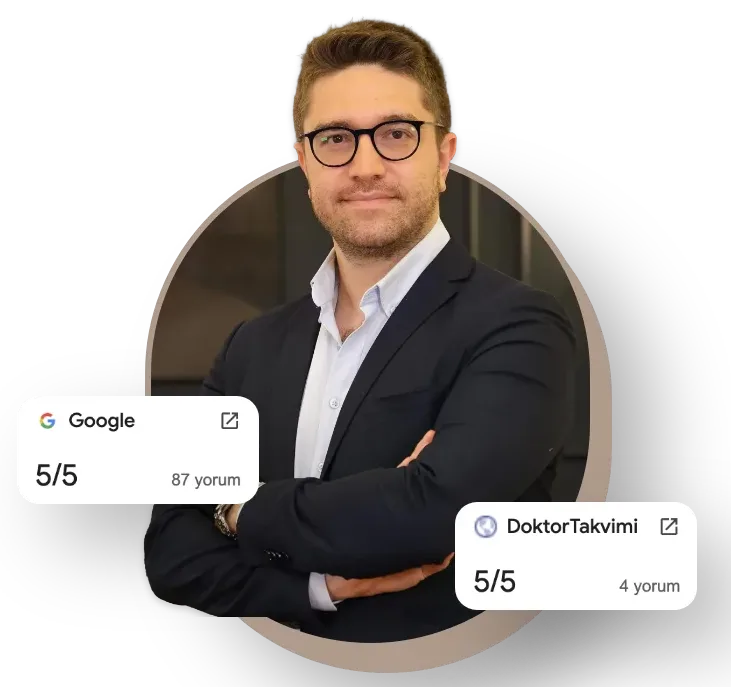
Op. Dr. Erman Ak is an internationally experienced specialist known for facial, breast, and body contouring surgeries in the field of aesthetic surgery. With his natural result–oriented surgical philosophy, modern techniques, and artistic vision, he is among the leading names in aesthetic surgery in Türkiye. A graduate of Hacettepe University Faculty of Medicine, Dr. Ak completed his residency at the Istanbul University Çapa Faculty of Medicine, Department of Plastic, Reconstructive and Aesthetic Surgery.
During his training, he received advanced microsurgery education from Prof. Dr. Fu Chan Wei at the Taiwan Chang Gung Memorial Hospital and was awarded the European Aesthetic Plastic Surgery Qualification by the European Board of Plastic Surgery (EBOPRAS). He also conducted advanced studies on facial and breast aesthetics as an ISAPS fellow at the Villa Bella Clinic (Italy) with Prof. Dr. Giovanni and Chiara Botti.
Op. Dr. Erman Ak approaches aesthetic surgery as a personalized art, tailoring each patient’s treatment according to facial proportions, skin structure, and natural aesthetic harmony. His expertise includes deep-plane face and neck lift, lip lift, buccal fat removal (bichectomy), breast augmentation and lifting, abdominoplasty, liposuction, BBL, and mommy makeover. He currently provides safe, natural, and holistic aesthetic treatments using modern techniques in his private clinic in Istanbul.