Deutsch
 Türkçe
 Nederlands
 Français
 Svenska
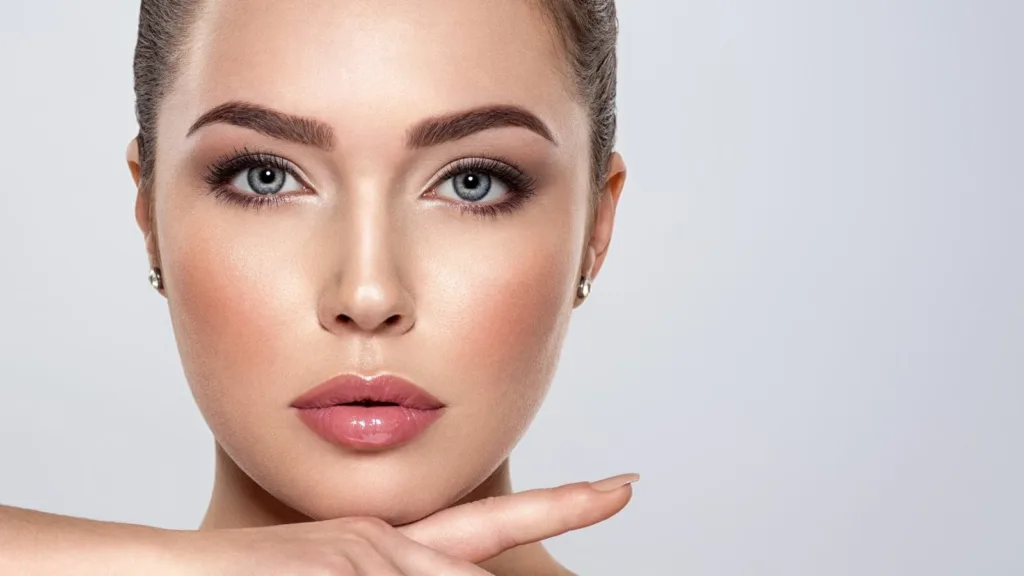
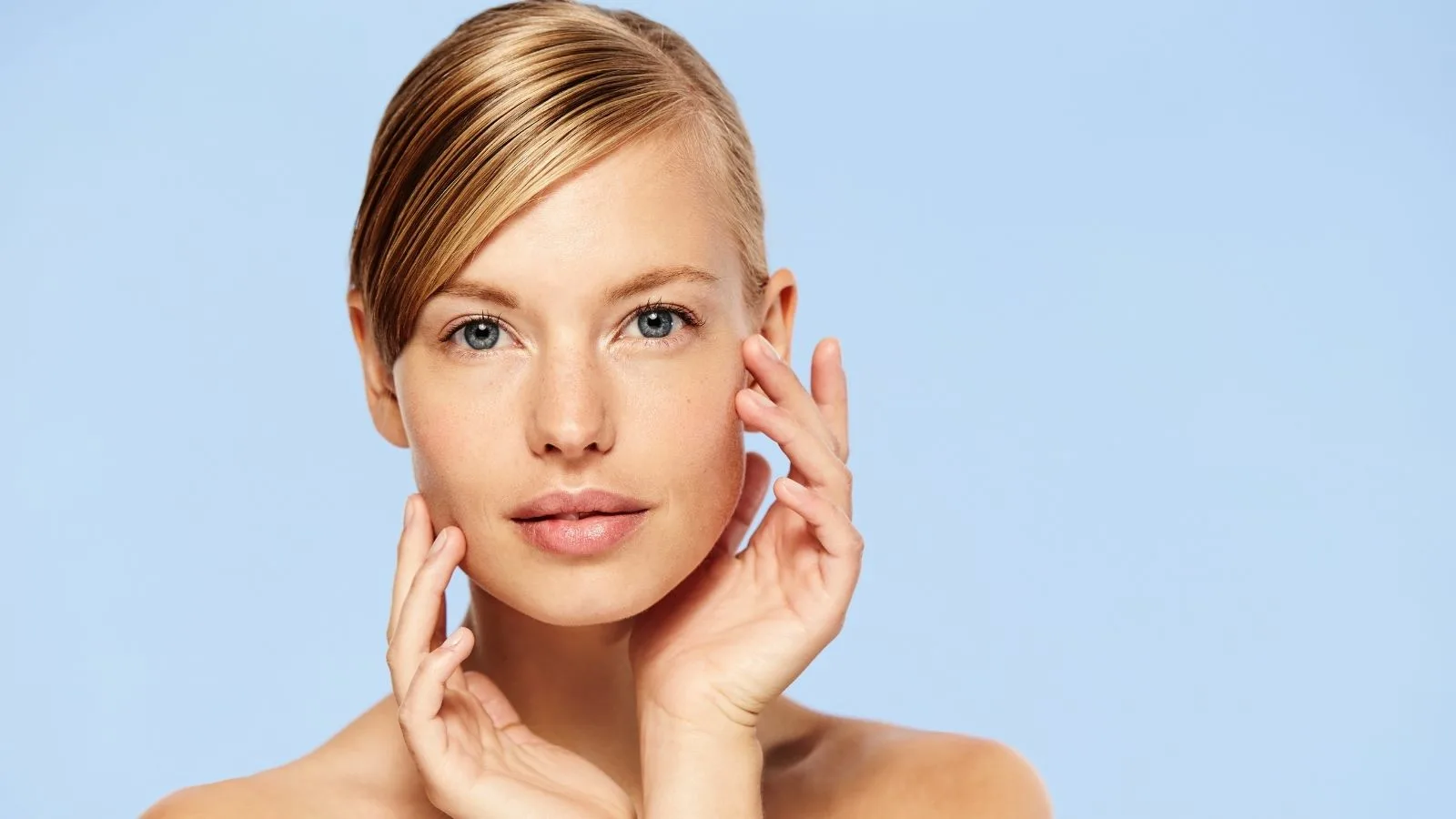
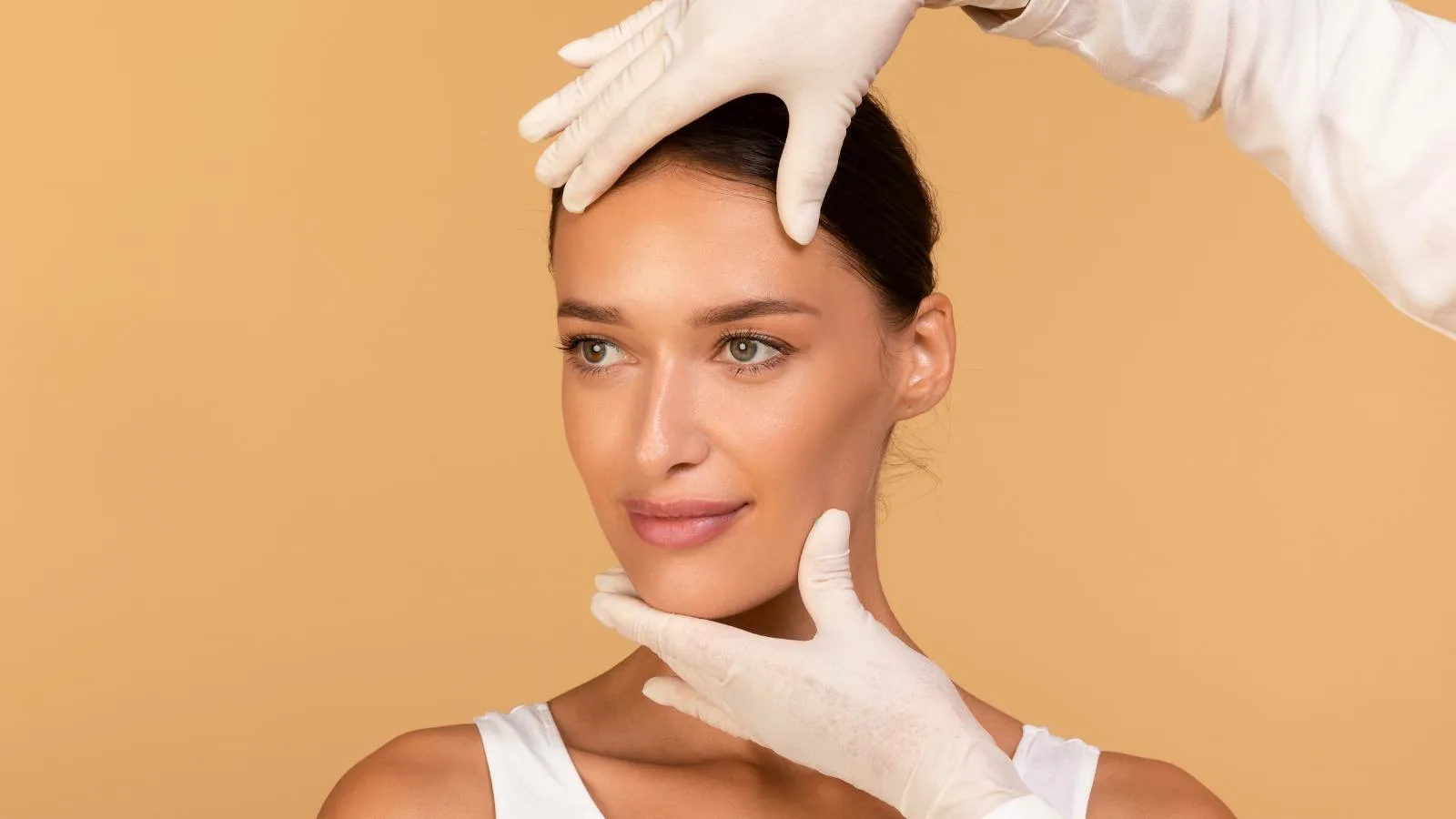
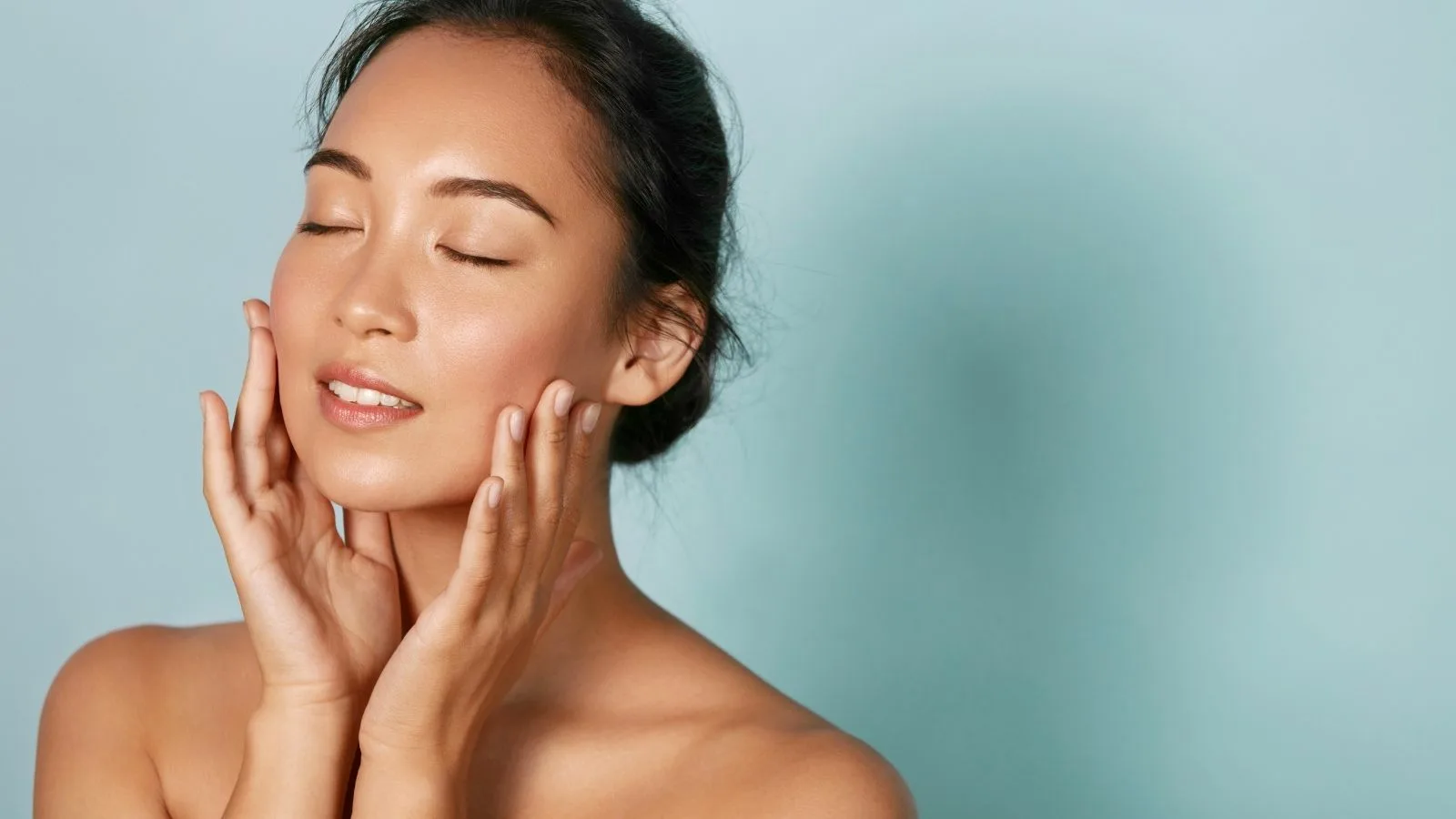
The oval face shape is considered the most aesthetically ideal facial type due to its balanced proportions and soft contours. There is a clear harmony between the forehead, cheeks, and chin; the chin is slightly pointed, and the face is longer than it is wide.
Aesthetic procedures suitable for the oval face shape aim to preserve this existing balance. Cheekbones can be enhanced with fillers, but the natural contours are emphasized without disrupting volume symmetry. If needed, the nose and chin contours are optimized with subtle adjustments.
This face type typically has a smooth and symmetrical hairline; the width of the forehead and chin are similar. Aesthetic planning takes advantage of this proportional advantage to achieve a more youthful and dynamic appearance.
The oval face structure also has advantages in terms of makeup and hairstyle design. Thanks to the natural symmetry of the face, desired emphasis can be easily achieved with various styles and techniques. Minimal changes are usually sufficient in surgical or medical aesthetic interventions.
| Things You Should Know | Information |
| Definition | The oval face shape is a soft-contoured and symmetrical type with balanced proportions between the forehead, cheekbones, and chin. It is generally regarded as the ideal face shape. |
| Characteristic Features | The forehead is slightly wider than the chin, cheekbones are prominent, and the chin is gently rounded. The length of the face is greater than its width. |
| Aesthetic Advantage | Due to its balance and symmetry, most hairstyles, makeup styles, and aesthetic procedures easily adapt to this face type. |
| Aesthetic Procedures | Usually focus on contour definition rather than volume increase. Minimal filler applications or skin rejuvenation procedures are preferred. |
| Need for Surgical Intervention | Surgical aesthetics are usually unnecessary; the facial features are already proportional. Interventions are mainly performed to address sagging caused by aging. |
| Makeup Recommendations | Cheekbones can be emphasized with natural contour and highlighting techniques; the aesthetic appearance is enhanced without disturbing the facial balance. |
| Haircut Compatibility | Many styles including layered, straight, with or without bangs are compatible with an oval face. |
| Common Celebrities (e.g.) | Celebrities such as Charlize Theron, Beyoncé, and Jessica Alba have oval face shapes. |
| Aging Effects | In oval faces, aging usually leads to sagging in the lower face; this can be corrected with face lifting, fillers, or skin tightening procedures. |
Why Is the Oval Face Shape Considered Aesthetically Ideal?
Although beauty standards have changed throughout history, fundamental proportions have remained almost the same. The main reason the oval face shape is so valued is that it is the closest structure to the “Golden Ratio” — that perfect mathematical balance. An oval face means that each part of the face transitions smoothly into the next. There is a gentle hierarchy between the width of the forehead and the chin; cheekbones are prominent but not distracting, and the chin line is defined but not sharp.
This face shape is also an ideal canvas for artists, sculptors, and photographers. Light flows seamlessly across an oval face. Harsh shadows or unwanted hollows don’t appear. Especially in women, this form creates a more elegant, feminine, and youthful expression. The emphasis on youth is very important because as we age, we naturally lose the oval form. Gravity pulls tissues downward, and the face becomes more square or rectangular. Therefore, having or preserving an oval face is subconsciously associated with “youth and vitality.”
In aesthetic planning, this form is always our reference point. When a patient says “I want to look more attractive,” they are anatomically referring to subtle touches that bring their face closer to an oval form. It is not just a matter of shape but the art of achieving overall facial harmony.
The aesthetic advantages of an oval face include:
- Symmetrical appearance
- Smooth transitions
- Ideal light reflection
- Photogenic structure
- Youthful expression
- Proportional balance
- Feminine contours
How Can I Tell If I Have an Oval Face Shape When I Look in the Mirror?
Analyzing your face shape is easier than you think, but it requires proper lighting and an objective perspective. First, tie your hair back completely to expose your face. Stand in front of a mirror with good lighting and look directly at your face. Don’t tilt your head up or down; maintaining a neutral position is very important.
The most defining feature of the oval face is “gentle tapering.” Try to identify the widest part of your face. In oval faces, this point is at the cheekbones. The horizontal line that runs just below your eyes is the widest part of the face. As you move upward toward the forehead, there is a slight tapering. However, the most important identifier is the line from the cheekbones down to the chin.
If your jawline has no sharp corners, if your face gently narrows from the cheekbones to the chin in a curved arc, and if your chin ends in a rounded rather than a pointed tip, then you have an oval face. The ratio of your face’s length to its width also matters. In oval faces, the vertical length is noticeably longer than the horizontal width. The face is neither too long nor too flat.
Key indicators to identify an oval face:
- Prominent cheekbones
- Curved jawline
- Rounded chin tip
- Proportional forehead width
- Corner-free contours
- Dominant vertical length
- Balanced facial proportions
What Are the Differences Between an Oval Face Shape and Other Face Types?
If you’re unsure whether your face is oval, comparing it to other common face shapes is the best method. Knowing the characteristics of other forms helps you spot deviations from the oval. This awareness can help you shape your expectations if you’re considering aesthetic interventions.
The most commonly confused shape is the round face. Like the oval, round faces also lack sharp corners. But the primary difference lies in the length-to-width ratio. In a round face, the width and length are nearly the same. The cheeks are fuller, and the jawline forms a broader arc. The elegant elongation seen in ovals gives way to a fuller appearance in round faces.
Square face shapes are distinguished by the nature of the jawline. While the jaw gently slopes downward in oval faces, in square faces, the jaw corners are prominently angled outward. The forehead, cheekbone, and jaw widths are almost equal, giving the face a boxy and angular look. Although a square face conveys strength and determination, it lacks the softness of an oval.
Heart-shaped faces have a noticeable imbalance. The forehead and cheekbones are wide, but the face tapers quickly and dramatically toward the chin. The chin tip is usually pointed. Unlike the smooth transitions in an oval, heart-shaped faces exhibit a sharp narrowing.
In rectangular or long face types, it’s essentially an elongated version of the oval. The cheeks are flat, the forehead is high, and the chin is long. The width of the face is narrow, and the length exceeds the ideal oval ratio.
Distinct features of other face types include:
- Equal width and length
- Full cheeks
- Angular jaw structure
- Wide forehead
- Pointed chin
- Rapid tapering
- Straight cheek lines
- Extended vertical dimension
How Does the Aging Process Affect the Oval Face Shape?
It is completely natural for someone who had a perfectly oval face in youth to say later, “My face has changed shape over the years.” Aging is not just about wrinkles; it’s the collapse of the architectural structure of the face — its supporting columns. This process is the biggest threat to the oval form.
Over time, bone tissue, especially in the cheekbones and jawline, begins to erode. As bone support decreases, the overlying soft tissues lose their anchor. Combined with the ruthless effects of gravity, the fat pads in the face migrate downward. The fullness that once rested on the cheekbones and made the face look “lifted” slowly descends to the corners of the mouth and jawline.
We call this the “Inversion of the Youth Triangle.” In a youthful face, the base of the triangle is at the top (cheekbones) and the tip is at the bottom (chin). With aging, this triangle flips; the base moves downward (widened jawline and jowls), and the tip moves upward (hollowing temples and cheeks). As a result, the ideal oval form is lost, the lower face becomes heavier, and the shape becomes more square. The definition of the jawline disappears, and the neck and face seem to merge.
The effects of aging on the oval form include:
- Volume loss
- Tissue sagging
- Bone resorption
- Flattened cheekbones
- Formation of jowls
- Distorted jawline
- Square facial appearance
- Deep facial folds
Can an Oval Face Shape Be Achieved Without Surgery?
Thanks to today’s technology, it’s possible to shape or restore an oval face without going under the knife or enduring long recovery periods. These minimally invasive procedures offer quick, clinic-based solutions with no social downtime. The strongest strategy in this area is the “Style Aesthetics” approach — enhancing a person’s existing anatomy with subtle touches toward the ideal form.
The most common method is filler application. Using hyaluronic acid-based fillers, we can almost reshape the skeletal structure of the face. For example, in someone with a round face, adding filler to the cheekbones and chin can elongate the face vertically and make it appear slimmer and more oval. Using the “Liquid Lift” technique, volume placed in the temples and cheeks lifts sagging skin and corrects accumulation in the lower face.
Another effective method is Masseter Botox. People with square or round faces often have overly developed masseter muscles at the jaw corners. This widens the lower face. Botox applied to this muscle gradually reduces its volume and creates a “Jawline Slimming” effect, narrowing the lower half of the face. This transforms a square shape into a softer oval contour.
For individuals whose oval contours have been disrupted by sagging, Thread Lift techniques are used. Special threads placed under the skin lift tissues in the opposite direction of sagging. This procedure instantly corrects undulations in the jawline and the jowls.
Non-surgical methods for achieving an oval face include:
- Cheekbone filler
- Chin tip filler
- Jawline filler
- Masseter Botox
- Thread lifting
- Liquid facelift
- Enzymatic lipolysis
How Can an Oval Face Shape Be Achieved With Fat Grafting?
For patients who do not want synthetic substances injected into their body (e.g., fillers) or who have experienced general volume loss in the face, the most biological and permanent solution is using their own fat tissue. This procedure, called lipofilling, is essentially a “tissue transfer” and “recycling” method.
In this procedure, a small amount of fat is harvested via liposuction from the abdomen, waist, or hips. This fat is processed and purified, becoming a sort of “stem cell cocktail.” This valuable tissue is injected into strategic points of the face to achieve an oval shape. The face’s geometry is restructured by filling the temples, highlighting the cheekbones, and elongating the chin.
The biggest advantage of fat grafting is its permanence. While synthetic fillers dissolve over time, a large portion of the transferred fat tissue (the surviving cells) remains for life. Additionally, the rich stem cells within the fat improve skin quality, add radiance, and rejuvenate the face. Especially in very thin faces or in individuals with severe subcutaneous volume loss due to aging, fat grafting offers a unique foundation to rebuild the oval form.
Fat grafting is commonly used in the following areas:
- Temple region
- Central forehead
- Cheekbones
- Hollow cheeks
- Chin tip
- Jawline
- Nasolabial folds
- Under-eye area
What Surgical Options Are Available to Achieve an Oval Face Shape?
In some cases, facial asymmetry or disproportion is too severe to be corrected with fillers or threads alone. When the bone structure is significantly far from the oval form, surgical methods provide definite and permanent results. Surgery enables dramatic transformations by directly modifying the facial skeleton.
One of the most common procedures we perform is Mentoplasty, or chin augmentation. If the chin is recessed (giving a “bird face” look), the lower face appears weak, disrupting the oval balance. In this case, placing an implant or advancing the chin bone elongates the facial profile and restores the ideal oval form. Conversely, if the chin is too long or wide, bone shaving can create a more delicate appearance.
Here, the concept of Profiloplasty becomes important. Profiloplasty evaluates the nose and chin as a single unit. In a patient seeking an oval face, nose surgery alone may not be enough. If the chin is weak, even the most beautiful nose can appear too large. The surgeon approaches the face like a three-dimensional sculpture, harmonizing the nose, chin, and forehead to enhance the oval impression.
In individuals with structurally very full cheeks, Buccal Fat Removal (Bichectomy) is used to remove the fat pads inside the cheeks, creating a hollow under the cheekbones. This makes the face look slimmer and more contoured, contributing to ovality.
Surgical options include:
- Chin implant
- Bone advancement
- Bone shaving
- Buccal fat removal
- Facelift
- Neck lift
- Profiloplasty
- Rhinoplasty
Are the Criteria for an Oval Face Shape Different for Men and Women?
When we say “an oval face is ideal,” it’s important to consider the aesthetic differences between genders. Because what is ideal for a woman might produce undesirable results when applied to a man. Male and female anatomy have different codes of attractiveness.
The ideal oval face in women is soft, curved, and delicate. The chin tip tapers slightly, the jaw corners (below the ears) are not prominent, and the cheekbones are full. These features create a feminine and graceful appearance.
In men, however, things are different. While a generally oval frame is also desired in male aesthetics, masculine features must be preserved in the details. The male jawline and jaw corners are preferred to be more prominent, sharper, and wider. The chin tip should be flatter and broader rather than pointed, as in women. The idea of a “strong chin” is central to male attractiveness.
Therefore, when performing facial contouring on a male patient, applying the same soft-contour ovalization strategy used for women would overly soften and feminize his appearance. The goal in men is to create a “sharper oval” or a “rectangular-like oval.”
Gender-based differences include:
- Chin width
- Jawline sharpness
- Corner prominence
- Cheek fullness
- Transition softness
- Masculine features
- Feminine curves
Why Are the Treatment Process and Personalized Planning Important?
The desire to achieve an oval face cannot be met with a standard formula. Every face is as unique as a fingerprint. Your bone structure, muscle strength, skin quality, age, and expectations completely change the treatment plan. That’s why the process begins with a detailed clinical analysis.
As physicians, we create a biometric map of your face. We measure the ratio between the width and length of your face, the distance between your eyes, and the position of your chin relative to your nose. The approach of “do the same procedure you did for my friend” is not valid in aesthetic surgery. A procedure that created an oval face for your friend might make your own face look longer or wider.
Achieving a successful result usually requires combined treatments. It may be difficult to transform the whole face with just one filler. For example, while slimming the lower face with masseter Botox, it may also be necessary to add a small filler touch to the chin tip and perhaps support it with thread lifting. It’s like conducting an orchestra — making all facial components (muscles, bones, fat, skin) harmonize simultaneously.
Above all, safety is the top priority. The face is one of the most complex regions in the body in terms of vascular and nerve networks. Even a seemingly simple filler procedure can lead to serious complications in the hands of someone unfamiliar with the anatomy. Therefore, it is vital that the person you entrust your face to is an experienced Plastic, Reconstructive, and Aesthetic Surgery Specialist.
The stages of treatment planning include:
- Biometric measurement
- Anatomical analysis
- Expectation evaluation
- Method selection
- Combination planning
- Risk analysis
- Simulation
- Scheduling
Frequently Asked Questions
What aesthetic advantages does the oval face shape offer?
The oval face is considered the most ideal shape aesthetically due to its symmetrical structure and balanced proportions. As a result, most hairstyles, makeup styles, and aesthetic procedures naturally suit this form.
What are the most suitable aesthetic procedures for an oval face shape?
Oval faces usually don’t require major corrections. However, enhancing the cheekbones, adding volume to the lips, or performing skin rejuvenation can strengthen the aesthetic integrity.
How does the oval face shape change with age?
While the face may retain its oval structure, reduced skin elasticity over time can lead to cheek sagging and jawline loosening, which may distort facial contours.
What advantages does an oval face shape provide in haircut selection?
Oval faces are compatible with nearly all hairstyles. Layered, straight, with or without bangs — all styles aesthetically complement the face’s natural balance, offering great freedom of style.
What is the ideal eyebrow design for an oval face shape?
Natural, softly arched brows support the balanced contours of the oval face. Overly sharp or flat brows can disrupt this harmony.
How are filler applications planned for individuals with an oval face shape?
Filler treatments are usually designed to preserve proportions. Light touches to the cheekbones, nasolabial folds, and lip area can provide a youthful and natural appearance.
How can makeup further emphasize an oval face shape?
Instead of contouring, highlighting techniques help the face catch natural light. Emphasizing the cheekbones and forehead area further enhances the elegance of facial contours.
Is chin augmentation necessary for oval face shapes?
If the chin tip is not well-defined or the lower face profile is weak, small touches can restore balance. However, in general, chin proportions in oval faces are harmonious, and intervention is rarely needed.
How should rhinoplasty be planned for oval face shapes?
As the nose is central to the face, a symmetrical look is crucial. In oval faces, smaller and proportionate noses are generally preferred; overly dramatic changes are avoided.
What preventive measures can help preserve an oval face shape?
To maintain skin elasticity, it is important to use sunscreen, follow a regular skincare routine, and avoid smoking. Additionally, mild medical aesthetic procedures can help preserve the face’s natural form over time.
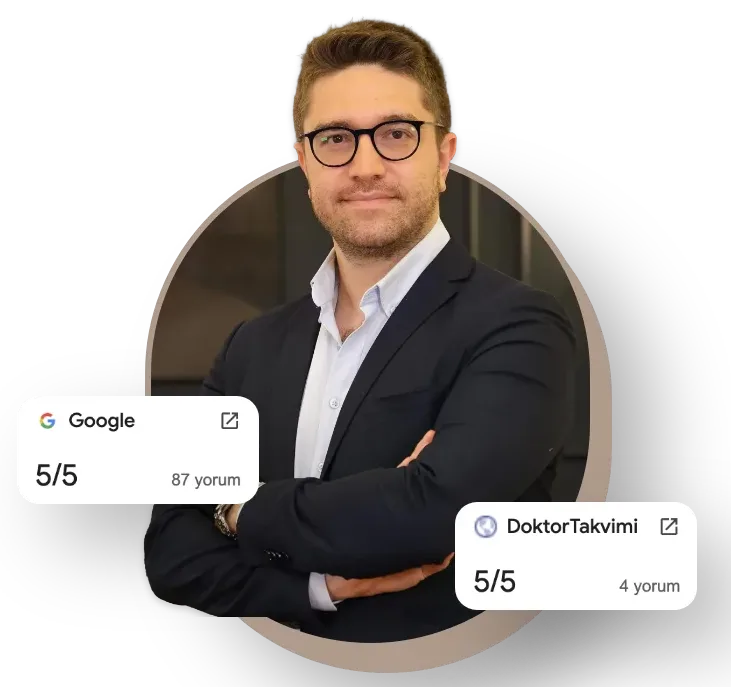
Op. Dr. Erman Ak is an internationally experienced specialist known for facial, breast, and body contouring surgeries in the field of aesthetic surgery. With his natural result–oriented surgical philosophy, modern techniques, and artistic vision, he is among the leading names in aesthetic surgery in Türkiye. A graduate of Hacettepe University Faculty of Medicine, Dr. Ak completed his residency at the Istanbul University Çapa Faculty of Medicine, Department of Plastic, Reconstructive and Aesthetic Surgery.
During his training, he received advanced microsurgery education from Prof. Dr. Fu Chan Wei at the Taiwan Chang Gung Memorial Hospital and was awarded the European Aesthetic Plastic Surgery Qualification by the European Board of Plastic Surgery (EBOPRAS). He also conducted advanced studies on facial and breast aesthetics as an ISAPS fellow at the Villa Bella Clinic (Italy) with Prof. Dr. Giovanni and Chiara Botti.
Op. Dr. Erman Ak approaches aesthetic surgery as a personalized art, tailoring each patient’s treatment according to facial proportions, skin structure, and natural aesthetic harmony. His expertise includes deep-plane face and neck lift, lip lift, buccal fat removal (bichectomy), breast augmentation and lifting, abdominoplasty, liposuction, BBL, and mommy makeover. He currently provides safe, natural, and holistic aesthetic treatments using modern techniques in his private clinic in Istanbul.