Türkçe
Arm sagging (brachial ptosis) is the condition in which the skin and fat tissue in the upper arm area lose their elasticity over time and sag downward under the effect of gravity. The treatment of this anatomical problem is shaped according to the degree of sagging, the existing skin quality, and the fat ratio in the area. In mild looseness, treatment is provided with non-surgical energy-based technologies such as VASER liposuction and J-Plasma, which provide rapid tightening under the skin. In advanced, extensive cases where the skin no longer has the capacity to tighten, arm lift (brachioplasty) surgery is performed, in which excess skin and fat tissue are surgically removed from the body. With these methods, the arms regain a firm, aesthetic, and body-proportionate form.
What Is Arm Sagging?
Our body is an extremely dynamic structure that reacts to the physical conditions, gravity, and internal changes it is exposed to over the years. Sagging that occurs with the weakening of the subcutaneous support tissue in the area extending from the shoulder to the elbow is an important factor that causes a person to feel older or more tired than they actually are. This loss of form seen when looking in the mirror restricts individuals’ freedom when shopping for clothes. Many people feel forced to wear long and loose-sleeved blouses even on the hottest summer days just to hide this swinging sensation. The uncontrolled movement that occurs in the lower part of the arms while exercising, waving, or reaching somewhere causes the person to constantly limit themselves in social environments and not be at peace with their body. The main purpose of aesthetic interventions is not only to remove the excess tissue in that area, but also to enable the person to move their arms freely without feeling the need to hide.
Why Does Arm Sagging Occur and What Are Its Main Causes?
What allows the skin on our arms to look tight and firm is the supportive connective tissue that works just like the springs inside a solid mattress. Under normal conditions, the skin has an amazing capacity to stretch and return to its former tight form. However, over time, with the involvement of various environmental and biological factors, these mechanical properties are gradually lost. When the supportive network under the skin weakens, no resistance remains to withstand the relentless downward pulling force of gravity. As a result, the skin separates from the underlying muscle fascia and loosens downward.
The main factors that trigger arm sagging are as follows:
- Natural aging
- Rapid weight loss
- Sedentary lifestyle
- Genetic predisposition
What Role Does the Aging Process Play in the Formation of Arm Sagging?
As the years pass, the human body gradually begins to lose the high renewal speed it had in youth. The most basic building blocks that give our skin its elasticity, firmness, and smooth texture are collagen and elastin proteins. Especially toward the late thirties, the working pace of the cells located in the middle skin layer that produce these proteins decreases significantly. While new collagen production slows down, existing collagen fibers also begin to wear out and break under the influence of environmental factors. Over time, the skin resembles a loosened elastic band that has lost its flexibility. While gravity pulls our arms downward every second, reduced collagen support cannot resist this pull. With advancing age, the skin becomes thinner, dries out, and loses that youthful form tightly covering the muscles, leaving its place to a loose, wavy, and downward-inclined structure.
Why Does Rapid Weight Loss Accelerate the Development of Arm Sagging?
In recent years, the widespread use of obesity surgery methods such as sleeve gastrectomy or gastric bypass has brought along massive, life-saving weight losses. However, the reflection of this tremendous bodily transformation on the arms is not always aesthetic. During weight gain, as the fat cells under the skin grow, the skin continuously stretches and expands to accommodate this increasing volume. It is possible to compare this situation to a balloon that has been inflated with too much air and left that way for a long time. When a rapid and large amount of weight is lost, the fat tissue inside suddenly melts away and disappears. However, the capacity of the skin, which has been exposed to excessive tension for many years, to return to its former tight form, that is, to shrink, has been completely exhausted. This expanded skin that has lost its filling material turns into extremely dramatic and extensive sagging, referred to as “bat wings,” under the effect of gravity.
The common physical characteristics of these patients are as follows:
- Thinned skin
- Deep stretch marks
- Deflated fat tissue
- Excessive skin laxity
How Effective Is Our Genetic Structure on Arm Sagging?
It is a great misconception to think that sagging problems are only seen in older individuals or people who have lost a lot of weight. Sometimes it is seen that even individuals who are still in their early twenties, exercise regularly, and are quite thin complain about their arms. The main actor behind this is the person’s inherited family legacy, in other words, their genetic codes. The body structure of some people is much more prone to storing fat especially in the back and inner parts of the arms. This stubborn regional fat accumulation causes the arms to appear thicker, heavier, and sagging downward compared to the general body proportion, even if the person does not have significant skin laxity. At the same time, the structural quality of the connective tissue, the thinness of the skin, and how resistant the elastin fibers are are completely determined by genetic factors.
How Is the Correct Treatment Method for Arm Sagging Determined?
The anatomy of every body, the quality of the skin, and the character of sagging are as unique as a fingerprint. Therefore, it is impossible to plan treatment based on hearsay information or a single standard template. To achieve an effective and natural-looking result, the person’s condition must be evaluated in light of objective criteria. During a classic examination, the patient is asked to open their arms sideways at ninety degrees, parallel to the floor. This posture position is the gold standard that most clearly reveals the effect of gravity on the tissues, where the sagging starts and how far it extends, and the amount of fat within the skin. Skin quality is tested; elasticity capacity is measured by checking how quickly the skin returns to its previous state when it is gently pulled and released.
The main criteria considered during the examination are as follows:
- Skin elasticity
- Amount of fat
- Degree of sagging
- Density of stretch marks
How Is VASER Liposuction Applied in the Treatment of Arm Sagging?
Technology comes to the rescue in cases where the skin has not yet lost its elasticity and the main cause of sagging is not excess skin but the heavy fat tissue inside. The VASER (Vibration Amplification of Sound Energy at Resonance) system, designed to avoid classical incisions and long surgical scars, is one of today’s most effective body contouring tools. In this method, special ultrasonic sound waves that are sensitive only to the frequency of fat cells are used. These waves liquefy the stubborn and hardened fat tissues under the skin as if melting butter. The most revolutionary aspect of VASER technology is that it absolutely does not damage the surrounding capillaries, nerve networks, and connective tissues that support the skin while breaking down fat. Thanks to this gentle and tissue-preserving approach, bruising after the procedure is very minimal, the recovery process is accelerated, and a mild, natural tightening is observed in the skin thanks to the pleasant heat effect created by ultrasound energy.
How Does J-Plasma Technology Tighten the Skin in the Treatment of Arm Sagging?
J-Plasma (Renuvion), one of the leading technologies that has revolutionized the world of aesthetics, is a great alternative for people who have mild or moderate skin laxity in their arms rather than fat, but absolutely do not want a surgical scar. This system works with cold plasma energy born from the perfect combination of radiofrequency energy and helium, one of the noble gases. The logic of the procedure is extremely clever. The subcutaneous area is entered with very thin, millimetric cannulas, and a temperature of eighty-five degrees is instantly delivered to the targeted loosened tissues. This heat contracts the collagen bands under the skin within seconds. However, at that exact moment, helium gas comes into play and instantly cools the tissue. This sudden heating and cooling cycle creates an incredibly powerful vacuuming, that is, a “shrink-wrap” effect in the lower layer of the skin without causing any burn on the skin surface. It is generally used together with VASER to remove the heaviness in the arm, and as a result, the emptied skin is instantly tightened, helping the arms get into shape.
Who Is Mini Lift Surgery Suitable for in Mild Arm Sagging?
In cases where the tightening power of technological devices is insufficient, the most definitive and permanent solution is the surgical removal of excess tissue from the body. In cases where the sagging problem is concentrated only in the upper area close to the armpit and does not descend to the elbow, “Mini Arm Lift,” or armpit lift as it is known among the public, is preferred. The most appealing aspect of this procedure is that the incision line is completely hidden in the natural hollow and folds of the armpit. Mild skin laxity in the arm is pulled upward toward the armpit, and the remaining small piece of skin is removed. Unless the patient lifts their arms completely into the air, it is almost impossible to see any surgical scar from the outside, even when wearing sleeveless clothes in the summer months. It is a very frequently used technique with its fast recovery process and high aesthetic satisfaction.
How Is Standard Lift Surgery Performed for Advanced Arm Sagging?
In wide and severe sagging where the skin no longer has any possibility of tightening, extending from the armpit to the elbow joint, it is mandatory to apply classic “Standard Brachioplasty” to achieve an excellent form. This procedure is completely an anatomical art of tailoring. During the planning stage, the incision line is strategically drawn in the natural groove on the inner surface of the arm or on the posterior-inner line so that it will definitely not be noticeable when the patient’s arms are close to the body or when viewed from the front. The operation usually begins with gently thinning the excess fat in the arm with liposuction; this step is very important to protect the vessels and nerves. Then, that emptied, flaccid skin full of stretch marks is removed in the form of an elliptical pattern. Closure is performed in multiple layers. Deep fascial sutures are placed to carry the load so that the wound site does not open in the future and the scar does not widen, while the skin surface is elegantly joined with aesthetic, hidden sutures that are not visible from the outside.
How Is Extensive Arm Sagging Treated After Massive Weight Loss?
In patients who lose incredible amounts of weight such as forty, fifty, or even sixty kilograms, the deformation the body undergoes is unfortunately not limited to the arms. The tissues under the armpit completely lose their support, and the sagging turns into a wide accumulation of skin extending from the arm to the side wall of the chest and even to the sides of the breast. In this highly specific picture, a much more comprehensive approach called “Extended Brachioplasty” is adopted. In addition to the classic arm incision, the surgical line is extended beyond the armpit fold toward the side wall of the chest in an “L” or arc shape. Thus, the body is addressed as a whole; not only do the arms achieve a very slim form, but those uncomfortable skin folds overflowing from the bra edges are also cleaned in a single session, achieving complete harmony in the upper body.
What Should Be Stopped Before Arm Sagging Surgery?
A perfect surgical result is directly related not only to the surgeon’s manual skill but also to how well the patient prepares for the preoperative period. The biological foundation must be flawless for the body to repair itself smoothly. The biggest enemy is undoubtedly smoking. Nicotine in cigarette smoke constricts the tiny capillaries that nourish the tissues, shutting off the oxygen flow to the wound site almost like a tap. Since arm lift surgeries have long incision lines, tissue nutrition is of vital importance; otherwise, wound openings or tissue losses may occur. In addition, some seemingly harmless habits that may increase the risk of bleeding must also be stopped long before surgery.
The things that should be stopped at least three weeks before surgery are as follows:
- Smoking
- Alcohol
- Blood thinners
- Green tea
- Vitamin E supplements
What Is Expected in the Early Recovery Period After Arm Sagging Surgery?
After the successfully completed operation, patients are hosted in the hospital for one night both to monitor their general health status and to ensure their comfort. Immediately after the surgery, special compression garments are worn to preserve the new form of the arms, prevent fluid accumulation between tissues, and provide a firm wrapping sensation to that area from the outside. Thin silicone tubes called “drains,” placed to remove minimal body fluids that may accumulate inside, are usually removed completely painlessly within the first twenty-four to forty-eight hours. In this early period, patients keeping their arms slightly above heart level with a few pillows while lying in bed or sitting allows swelling and edema in the arm to decrease incredibly quickly with the help of gravity. The tightness and mild aching felt in the first days are very easily kept under control with the prescribed simple painkillers.
The basic materials patients will need during the early recovery period are as follows:
- Medical compression garment
- Silicone drains
- Supportive pillows
- Loose clothing
What Should Be Avoided During the Recovery Process of Arm Sagging?
The recovery process is a dynamic journey that requires patience and care. The first warm shower taken after the drains are removed and approval is given is a psychological point of relief for patients. Within the first week, returning to indoor walking and basic personal care activities such as pouring one’s own tea or combing one’s hair is allowed. However, during these critical weeks when the tissues are in the stage of adhering to each other, it is essential to avoid all kinds of aggressive movements that will place a load on the suture lines, strain the tissues, and disrupt wound healing. By the second week, bruises fade and return to desk jobs begins. By the sixth week, recovery is largely completed; patients can swim, do fitness, and continue their lives without any restrictions.
Movements that must definitely be avoided in the first weeks after surgery are as follows:
- Lifting heavy objects
- Reaching upward
- Pushing movements
- Pulling movements
- Sudden reflexes
What Are the Possible Risks of Arm Sagging Surgery?
By the nature of medicine, no matter how meticulously work is done, every surgical intervention has some possibilities and risks specific to itself. However, modern surgical techniques have reduced these risks to manageable and predictable levels. Fluid accumulation or mild blood collections in the surgical area are rare thanks to the regular use of the compression garment and drains; even if they occur, they are resolved very simply by draining them under outpatient clinic conditions. Sensory losses are prevented thanks to the careful preservation of the sensory nerves passing through the inner part of the arms during surgery. Mild tingling that develops due to edema in the first weeks resolves spontaneously and completely as the tissue swelling decreases.
Possible conditions that may be encountered in the early postoperative period are as follows:
- Seroma
- Hematoma
- Temporary numbness
- Delayed wound healing
Does a Scar Remain After Arm Sagging Surgery and How Is It Managed?
The issue individuals think about most when deciding on this surgery is undoubtedly surgical scars. There is one thing that is certain; in every procedure where the skin is cut and removed, a scar remains on the skin. However, the aim of aesthetic surgery is to hide these scars in the least visible fold areas of the arms that remain in natural shadow. Wound healing is an art that takes time. During the first few months, these thin lines may have a pink, red, and slightly noticeable structure. As time passes, especially from the sixth month onward toward the first year, the tissue matures and the scars fade, becoming a very thin line very close to the skin color. Today, we have very powerful tools to accelerate this process and raise scar quality to an excellent level.
Supportive methods used during the maturation process of scars are as follows:
- Silicone gels
- Pressure tapes
- Fractional laser
- Steroid injections
- Sunscreens
Are the Results of Arm Sagging Treatment Permanent?
Since arm lift operations physically remove the excess skin and fat cells from the body completely, the slim, tight, and fit appearance obtained is technically permanent. Months after the surgery, when the body settles into its form, the arms reach that desired aesthetic line. However, it should not be forgotten that gravity and biological aging cannot be stopped. Preserving this wonderful result for a lifetime is entirely connected to lifestyle. Gaining and losing weight frequently can cause the skin to become tired again; therefore, maintaining the ideal weight is the golden rule. Since the surgery only intervenes in the skin and fat, no loss of muscle strength occurs.
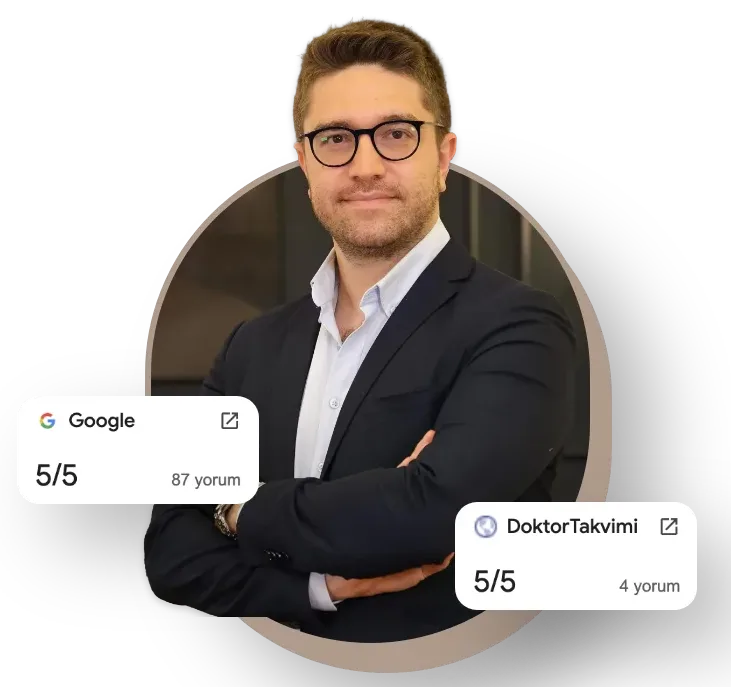
Op. Dr. Erman Ak is an internationally experienced specialist known for facial, breast, and body contouring surgeries in the field of aesthetic surgery. With his natural result–oriented surgical philosophy, modern techniques, and artistic vision, he is among the leading names in aesthetic surgery in Türkiye. A graduate of Hacettepe University Faculty of Medicine, Dr. Ak completed his residency at the Istanbul University Çapa Faculty of Medicine, Department of Plastic, Reconstructive and Aesthetic Surgery.
During his training, he received advanced microsurgery education from Prof. Dr. Fu Chan Wei at the Taiwan Chang Gung Memorial Hospital and was awarded the European Aesthetic Plastic Surgery Qualification by the European Board of Plastic Surgery (EBOPRAS). He also conducted advanced studies on facial and breast aesthetics as an ISAPS fellow at the Villa Bella Clinic (Italy) with Prof. Dr. Giovanni and Chiara Botti.
Op. Dr. Erman Ak approaches aesthetic surgery as a personalized art, tailoring each patient’s treatment according to facial proportions, skin structure, and natural aesthetic harmony. His expertise includes deep-plane face and neck lift, lip lift, buccal fat removal (bichectomy), breast augmentation and lifting, abdominoplasty, liposuction, BBL, and mommy makeover. He currently provides safe, natural, and holistic aesthetic treatments using modern techniques in his private clinic in Istanbul.