Deutsch
 Türkçe
 Nederlands
 Français
 Svenska

The hourglass body type is a balanced body structure in which shoulder and hip widths are close to each other and the waist circumference appears distinctly narrow. Fat and muscle distribution is proportional between the upper and lower body; body contours are symmetrical, the waist curve is well-defined, and proportions are harmonious.
Hourglass body type characteristics are defined by rounded shoulder lines, full hip structure, and a slim waist circumference. Weight gain generally distributes evenly throughout the body, there is no significant volume difference between upper and lower extremities, and the body form tends to be preserved.
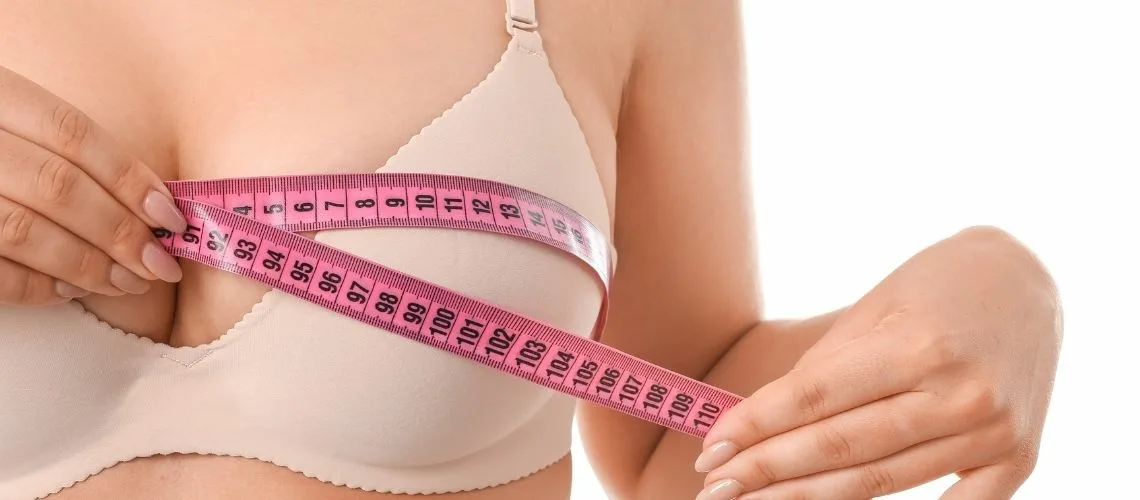
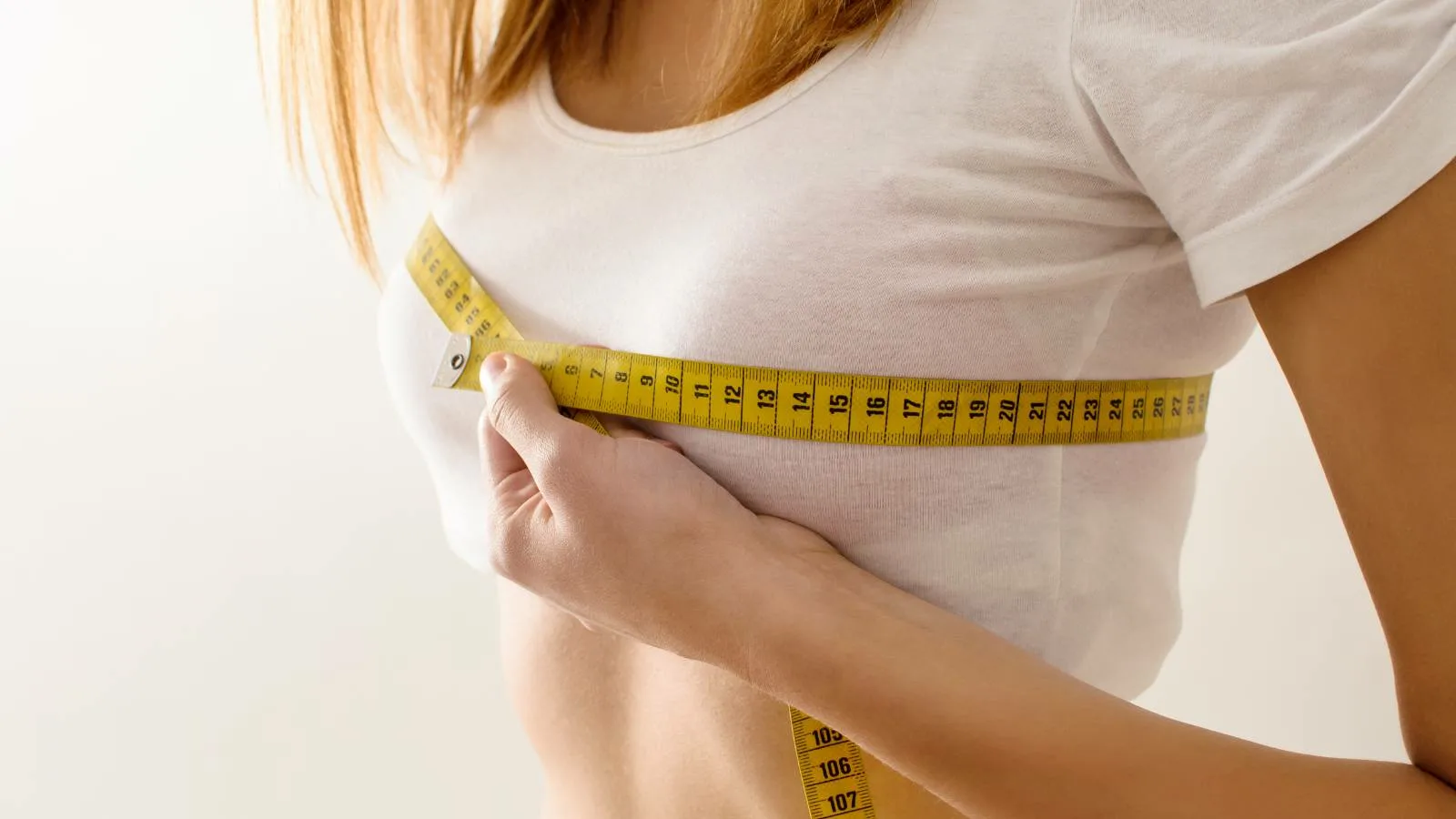
The question of how to recognize the hourglass body type is evaluated through circumference measurements. Having shoulder and hip circumferences close to each other, a waist circumference that is significantly narrower compared to these measurements, and a waist-to-hip ratio within the ideal range are distinguishing criteria.
Fat distribution in the hourglass body type is associated with genetic structure and hormonal balance. Adipose tissue is stored in a balanced manner in both the upper and lower body; while this provides aesthetic symmetry, it may also contribute to an even distribution of metabolic risks throughout the body.
| Things You Should Know | Information |
| Definition of the hourglass body type | The hourglass body type is a symmetrical body shape in which shoulder and hip widths are close to each other and the waist is distinctly slim. |
| Distinct physical characteristics | Wide and balanced shoulder–hip ratio, slim and defined waist, balanced fat distribution. The torso and lower body are proportional. |
| How it is recognized | If measurements taken with a tape measure show that shoulder and hip circumferences are close to each other and the waist circumference is significantly smaller, it may be an hourglass type. Symmetry is also noticeable when looking in the mirror. |
| Body measurement ratio | Shoulder circumference ≈ Hip circumference > Waist circumference. Generally, the waist circumference is at least 25% smaller than the hip or shoulder circumference. |
| Common gender | Defined as the most desired body type among women; develops depending on genetic factors. Rarely seen in men. |
| Advantages | Body proportions are highly balanced. It offers versatile advantages in clothing selection. Achieving a fit appearance may be easier. |
| Points to pay attention to | Fat gain is generally proportional; however, with weight gain the waist circumference may widen. Exercise and nutrition aimed at preserving the waistline are important. |
| Suitable exercise types | Balancing exercises targeting the whole body (pilates, functional training) and core exercises that protect the waist circumference are recommended. |
| Nutrition recommendations | A balanced and sustainable nutrition plan helps maintain body form. Carbohydrates, protein, and healthy fats should be balanced. |
| Clothing recommendations | Clothing that emphasizes the waistline (corset-style dresses, waist-hugging tops) and balanced-cut pants and skirts should be preferred. Loose or straight-cut clothing that disrupts proportion should be avoided. |
What Is the Hourglass Body Type and Why Is It So Desired?
The criteria we use when defining the hourglass body type are actually based on mathematical symmetry. We are talking about situations in which the upper body and lower body balance each other in width, but the waist area has a much smaller circumferential measurement compared to this width. In this form, the waist is the focal point of the body and acts as a bridge that connects the silhouette with a fluid transition rather than dividing it in two.
The roots of the admiration for this body type actually go much deeper than we think, extending all the way to our evolutionary codes. Anthropological studies show that a wide pelvic structure accompanied by a slim waist has historically been perceived at a subconscious level as signals of “fertility,” “youth,” and “health.” When our brain sees these proportions, it gives a biological “fitness” approval. However, in today’s world this perception has evolved; the hourglass form is now associated not only with fertility but also with being fit, feminine strength, and aesthetic attractiveness.
In aesthetic surgery practice, our goal is to create soft transitions instead of sharp angles on the patient’s body. Rather than a straight, shapeless thinness, we aim to achieve this form where fullness and slimness meet at strategic points. We can say that the hourglass silhouette is the most defined and most aesthetic expression of a woman’s body contours.
What Are the Anatomical Foundations That Determine This Body Form?
Just as the strength and shape of a building depend on the steel construction in its foundation, the main determinant of our body form is our skeletal structure. For the hourglass appearance to form, the bone structure must first be suitable for it, or this illusion must be created surgically. At this point, two main bone structures come to the forefront: the pelvis and the thorax, meaning the rib cage.
A pelvis with wide wings allows the hips to appear naturally wider. This width opens the distance between the waist and hips, creating a basis for the waist to appear slimmer. If the pelvis is narrow, no matter how slim the waist is, that dramatic curve may not form. On the other hand, a narrow lower part of the rib cage increases the depth of the waist indentation. In some individuals, the rib structure is wide and descends straight toward the waist; in such cases, the waist indentation is less pronounced.
Muscle structure is also an important variable in this equation. Especially well-developed gluteal muscles support that rounded and protruding appearance when viewed from behind. The condition of the abdominal muscles is decisive for waist tightness. However, our genetic inheritance is not limited to bone and muscle; the genetic codes that determine where our body gains weight also determine whether we can approach the hourglass form. Some lucky genetics store fat directly in the hips and breasts, while others tend to store it around the abdomen.
The anatomical components of the hourglass form are as follows:
- Wide pelvic structure
- Narrow rib cage
- Slim lumbar vertebrae
- Strong gluteal muscles
- Sufficient breast tissue
- Subcutaneous fat distribution
- Firm abdominal wall
- Elastic skin structure
How Does the Waist-to-Hip Ratio Define the Hourglass Type?
Although looking in the mirror is often enough to understand whether a person has an hourglass form, in the medical world we rely on objective measurements rather than subjective opinions. The most fundamental parameter we use at this point is the “Waist-to-Hip Ratio” (WHR). This ratio is not only an aesthetic criterion but also provides serious clues about a person’s overall health status.
This calculation is actually something everyone can easily do at home. You need to measure the thinnest point of your waist (usually just above the navel) and the widest point of your hips with a tape measure. The number you get when you divide the waist measurement by the hip measurement is the mathematical equivalent of your body type.
In aesthetic surgery literature and popular culture, the ratio generally accepted as “ideal” is around 0.7. That is, your waist circumference should be about 70% of your hip circumference. The closer this ratio is to 0.7, the more pronounced the hourglass form. If this ratio rises above 0.80 or 0.85, the body approaches what we call the “apple type.” This indicates increased fat accumulation in the waist area. When planning, we surgeons aim to achieve or get as close as possible to this 0.7 ratio, taking into account the patient’s height and overall structure.
What Role Do Hormones Play in the Hourglass Appearance?
It would not be wrong to say that the sculptor of our body is actually our hormones. The main command center that determines how and where fat tissue is stored in the body is the endocrine system. The formation or deterioration of the hourglass form is directly related to our hormonal balance.
The hormone estrogen is the chief architect of feminine contours. Increasing estrogen levels from puberty onward cause fat tissue to accumulate especially in the hips, thighs, and breast areas. This condition is called “gynoid” or female-type fat distribution and forms the basis of the hourglass silhouette. As long as estrogen is dominant, the waist area generally tends to remain slimmer.
However, on the other side of the coin are hormones such as cortisol and insulin. Cortisol, which is secreted in chronic stress situations, changes the command for fat storage and causes fat to accumulate around the abdomen and even around internal organs. This fills in the waist indentation and eliminates that elegant curve. Similarly, with the decrease in estrogen during menopause, body form begins to change.
Hormonal factors affecting body shape include:
- Estrogen level
- Cortisol balance
- Insulin resistance
- Thyroid functions
- Androgen hormones
- Growth hormone
- Progesterone effect
- Leptin sensitivity
How Is the Hourglass Silhouette Created with Aesthetic Surgery?
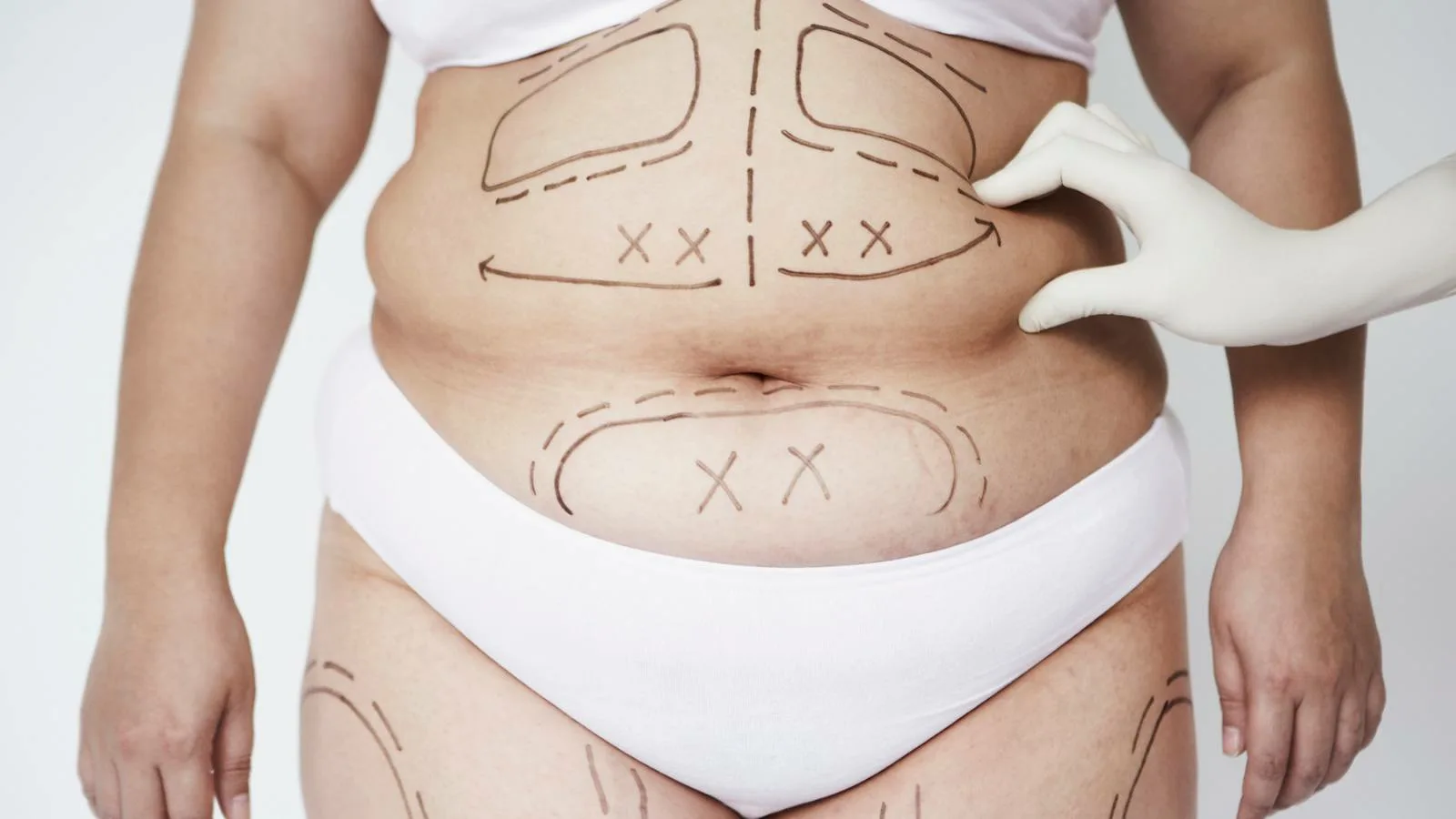
If your genetically inherited traits do not support the hourglass form or if you have lost this form over time, modern aesthetic surgery comes into play. The procedure we generally perform is called “Body Contouring.” This process requires treating the body as a whole and reshaping it as if sculpting a statue.
The basic philosophy here is not just to slim down or just to enlarge one area; the main issue is to establish proportion. We generally apply “combined surgical” methods. Fat is removed from areas where there is excess (usually the abdomen, waist, and back) and transferred to areas where there is deficiency (usually the hips and buttocks).
In this process, the patient’s own fat tissue is used as the most valuable filler material. Defining contours with the person’s own tissue, without using any foreign material, gives the most natural result. However, each patient’s anatomy is different. In some patients, just slimming the waist is sufficient, while in others it may be necessary to establish upper body balance with breast aesthetics as well. The surgeon’s vision is to see the most ideal version that can be created on the patient’s existing anatomy.
Which Technologies Are Used to Slim the Waist Area?
The key point of the hourglass silhouette is undoubtedly a slim and curved waist. To shape this area, we use advanced technology devices that go beyond classical liposuction methods. Our aim is not only to remove fat but also to prevent skin looseness and give this area an artistic form.
One of the most commonly used methods in this regard is ultrasonic liposuction technologies (for example, Vaser). In this technology, sound waves are used to gently break down fat cells without damaging surrounding tissues and liquefy them. This selectivity is very important because when vessels, nerves, and connective tissue are preserved, recovery is faster and bruising is less common.
When working on the waist area, it is not enough to remove only the sides. The lower back area, namely the region just above the tailbone (lumbosacral area), must be thinned deeply. In addition, the lateral fat deposits known as the “love handle area” must be completely removed. When these procedures are performed, the waist circumference narrows and the upper part of the buttocks becomes more prominent, revealing the famous “S” curve. These technologies, which stimulate collagen production under the skin, also help the skin adapt to the new form and tighten.
How Are the Hips and Thighs Shaped?
For a slim waist to gain aesthetic value, there must be a hip structure that widens and projects outward immediately below it. If the waist is slim but the hips are flat, the hourglass appearance does not form. At this point, we bring into play the fat we have taken from other parts of the body. We call this procedure popularly BBL (Brazilian Butt Lift) or gluteal fat transfer.
The fats collected by liposuction are passed through special filtration processes to become a pure and viable form rich in stem cells. This “golden liquid” is injected into the areas of the hips that need volume with millimetric calculations. The aim here is not just to enlarge the buttocks; it is to shape them.
One of the most important details that disrupt the hourglass line is the “Hip Dips,” the indentations on the sides of the hips that many women complain about. By filling these indentations with fat injection, a continuous and rounded line from the waist to the thighs is achieved. In addition, fillers applied to the upper part of the buttocks give the hips a “lifted” appearance. In this way, a complete hourglass silhouette is obtained when viewed from behind and from the side.
Why Is Upper Body Symmetry Important for the Hourglass?
Although when people think of the hourglass they usually think of the waist and hips, the upper framework of this form is created by the shoulders and breasts. If the hips are widened but the upper body remains narrow and weak, the body turns into a “pear type” rather than an hourglass. In aesthetic surgery, the goal is always to ensure balance.
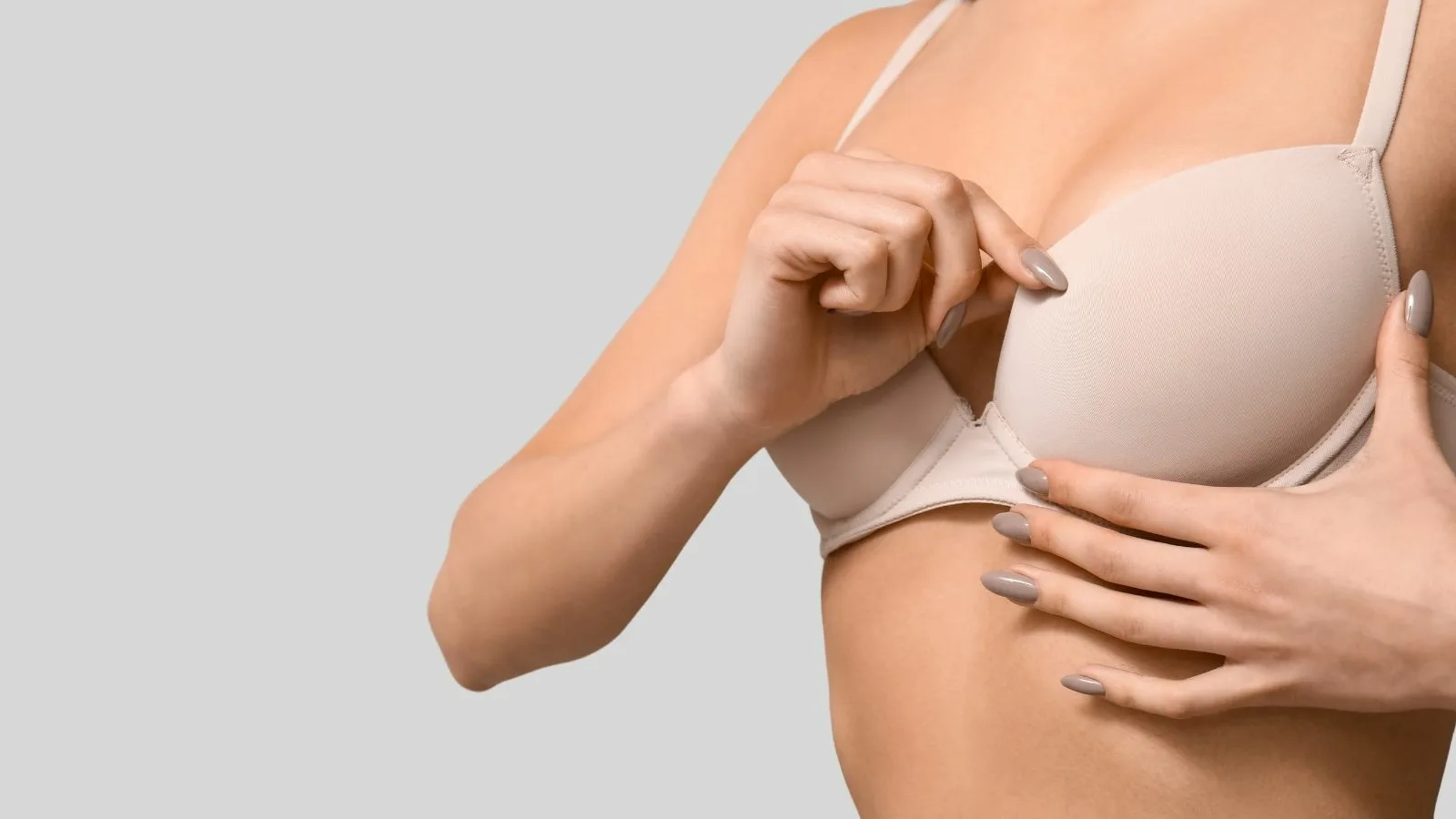
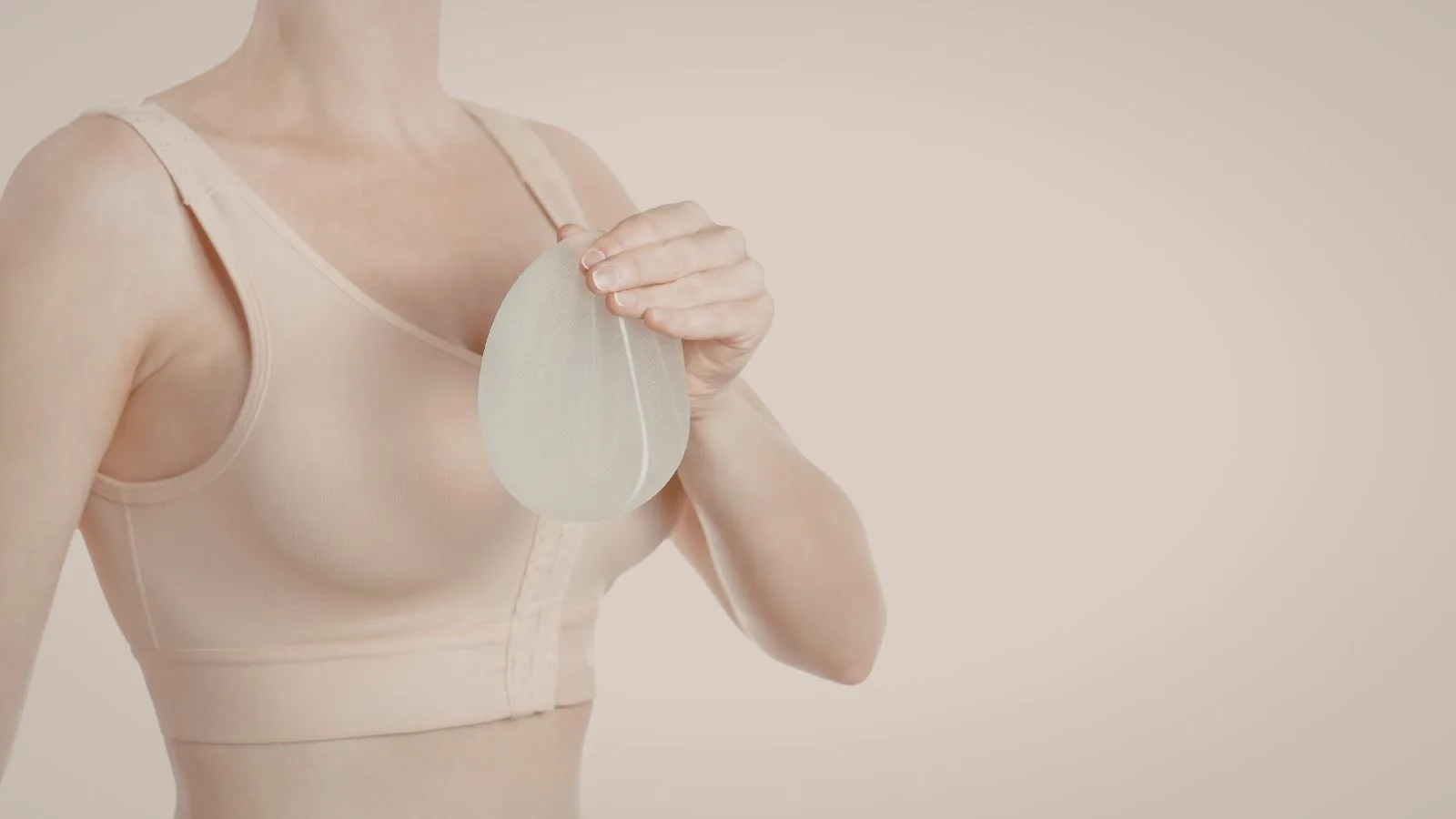
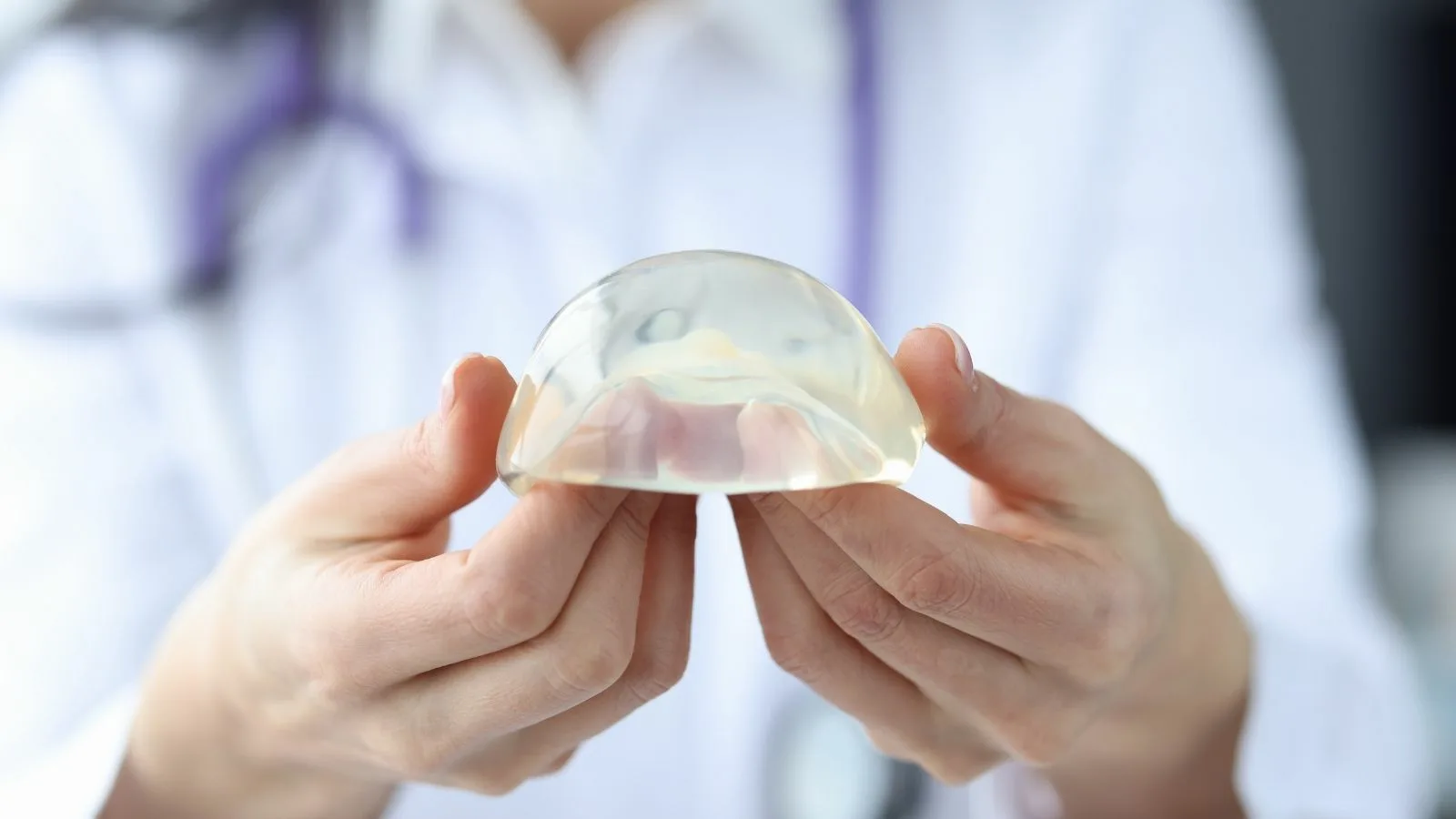
Shoulder width and hip width should be close to each other. If the patient’s shoulders are narrow or breast volume is insufficient, breast aesthetic procedures may be included in the plan to establish this balance. In a patient with small breasts, breast augmentation (with implants or fat injection) contributes to the upper body appearing wider and the waist appearing slimmer.
Similarly, sagging breasts after childbirth or weight loss pull the body silhouette downward and cause an aged appearance. With breast lift operations that reposition the breasts to an ideal position, the upper torso appears more dynamic and proportional. Full and firm breasts are the most important complementary elements that emphasize waist slimness in visual perception.
Is It Possible to Return to the Hourglass Form After Childbirth?
The pregnancy process is the period during which the greatest anatomical changes occur in the female body. Separation of the abdominal muscles, loss of skin elasticity leading to sagging, and stubborn fat deposits cause many women to lose their hourglass form. For our patients in this situation, combined procedures that we call “Mommy Makeover” are the most effective solutions.
Abdominal muscle separation (diastasis recti), which cannot be corrected by exercise and diet alone, is repaired with a tummy tuck operation. The abdominal wall is narrowed by internal suturing, which mechanically slims the waist. When excess skin is removed, a tight abdomen is achieved.
By adding liposuction and breast aesthetics to this surgery, the patient has the opportunity to completely renew her body in a single recovery period. It is possible to achieve an even more curvaceous and fit appearance than before pregnancy. Mommy Makeover is a powerful restoration process that restores lost self-confidence and reconstructs the hourglass silhouette.
The procedures included in mommy makeover are as follows:
- Tummy tuck
- Breast lift
- Breast augmentation
- Liposuction
- Fat injection
- Genital aesthetics
- Laser lipolysis
- Scar revision
What Are the Safety Standards in These Operations?
When it comes to aesthetic surgery, the only thing more important than a beautiful result is patient safety. Especially operations involving fat injection, although associated with some risks in the past, have become extremely safe today thanks to strict international protocols. As a physician, my top priority is to help my patient achieve their desired appearance without putting them at risk.
According to the most up-to-date standards set by plastic surgery authorities worldwide (such as ISAPS, ASPS), there are “golden rules” that must be followed when performing fat injection into the buttocks. Chief among these is the rule that fat must never be injected into the muscle (intramuscularly). Fat should only be injected into the subcutaneous layer. This technique protects vascular structures and minimizes the risk of fat embolism.
In addition, every detail, from the structure of the cannulas used during surgery to the amount of fat injected, is meticulously planned. Ultrasound-guided injections allow the surgeon to proceed while seeing exactly where the procedure is being performed. Thanks to these safety measures, body contouring operations are now carried out on a much more predictable and safe basis.
Who Are Ideal Candidates and Who Should Not Undergo These Procedures?
Not everyone may be a suitable candidate for hourglass aesthetics. For a successful result and a safe process, the patient must meet certain criteria. The first criterion we look at is the Body Mass Index (BMI). Surgical risks increase in overweight patients and aesthetic results are not at the desired level. Therefore, patients with a BMI below 30 are generally ideal candidates.
Skin quality is another determining factor. For the skin to be able to tighten itself after liposuction, it must have sufficient elasticity. If the skin is very stretch-marked and loose, removing fat alone is not enough; tightening procedures may also be required. In addition, it is very important that the patient has realistic expectations. It must be honestly explained to the patient that changes can only be made to the extent allowed by bone structure.
Smoking is the most important factor that negatively affects the candidacy process. Smoking disrupts microcirculation, both delaying wound healing and reducing the retention rate of transferred fat. Therefore, smoking must be stopped before the operation.
The suitable candidate profile includes:
- Individuals close to their ideal weight
- Those with good skin elasticity
- Non-smokers
- Those without chronic diseases
- Individuals with realistic expectations
- Those with sufficient body fat
- Psychologically stable individuals
- Individuals compliant with the recovery process
What Is the Recovery Process Like and How Permanent Are the Results?
Coming out of surgery is only half the job; the other half is managing the recovery process correctly. For the hourglass form to settle and be permanent, the patient must strictly follow postoperative instructions. This process requires patience, but the result is worth it.
After surgery, your most important allies will be medical compression garments. To suppress swelling in areas where liposuction has been performed and to help the skin adapt to its new form, these special garments (fajas) should be worn for approximately 4–6 weeks. The garment acts like a mold, holding the body in shape and helping the contours settle.
If fat transfer to the buttocks has been performed, the first weeks require extra care. For the transferred fat cells to establish blood supply and survive, pressure should not be applied to that area. Therefore, we recommend that our patients avoid sitting directly on the buttocks for 2–3 weeks, sleep face down, or use special BBL pillows.
As for the permanence of results; fat cells removed by liposuction do not return. The portion of transferred fat that is accepted by the body (generally 60–70%) is permanent for life. However, these remaining fat cells are living tissue; meaning if you gain weight, they grow, and if you lose weight, they shrink. Therefore, to maintain that magnificent hourglass silhouette, it is essential to maintain a balanced diet and an active lifestyle.
Points to pay attention to during the recovery period include:
- Use of medical compression garments
- Sitting with a BBL pillow
- Face-down sleeping position
- Adequate water intake
- Light walking
- Lymphatic massage support
- Salt restriction
- Avoiding smoking
Frequently Asked Questions
How is the hourglass body type recognized?
The hourglass body type is a structure in which the breasts and hips are proportional and the waist circumference is distinctly slim. While the shoulders and hips are the same width, the waistline presents a narrow transition between these two points.
Is the hourglass body type genetic?
Yes, the hourglass body type is largely determined by genetic factors. If this body structure exists among family members, the likelihood of the individual having similar proportions is quite high.
Where does fat accumulate in the hourglass body type?
In this body type, weight gain generally distributes evenly to the breasts, hips, and thighs. The waist area may remain slim for a long time, but with excessive weight gain, fat accumulation may also occur in this region.
How should people with an hourglass body type dress?
Clothing that emphasizes body contours and highlights the waist should be preferred. Belted dresses, fitted tops, and A-line skirts bring the hourglass form to the forefront and maintain balance.
What is the weight loss process like for the hourglass body type?
The weight loss process generally progresses proportionally. With proper exercise, preserving muscle structure is important. The goal should be to avoid excessively reducing breast and hip volume while preserving the waist circumference.
Which sports can support the hourglass body type?
Pilates, functional training, and resistance exercises are effective in maintaining the hourglass form. Planks and movements that strengthen the waist muscles are recommended for the waist area.
What are the advantages of the hourglass body type?
It is considered the ideal body form aesthetically by many people. It has advantages such as ease of achieving harmony in clothing and balanced fat distribution.
How does the hourglass body type change with age?
As metabolism slows with age, fat accumulation around the waist may increase. Hormonal changes can also affect breast and hip ratios, leading to disruption of proportions.
How is the hourglass body type affected during pregnancy?
Weight gained during pregnancy may be distributed evenly to the hips and breasts. In the postpartum recovery process, the return of the waist to its former slimness may vary from person to person.
Can the hourglass body type be achieved through aesthetic procedures?
With liposuction, fat injection, and waist contouring procedures, a silhouette close to the hourglass appearance can be created. However, results vary depending on the individual’s body structure.
Op. Dr. Erman Ak is an internationally experienced specialist known for facial, breast, and body contouring surgeries in the field of aesthetic surgery. With his natural result–oriented surgical philosophy, modern techniques, and artistic vision, he is among the leading names in aesthetic surgery in Türkiye. A graduate of Hacettepe University Faculty of Medicine, Dr. Ak completed his residency at the Istanbul University Çapa Faculty of Medicine, Department of Plastic, Reconstructive and Aesthetic Surgery.
During his training, he received advanced microsurgery education from Prof. Dr. Fu Chan Wei at the Taiwan Chang Gung Memorial Hospital and was awarded the European Aesthetic Plastic Surgery Qualification by the European Board of Plastic Surgery (EBOPRAS). He also conducted advanced studies on facial and breast aesthetics as an ISAPS fellow at the Villa Bella Clinic (Italy) with Prof. Dr. Giovanni and Chiara Botti.
Op. Dr. Erman Ak approaches aesthetic surgery as a personalized art, tailoring each patient’s treatment according to facial proportions, skin structure, and natural aesthetic harmony. His expertise includes deep-plane face and neck lift, lip lift, buccal fat removal (bichectomy), breast augmentation and lifting, abdominoplasty, liposuction, BBL, and mommy makeover. He currently provides safe, natural, and holistic aesthetic treatments using modern techniques in his private clinic in Istanbul.