Deutsch
 Türkçe
 Nederlands
 Français
 Svenska

The triangular body type is a body structure in which shoulder and chest width are narrower compared to the hip line, and the lower body appears more voluminous than the upper body. Adipose tissue predominantly accumulates in the hips, saddlebags, and thighs, while the upper torso presents a slimmer silhouette.
The characteristics of the triangular body type are defined by narrow shoulders, limited chest volume, and pronounced hip width. Weight gain is generally concentrated in the lower extremities; the legs appear fuller compared to the upper arms, and the waistline is relatively well-defined in most individuals.
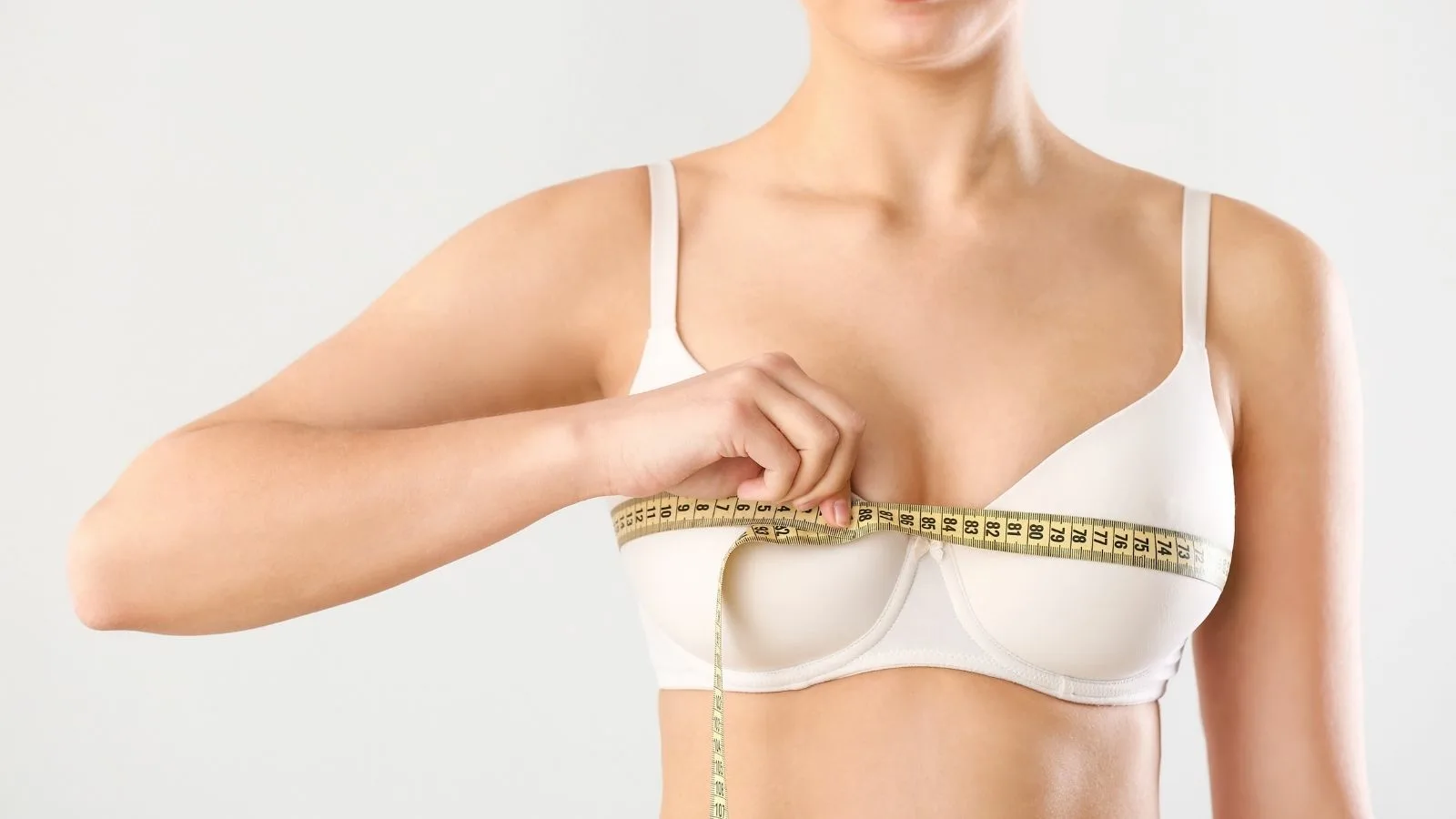
The question of how to identify a triangular body type is answered through anthropometric measurements. A hip circumference that is significantly wider than the shoulder and chest circumference, a low waist-to-hip ratio, and fat accumulation concentrated in the lower body are the main distinguishing findings.
Fat distribution in the triangular body type is associated with genetic predisposition and hormonal influences. Especially under the effect of estrogen, fat cells tend to be stored in the lower regions; compared to upper-body fat accumulation, this distribution may present a metabolically lower risk profile.
| Things You Should Know | Information |
| Definition of the triangular body type | The triangular body type is a body shape in which the upper body is narrower than the lower body, with the hips and saddlebags being distinctly wide. This type is often used synonymously with the “pear body type.” |
| Distinct physical characteristics | Narrow shoulders, a slim waist, wide hips and saddlebags, fullness in the lower body. The upper body is smaller compared to the lower body. |
| How to identify | If measurements taken with a measuring tape show that the hip circumference is significantly larger than the shoulder and chest circumference, it may indicate a triangular body type. In the mirror, pronounced fullness in the lower body and narrowness in the upper body are observed. |
| Body measurement ratio | Hip circumference > Shoulder and chest circumference. Waist circumference is generally relatively small. |
| Common gender | More common in women. Due to the effect of the estrogen hormone, fat accumulation is concentrated in the hip and saddlebag area. It is rarely seen in men. |
| Advantages | Provides a feminine appearance due to a slim waist and pronounced hips. With proper exercise and clothing, the body can be made to look balanced. |
| Points to pay attention to | Since fat accumulation is concentrated in the lower body, cellulite, circulation problems, or leg fatigue may be observed. Strengthening the upper body can help balance body proportions. |
| Suitable exercise types | Exercises that shape the hips and saddlebags (squats, lunges) and resistance exercises that strengthen the upper body (shoulder and back workouts) are recommended. |
| Nutritional recommendations | A balanced diet with low glycemic index, fiber-rich foods that support estrogen balance is recommended. Excessive carbohydrate consumption should be avoided. |
| Clothing recommendations | Padded, patterned, or light-colored tops that make the upper body appear wider and more balanced; balancing the lower body with simple, dark-colored trousers or skirts is ideal. |
Is Our Body Type a Genetic Inheritance, or Can It Change?
The foundation of your body shape is laid by the genetic codes inherited from your mother and father even before you are born. The width of your bones, the structure of your muscle fibers, and where your fat cells tend to accumulate in the body are largely a genetic lottery. Of course, lifestyle, nutrition, and exercise shape this structure, but they cannot change the basic skeletal framework. Scientifically, when classifying human bodies, we benefit from the “somatotype” theory. According to this theory, people are basically divided into three main groups.
These basic groups are:
- Endomorph
- Mesomorph
- Ectomorph
Endomorphs are generally individuals with softer contours who gain weight easily and are prone to storing fat. Mesomorphs are considered genetically lucky, with a muscular and athletic build. Ectomorphs are thin-boned, slim individuals who have difficulty gaining weight. However, life is not black and white; most people carry a combination of these types. In aesthetic surgery, our goal is to bring this genetically given foundation closer to the aesthetic form you envision.
How to Identify the Triangular Body Type (Pear Shape)?
In our society, especially among women, the most common body type we encounter is the standard triangular or, colloquially, the “pear-shaped” body. Understanding this structure does not require complex measurements. A simple mirror analysis or your clothing experiences provide the most accurate answer. The most distinctive feature of the pear-shaped body is that the lower half of the body is more dominant than the upper half.
The defining features of this body type are:
- Narrow shoulders
- A slim torso
- A pronounced waist indentation
- Wide hips
- Full saddlebags
- Thick upper thighs
People with this body type often experience serious difficulties when shopping for clothes. When buying pants, you may notice that a model that fits your hips perfectly is very loose at the waist. While your upper body may be “Small,” your lower body may be “Large” or “X-Large.” The main reason for this situation is the body’s preference for storing fat in the hip and thigh area. From an aesthetic perspective, this body type actually offers a feminine and curvy structure. However, when proportions are disrupted—meaning the hip width excessively exceeds the shoulder width—body harmony is lost, and the lower body begins to appear heavier than it is, while the legs appear shorter.
What Is the Inverted Triangle Body Type and What Are Its Characteristics?
Another common form that is the complete opposite of the standard triangle is the “inverted triangle” body type. Geometrically, imagine a triangle with its base at the top and its pointed tip at the bottom. This structure is generally the basis of the “V-taper” (V-shaped narrowing) appearance considered ideal in men, but it is also frequently seen in women. In this morphological structure, the visual weight of the body is in the upper region.
The physical characteristics of individuals with an inverted triangle body type are:
- Broad shoulders
- Wide rib cage
- Slim waist
- Narrow hips
- Flat buttock structure
- Thin legs
Individuals in this group are often described as having an “athletic” or “swimmer’s body.” When they gain weight, it is usually around the abdomen, back, or arms; the legs and hips remain relatively slim. In female patients, excessively broad shoulders can sometimes raise concerns about a masculine appearance. They have difficulty finding jackets or shirts because in sizes that fit the shoulders, the waist area remains very loose. In aesthetic surgery, our goal for these patients is not to narrow the shoulders (which is difficult due to bone structure) but to achieve balance by adding volume to the lower body.
What Is the Relationship Between Hormones and Body Type?
So why are some of us pear-shaped while others are inverted triangle or apple-shaped? The answer to this question lies largely in your hormones. Adipose tissue is not just an energy store but also an active endocrine organ and is in constant communication with hormones. Hormones are the conductors of the orchestra that determine where fat accumulates in your body.
The main factors affecting this process are:
- Estrogen level
- Testosterone balance
- Insulin resistance
- Cortisol hormone
- Genetic receptor distribution
For example, in individuals with dominant estrogen hormone levels, fat tends to be stored in the hips, saddlebags, and thighs. This is biologically associated with female fertility and energy reserves. This is the main mechanism behind the formation of the pear-shaped body. During periods of hormonal change such as menopause, with the decrease in estrogen, the pattern of fat accumulation may change and shift to the abdominal area. In inverted triangle or apple-type fat distribution, androgens or insulin sensitivity may be more prominent, causing fat to accumulate around the torso and abdomen. For us physicians, understanding this hormonal background is important when planning surgery, but surgical intervention is the most effective way to change the existing anatomical structure.
Can Body Type Be Changed Regionally Through Diet and Exercise?
This is the issue that causes our patients the greatest disappointment and the one they consult us about most frequently: “Doctor, I’ve been dieting for months, exercising every day, my face is tiny, my ribs are visible, but the width in my saddlebags hasn’t decreased by even a centimeter.” This complaint is completely justified and has a scientific basis:
Unfortunately, the fat-burning process in our bodies does not work “regionally” according to our wishes. When you create a calorie deficit, the body starts using the fat stores it can most easily give up genetically. Usually, the face, neck, and chest areas are the first to slim down. However, in the triangular body type, the saddlebags, and in the inverted triangle, the waist area are “genetic storage” zones. The body codes these areas as “reserves saved for hard times.” Fat cells in these areas are resistant to metabolic signals. Therefore, changing your body type solely through diet—such as transitioning from a pear shape to an hourglass shape—is nearly impossible. With dieting, you only become a “smaller pear,” but the proportions remain the same. Aesthetic surgery intervenes precisely at this point by addressing the “stubborn” areas where diet and exercise fall short, thereby restoring body harmony.
Why Is Body Type Analysis Important in Aesthetic Surgery?
For a plastic surgeon, patient analysis is like an architect examining the land. Before performing any procedure, correctly analyzing the patient’s existing body type (triangular, inverted triangle, rectangular, etc.) is the key to success. Because the same “template” surgery is not performed on everyone. The goal is not to make the patient thinner but to harmonize the body contours with one another.
The criteria we pay attention to during analysis are:
- Shoulder width
- Rib cage diameter
- Location of the waist indentation
- Hip width
- Leg length
- Skin elasticity
For example, in a pear-shaped patient, simply removing saddlebags with liposuction may not be sufficient. If the shoulders are very narrow, while slimming the saddlebags, it may also be necessary to make small enhancements to the chest or shoulder area to shift the balance upward. In an inverted triangle patient, while slimming the waist, the goal is to add fullness to the buttocks to visually balance the width of the shoulders. We call this “Body Harmonization.” When the eye looks at a whole, it wants to see a flowing silhouette in which no part steals the spotlight from another.
Is Body Type Shaping Possible with Liposuction?
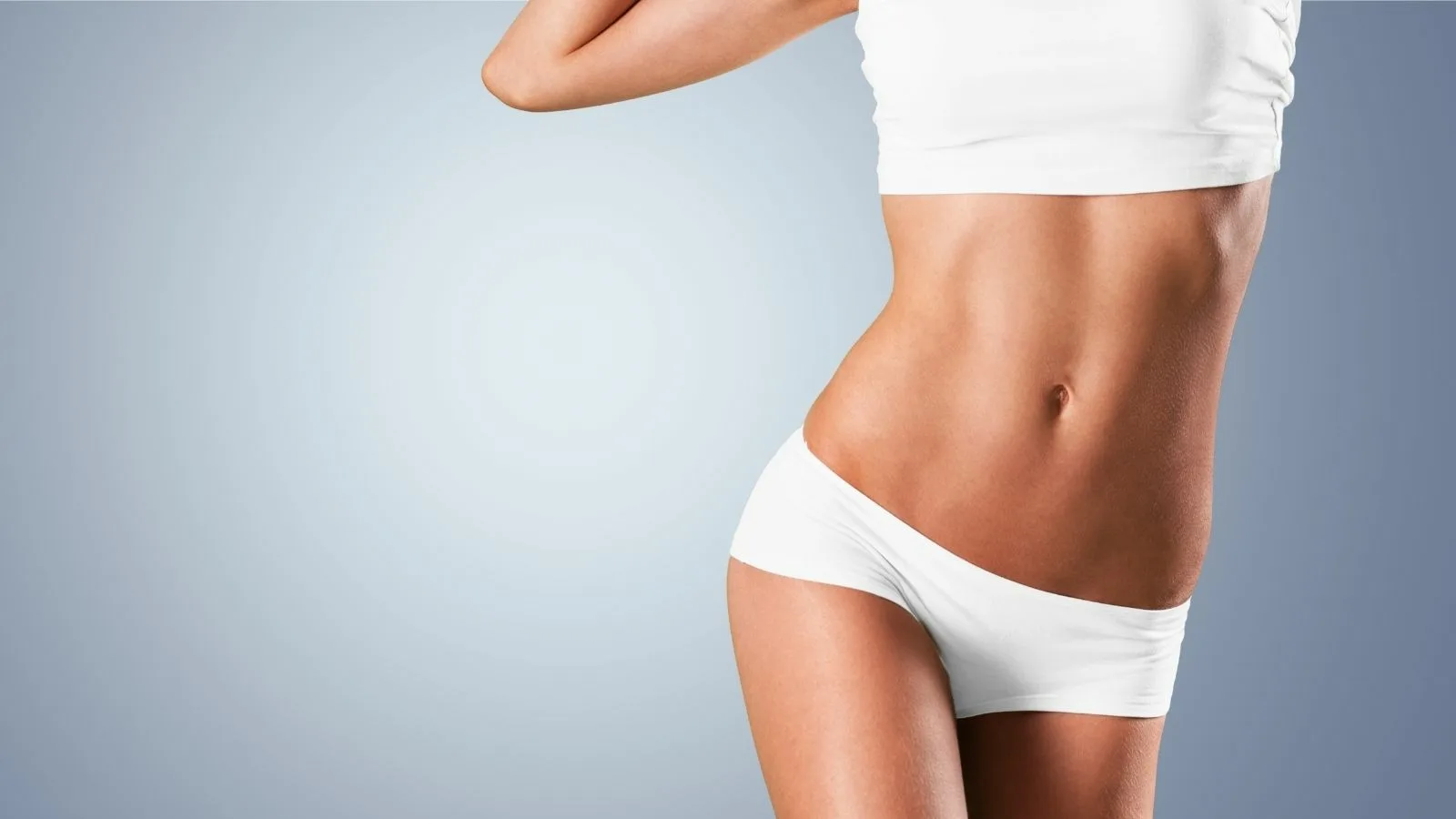
Liposuction, or fat removal, is the most powerful instrument we have for body type shaping. However, it is crucial to emphasize an important distinction here: liposuction is not a weight-loss surgery. It is not performed for the treatment of obesity. This procedure is the art of “contour correction” and “sculpting.”
The technologies we use in modern medicine have gone far beyond traditional fat removal. We no longer just vacuum fat; we selectively process it. Especially VASER technology, which uses ultrasonic energy, or laser-assisted systems, allow the surgeon to work with millimetric precision.
The advantages provided by these technologies are:
- More precise shaping
- Less bruising
- Faster recovery process
- Skin-tightening effect
- Natural appearance
In a pear-shaped patient, by removing the outward-protruding parts of the saddlebags (culotte de cheval), we can make the hips appear more lifted and rounded. By slimming the waist area, we can emphasize the “hourglass” transition. In an inverted triangle body, by removing fat from the back and waist areas, we slim the torso and achieve a more delicate upper body. Through these procedures, the patient’s body type is brought to the most ideal proportions within genetic limits.
Can Removed Fat Be Used for Body Type Correction Through Recycling?
One of the greatest revolutions in aesthetic surgery is the perception of fat tissue no longer as “waste to be discarded” but as a “valuable filler rich in stem cells.” We call this “Liposculpture” (Fat Sculpting). While correcting body type, we achieve perfect recycling by transferring excess fat taken from one area to another area where volume is lacking.
The most commonly used areas for fat transfer are:
- Buttock shaping (BBL)
- Breast augmentation
- Facial rejuvenation
- Back of the hand restoration
- Bowleg correction
- Indentations on the sides of the buttocks (Hip dips)
This method creates wonders especially in women with an inverted triangle body type who have broad shoulders but narrow and flat hips. Fat taken from the waist and back is processed through special procedures and injected into the buttocks. This procedure (Brazilian Butt Lift) both slims the waist and widens the hips, transforming the patient from a masculine appearance into an extremely feminine “hourglass” form. In pear-shaped patients, sometimes the removed fat is transferred to the breasts to volumize the upper body and achieve balance between the lower and upper body. Since it is your own tissue, there is no risk of allergy, and the fat that survives remains permanent for life.
When Is a Tummy Tuck Surgery Necessary for Body Type?
Liposuction yields excellent results in patients with good skin elasticity. However, in some cases—especially due to excessive weight fluctuations, multiple pregnancies, or advancing age—skin quality may be compromised. If the skin has lost its elasticity, removing the fat underneath can cause the skin to sag even more, creating an “empty balloon” appearance. At this point, “lifting” surgeries come into play to restore body type.
Situations in which a tummy tuck is necessary are:
- Skin sagging
- Separation of abdominal muscles
- Navel deformity
- Density of stretch marks
- Resistant skin folds
In patients with a triangular body type, we apply “Abdominoplasty” (Tummy Tuck) for looseness in the abdominal area. This surgery not only removes sagging skin but also tightens the abdominal muscles that act as an internal corset (diastasis recti repair) with sutures, thereby narrowing the waist. Thus, both the profile view improves and the waist indentation becomes more pronounced, enhancing body proportions. Similarly, arm lift and thigh lift operations smooth body contours by tightening sagging skin.
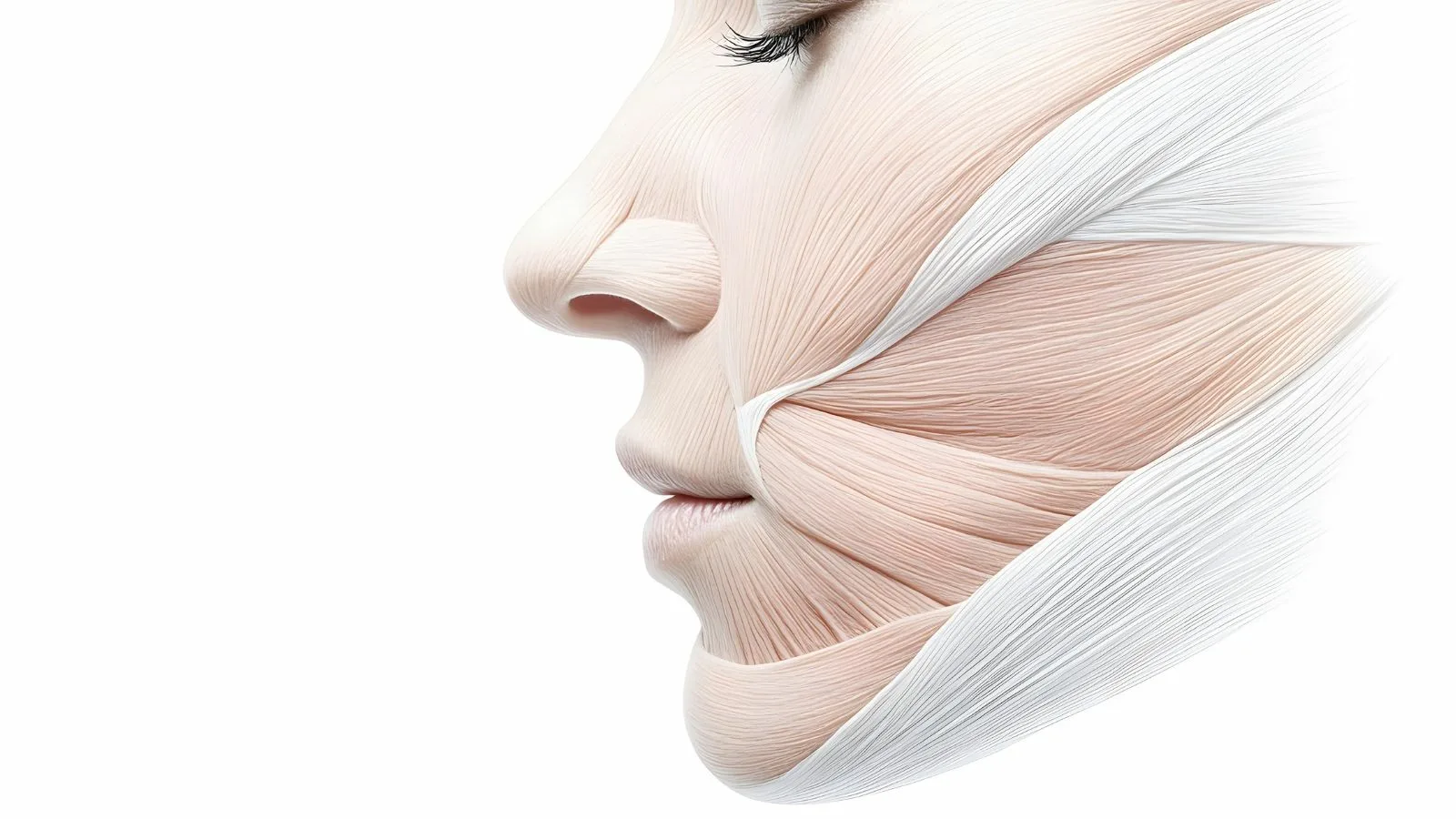
What Is the Triangle of Youth in Facial Aesthetics?
When talking about body type, it is impossible to exclude the face, because aesthetics is a whole. There is also a triangular geometry in our face, but unlike the body, in a young and dynamic face, we want this triangle to be “inverted.” This is called the “Triangle of Youth.”
The components of the triangle of youth are:
- Full cheekbones
- Defined jawline
- Thin and pointed chin
- Firm cheeks
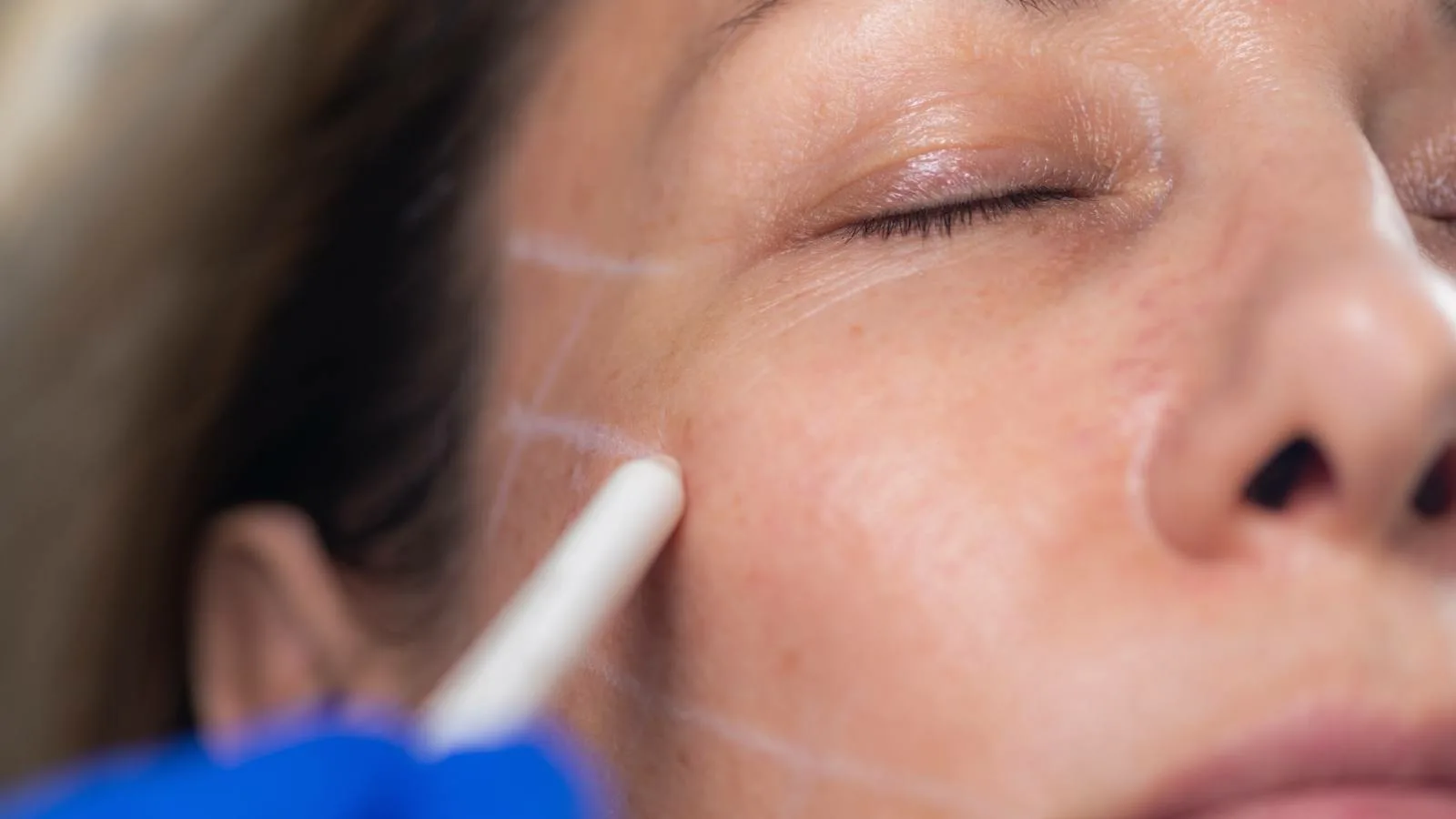
In a young face, the cheekbones are full, and the jawline is sharp and slim; that is, the base of the triangle is at the top and the pointed tip is at the bottom. However, with the aging process and gravity, the cheeks sag, fat pads shift downward, jowls become prominent, and the jawline blurs. The triangle reverses; the base moves downward, and the face takes on a square or pear shape. In aesthetic interventions, our goal is to reverse this triangle again. With procedures such as buccal fat removal, cheekbone filler, chin (jawline) shaping, and facelifts, we restore that fresh “V-line” form to the face.
How Does the Postoperative Recovery Process Work?
Body contouring surgeries are not magic wand touches where you see the result the very next day. This is a surgical process, and the body has a biological healing timeline. When you come out of surgery, depending on the procedure performed, edema, swelling, and bruising are completely normal. This is a natural response of the tissues to heal.
Things to pay attention to during the recovery process are:
- Corset use
- Drinking plenty of water
- Light walks
- Lymphatic massages
- Salt restriction
Especially after liposuction and tummy tuck procedures, we ask our patients to wear special medical corsets for approximately 3–4 weeks. These corsets help the emptied subcutaneous tissue adapt to its new shape, allow the skin to adhere to the underlying surface, and keep edema under control. There may be limited mobility in the first few days, but we encourage our patients to walk early because movement accelerates circulation. Most of the edema subsides within the first 3 weeks, but the body’s final shape and tissue softening can take between 6 months and 1 year. Patience is the most important medicine in this process.
How Is Golden Ratio and Body Type Harmony Achieved?
The concept of beauty actually relies on a mathematical balance in our subconscious. The “Golden Ratio” (approximately 1.618), found in every beautiful object in nature—from flowers to seashells—also forms the basis of aesthetic perception in the human body. Although we plastic surgeons do not walk around with a measuring tape during surgical planning, our eye seeks this ratio.
Some criteria in which the golden ratio is used are:
- Shoulder-to-waist ratio
- Waist-to-hip ratio
- Facial length and width
- Nipple position
- Distance between nose and lips
Our goal in body harmonization is to bring the patient’s body closer to these ideal proportions. For example, having the ratio of waist circumference to hip circumference at a certain standard (such as a 0.7 ratio) creates the most visually pleasing curve. In the triangular body type, this ratio is often distorted. The surgeon’s art is to achieve this mathematical harmony without forcing the patient’s existing anatomical limits and without compromising naturalness. Avoiding exaggerated, unnatural procedures performed solely because they are “trendy” (such as excessively large buttocks or extremely thin waists) is essential for long-term aesthetic success and patient satisfaction.
How Is the New Body Type Maintained?
Aesthetic surgery can give you the body contours you dream of and take you beyond your genetic limits. However, maintaining this result is entirely in your hands. Patients sometimes fall into the misconception that “the fat was removed, I won’t gain weight anymore.” Yes, the number of fat cells in the treated area decreases with liposuction, and that area does not gain weight as easily as before. However, the remaining fat cells in the body will continue to expand with excessive calorie intake.
Our recommendations to maintain the results are:
- Balanced nutrition
- Regular exercise
- Quality sleep
- Stress management
- Hormonal check-ups
Frequently Asked Questions
How is the triangular body type identified?
The triangular body type is generally a body shape where the lower body is wider than the upper body. People with this body type have noticeably wider hips than shoulders.
Are the triangular body type and the inverted triangular body type the same?
No, the triangular body type generally refers to a structure where the hips are wider and the shoulders are narrow, whereas the inverted triangle type is a body form where the shoulders are wide and the hips are narrow. The terms can sometimes be confused, but their definitions are different.
Which gender is the triangular body type more common in?
While the inverted triangular body type is more commonly seen in men, the classic triangular form is more common in women. Hormones, muscle structure, and genetics affect this distribution.
How should people with a triangular body type dress?
Clothing that balances the lower body and makes the upper body appear slimmer should be preferred. A-line skirts that draw attention to the hip area and tops that keep the shoulders simple are ideal.
How can the triangular body type be balanced with exercise?
The focus should be on developing the lower body without increasing upper body muscle mass. Exercises such as squats and lunges are recommended for the hips and legs. Cardio can help maintain overall balance.
Where is weight gain seen in the triangular body type?
Weight gain is generally concentrated in the hips, saddlebags, and legs. The waist area may also be affected. The upper body is less affected, increasing the appearance of imbalance.
Is the triangular body type congenital?
Yes, body structure is genetically determined. However, over time, weight distribution, hormonal balance, and lifestyle can cause this form to become more pronounced or more balanced.
How does the triangular body type change with age?
With age, lower body fat accumulation may increase, and muscle loss can alter body proportions. Hormonal changes, especially after menopause, can make this form more pronounced.
What are the advantages of the triangular body type?
It provides a feminine appearance by offering fullness in the lower body. The waistline is usually well-defined, and a curvy silhouette can be achieved. The hip curve offers a fashion advantage.
How can the triangular body type be balanced with aesthetics?
Body proportions can be achieved with procedures such as shoulder augmentation, waist slimming, and liposuction. Especially in the inverted triangle type, hip augmentation and upper body slimming applications are frequently preferred.
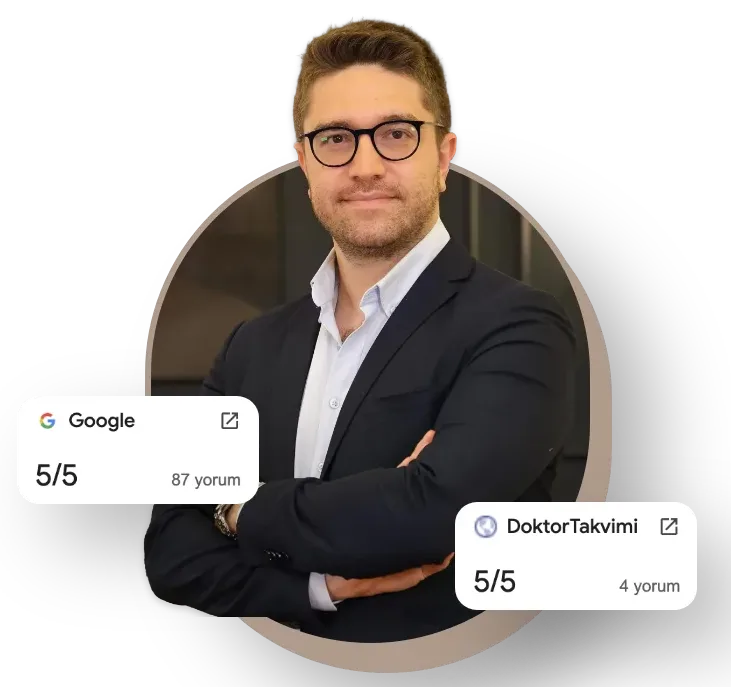
Op. Dr. Erman Ak is an internationally experienced specialist known for facial, breast, and body contouring surgeries in the field of aesthetic surgery. With his natural result–oriented surgical philosophy, modern techniques, and artistic vision, he is among the leading names in aesthetic surgery in Türkiye. A graduate of Hacettepe University Faculty of Medicine, Dr. Ak completed his residency at the Istanbul University Çapa Faculty of Medicine, Department of Plastic, Reconstructive and Aesthetic Surgery.
During his training, he received advanced microsurgery education from Prof. Dr. Fu Chan Wei at the Taiwan Chang Gung Memorial Hospital and was awarded the European Aesthetic Plastic Surgery Qualification by the European Board of Plastic Surgery (EBOPRAS). He also conducted advanced studies on facial and breast aesthetics as an ISAPS fellow at the Villa Bella Clinic (Italy) with Prof. Dr. Giovanni and Chiara Botti.
Op. Dr. Erman Ak approaches aesthetic surgery as a personalized art, tailoring each patient’s treatment according to facial proportions, skin structure, and natural aesthetic harmony. His expertise includes deep-plane face and neck lift, lip lift, buccal fat removal (bichectomy), breast augmentation and lifting, abdominoplasty, liposuction, BBL, and mommy makeover. He currently provides safe, natural, and holistic aesthetic treatments using modern techniques in his private clinic in Istanbul.