Türkçe
How long do silicone breast implants last? The average lifespan of silicone breast implants ranges between 10 and 20 years. However, this duration may vary depending on factors such as the patient’s body structure, the quality of the implant, and regular follow-ups; there is no strict rule stating that every implant must be replaced after a certain period.
The question of what the lifespan of silicone breast implants depends on is closely related to the implant’s manufacturing technology and the surgical technique used. Modern implants containing cohesive gel are more durable. Unless complications such as trauma, capsular contracture, or rupture develop, implants can be safely used for many years.
The answer to when breast implant replacement is necessary is generally based on medical indications. Surgical revision is recommended in cases such as implant rupture, significant shape deformity, hardening, or infection. Changes in aesthetic expectations may also be among the reasons for implant replacement.
The frequency of silicone breast implant follow-up is important for long-term safety. After surgery, regular physician examinations and, when necessary, ultrasonography or magnetic resonance imaging are recommended. Early diagnosis ensures that potential complications are managed before they progress.
Are Silicone Breast Implants Permanent?
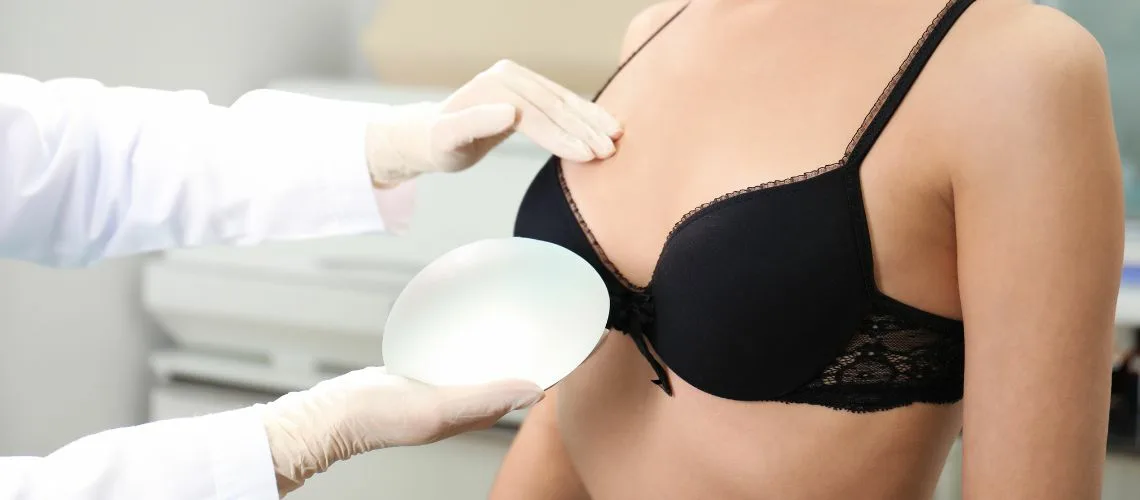
Silicone breast implants are devices made of medical-grade silicone elastomer and filled with cohesive gel (low-flow, form-stable silicone gel). Although these implants are designed to last for many years, they may need to be replaced after a certain period.
According to general literature data, the average lifespan of silicone breast implants is approximately 10–15 years. However, this does not mean a definite “expiration date.” In some patients, implants may remain problem-free for 20 years or more, while in other cases earlier intervention may be required. The determining factor is not time itself, but the clinical condition of the implant and the patient’s symptoms.
Factors Affecting Implant Lifespan
The durability of a silicone breast implant does not depend solely on manufacturing quality. The following factors may affect implant longevity:
- Surgical technique and placement plan (such as submuscular or over-the-muscle placement)
- History of trauma (impact to the chest area)
- Body structure and tissue quality
- Smoking
- Connective tissue diseases
- Development of infection or inflammation
Additionally, as with any foreign body, the body forms a capsule (a thin connective tissue membrane) around the silicone implant. This is a physiological process. However, in some patients, this capsule may thicken and harden. This condition is called “capsular contracture” and may require implant replacement.
What Is Capsular Contracture?
Capsular contracture is a complication in which the connective tissue that develops around the breast implant thickens and hardens excessively, causing firmness, shape distortion, and sometimes pain in the breast. It is one of the most important factors that can shorten implant lifespan.
In mild cases, only a feeling of firmness may occur, whereas in advanced contracture the breast may lose its natural form. Diagnosis is usually made through physical examination. In some cases, evaluation may be performed with ultrasonography or magnetic resonance imaging (MRI).

Can Silicone Breast Implants Burst?
What is commonly referred to as “bursting” is medically defined as “implant rupture.” Even if rupture occurs in modern cohesive gel implants, the gel usually does not spread and remains within the capsule. Therefore, sudden volume loss may not always be observed.
Rupture can occur in two ways:
- Silent rupture: Develops without symptoms and is usually detected by MRI.
- Symptomatic rupture: May cause findings such as change in breast shape, volume loss, or firmness.
The U.S. Food and Drug Administration (FDA) recommends periodic imaging follow-up for patients with silicone breast implants. This follow-up process helps evaluate the structural integrity of the implant.
When Should an Implant Be Replaced?
There is no strict rule that silicone breast implants must be replaced simply because “10 years have passed.” The decision for replacement is generally considered in the following situations:
- Development of capsular contracture
- Implant rupture
- Shape deformity or asymmetry
- Chronic pain
- Change in aesthetic expectations
Over the years, some patients may develop breast sagging (ptosis) and may plan a breast lift surgery together with implant replacement. However, every surgical intervention requires individual evaluation.
Do Breast Implants Cause Cancer?
A direct causal relationship between silicone breast implants and breast cancer has not been demonstrated. However, an association has been identified between especially textured implants and a rare type of lymphoma called “Breast Implant-Associated Anaplastic Large Cell Lymphoma (BIA-ALCL).”
BIA-ALCL is a rare immune system cancer originating not from the breast tissue itself, but from the implant capsule. It usually presents with late-onset fluid accumulation (seroma) or swelling around the implant. When diagnosed early, it can be controlled with surgical treatment. Therefore, regular physician follow-up is important for patients with implants.
Why Is Regular Follow-Up Important?
Individuals with silicone breast implants are recommended to undergo clinical examination at regular intervals. Especially in the presence of:
- Sudden change in breast shape
- Increased firmness
- Swelling
- Pain
- Enlargement of axillary lymph nodes
a plastic surgery specialist should be consulted without delay.
In radiological follow-up, ultrasonography, mammography, and magnetic resonance imaging methods may be used. The imaging plan is determined according to the patient’s age, risk factors, and implant duration.
Breast Implant Lifespan Varies from Person to Person
The lifespan of a silicone breast implant cannot be limited to a fixed period. Although these implants are durable medical devices, replacement may be required over time due to biomechanical stress, connective tissue response, and possible complications.
Each patient’s anatomical structure, connective tissue characteristics, and lifestyle are different. Therefore, implant follow-up and the decision for possible replacement must be made based on individual clinical evaluation. It is important for individuals with implants not to neglect regular check-ups for long-term safety.
Patients considering silicone breast implants or those who already have implants should thoroughly discuss their expectations and potential risks with a plastic surgery specialist. Surgical planning and follow-up are carried out on an individual basis; general information does not replace personalized medical evaluation.
Frequently Asked Questions
How long do silicone breast implants typically last before replacement is considered?
Do silicone breast implants need to be replaced every 10 years automatically?
What factors can affect the lifespan of silicone breast implants?
What are the signs that silicone breast implants may need replacement or evaluation?
Can silicone breast implants rupture even if there are no symptoms?
How often should patients have their silicone breast implants checked?
Does pregnancy or weight change affect the longevity of silicone breast implants?
What complications can shorten the lifespan of silicone breast implants?
Can silicone breast implants last a lifetime without requiring another surgery?
What experiences do patients commonly report regarding long-term silicone breast implants?
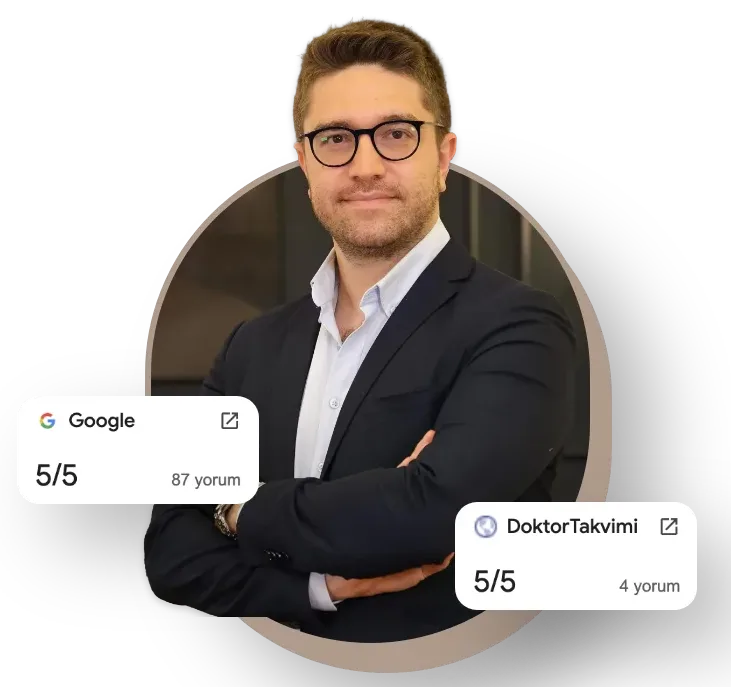
Op. Dr. Erman Ak is an internationally experienced specialist known for facial, breast, and body contouring surgeries in the field of aesthetic surgery. With his natural result–oriented surgical philosophy, modern techniques, and artistic vision, he is among the leading names in aesthetic surgery in Türkiye. A graduate of Hacettepe University Faculty of Medicine, Dr. Ak completed his residency at the Istanbul University Çapa Faculty of Medicine, Department of Plastic, Reconstructive and Aesthetic Surgery.
During his training, he received advanced microsurgery education from Prof. Dr. Fu Chan Wei at the Taiwan Chang Gung Memorial Hospital and was awarded the European Aesthetic Plastic Surgery Qualification by the European Board of Plastic Surgery (EBOPRAS). He also conducted advanced studies on facial and breast aesthetics as an ISAPS fellow at the Villa Bella Clinic (Italy) with Prof. Dr. Giovanni and Chiara Botti.
Op. Dr. Erman Ak approaches aesthetic surgery as a personalized art, tailoring each patient’s treatment according to facial proportions, skin structure, and natural aesthetic harmony. His expertise includes deep-plane face and neck lift, lip lift, buccal fat removal (bichectomy), breast augmentation and lifting, abdominoplasty, liposuction, BBL, and mommy makeover. He currently provides safe, natural, and holistic aesthetic treatments using modern techniques in his private clinic in Istanbul.