Türkçe
Preventing neck sagging requires performing isometric exercises that strengthen the neck muscles, maintaining an ideal body weight by avoiding sudden weight fluctuations, using a broad-spectrum sunscreen, moisturizing the skin regularly, and correcting poor posture by keeping the head upright while using screens. These basic precautions, adopted from an early age, help preserve a firm, youthful, and well-defined angle between the lower jaw and the neck for many years. Although aging, gravity, and structural factors gradually weaken the collagen tissue beneath the chin and contribute to loss of definition over time, incorporating these protective habits into your daily routine can preserve the aesthetic integrity of the jawline and significantly slow tissue deterioration.
What Is Neck Sagging and Why Does It Occur?
The gradual loss of definition in the neck and submental region usually does not result from a single cause. Instead, it develops as multiple tissue layers closely connected to one another undergo simultaneous aging and structural changes. First, it is important to understand the characteristics of the neck skin. Compared to many other parts of the body, the skin of the neck is structurally much thinner. This thinness makes it particularly vulnerable to external influences and signs of aging. Directly beneath this thin layer lies a superficial fat layer that everyone naturally has. With weight gain, genetic predisposition, or advancing age, this fat layer may become thicker or shift downward.
However, the issue involves much more than just the skin and fat. Deeper beneath these structures lies a thin muscle layer called the platysma, which surrounds the neck like a curtain and also contributes to facial expressions. Beneath this muscle are deeper fat compartments. During youth, the skin, superficial fat, muscle, and deep fat layers are tightly connected and strongly resist gravity. Over time, however, the production of collagen and elastin, the proteins responsible for skin elasticity and firmness, gradually slows down. As the tissue support system weakens, the fat pads begin to descend, the neck muscle relaxes, and the combined weight of these structures pulls the delicate neck skin downward, creating the familiar appearance of sagging.
How Does Our Bone Structure Affect Neck Sagging?
The deterioration of neck aesthetics is influenced not only by the aging of soft tissues but also by the condition of the underlying bony structures that serve as their framework. In some cases, the issue may not involve excess fat or loose skin at all. If the lower jawbone is naturally smaller than normal or positioned farther back, it cannot provide sufficient support and tension to the soft tissues beneath the chin. When the chin is recessed, the neck skin and muscles tend to bunch together and fold, much like oversized clothing. This structural characteristic can create the illusion of a double chin or neck sagging even in young individuals with an ideal body weight.
In addition, the anatomical position of the small hyoid bone in the neck also influences the angle of the neck. If this bone is positioned lower than usual, the sharp angle between the chin and neck may be lost, resulting in a flatter, more obtuse transition. Furthermore, naturally enlarged salivary glands beneath the chin may create the impression of excess tissue or sagging when viewed externally. Therefore, evaluating this region requires assessment not only of the skin but also of the underlying bones and supporting structures.
Do Our Daily Habits Accelerate Neck Sagging?
Although aging is a natural process, certain habits associated with modern lifestyles can significantly accelerate tissue deterioration. One of the greatest contributors today is spending prolonged periods in front of digital screens. Constantly looking downward at smartphones, tablets, and computers places continuous mechanical stress on the neck region. This repeated folding of the neck can eventually lead to permanent lines in the skin and accelerate the loss of elasticity.
Dietary habits and repeated weight fluctuations also play an important role. Frequently gaining and losing weight causes the neck skin to repeatedly stretch and shrink, much like inflating and deflating a balloon. If the expanded skin cannot return to its original tight form after weight loss, it may remain loose and sag. Smoking also reduces oxygen delivery to the cells and interferes with collagen production, compromising skin quality. Likewise, unprotected exposure to sunlight directly damages the skin’s structural components and accelerates premature aging.
What Can We Do at Home to Prevent Neck Sagging?
Taking simple preventive measures before sagging begins or while it is still minimal can significantly delay the need for more extensive interventions in the future. Many people care for their face while neglecting the neck. However, extending moisturizing and supportive skincare products down to the collarbones helps nourish the neck skin as well. Applying sunscreen to the neck and décolletage in addition to the face is also highly valuable for protection against UV damage.
Maintaining good posture and keeping your phone or tablet at eye level whenever possible helps reduce repeated folding of the neck skin. In addition, eating a balanced diet and drinking plenty of water support skin hydration and help maintain a firmer appearance. Basic preventive measures that can be practiced at home include:
- Maintaining good posture
- Using sunscreen
- Applying moisturizer
- Adequate water intake
- Regular exercise
- A balanced diet
How Is Neck Sagging Clinically Classified?
In order to treat deformities in this area effectively, it is first necessary to accurately identify the underlying cause. Every individual has a unique anatomy and aging process. When determining the appropriate treatment approach, physicians generally classify patients into specific groups according to the type of tissue changes present.
In some individuals, the problem consists solely of excess superficial fat while the skin remains elastic and the muscles are still firm. In another group, there is no excess fat at all—in fact, the individual may be very thin—but the skin has lost its elasticity, resulting in loose, empty skin. A third scenario involves relaxation and separation of the neck muscles, leading to vertical neck bands and a hammock-like sagging appearance. Finally, in older individuals or after significant weight loss, all of these problems—including fat accumulation, skin laxity, and muscle relaxation—may occur simultaneously. Each of these conditions requires an entirely different treatment approach.
Can Non-Surgical Laser Treatments Correct Neck Sagging?
Thanks to advances in medical technology, non-surgical treatments can provide excellent alternatives for individuals with mild to moderate loss of skin elasticity who have not yet reached the stage where surgery is necessary. Laser-assisted subdermal procedures that require neither surgical incisions nor general anesthesia are among the most frequently used treatment options today.
The goal of these laser systems is to deliver controlled heat energy to the deeper layers of the skin through extremely fine fibers approximately the thickness of a strand of hair. This specialized laser energy gently melts stubborn fat cells while simultaneously causing immediate tightening of loose collagen fibers through thermal stimulation. After the procedure, the body’s natural healing response continues to stimulate new collagen production over the following months. As a result, gradual and natural tissue tightening is achieved over time. Most patients are able to return to their daily activities relatively quickly.
Can Enzymes and Injectable Treatments Reduce Neck Sagging?
In cases where fat accumulation is the primary concern but surgery is not desired, injections using special enzymes and solutions compatible with the body’s biological structure have also become highly popular. These treatments aim to reduce fat beneath the chin while improving skin firmness.
For example, specially formulated laboratory preparations containing naturally occurring enzymes with fat-dissolving, tissue-regenerating, and anti-edema properties may be injected into the treatment area using very fine needles. Depending on the individual’s needs, enzyme formulations designed either to reduce fat or to tighten sagging tissue may be selected. In addition, medical forms of certain naturally occurring acids used by the digestive system to break down fat may be injected directly to disrupt fat cell membranes and eliminate them. The destroyed fat cells are then gradually removed from the body through the lymphatic system.
Are Ultrasound and Radiofrequency Effective for Treating Neck Sagging?
Treatment systems that stimulate the skin’s natural repair mechanisms using only energy waves, without injecting any substances into the skin, are also widely used for neck rejuvenation. Devices utilizing high-intensity focused ultrasound deliver energy deep beneath the skin without damaging the surface, creating tiny thermal zones. As the body repairs these areas, the tissues gradually lift and tighten.
Another option involves delivering radiofrequency energy into the deeper skin layers through microneedles. This technique heats the underlying tissues to a controlled temperature, causing immediate contraction of heat-sensitive protein fibers while stimulating the production of new healthy tissue over time. When performed at regular intervals, it may help soften fine wrinkles and improve overall skin firmness.
Can Fillers and Botox Help Conceal Neck Sagging?
In some cases, the primary cause of neck concerns is not weakness of the tissues themselves but inadequate support from surrounding anatomical structures. In such situations, combining other medical aesthetic procedures can help restore overall facial balance.
If the chin is recessed, volume-enhancing fillers can project the chin forward slightly. As the chin moves forward, the attached neck skin also becomes more taut, much like tightening the fabric of a tent by raising its supporting pole, making sagging tissue appear more lifted. Similarly, when the neck muscles pull excessively downward, muscle-relaxing injections may be beneficial. These treatments help relax the vertical neck bands, making the neck appear smoother and longer. Dissolvable suspension threads placed beneath the skin can also mechanically support the tissues and create a mild lifting effect.
Is Liposuction Alone Sufficient to Correct Neck Sagging?
When non-surgical treatments are insufficient but the skin still maintains good quality and the primary concern is localized fat resistant to diet and exercise, liposuction may be considered as a more permanent option. It is one of the least invasive surgical procedures and can provide highly satisfying results in appropriately selected patients.
During the procedure, very small incisions hidden within the natural folds beneath the chin are used to access the treatment area. A specialized solution that reduces pain, minimizes bleeding, and prepares the fat for removal is first injected. The excess fat is then gently removed using fine cannulas. Following fat removal, patients are typically instructed to wear a special compression garment around the neck for a period of time to help the skin adapt to its new contour. In individuals with good skin elasticity, the skin contracts and conforms to the underlying muscles as the fat is removed, resulting in a more defined jawline. However, if skin quality is poor, removing fat alone may actually worsen skin laxity, making appropriate patient selection essential.
Which Surgical Procedures Correct Neck Sagging Caused by Muscle Laxity?
Over time or due to structural factors, the muscle layer beneath the neck skin may relax and separate along the midline. Since the issue extends beyond excess fat, liposuction alone is insufficient. The underlying muscular framework must be repaired. During these procedures, a small incision beneath the chin allows access to the platysma muscle.
The separated neck muscles are brought back together in the midline and sutured using surgical stitches. This can be compared to creating a firm internal corset within the neck. As the muscle structure is tightened, the overlying tissues also become more lifted. In more advanced cases, the surgical field may be expanded to elevate the neck muscles and deeper tissues together upward and backward. This approach sharpens the angle between the chin and neck while reducing tension on the superficial tissues, resulting in a more balanced outcome.
Does Combining Face and Neck Lift Procedures Improve Neck Sagging More Effectively?
Especially in individuals of more advanced age who have experienced simultaneous tissue loss in both the face and neck, treating the entire region as a unified anatomical unit provides the most harmonious results. If a patient has sagging cheeks and deep nasolabial folds but only the neck is tightened, the final appearance may seem unbalanced.
A person whose neck appears smooth and tight while the face still looks aged will reveal the effects of cosmetic surgery much more obviously. To eliminate this imbalance and preserve natural transitions between facial regions, face and neck lifting procedures are often performed during the same surgical session. This approach aims to create a more harmonious and balanced silhouette extending from the hairline down to the collarbones.
Are Neck Sagging Correction Methods Different for Men and Women?
The aesthetic treatment of the neck and submental region differs somewhat between men and women because of anatomical and aesthetic differences. In women, treatment generally aims to create softer transitions, graceful contours, and a refined jawline. A delicate and gently curved angle between the neck and chin is typically desired.
In men, however, the approach is different. Male skin is naturally thicker and contains beard follicles. When treating the male neck, the goal is to preserve a masculine appearance by creating a stronger, more angular, and more defined jawline. Surgical incisions are also carefully planned to preserve the natural position of the sideburns and beard-bearing areas. Otherwise, aesthetically undesirable outcomes may occur. Therefore, different tension vectors and suturing techniques specific to male anatomy are used.
What Is the Recovery Process Like After Neck Sagging Treatments?
Recovery varies depending on the extent of the procedure performed. Whether the treatment involves a minor fat-removal procedure or a more comprehensive neck lift, patience is essential while the tissues adapt to their new position.
Following surgery, patients are generally instructed to wear medical compression garments that support the head and neck. These garments help minimize swelling while promoting smooth adherence of the skin to the underlying tissues. In the following days, gentle massage techniques may be introduced to facilitate lymphatic drainage and reduce swelling. Although the time required to return to daily activities varies depending on the individual and the type of procedure performed, complete internal healing and final tissue remodeling require additional time. During this period, adequate rest, healthy nutrition, and sleeping with the head elevated can be beneficial.
What Risks Are Associated with Neck Sagging Treatments?
As with all medical procedures, treatments involving the neck and submental region carry certain risks and potential side effects. Any injection or surgical incision performed on the body triggers a biological response within the tissues. Being aware of these responses beforehand helps make the recovery process easier to manage.
Possible conditions that may occur during the recovery period include:
- Swelling
- Bruising
- Temporary loss of sensation
- Numbness
- Asymmetry
- Infection
- Fluid accumulation
- Temporary tingling
One of the greatest risks affecting recovery is smoking. Smoking constricts the small blood vessels supplying the tissues, reducing both blood flow and oxygen delivery. This can delay wound healing, increase the risk of tissue damage, and contribute to unwanted scarring. Therefore, avoiding smoking before and after these procedures is extremely important for achieving healthy and safe results.
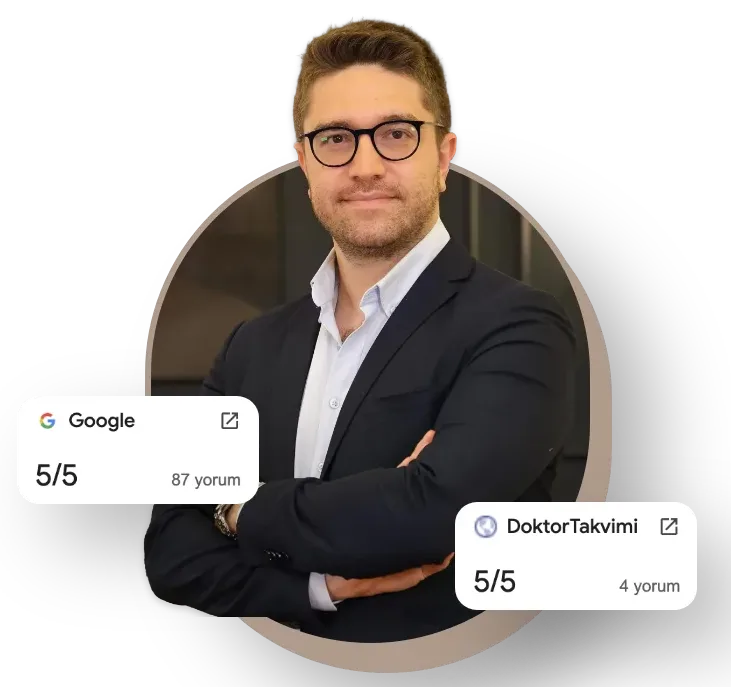
Op. Dr. Erman Ak is an internationally experienced specialist known for facial, breast, and body contouring surgeries in the field of aesthetic surgery. With his natural result–oriented surgical philosophy, modern techniques, and artistic vision, he is among the leading names in aesthetic surgery in Türkiye. A graduate of Hacettepe University Faculty of Medicine, Dr. Ak completed his residency at the Istanbul University Çapa Faculty of Medicine, Department of Plastic, Reconstructive and Aesthetic Surgery.
During his training, he received advanced microsurgery education from Prof. Dr. Fu Chan Wei at the Taiwan Chang Gung Memorial Hospital and was awarded the European Aesthetic Plastic Surgery Qualification by the European Board of Plastic Surgery (EBOPRAS). He also conducted advanced studies on facial and breast aesthetics as an ISAPS fellow at the Villa Bella Clinic (Italy) with Prof. Dr. Giovanni and Chiara Botti.
Op. Dr. Erman Ak approaches aesthetic surgery as a personalized art, tailoring each patient’s treatment according to facial proportions, skin structure, and natural aesthetic harmony. His expertise includes deep-plane face and neck lift, lip lift, buccal fat removal (bichectomy), breast augmentation and lifting, abdominoplasty, liposuction, BBL, and mommy makeover. He currently provides safe, natural, and holistic aesthetic treatments using modern techniques in his private clinic in Istanbul.