Deutsch
 Türkçe
 Nederlands
 Français
 Svenska

The pear body type is a body fat distribution pattern in which adipose tissue accumulates predominantly in the hips, saddlebags, and thigh areas, while the upper body appears narrower. The shoulders are narrower compared to the hips, the waistline is well-defined, and the fat ratio in the lower extremities is higher than in the upper body.
Pear body type characteristics are defined by narrow shoulders, a slim waist circumference, and a wide hip line. In this structure, weight gain typically occurs in the lower body; the legs appear fuller compared to the upper arms, and body proportions are bottom-heavy.
The question of how to identify a pear body type is answered through measurement ratios. A hip circumference that is significantly wider than the shoulder and chest circumference, a low waist-to-hip ratio, and fat accumulation concentrated in the lower body are distinguishing criteria.
Fat distribution in the pear body type is associated with hormonal and genetic factors. Under the influence of estrogen, fat cells tend to be stored in the lower regions; although this keeps metabolic risks lower compared to upper-body fat accumulation, it can lead to regional shape changes.
| Things You Should Know | Information |
| Definition of the pear body type | The pear body type is a body shape in which the hips, saddlebags, and thigh areas are wider compared to the upper body. The shoulders are generally narrow, and the waist is slim and well-defined. |
| Distinct physical features | Wide hips, narrow shoulders, a slim and defined waist, and a fuller lower body (saddlebags and thighs) compared to the upper body. |
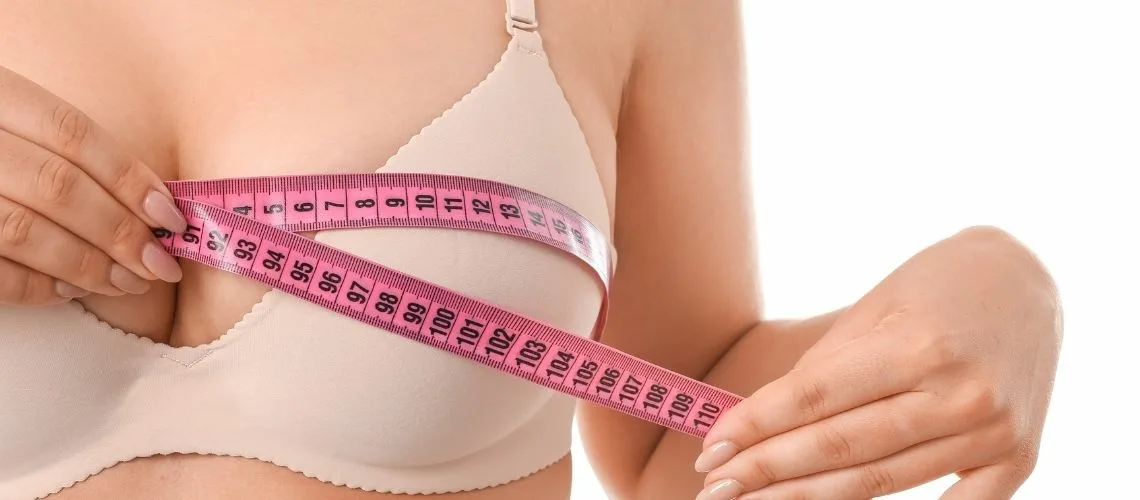
| How it is identified | It can be identified by standing in front of a mirror or by taking body measurements with a measuring tape. If the hip circumference is significantly larger than the chest and waist circumference, it may be a pear body type. |
| Body measurement ratio | Hip circumference > Chest circumference. Waist circumference is generally relatively small. |
| Gender in which it is common | It is more common in women than in men; due to the effect of the estrogen hormone, fat distribution is concentrated in the lower body. |
| Advantages | A slim waist circumference can create a healthy appearance. With proper clothing choices, the body can be made to look balanced. |
| Points to consider | Fat accumulation in the lower body may cause issues such as cellulite and varicose veins. Exercise programs should focus on shaping the lower body. |
| Suitable exercise types | Toning exercises targeting the hips, saddlebags, and legs (squats, lunges, walking, cycling) are recommended. Resistance exercises to strengthen upper body muscles are also beneficial. |
| Nutrition recommendations | A diet that balances blood sugar and supports estrogen balance is recommended. Sugary and refined carbohydrates should be avoided. |
| Clothing recommendations | Clothing that emphasizes the upper body (patterned, light-colored blouses, padded jackets) and keeps the lower body simple with dark-colored skirts and trousers should be preferred. |
Why Does the Pear Body Type Occur and Are Genetic Factors Effective?
One of the topics our patients are most curious about is why this body structure occurs. Most of the time, people tend to blame themselves, thinking it is the result of poor nutrition or inactivity. However, the situation is entirely related to your biological inheritance. The pear body type is a result of your genetic codes and hormonal balance.
The main determining factors in the formation of this body type are:
- Genetic inheritance
- Estrogen hormone
- Progesterone hormone
- Puberty period
- Pregnancy periods
Estrogen, which we know as the female hormone, is the main architect that determines the body’s fat storage map. Estrogen is biologically programmed to prepare women for fertility, pregnancy, and breastfeeding processes. For this reason, the body wants to create a “fuel depot” for the periods when energy will be needed most. The safest and metabolically most stable regions selected for this fuel depot are the hips, saddlebags, and thighs. Your body locks the fat in these areas like a bank vault and only makes it available in very special situations such as famine, pregnancy, or breastfeeding. In other words, the expansion in this region is not due to a lack of willpower but stems from your body’s biological protective instinct.
How Is the Pear Body Type Identified and What Are Its Symptoms?
To determine whether a person has a pear body type, there is no need for complex tests. Observation and simple clothing experiences provide the clearest diagnosis. However, clinically, we observe a significant difference in volume and circumference measurements between the upper and lower halves of the body. When these individuals gain weight, their faces or arms change very little, while their trousers begin to feel tight very quickly.
The characteristic physical features of this body type are as follows:
- Narrow shoulders
- Small or medium-sized breasts
- Thin and defined waist
- Flat abdominal area
- Wide pelvis
- Full hips
- Prominent saddlebags
- Thick thighs
This list outlines the classic picture of the pear type. Especially the pronounced waist indentation is the most important aesthetic advantage that distinguishes this body type from the apple type. In the apple type, the waist thickens and the abdomen protrudes; in the pear type, the waist remains the thinnest and most elegant part of the body. However, the widening of the hips and saddlebags can sometimes lead to inner thigh friction, difficulties in clothing selection, and aesthetic concerns.
What Are the Differences Between the Pear Body Type and Lipedema?
This is the most critical point. In many patients who come to the clinic saying “I can’t get rid of my saddlebags,” we may actually detect not just a structural width but a chronic fat tissue disease called “Lipedema.” Conversely, a patient who thinks they have lipedema may simply have a stubborn pear body type. Making this distinction is vital for the success of the treatment journey.
Lipedema is also known among the public as “painful fat syndrome.” Unlike the pear body type, the fat tissue accumulated in lipedema is pathological and associated with the lymphatic system. In a normal pear body type, touching your legs does not cause pain, and the skin is smooth. In lipedema, however, the situation progresses very differently.
The distinguishing symptoms of lipedema are:
- Pain in the legs
- Sensitivity to touch
- Easy bruising
- Cellulite-like appearance
- Cuffing at the ankles
- Feeling of swelling
- Cold skin
- Feeling of heaviness
In a normal pear body type, the legs become slimmer toward the ankles, creating an elegant transition. In lipedema, fat accumulation extends down to the ankle and ends abruptly like a sharp “cuff”; the feet are not swollen, but the ankles are thick. If you experience unexplained bruising on your legs, your legs feel heavy like logs at the end of the day, and while your upper body slims down with diet your legs do not reduce even by a millimeter, you should be evaluated for lipedema by a plastic surgeon. In both cases, the solution is surgical contouring, but in lipedema patients, much more delicate techniques must be applied to protect the lymphatic system.
Does the Pear Body Type Threaten Health?
From a medical perspective, the pear body type is considered much more benign and even protective compared to the “apple” (android) type. In the apple type, fat accumulates in the abdominal cavity, around the liver, stomach, and intestines. We call this “visceral fat.” This type of fat accumulation continuously releases fatty acids into the bloodstream, paving the way for insulin resistance, diabetes, high blood pressure, and heart attacks.
In contrast, the fats accumulated in the pear body type are “subcutaneous,” meaning under the skin. They do not compress internal organs or impair their function.
Health-related characteristics of gynoid (pear) fat distribution include:
- Low diabetes risk
- Low heart attack risk
- Less metabolic syndrome
- Hormonal protection
- Subcutaneous storage
Some scientific studies even suggest that fat tissue in the hips and thighs may secrete certain protective hormones (such as adiponectin) against atherosclerosis. In terms of metabolic health, having a pear-shaped body is therefore more advantageous than having an apple-shaped body. However, this does not eliminate the mechanical burdens caused by excess weight. Wide hips and thick legs can increase the load on the knees and hip joints over time, cause skin problems due to inner thigh friction, and lead to movement limitations. Therefore, being “metabolically healthier” does not mean that aesthetic and mechanical problems do not need to be addressed.
Why Are Diet and Exercise Often Not Sufficient for the Pear Body Type?
This is the greatest source of frustration for these patients. “I’ve been eating salads for months, working out four days a week; my face has hollowed, my ribs are visible, but my saddlebags are still right where they are.” We hear this sentence so often… This situation is not your fault or a failure on your part.
When your body loses weight, it does not work according to the principle of “spot reduction,” meaning regional fat loss. When a general energy deficit occurs, the body first uses the fat depots that are easiest to access and metabolically most active. These are usually the fats in the face, neck, chest, and upper abdomen. The fat cells in the hips and saddlebags, however, have a different receptor structure.
The reasons for fat resistance in this region are:
- Alpha receptor density
- Low blood circulation
- Hormonal locking
- Insulin sensitivity
- Genetic coding
Simply put, while the fat cells in your upper body have more beta receptors that give the “burn fat” command, the fat cells in your hips and saddlebags have far more alpha receptors that give the “store fat” command. As you diet and exercise, your body receives a “famine” signal due to survival instinct and begins to hold onto the hip fat even more tightly, seeing it as the most valuable energy reserve. That is why, no matter how much weight you lose, the stubborn protrusions and disproportions in that area usually remain permanent. This is exactly where modern plastic surgery comes into play to overcome the limits drawn by genetics.
How Is Vaser Liposuction Used in Shaping the Pear Body Type?
The traumatic procedures of the past, performed with coarse cannulas and requiring long recovery periods, are now history. When shaping the pear body type, our goal is not merely to vacuum out the fat but to give the body a new and proportionate form. We call this “body contouring” or “sculpting.” In this process, the technology we consider the gold standard is Vaser Liposuction.
Vaser is a highly advanced technology that uses ultrasonic sound waves. Its biggest difference from classical methods is that it is “tissue-selective,” meaning the emitted sound waves recognize and target only fat cells.
The advantages of Vaser technology are:
- Liquefies fat cells
- Preserves blood vessels
- Does not damage nerves
- Protects lymphatic channels
- Preserves connective tissue
- Less bruising
- Faster recovery
In the pear body type, the leg and hip regions are very rich in lymphatic circulation. When working with Vaser, we liquefy the solid fat with sound waves (emulsification) and gently remove it from the body, much like drawing melted butter. This allows us to avoid damaging important structures in the area. In addition, Vaser enables what we call “High-Def” work, allowing us to define the buttock curvature, reveal the shadows of leg muscles, and create a more athletic appearance. Since the extracted fat remains viable, if your upper body is very thin or if there is volume loss in your breast tissue, we can transfer this fat to those areas in the same session (fat injection) to perfectly balance body proportions.
Is J-Plasma Tightening Necessary in Pear Body Type Treatment?
The biggest fear of patients with a pear body type is “skin sagging” after fat removal. Especially the inner thigh skin is very thin and has low resistance to gravity. When a high amount of fat is removed, it can be difficult for the skin to adapt to this new, reduced volume. In the past, patients were advised to undergo “thigh lift” surgeries, which left long incision scars on the inner legs. However, we now have J-Plasma (Renuvion) technology.
J-Plasma is “cold plasma” energy formed by the combination of helium gas and radiofrequency energy. Immediately after the liposuction procedure, we enter beneath the skin through the same tiny entry points using this special device.
The effects of J-Plasma application are:
- Shortens connective tissue
- Tightens collagen
- Increases skin adaptation
- Prevents sagging
- Provides a smooth surface
You can liken this process to ironing a loose fabric from the inside to stiffen and shrink it. Thanks to J-Plasma, we ensure that the skin adheres tightly to the underlying tissues without the need to cut and remove it. In pear-type patients, especially combining Vaser with J-Plasma in the inner thigh and under-buttock (banana roll) areas is the key to achieving both slim and firm leg contours. This technology is our most important ally in avoiding large-incision surgeries.
What Is the Recovery Process Like After Pear Body Type Surgery?
The surgical process and its aftermath can sometimes seem overwhelming to patients. However, thanks to advanced anesthesia techniques and tissue-respecting methods like Vaser, the process is quite comfortable. The operation is performed under general anesthesia in a fully equipped hospital. We usually host our patients in the hospital for one night. This is our standard procedure to ensure fluid balance and increase comfort during the first night.
The stages of the recovery process are as follows:
- Use of a compression garment
- Early ambulation
- High water intake
- Protein-focused nutrition
- Lymphatic massages
- Regular follow-up
Immediately after surgery, you will be fitted with a custom compression garment that hugs your body. This garment is vital for closing the created spaces and controlling swelling. We recommend using it for approximately 4 to 6 weeks. Do not worry about pain; it is usually similar to muscle soreness rather than stabbing pain and is easily managed with simple painkillers.
We make sure our patients start walking 4–5 hours after surgery. Movement is the greatest ally of recovery. Most of our patients return fully to household activities within 3–4 days and can start desk jobs within 5–7 days. The resolution of swelling and the tissue taking its final shape takes time; swelling in the first weeks is completely normal. From the second week onward, we accelerate this process and ensure smooth tissue adaptation with lymphatic drainage massages.
Frequently Asked Questions
How is the pear body type identified?
The pear body type is defined by hips and saddlebags that are wider compared to shoulder and chest measurements. The waistline is well-defined, and the body has a silhouette that narrows from top to bottom. These proportions can be easily noticed by observing oneself in a mirror.
Is the pear body type genetic?
Yes, the pear body type is largely dependent on genetic factors. Having family members with similar body contours increases the likelihood of an individual having this body type. However, lifestyle and hormonal balance can also play a role.
How should people with a pear body type dress?
People with a pear body type should prefer clothing that emphasizes the upper body and balances the lower body. Blouses with shoulder details, light-colored tops, and dark-colored skirts or trousers are effective in achieving this balance.
How does the pear body type change with weight gain?
In this body type, weight gain generally concentrates in the saddlebags, hips, and thigh areas. The abdominal area is relatively less affected. This causes the lower body to become even more pronounced compared to the upper body.
How should weight loss be approached for the pear body type?
Both cardio and resistance exercises are important during weight loss. Reducing lower body fat while shaping the upper body provides a more balanced appearance. Diet should also be planned to support fat balance.
In which areas does fat accumulation occur in the pear body type?
Fat accumulation mainly occurs around the hips, saddlebags, and thighs. Cellulite formation is more common in these areas. The waist area usually remains slimmer, but excessive weight gain can affect it as well.
What health risks are associated with the pear body type?
Since fat accumulation in the pear body type is concentrated in the lower body, metabolic risks such as heart disease are lower compared to the apple body type. However, regional issues such as cellulite, varicose veins, and knee pain may occur.
How is the pear body type affected during pregnancy?
During pregnancy, women with a pear body type may gain more weight in the hip and saddlebag areas. Post-pregnancy recovery in these areas may be more difficult, while the waist area generally returns to its former shape more easily.
Which sports are suitable for the pear body type?
Exercises such as pilates, yoga, walking, and squats are suitable for the pear body type. These activities both tone the lower body and develop upper body muscles, providing a more balanced appearance.
Can the pear body type be changed with aesthetic surgery?
Yes, body proportions can be improved with aesthetic procedures such as liposuction or fat transfer. Interventions like waist slimming and hip reduction can make the pear-type silhouette more balanced.

Op. Dr. Erman Ak is an internationally experienced specialist known for facial, breast, and body contouring surgeries in the field of aesthetic surgery. With his natural result–oriented surgical philosophy, modern techniques, and artistic vision, he is among the leading names in aesthetic surgery in Türkiye. A graduate of Hacettepe University Faculty of Medicine, Dr. Ak completed his residency at the Istanbul University Çapa Faculty of Medicine, Department of Plastic, Reconstructive and Aesthetic Surgery.
During his training, he received advanced microsurgery education from Prof. Dr. Fu Chan Wei at the Taiwan Chang Gung Memorial Hospital and was awarded the European Aesthetic Plastic Surgery Qualification by the European Board of Plastic Surgery (EBOPRAS). He also conducted advanced studies on facial and breast aesthetics as an ISAPS fellow at the Villa Bella Clinic (Italy) with Prof. Dr. Giovanni and Chiara Botti.
Op. Dr. Erman Ak approaches aesthetic surgery as a personalized art, tailoring each patient’s treatment according to facial proportions, skin structure, and natural aesthetic harmony. His expertise includes deep-plane face and neck lift, lip lift, buccal fat removal (bichectomy), breast augmentation and lifting, abdominoplasty, liposuction, BBL, and mommy makeover. He currently provides safe, natural, and holistic aesthetic treatments using modern techniques in his private clinic in Istanbul.