Türkçe
Following the doctor’s recommendations after aesthetic surgery is vitally important for accelerating the recovery process and preventing complications. Although the recommendations vary depending on the type of operation, rest, hygiene, and medical follow-up generally constitute the first steps.
How should postoperative care be managed? During the first few days, cold compresses, keeping the head elevated, and avoiding physical activity are recommended to reduce swelling and bruising. Medications prescribed by the doctor should be taken regularly, and wound care should be performed under sterile conditions.
Nutrition and lifestyle changes affect recovery. Smoking and alcohol consumption may delay wound healing; therefore, these habits should be avoided during the postoperative period. Drinking plenty of water, following a protein-rich diet, and getting sufficient sleep increase the body’s resistance.
Why is it important not to miss follow-up appointments? The aesthetic surgeon monitors the recovery process at regular intervals and detects possible risks at an early stage. When necessary, the surgeon intervenes and helps ensure that results consistent with the patient’s expectations are achieved. Follow-up appointments must be attended.
The Importance of the First Days After Surgery
The first days after aesthetic surgery are the period when the body’s natural reactions to the operation are experienced most intensely. Swelling, bruising, mild pain, or a feeling of tightness are common during this process. Doctors generally state that these symptoms are temporary and should be regarded as part of the recovery process.
During this period, patients are advised to prioritize rest. Avoiding physical exertion, sudden movements, and strenuous activities supports tissue healing. Protecting the surgical area, taking the prescribed medications as recommended, and not missing follow-up appointments are also among the basic rules of the first few days.
Medication Use and Pain Management
Medication use has an important place among doctors’ recommendations after aesthetic surgery. Painkillers, antibiotics, or medications intended to reduce swelling are prescribed as deemed appropriate by the surgeon. Taking these medications regularly and at the prescribed doses both improves comfort and reduces the risk of possible complications.
Patients are advised to consult their doctor before using any medication or herbal product that has not been prescribed. Some supplements or painkillers may increase the risk of bleeding or negatively affect the recovery process. If an unexpected side effect related to medication is experienced, it is important to inform a healthcare professional without delay.
Nutrition and Fluid Intake
Postoperative nutrition is one of the supportive elements of the recovery process. Doctors generally recommend a balanced diet that is rich in protein and contains sufficient vitamins and minerals. Protein provides the building blocks required for tissue repair and contributes to the healing process.
Adequate fluid intake also plays an important role in the body’s recovery. Drinking water may help reduce swelling and maintain general well-being. Excessively salty foods, alcohol, and processed foods are recommended to be limited because they may increase swelling. The nutrition plan may be personalized according to the type of surgery and the patient’s general health condition.
Movement, Rest, and Returning to Daily Life
The question “When can I start moving?” is frequently asked by patients after aesthetic surgery. Doctors generally prioritize rest during the first few days but do not recommend remaining completely immobile for long periods. Light walking may support blood circulation and contribute to reducing the risk of blood clots.
The time required to return to daily life depends on the extent of the procedure, the surgical area, and the individual’s recovery rate. While some patients who work at desk jobs may return to work sooner, this period may be longer for jobs requiring physical exertion. At this point, it is important to follow individual medical recommendations rather than making comparisons such as “When did someone else return?”
Care and Hygiene of the Surgical Area
Hygiene is considered critical in postoperative care for reducing the risk of infection. Doctors generally provide detailed information about how dressings should be performed, how often they should be changed, and when the surgical area may come into contact with water. Following these instructions helps the recovery process progress in a healthy manner.
Sutures, bandages, or special protective garments such as compression garments or bras should be used for the period recommended by the surgeon. These materials support the tissues in healing in the correct position. It should be remembered that excessive redness, discharge, or increasing pain in the surgical area requires specialist evaluation.
Swelling, Bruising, and Processes Requiring Patience
The appearance after aesthetic surgery does not reach its final form immediately after the operation. Swelling and bruising, particularly during the first few weeks, may cause patients to feel concerned when looking in the mirror. Doctors emphasize that this situation is temporary and that the body recovers over time.
Cold applications, resting in the recommended position, and special bandages in some cases may help reduce these symptoms. However, it should also be considered that not every method may be suitable for every patient. Being patient and accepting that recovery is a process that takes time also helps patients feel psychologically more comfortable during this period.
The Role of Follow-Up Appointments and Specialist Evaluation
Regular follow-up appointments have an important place among doctors’ recommendations after aesthetic surgery. These appointments make it possible to evaluate whether recovery is progressing as planned. When necessary, the doctor may update care recommendations or suggest additional precautions.
Patients are encouraged to raise any questions they have during these appointments. It is considered healthier to rely on evaluations specific to their own surgery and body structure rather than general information obtained online. This is because the results of aesthetic surgery and recovery processes may vary from person to person.
The Psychological Process and Managing Expectations
The postoperative period may involve not only physical changes but also emotional changes. Some patients may experience impatience, anxiety, or temporary disappointment. Doctors state that these feelings are often a natural part of the process.
Proceeding with realistic expectations and accepting that recovery takes time may help patients experience this process in a more balanced way. When considered necessary, receiving psychological support may also be evaluated as an option. It should be remembered that clinical decisions and recommendations are always personalized.
Frequently Asked Questions
Why is it necessary to follow doctors’ recommendations after aesthetic surgery?
How long does it take for swelling and bruising to decrease after aesthetic surgery?
In which situations should a doctor be consulted after aesthetic surgery?
How does smoking affect recovery after aesthetic surgery?
What should be considered regarding nutrition after aesthetic surgery?
When can exercise and sports be resumed after aesthetic surgery?
Why is the use of compression garments or bandages important after aesthetic surgery?
Why is sun protection necessary after aesthetic surgery?
When are the final results seen after aesthetic surgery?
What should be considered psychologically after aesthetic surgery?
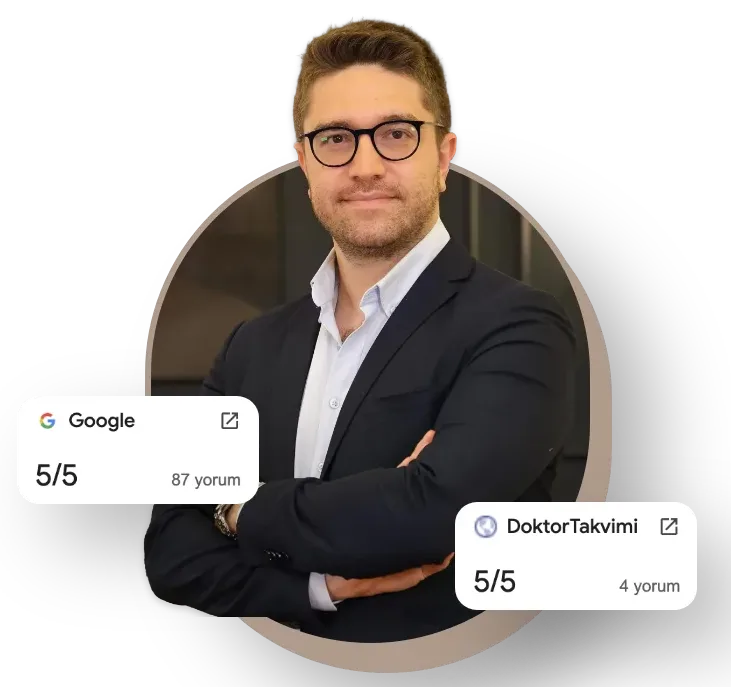
Op. Dr. Erman Ak is an internationally experienced specialist known for facial, breast, and body contouring surgeries in the field of aesthetic surgery. With his natural result–oriented surgical philosophy, modern techniques, and artistic vision, he is among the leading names in aesthetic surgery in Türkiye. A graduate of Hacettepe University Faculty of Medicine, Dr. Ak completed his residency at the Istanbul University Çapa Faculty of Medicine, Department of Plastic, Reconstructive and Aesthetic Surgery.
During his training, he received advanced microsurgery education from Prof. Dr. Fu Chan Wei at the Taiwan Chang Gung Memorial Hospital and was awarded the European Aesthetic Plastic Surgery Qualification by the European Board of Plastic Surgery (EBOPRAS). He also conducted advanced studies on facial and breast aesthetics as an ISAPS fellow at the Villa Bella Clinic (Italy) with Prof. Dr. Giovanni and Chiara Botti.
Op. Dr. Erman Ak approaches aesthetic surgery as a personalized art, tailoring each patient’s treatment according to facial proportions, skin structure, and natural aesthetic harmony. His expertise includes deep-plane face and neck lift, lip lift, buccal fat removal (bichectomy), breast augmentation and lifting, abdominoplasty, liposuction, BBL, and mommy makeover. He currently provides safe, natural, and holistic aesthetic treatments using modern techniques in his private clinic in Istanbul.