Türkçe
Neck wrinkles and sagging refer to the loss of firmness and downward displacement of the area between the underside of the chin and the chest as a result of reduced cellular support, gravity, and tissue laxity. A comprehensive treatment approach involves integrating non-surgical tightening devices, medical injections, or neck lift surgery in advanced deformities according to the patient’s current needs. This region should be evaluated as a whole together with facial aesthetics because it directly determines the overall appearance and profile dynamics. To achieve a healthy, smooth, and natural contour, personalized repair plans that target the underlying structural needs are of great importance rather than relying only on superficial cosmetic touches.
Why Do Neck Wrinkles and Sagging Develop Faster Than on the Face?
The skin of the neck has much thinner outer and middle layers compared with other parts of the body, especially the face. Essential support structures such as sebaceous glands, sweat glands, and hair follicles, which help the skin remain moisturized, elastic, and youthful, are relatively sparse in this area. The limited presence of these structures significantly reduces the skin’s ability to protect itself against external factors and regenerate after damage.
Years of direct exposure to sunlight weaken the structural integrity of collagen and elastin fibers. In addition, modern posture habits such as constantly bending the head toward smartphones and computer screens accelerate the formation of skin folds. When all these disadvantaged cellular characteristics and environmental factors come together, the repair rate of the cells in the area slows down. While this slowdown creates the conditions for signs of aging to become visible much sooner, it may also prolong the tissue recovery period after a medical procedure compared with the face.
What Is the Role of the Platysma Muscle in the Development of Neck Wrinkles and Sagging?
The structure that forms the aesthetic foundation of this region and acts almost like a shield is a broad and very thin muscle layer called the platysma. Beginning at the collarbones and spreading like a fan toward the jawline and lower face, this muscle also contributes to facial expressions. At a young age, it surrounds the tissues like a firm corset and helps keep them elevated, but over the years it gradually loosens under the influence of gravity.
The anatomical arrangement of the platysma muscle may vary genetically between individuals. In most people, the muscle fibers extending from both sides of the neck cross and join beneath the chin along the midline. In individuals with this anatomical structure, aging tends to progress in a relatively balanced manner. However, in some people these fibers do not meet at the midline. In those with this structural feature, the muscle relaxes with age and prominent, thick, vertical muscle bands begin to appear in the center of the neck. These bands are among the details that most strongly increase the perception of aging and may become a determining factor in shifting the treatment plan toward surgery.
The muscle structures targeted in aesthetic procedures include:
- Platysma muscle
- Neck fascia
- Submental support tissues
What Should the Ideal Angle Be in the Treatment of Neck Wrinkles and Sagging?
One of the most important indicators of a youthful and dynamic profile is the curve at the junction of the chin and neck, known as the cervicomental angle. From an aesthetic perspective, this angle is generally targeted to measure between 90 and 105 degrees. This sharpness enhances the definition of facial contours and makes the jawline more prominent.
The position of the hyoid bone and thyroid cartilage within the skeletal framework plays a critical role in the formation of this angle. When the hyoid bone is located in its ideal position relative to the cervical spine, the jawline appears smooth and well defined. However, in individuals whose genetic anatomy places this bone lower, the chin and neck may appear blended together with a blunt contour regardless of how slim the person is. In addition, fat deposits located in the deeper planes above and below the muscle may contribute to double-chin formation and disrupt this angle.
Through Which Stages Do Neck Wrinkles and Sagging Progress?
To evaluate the aging process objectively and create an appropriate treatment roadmap, a five-stage classification system is frequently used in professional assessments. This system evaluates not only the external skin but also the underlying bony angle and fat accumulation.
The main stages used in the evaluation are:
- Stage one
- Stage two
- Stage three
- Stage four
- Stage five
In stage one, the angle between the chin and neck remains intact and no significant skin laxity is observed; only mild fat accumulation begins beneath the chin. In stage two, the angle starts to widen slightly, and the first fine wrinkles and loss of skin quality become noticeable. In stage three, the angle becomes blunt, skin sagging can be clearly felt, and fat accumulation extends farther downward. By stage four, the line between the tip of the chin and the chest begins to flatten, and severe skin excess is present. In stage five, the most advanced stage, the neck curves completely outward, the jawline disappears, and a pronounced herniated appearance develops. Treatment approaches are shaped according to the requirements of these stages.
What Are the Non-Surgical Methods for Early-Stage Neck Wrinkles and Sagging?
In patients who are still in the early stages of aging or who are waiting for the appropriate time for surgery, advanced non-surgical treatment protocols performed in clinical settings may be used. These procedures mainly aim to increase reduced cellular activity, soften fine lines, and create a firmer tissue structure.
Commonly used substances include:
- Hyaluronic acid
- Calcium hydroxyapatite
- Polylactic acid
- Botulinum toxin
- Deoxycholic acid
Toxin applications are particularly used to soften the appearance of vertical bands caused by muscle hyperactivity. Small injections applied to the jawline and relevant neck muscles weaken the downward-pulling force of the muscle and help the upward-pulling facial muscles work in a more balanced manner. For the treatment of horizontal lines, moisture-supporting fillers are used to increase the skin’s water-retaining capacity. Special injections that break down specific enzymes or the membranes of fat cells and facilitate their removal through the body’s natural lymphatic pathways may be used to reduce localized and stubborn fat deposits in the double-chin area.
What Are the Laser and Ultrasound Procedures Used in the Treatment of Neck Wrinkles and Sagging?
Devices that trigger the healing process by using focused energy beneath the tissues without making any surgical incision are frequently preferred today. Through the heat they deliver beneath the skin, these systems create a biological signal that stimulates the synthesis of new collagen and elastin fibers.
The main energy sources used include:
- Ultrasound
- Radiofrequency
- Light energy
- Laser
High-intensity focused ultrasound systems aim to reach the deeper fascial and muscle layers where surgical procedures are performed without damaging the surface skin. The controlled microthermal points created in these layers initiate the tissue’s self-repair process. Microneedling radiofrequency devices, also known as gold needle treatments, deliver heat through insulated needles capable of reaching different layers of the skin. This heating supports the contraction of loosened fibers and helps the skin appear smoother. The effects of these procedures emerge gradually over time as the tissues remodel and provide long-term support.
What Are the Treatments for Pigmentation Problems Seen Together With Neck Wrinkles and Sagging?
The décolletage and neck areas, which are directly exposed to sunlight for years, commonly develop not only structural laxity but also pigmentation irregularities, freckles, and textural roughness. Because the healing capacity of this region is more limited than that of the face, pigmentation treatments require a much gentler and more gradual protocol.
Medical products in cream form that help regulate melanin production and support skin renewal may first be used according to a specific plan. Mild acid-based peeling solutions may be applied to remove the dead surface layer and support the formation of fresher tissue. For sunspots, redness caused by fine capillaries, or prominent color irregularities, targeted light systems and laser devices using different wavelengths are preferred. These applications are generally planned in sessions to help the skin achieve a healthier and more even tone.
What Are the Surgical Methods for Advanced Neck Wrinkles and Sagging?
In advanced stages where non-surgical and energy-based procedures can no longer provide sufficient physical support, the muscle structure has completely separated along the midline, and skin sagging has become severe, surgical interventions become the primary option for a permanent and structural solution. Muscles function almost like supporting columns, and when these columns give in to gravity, external treatments alone are no longer sufficient.
The main surgical techniques used include:
- Deep-plane dissection
- Corset platysmaplasty
- Cervicoplasty
- Z-plasty
- Endoscopic intervention
The fundamental principle of contemporary surgical approaches is not merely to tighten and remove the loosened outer skin but to repair the underlying muscle and fascial tissues, which are the true source of aging. Through incisions beginning in front of the ear and extending into the hair-bearing scalp, together with a small incision usually made beneath the chin to reach the midline, the separated muscle fibers are brought together. The muscle layer is reshaped in a manner similar to tightening the laces of a corset. The excess skin is then measured with a natural drape and removed without creating tension. In some elderly patients with severe skin excess, highly effective results may also be achieved with zigzag incisions made directly along the midline to distribute tension.
What Preparations Are Required Before Surgery for Neck Wrinkles and Sagging?
For these detailed surgical procedures to be performed successfully and for postoperative wound healing to progress properly, the patient must strictly follow certain medical rules during the preoperative period. Preserving vascular quality and tissue nutrition is one of the most critical steps in this process.
Some substances that should be stopped or avoided before the procedure include:
- Smoking
- Electronic cigarettes
- Aspirin
- Ibuprofen
- Green tea
- Garlic
- Vitamin E
Because of the chemicals they contain, tobacco products constrict capillaries and significantly reduce the amount of oxygen reaching the tissues. This is one of the greatest risk factors for skin loss (necrosis) and poor scar healing after surgery. For this reason, patients are asked to stop smoking completely for a certain period before the procedure. Similarly, medications with blood-thinning effects, pain relievers, and various herbal supplements are discontinued under specialist supervision to control the risk of leakage or bleeding during and after surgery.
What Is the Recovery Process Like After Surgery for Neck Wrinkles and Sagging?
After the surgical procedure is completed, a careful recovery period is planned to restore tissue integrity and enable the patient to return to daily life. Swelling and a feeling of tightness, which are natural reactions of the body, gradually decrease and disappear over time with proper guidance.
Some supportive measures used during recovery include:
- Silicone drains
- Special medical bandages
- Double pillows
- Sunscreens
- High-SPF protective products
Immediately after surgery, very thin tubes may be placed between the tissues to prevent fluid accumulation beneath the skin. Once these drains have completed their function within a short period, they are removed painlessly. Keeping the head elevated above the body during the first days allows swelling to disperse much faster with the help of gravity. A mild firmness, numbness, or feeling of tightness in the neck during the early period is expected and natural. The use of protective creams is extremely important to prevent scars from darkening due to sun exposure. Achieving the final softness of the tissues and the full appearance of the intended result is a gradual process that may take several months.
Why Is a Compression Garment Worn After Surgery for Neck Wrinkles and Sagging?
Medical compression garment use is one of the keys to physical recovery, particularly after neck lift surgery and procedures in which fat is removed from the double-chin area. After the surgeon separates the skin from the underlying muscle tissue and performs the required reshaping, a potential space remains between these two layers.
The main benefits provided by the medical compression garment include:
- Closing the dead space
- Suppressing fluid accumulation
- Bringing the tissues closer together
- Supporting the new jawline
- Balancing the distribution of swelling
By applying uniform and consistent mechanical pressure from the outside, the garment helps the released skin adhere smoothly and evenly to the newly shaped muscle layer without waves or irregularities. Because it mechanically suppresses microscopic leakage from capillaries, it significantly reduces the risk of bruising and swelling. It also protects the tissue like a supportive mold so that the ideal ninety-degree angle created during surgery is not disrupted during healing. The duration and frequency of use are gradually reduced over the following weeks in parallel with the increasing strength of tissue adhesion.
What Are the Possible Risks of Surgery for Neck Wrinkles and Sagging?
Although the safety of these operations is extremely high thanks to modern surgical principles and advanced medical equipment, every surgical procedure naturally involves certain standard situations that must be managed carefully. The body may produce various responses during tissue separation and reconstruction.
Potential conditions that may occur include:
- Fluid accumulation
- Temporary loss of sensation
- Asymmetrical swelling
- Wound-healing problems
- Localized hair loss
In the early hours after surgery, blood may rarely accumulate beneath the tissues; this is generally detected during routine examinations and brought under control quickly. Because the neck contains a dense network of fine nerves, temporary numbness around the earlobes or mild asymmetry in the movements of the lower lip may occur after surgery. These neurological responses usually return to normal function spontaneously over several months as the tissues heal. The risk of infection is largely minimized through preventive medication protocols. Temporary hair loss around incision areas close to the scalp also tends to improve as the follicles recover over time.
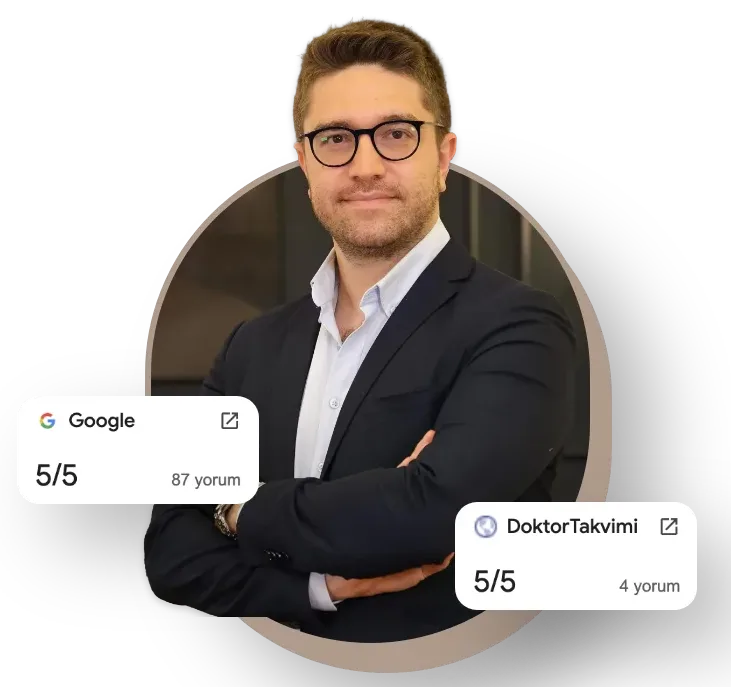
Op. Dr. Erman Ak is an internationally experienced specialist known for facial, breast, and body contouring surgeries in the field of aesthetic surgery. With his natural result–oriented surgical philosophy, modern techniques, and artistic vision, he is among the leading names in aesthetic surgery in Türkiye. A graduate of Hacettepe University Faculty of Medicine, Dr. Ak completed his residency at the Istanbul University Çapa Faculty of Medicine, Department of Plastic, Reconstructive and Aesthetic Surgery.
During his training, he received advanced microsurgery education from Prof. Dr. Fu Chan Wei at the Taiwan Chang Gung Memorial Hospital and was awarded the European Aesthetic Plastic Surgery Qualification by the European Board of Plastic Surgery (EBOPRAS). He also conducted advanced studies on facial and breast aesthetics as an ISAPS fellow at the Villa Bella Clinic (Italy) with Prof. Dr. Giovanni and Chiara Botti.
Op. Dr. Erman Ak approaches aesthetic surgery as a personalized art, tailoring each patient’s treatment according to facial proportions, skin structure, and natural aesthetic harmony. His expertise includes deep-plane face and neck lift, lip lift, buccal fat removal (bichectomy), breast augmentation and lifting, abdominoplasty, liposuction, BBL, and mommy makeover. He currently provides safe, natural, and holistic aesthetic treatments using modern techniques in his private clinic in Istanbul.