Türkçe
When you gain weight after tummy tuck surgery, new stretch marks form on your surgically tightened skin, your abdominal muscles tightened from the inside are strained and loosen under increasing pressure, and excess fat accumulates disproportionately in surrounding areas such as the waist, hips, or back instead of the abdominal area. The smooth and flat silhouette gained for your body through the abdominoplasty operation cannot adapt by stretching to this mechanical pressure created by the new weight. The changing dynamics of the fat cells permanently removed from the abdominal wall pave the way for deformities that will disrupt the general aesthetic balance of your body. Preserving this new and flawless form gained on the operating table for years depends entirely on your discipline in maintaining your ideal weight.
What Does Tummy Tuck Surgery Actually Change in Our Body and Why Is Weight Important?
Understanding what tummy tuck surgery changes in our body is the key to understanding why weight plays such a vital role afterward. This procedure is not a simple surface cleaning in which sagging skin is merely cut away. It is a comprehensive restoration in which three different layers of the abdominal wall are intervened on at the same time, almost like rebuilding a building from its foundation to its roof.
The first layer is the skin. That tired skin layer, which has lost its ability to stretch due to pregnancy, aging, or extreme weight changes in the past and has become wrinkled like a deflated balloon, is removed from the body. The remaining healthy upper skin is pulled downward and fixed to create a flat surface. The second layer is the fat tissue under the skin. Stubborn fat cells that distort the shape of the abdominal area and resist diet and exercise are permanently removed from where they are located.
The third and perhaps most important layer is the muscle layer. The abdominal muscles, which have loosened over the years, moved away from each other, and opened in the middle, are sewn back together in the midline with very strong sutures. You can think of this as a permanent and invisible corset placed on the abdominal area from the inside, correcting the body’s posture and holding the internal organs back. This new three-dimensional architecture is specially designed according to the existing body measurements during surgery. This new, tight, and millimetrically adjusted structure of the body does not have extra stretch capacity to carry a new load, that is, excessive weight gain.
What Happens to the Skin When Weight Is Gained After Tummy Tuck Surgery?
Tightened abdominal skin is like a fabric that has been stretched to its limits and smoothed out. The exact reason it looks flawless and flat is this tension. However, fat tissue that starts to accumulate again under the skin begins to create a constantly growing volume from the inside outward and puts pressure on this tight skin. There are very special fibers called collagen and elastin that allow our skin to stretch. In its natural state, the skin can stretch slowly, but these fibers, which have already been stretched to their limit by surgery, become helpless in the face of new weight gain.
Fibers that cannot withstand the pressure of fat coming from inside begin to break and tear at a micro level after a while. The external appearance of these tears is the skin stretch marks we all know. Moreover, this process becomes even more upsetting when the person wants to lose weight again. When the fat inside melts away, the skin whose fibers have already broken can no longer return to its former firm and tight state. With the merciless effect of gravity, that beautiful tight abdomen is replaced again by sagging, wavy, and deflated skin tissue.
The changes that may be observed in the skin during this process are as follows:
- Stretch marks
- Sagging
- Thinning
- Loosening
- Folding
- Waviness
How Does Weight Gain Affect the Tummy Tuck Surgery Scar?
One of the most obvious indicators of a successful operation is the scar hidden inside the underwear, which turns into a very thin and faint line over time. An incredibly delicate balance works while incisions in our body heal. The wound edges are brought together, and cells build a bridge to attach these two sides to each other. If this healing process takes place in a relaxed and tension-free environment, the resulting scar becomes almost unnoticeable.
However, weight gain is like heavy trucks suddenly driving over this delicate bridge. As the fat accumulated in the abdominal area swells the skin in every direction, a very serious tension force forms over that thin scar in the lowest part. When our body perceives this danger of opening, it goes into defense by saying, “so that my wound does not open, let me patch this area with a thicker and harder tissue.” Excessively produced healing cells turn that delicate scar into an aesthetic problem.
Problems that may occur in a scar exposed to excessive tension are as follows:
- Widening
- Thickening
- Elevation
- Redness
- Purple discoloration
- Itching
- Hardening
Does Weight Gained After Tummy Tuck Bring Back the Old Fat?
The working logic of fat cells in the human body is the basic rule that determines where weight gain will go. In an adult human, the number of fat cells is fixed; only the volume of these cells changes. You can think of this as storage boxes in your body. When you gain weight, new boxes are not produced; the existing boxes fill with fat and swell. When you lose weight, the boxes do not disappear, only their contents empty and they shrink.
During surgery, a very large portion of these storage boxes on the front abdominal wall are physically cut away or vacuumed out of the body. Since there are not enough cells left in the abdominal area to store fat, even if you gain weight after surgery, your belly cannot become layered with fat and reach enormous sizes as before. However, although this may seem like an innocent advantage, it creates a dangerous aesthetic result. The body must store that excess energy somewhere, and because the abdominal area is not suitable, fat almost rushes to the surrounding areas that have not been intervened on. As a result, while the abdominal area remains flat, severe and disproportionate thickening begins in the surrounding areas.
The areas where excess fat may mainly be directed are as follows:
- Back
- Hips
- Waist
- Buttocks
- Arms
- Legs
- Shoulders
How Does Visceral Fat Formed with Weight Gain Disrupt the Tummy Tuck Result?
No matter how perfectly aesthetic operations are performed, the depth a surgeon can reach is limited to just above the muscle layer. The area around the stomach, liver, and intestines located under the muscle layer, deep in the abdominal cavity, is not a surgical intervention area. However, when unhealthy eating and a continuous calorie surplus continue, the body begins an insidious and dangerous fattening process precisely in this area, that is, around the internal organs.
As the fat mass around the internal organs grows, the pressure in the abdominal cavity increases. This enormous volume relentlessly pushes the carefully sewn abdominal muscles and tightened skin outward, just like a car tire inflated from the inside. Even if there is no fat under the skin and your skin remains as thin as paper, your abdomen becomes round, hard, and bulging outward due to this huge pressure coming from inside. This appearance, which we aesthetically call “barrel abdomen,” completely eliminates that thin waist curve. Moreover, this condition not only disrupts appearance, but also gives very serious health alarms.
The medical risks increased by visceral fat are as follows:
- Diabetes
- Hypertension
- Insulin
- Liver
- Heart
What Happens to the Muscles Sewn During Tummy Tuck When Weight Is Gained?
A truly and permanently flat abdominal appearance depends on how strong the muscles inside are. During surgery, with the logic of an “internal corset,” the abdominal muscles that have separated from each other over the years are brought back side by side in the midline and sewn with very strong medical sutures. These internal sutures restore the biomechanical strength of the abdominal wall and allow the waist to become slimmer.
However, weight gain and the growth of the internal organs by becoming fatty, which we mentioned above, begin to push this muscle layer outward from the inside with incredible force. You can think of this as the load placed on the zipper of a suitcase that has been stuffed with too many items and forced closed. As intra-abdominal pressure increases, the muscle tissue through which these sutures pass begins to be strained. In the face of this continuous and increasing mechanical stress, the threads can cut through the muscle tissue almost like a cheese wire, or the knots can loosen. At this point, the muscles separate from each other again and that tight abdominal wall support provided by surgery completely collapses.
Problems that may occur in the weakened abdominal wall are as follows:
- Separation
- Hernia
- Pain
- Posture
- Bloating
Is It Possible to Gain Weight and Become Pregnant After Tummy Tuck Surgery?
The female body has a tremendous capacity to stretch and adapt in order to grow a new life inside. From a medical point of view, having had tummy tuck surgery before is absolutely not an obstacle to becoming pregnant or to the healthy development of the baby. The uterus finds room to grow, and pregnancy can continue in its normal course. However, if we look at the issue from the perspective of the permanence of aesthetic surgery, the pregnancy process is the most severe and most extreme “weight gain and expansion” scenario that the abdominal area can experience.
When the baby growing over the months, the expansion of the uterus, increased body fluids, and the tissue-loosening effect of pregnancy hormones come together, the abdominal wall is exposed to incredible tension. The internal sutures that the surgeon placed so carefully may naturally stretch or loosen in order not to damage the tissue in the face of this tremendous physiological growth. The tightened outer skin cannot prevent stretch marks and fiber tears in the face of this rapid expansion. After the birth process is completed, that desired flat abdominal appearance will most likely turn back into sagging skin, a worn muscle structure, and new stretch marks. Therefore, for that beautiful result obtained to remain intact for a lifetime, the ideal timing for this operation is the period when family planning is completed, meaning when a new pregnancy is no longer being considered.
The factors that strain the abdominal area during pregnancy are as follows:
- Uterus
- Hormones
- Fluid
- Fat
- Pressure
How Should the Nutrition Process Be to Avoid Weight Gain After Tummy Tuck?
A magnificent surgical operation can create miracles, but preserving this miracle begins entirely in the patient’s kitchen. It is essential to permanently change eating habits for the body to adapt to its new shape, for wounds to heal smoothly, and especially to prevent visceral fat. This should not be a short-term diet, but a new lifestyle in which the body is respected.
Especially in the first months after surgery, the body is in full repair mode. It needs quality building blocks to close wounds, remove edema, and produce new tissue. At the same time, harmful foods that spike the insulin hormone and give the body the command to “store fat immediately” must definitely be avoided. Drinking plenty of water during the day is the most natural and effective method that accelerates the filtering and removal from the body of that trapped excess fluid between the tissues (edema).
Foods that should be avoided are as follows:
- Sugar
- Flour
- Chips
- Cola
- Sausage
- Fat
Foods recommended to increase consumption are as follows:
- Salmon
- Chicken
- Egg
- Spinach
- Lentils
- Oats
How Should Exercise Be Done for Weight Control After Tummy Tuck Surgery?
Physical activity should be an inseparable part of our lives in order to keep weight under control and to make that slim silhouette more defined. However, it should not be forgotten that the body is going through a serious repair process, and returning to exercise should not be random but very conscious and gradual. In the first days immediately after surgery, the purpose is not to burn calories, but to keep blood circulation active and prevent clot formation. Therefore, those short, slow walks inside the house, performed in a slightly forward-bent position so as not to strain the sutures, are worth gold.
As the weeks progress, the tissues adhere, healing accelerates, and a more active pace can be adopted. Light-paced walks outside gradually wake up the muscles. After months pass, a full exercise routine can be resumed. However, there is a very critical limit: heavy abdominal exercises such as sit-ups that directly strain the abdominal muscles and pull on those careful internal sutures. It takes months for the body to become ready for such movements and for the tissue inside to become as solid as concrete, and they must definitely be started with doctor approval.
Some exercises considered safe are as follows:
- Walking
- Swimming
- Cycling
- Pilates
- Yoga
What Corrections Can Be Made If Excessive Weight Gain Occurs After Tummy Tuck?
Sometimes life does not go as we planned. Due to stress, unexpected health problems, or hormonal fluctuations, a person may gain serious weight years after surgery and then lose that weight again. After these fluctuations, the abdominal area may loosen and deform again as if that successful surgery had never been performed. When faced with such a picture, it is unnecessary to feel that “there is nothing left to do.” Because secondary repair (revision) options offered by aesthetic surgery are available to restore this lost form.
The single and definite rule for starting these correction procedures is that the patient must have returned to their ideal and healthy weight and must be able to maintain this weight steadily without fluctuation for at least six months. After the body’s balance is established, many different paths can be followed, such as a limited intervention if there is only a small excess, fat removal procedures if there are regional fat deposits, or removing the scar and closing it again with a hidden suture if the scar has widened significantly.
Revision procedures that can be applied are as follows:
- Mini lift
- Liposuction
- Revision
- Correction
- Repair
Which Special Tummy Tuck Techniques Reduce the Effects of Weight Gain?
Technological developments in the aesthetic world and refinements in surgical approaches now aim not only to create instant beauty, but also to make this beauty resistant like armor against minor weight changes that may occur in the future. Some advanced techniques that go beyond classical methods secure the body’s new form almost with invisible wires.
For example, when advanced devices using ultrasonic sound waves or laser energy are involved instead of merely vacuuming fat, the tissue under the skin heats and contracts. This heating enormously triggers collagen production, which enables the skin to repair and tighten itself. Thus, the skin adheres to the underlying muscle tissue much more strongly and tightly. In addition, special progressive suture techniques used when closing the skin, which distribute all tension equally over a wide area instead of placing it on a single line, create a tremendous safety net that prevents the main scar from opening in minor weight gains.
Some advanced techniques that can be used are as follows:
- Vaser
- Laser
- Radiofrequency
- Meshes
- Corsets
Why Is Weight Fluctuation Risky in Tummy Tuck Surgeries After Sleeve Gastrectomy?
For people who lose fifty, sixty, or even more kilograms after bariatric operations such as stomach reduction, tummy tuck is not a luxury but a physiological necessity to get rid of the huge sagging skin layers. However, this patient group is metabolically the most sensitive group and the group whose body measurements change the fastest. Therefore, the timing of this surgery must be flawless. Surgery performed hastily before reaching the target weight, while body weight has not yet stabilized, leads to major disappointments.
If the person undergoes surgery before reaching their target weight and continues to lose weight afterward, as the fat inside melts away, that tightened skin will empty and sag again. A second surgery becomes inevitable. Even more dangerously, if the person loses control of eating after surgery and gains excessive weight again, the skin and muscle tissue, which have already become thinner, have weakened circulation, and have decreased quality after that enormous mass loss in the body, can never carry this new load. Severe risks such as complete opening of the sutures, bursting of hernias, and tissue loss are experienced much more harshly in this group.
Additional risks seen in those who experience massive weight loss are as follows:
- Sagging
- Nutrition
- Circulation
- Healing
- Infection
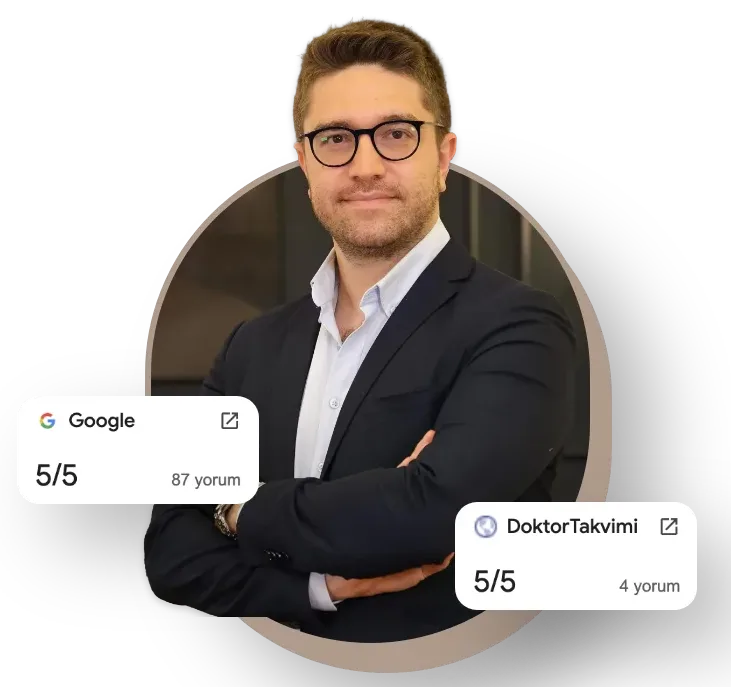
Op. Dr. Erman Ak is an internationally experienced specialist known for facial, breast, and body contouring surgeries in the field of aesthetic surgery. With his natural result–oriented surgical philosophy, modern techniques, and artistic vision, he is among the leading names in aesthetic surgery in Türkiye. A graduate of Hacettepe University Faculty of Medicine, Dr. Ak completed his residency at the Istanbul University Çapa Faculty of Medicine, Department of Plastic, Reconstructive and Aesthetic Surgery.
During his training, he received advanced microsurgery education from Prof. Dr. Fu Chan Wei at the Taiwan Chang Gung Memorial Hospital and was awarded the European Aesthetic Plastic Surgery Qualification by the European Board of Plastic Surgery (EBOPRAS). He also conducted advanced studies on facial and breast aesthetics as an ISAPS fellow at the Villa Bella Clinic (Italy) with Prof. Dr. Giovanni and Chiara Botti.
Op. Dr. Erman Ak approaches aesthetic surgery as a personalized art, tailoring each patient’s treatment according to facial proportions, skin structure, and natural aesthetic harmony. His expertise includes deep-plane face and neck lift, lip lift, buccal fat removal (bichectomy), breast augmentation and lifting, abdominoplasty, liposuction, BBL, and mommy makeover. He currently provides safe, natural, and holistic aesthetic treatments using modern techniques in his private clinic in Istanbul.