Türkçe
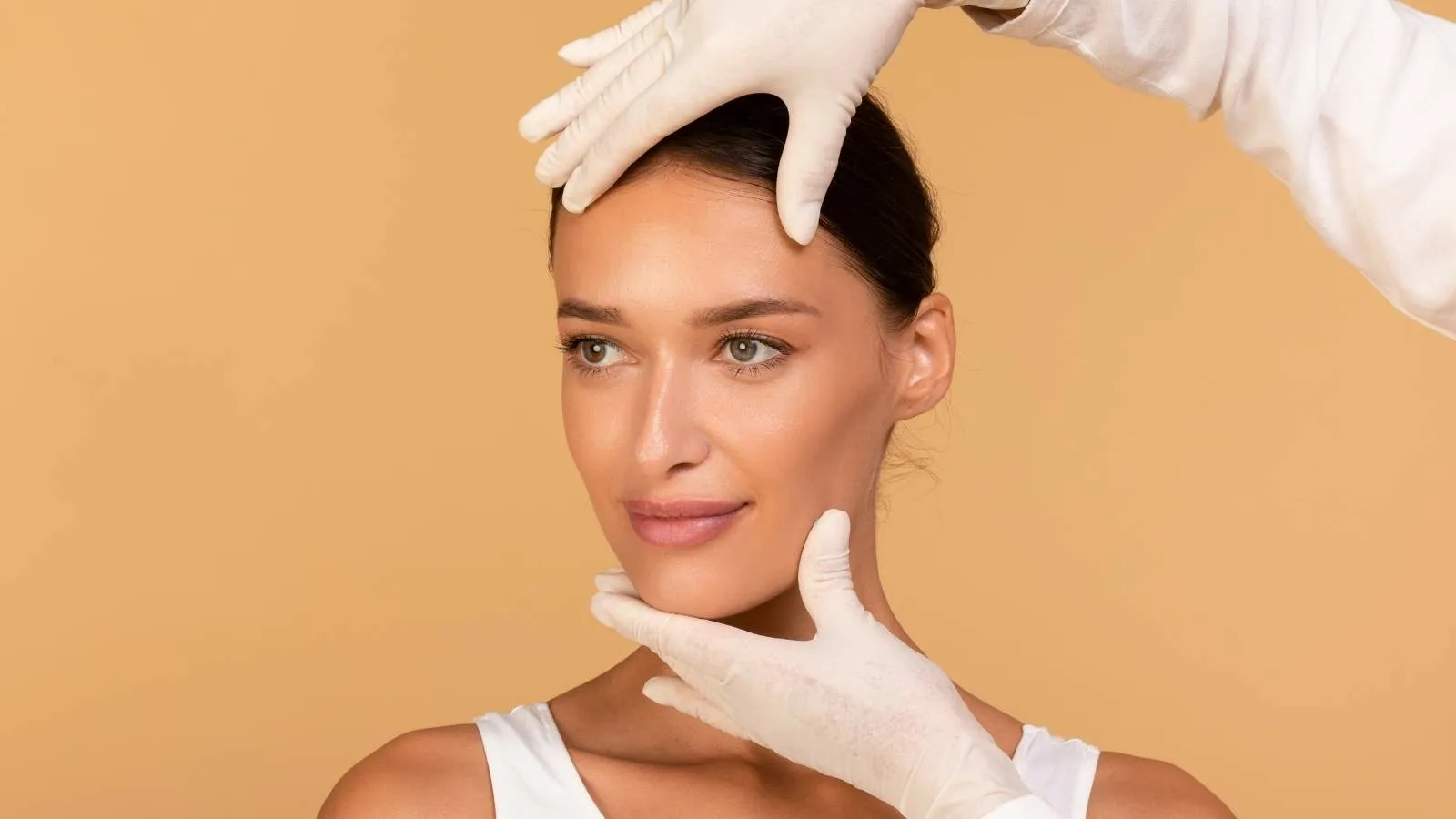
To eliminate forehead wrinkles, toxin injections, hyaluronic acid-based dermal fillers, stem cell-supported mesotherapy procedures, energy-based devices such as gold needle treatments, and, in more advanced cases, endoscopic forehead lift surgeries that offer a permanent solution are applied. This area, where signs of fatigue and aging first become noticeable on the face, gradually loses its elasticity and begins to permanently retain the marks of repeated facial expressions. Erasing these unwanted horizontal or vertical grooves that appear on the skin surface restores a lively, bright, and well-rested expression to the face. The treatment method to be preferred is planned entirely according to your skin structure and existing degree of sagging, creating highly natural results.
Why and How Do Forehead Wrinkles Form Anatomically?
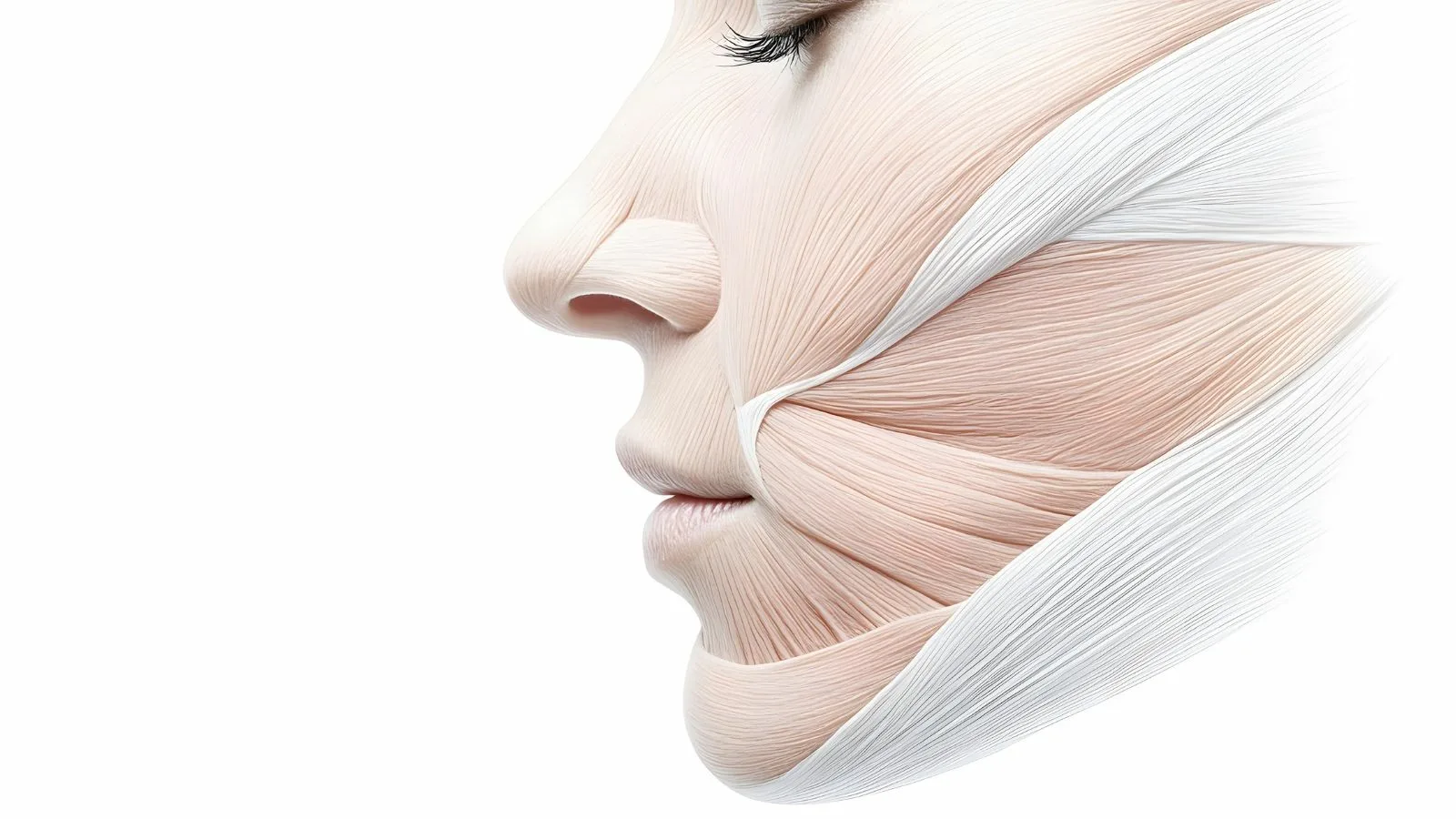
To better understand forehead rejuvenation approaches, it is first highly useful to understand the multilayered structure of this area and the movements of the muscles beneath the skin. When the structure of the upper face is examined, it can be seen that the layers of the scalp and forehead are classified in an order known in the medical world as “SCALP.” From the outside inward, this structure consists of the skin, subcutaneous connective tissue, a membrane-like structure surrounding the muscles, looser connective tissue, and finally the membrane surrounding the bone. The muscle groups in the forehead area work in great harmony between these layers and support the formation of our facial expressions.
The main factor in the formation of horizontal lines in the forehead area is the vertically oriented forehead muscle called the “frontalis.” This muscle begins above and extends downward, integrating with other structures at eyebrow level. When making a surprised facial expression, meaning when the eyebrows are raised upward, this muscle contracts and folds the skin over it like an accordion. These folds appear as horizontal lines on the forehead.
In the area between the two eyebrows, there are muscle groups that primarily form vertical frown lines. When these muscles contract, they draw the eyebrows toward each other and downward. At younger ages, thanks to the abundant collagen, elastin, and hyaluronic acid present in the skin, these folds are visible only during facial expression, and when the muscle relaxes, the skin returns to its former smooth state. However, over the years, as these supportive substances decrease and the skin becomes thinner due to the damaging effects of the sun, repeated movements begin to create static wrinkles that remain visible even when no facial expression is made, just as a sheet of paper repeatedly folded over time develops a permanent crease.
What Are Nonsurgical Forehead Wrinkle Treatments and When Are They Preferred?
In early and moderate stages of forehead wrinkles, when there is no significant tissue sagging or advanced eyebrow drooping, nonsurgical minimally invasive methods are generally considered first. These methods are frequently preferred because they can be applied more quickly in a clinical setting without interrupting the person’s daily life for an extended period.
The main aim of nonsurgical methods is to balance muscle movements, replace the skin’s decreased moisture and volume, or stimulate the skin’s own repair mechanisms to help achieve a more vibrant appearance. These procedures may be applied individually according to the person’s needs or combined with one another to achieve more balanced and effective results. In advanced age-related cases involving severe sagging, these methods may not replace surgery, but they may also be planned as supportive procedures to improve overall skin quality.
What Role Does Botulinum Toxin Play in Eliminating Forehead Wrinkles?
Botulinum toxin applications are a very common approach in managing dynamic wrinkles that appear only with facial movements and in slowing the process by which these lines deepen and become permanent over time. This protein, produced under special laboratory conditions, works by temporarily reducing the signals transmitted from nerve endings to the muscles in the treated area. In this way, excessive muscle movements that repeatedly fold the skin are balanced.
The application process is planned by taking into account the person’s muscle structure, gender, and habitual use of facial expressions. Because men generally have thicker muscle structures than women, different dosages may be required. During the procedure, injections are performed with very fine needles while observing specific safety boundaries to avoid disrupting the natural structure of the eyebrows. The effect is expected to begin gradually within a few days and reach the anticipated level over the following weeks. This effect is not permanent and is expected to decrease gradually over several months depending on the body’s metabolic rate.
In Which Cases Are Hyaluronic Acid Fillers Effective for Static Forehead Lines?
If wrinkles in the forehead area are visible as distinct lines or grooves even when no facial expression is made, this condition is called a “static wrinkle.” At this stage, merely reducing muscle movement may not be sufficient to smooth the deepened mark that has developed in the skin over the years. At this point, hyaluronic acid-based dermal fillers may be used to restore the missing volume beneath the skin.
Hyaluronic acid is actually a molecule naturally found in the human body with a very high capacity to retain water. Its decrease in the skin with age creates a predisposition to dryness and hollowing. During dermal filler treatment, this substance is placed beneath fine wrinkles in the form of a gel strengthened with cross-links in a laboratory environment. The substance draws water toward itself, acts like a cushion in the area, and supports the skin from below upward. This approach helps reduce the appearance of deep wrinkles and achieve a smoother surface.
How Do Mesotherapy, Skin Boosters, and Dermapen Contribute to Forehead Wrinkle Treatment?
Addressing only muscle movements or volume loss may not be sufficient by itself to eliminate the overall wear the skin has undergone over the years. The skin must also be structurally nourished, moisturized, and supported at the cellular level. For this purpose, methods such as mesotherapy, skin boosters, and microneedling (Dermapen) are frequently applied.
In mesotherapy and skin booster applications, the basic building blocks needed by the skin are delivered to the middle layer of the skin through microinjections. Some of the main substances that may be included in the solutions used are:
- Hyaluronic acid
- Amino acids
- Peptides
- Vitamins
- Minerals
- Antioxidants
When these substances are injected into the skin, the aim is to increase the skin’s moisture-retention capacity and stimulate the cells responsible for collagen production. In Dermapen treatment, numerous sterile microneedles at the tip of the device create microscopic channels on the skin surface. The body perceives this as tiny wounds and initiates its natural repair process. Blood flow to the area increases, regenerative factors are released, and the skin surface gradually begins to be replaced by fresher tissue.
For Which Patients Are Thread Lift and French Lift Applications Suitable for Forehead Wrinkles?
Medical thread lifting methods may be considered for individuals who experience mild sagging and laxity in the forehead and eyebrow areas but do not yet require surgery or do not want a surgical procedure. This method is based on mechanically moving tissues to a higher position with the help of specially manufactured medical threads placed beneath the skin.
The threads used in the procedure are generally made from materials that can be completely absorbed by the body over time. Small anchoring points on these threads, which are inserted beneath the skin through fine cannulas, attach to the loose subcutaneous tissue and provide lifting. The main intended biological process occurs during the period when the threads dissolve. As the body absorbs these threads, it forms dense healing tissue and a new collagen network in the area. Even after the threads are removed from the body over several months, this newly formed collagen structure created by the person’s own tissue is expected to help keep the skin tighter for a longer period.
How Do Energy- and Technology-Based Devices Work in Eliminating Forehead Wrinkles?
Thanks to advancing technology, it has become possible to deliver energy to different tissue depths without making any incision on the skin surface. These devices essentially aim to trigger the body’s self-healing power by creating controlled thermal or mechanical damage.
In focused ultrasound (HIFU) technology, sound waves bypass the upper surface of the skin and focus directly on the deeper connective tissues addressed during facelift surgery. The heat points created here support contraction of the deep tissues and their gradual tightening over time. In radiofrequency technologies, energy is delivered to the lower layers of the skin through gold-coated microneedles. In this way, the mechanical effect of the needles and the heating effect of radiofrequency combine to help provide overall tightening and improved skin tone in the upper and middle layers of the skin.
When Are Surgical Forehead Lift Operations Used in Forehead Wrinkle Treatment?
Although medical aesthetic procedures and device-based treatments can provide highly satisfying results in improving skin quality and managing early signs of aging, every method has anatomical limitations. If there is significant excess skin on the forehead, if the eyebrows have descended heavily over the eyelids under the influence of gravity, and if static wrinkles have become very deep grooves, the effect of medical procedures may remain limited.
At this point, resorting to operations offered by aesthetic plastic surgery to repair the underlying structural problem and return the tissues to their former anatomical positions is generally a more logical approach. Surgical forehead lift and brow lift procedures aim to biologically and physically repair the actual tissue accumulation caused by aging. The aim is to help transform the tired and heavy appearance brought by time into a brighter look without disrupting the person’s natural facial expression.
How Is Endoscopic Forehead Lift Surgery Performed for Forehead Wrinkles and What Does It Provide?
Endoscopic forehead lift, one of the most commonly used methods in modern aesthetic surgery, is performed with the assistance of advanced lighting and camera systems. The greatest advantage of this method is that the entire forehead area can be treated through small incisions hidden within the scalp instead of making very long incisions.
The operation is generally performed under general anesthesia. A thin camera capable of displaying the underlying tissues and special surgical instruments are inserted through several small openings made behind the hairline. The surgeon carefully releases the tissues beneath the skin from the bone membrane while viewing the internal anatomical structures, nerves, and vessels in detail on a monitor. The descended forehead and eyebrow structures are moved upward as a single unit to a more ideal and youthful-looking position. To keep them fixed in the new position, they are attached to the bone tissue using special absorbable fixation devices or sutures. Because excess skin is not cut away during the procedure, the likelihood of hair loss or wide scars is expected to be very low.
How Are Classic and Hairline Forehead Lift Techniques Applied in Eliminating Forehead Wrinkles?
In cases where the endoscopic technique is not suitable, where there is extensive excess skin in the forehead area, or where the forehead is anatomically very wide, different surgical techniques may be planned. These methods not only lift the tissue upward but also involve removing excess tissue from the body.
In the classic forehead lift method, the incision may begin behind one ear, extend across the top of the head, and continue to the other ear. In this method, the entire forehead skin is released downward, the strip of excess skin is cut away, and the tissue is sutured in a tighter position. Although the results may be very long-lasting, the recovery period may take slightly longer due to the length of the incision line.
A forehead lift performed along the hairline is frequently considered, especially in people with a broad forehead. The incision is made along the boundary where the scalp begins and the forehead skin meets it. As the sagging forehead skin is pulled upward, the width of the forehead is also reduced to some extent. Making the incision at the hairline may allow the scar to be largely concealed by the hair follicles once healing is complete.
How Do Brow Lift Operations Complement Forehead Wrinkle Aesthetics?
Signs of aging in the forehead area generally progress simultaneously with the downward displacement of the eyebrows. Sometimes the patient’s main complaint may not be the lines on the forehead but rather the eyebrows that have descended over the eyes and create a sad expression. In such cases, brow lift methods integrated into a forehead lift procedure or applied alone become highly important.
In the method performed through the eyelid (transpalpebral), upper eyelid aesthetic surgery is generally planned at the same time. The surgeon enters through the eyelid crease, advances upward, releases the tissues pulling the eyebrow downward, and secures the eyebrow at a higher point. In the direct brow lift method, generally used in older patients or those with very thick forehead skin, a thin strip of skin is removed immediately above the upper border of the eyebrow, and the eyebrow is mechanically sutured upward. Each of these methods plays a supportive role in creating an overall brighter and tighter appearance in the forehead area.
What Do Autologous Fat Injection and Stem Cell (Nano Fat) Treatments Offer in the Solution of Forehead Wrinkles?
With aging, the reduction of subcutaneous fat tissue may cause hollowing in the temples and forehead area. In addition to synthetic fillers, using fat tissue taken from the person’s own body offers a highly natural alternative for compensating for these volume losses.
During the procedure, a small amount of fat tissue is generally taken from the patient’s abdomen or leg area using fine cannulas. This fat tissue undergoes various purification procedures to preserve cellular viability. The prepared microfat particles are carefully injected into hollow areas of the forehead and around the muscle and bone membrane. Some of the transferred cells may attach to the tissue and continue living there, helping provide natural fullness to the area.
In nano fat treatment, where the fat tissue is refined further and converted into a liquid form, the aim is not to create volume but to repair the skin. This liquid is highly rich in regenerative cells and factors. When applied directly into fine wrinkles or immediately beneath the skin, it is intended to stimulate the skin’s repair mechanisms over time and contribute to the formation of brighter, tighter, and higher-quality tissue.
What Should Be Considered During the Preoperative Preparation Process for Forehead Wrinkle Surgery?
Following certain preoperative preparation rules is highly important for the operation to proceed as intended and for the recovery process to be comfortable. These rules aim to reduce the risk of bleeding and keep tissue nourishment at the best possible level.
Some of the conditions expected to be avoided before surgery include:
- Use of tobacco products
- Alcohol consumption
- Blood-thinning medications
- Vitamin E supplements
- Green tea and similar herbal products
Because tobacco products cause narrowing of the blood vessels that carry oxygen to the tissues, they may significantly slow wound healing. Certain vitamins and herbal supplements with blood-thinning effects may increase the potential risk of bruising and swelling during or after the operation. All of the patient’s existing chronic conditions and medications are evaluated by the medical team, and a personalized preparation process is planned.
What Should Be Done During the Recovery Period After Forehead Wrinkle Operations?
The recovery period is a highly important stage during which the tissues adapt to their new positions and the overall aesthetic result begins to take shape. During this process, the patient is expected to rest the body and follow the doctor’s recommendations.
The main points to consider during recovery include:
- Keeping the head elevated
- Applying cold compresses
- Avoiding strenuous physical activities
- Avoiding forceful facial expressions
- Protecting the surgical area from the sun
A certain amount of swelling in the scalp tissues after surgery is an expected physiological condition. Under the influence of gravity, this swelling may descend toward the eye area during the first few days. Keeping the head elevated and applying cold compresses help the swelling subside more quickly. To avoid straining the tissues during the early healing period, it is highly beneficial to avoid rubbing the forehead vigorously or making exaggerated facial expressions.
What Are the Possible Risks of Forehead Wrinkle Treatments in Surgical and Medical Procedures?
Thanks to the development of modern medical devices, detailed anatomical knowledge, and appropriate anesthesia methods, aesthetic procedures performed on the forehead area can generally be managed very safely. However, because the human body’s response to surgical or medical trauma may vary from person to person, the possibility of certain side effects should always be considered.
After surgery, a certain amount of hair loss may occur around the incision areas in the scalp due to the temporary stress created by the surgery. This condition is generally temporary, and hair is expected to regrow after the follicles leave the resting phase. Likewise, temporary numbness or tingling in the forehead and scalp is completely normal; as the nerve endings heal, these sensations are expected to return gradually to normal over several months. In very rare cases, the nerve branches that move the muscles may temporarily become fatigued, which may lead to minor asymmetries in eyebrow movement. Medical follow-up is generally provided to support the spontaneous resolution of such conditions through the body’s repair process.
Which Steps Can Be Taken in Daily Life to Delay the Formation of Forehead Wrinkles?
Extending the longevity of all these successful procedures performed in clinics or operating rooms and slowing the formation of new wrinkles are largely directly related to the person’s own daily habits. Protecting the skin against external factors is one of the most effective anti-aging approaches.
Some protective daily habits include:
- Using sunscreen
- Applying intensive moisturizer
- Drinking sufficient amounts of water
- Using sunglasses regularly
- Maintaining a high-quality and balanced sleep routine
Ultraviolet rays emitted by the sun are among the strongest external factors that break down the collagen network beneath the skin. Therefore, protecting the skin with sunscreen throughout both summer and winter is highly important. Squinting in bright light involuntarily causes the eyebrows to draw together; using sunglasses outdoors helps prevent this and allows the facial muscles to rest. Maintaining the skin’s water-retention capacity by drinking plenty of water internally and using high-quality moisturizers externally greatly helps increase the skin’s resistance to wrinkling.
Op. Dr. Erman Ak is an internationally experienced specialist known for facial, breast, and body contouring surgeries in the field of aesthetic surgery. With his natural result–oriented surgical philosophy, modern techniques, and artistic vision, he is among the leading names in aesthetic surgery in Türkiye. A graduate of Hacettepe University Faculty of Medicine, Dr. Ak completed his residency at the Istanbul University Çapa Faculty of Medicine, Department of Plastic, Reconstructive and Aesthetic Surgery.
During his training, he received advanced microsurgery education from Prof. Dr. Fu Chan Wei at the Taiwan Chang Gung Memorial Hospital and was awarded the European Aesthetic Plastic Surgery Qualification by the European Board of Plastic Surgery (EBOPRAS). He also conducted advanced studies on facial and breast aesthetics as an ISAPS fellow at the Villa Bella Clinic (Italy) with Prof. Dr. Giovanni and Chiara Botti.
Op. Dr. Erman Ak approaches aesthetic surgery as a personalized art, tailoring each patient’s treatment according to facial proportions, skin structure, and natural aesthetic harmony. His expertise includes deep-plane face and neck lift, lip lift, buccal fat removal (bichectomy), breast augmentation and lifting, abdominoplasty, liposuction, BBL, and mommy makeover. He currently provides safe, natural, and holistic aesthetic treatments using modern techniques in his private clinic in Istanbul.