Deutsch
 Nederlands
 Français
 Svenska
 Italiano
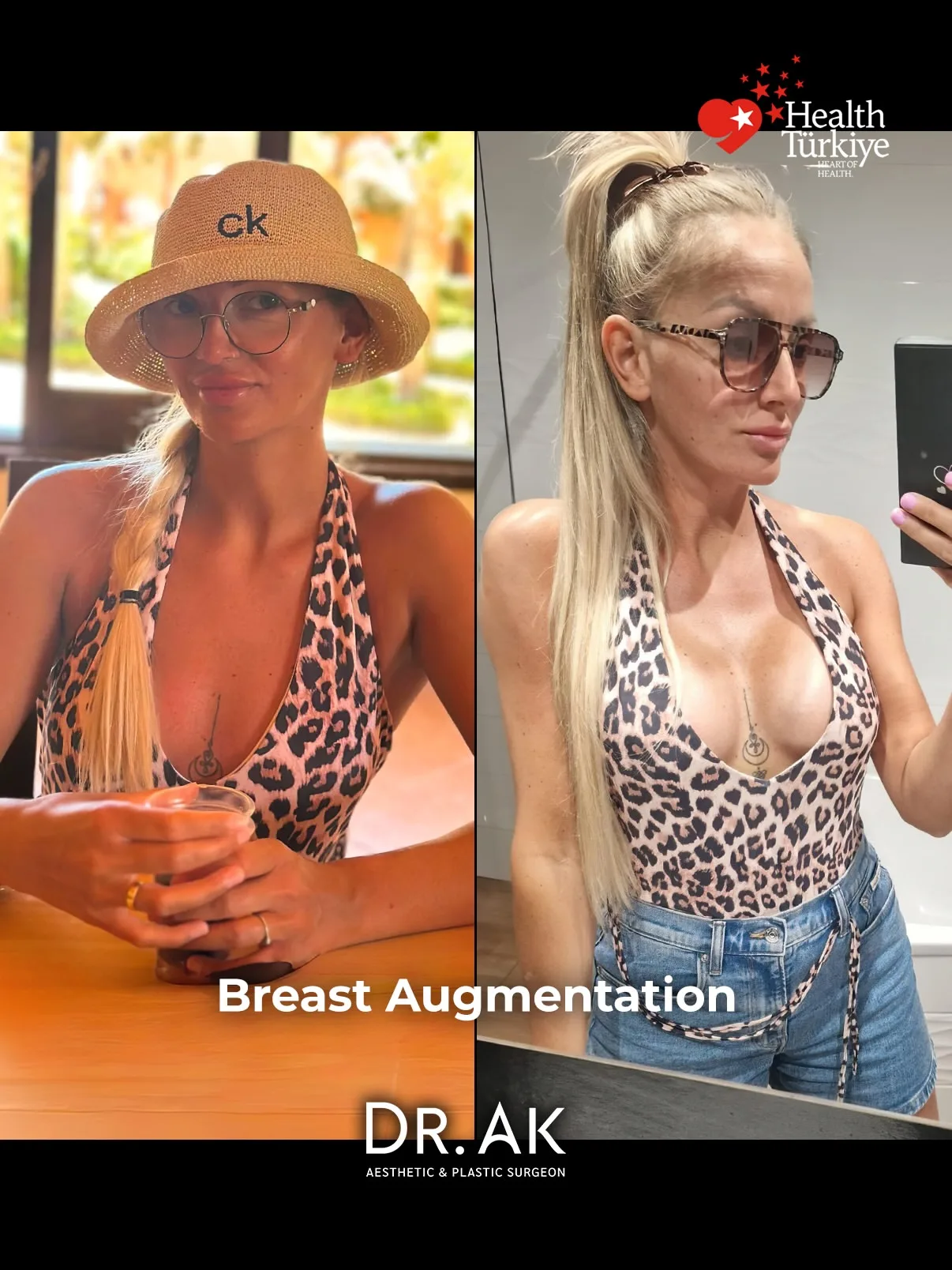
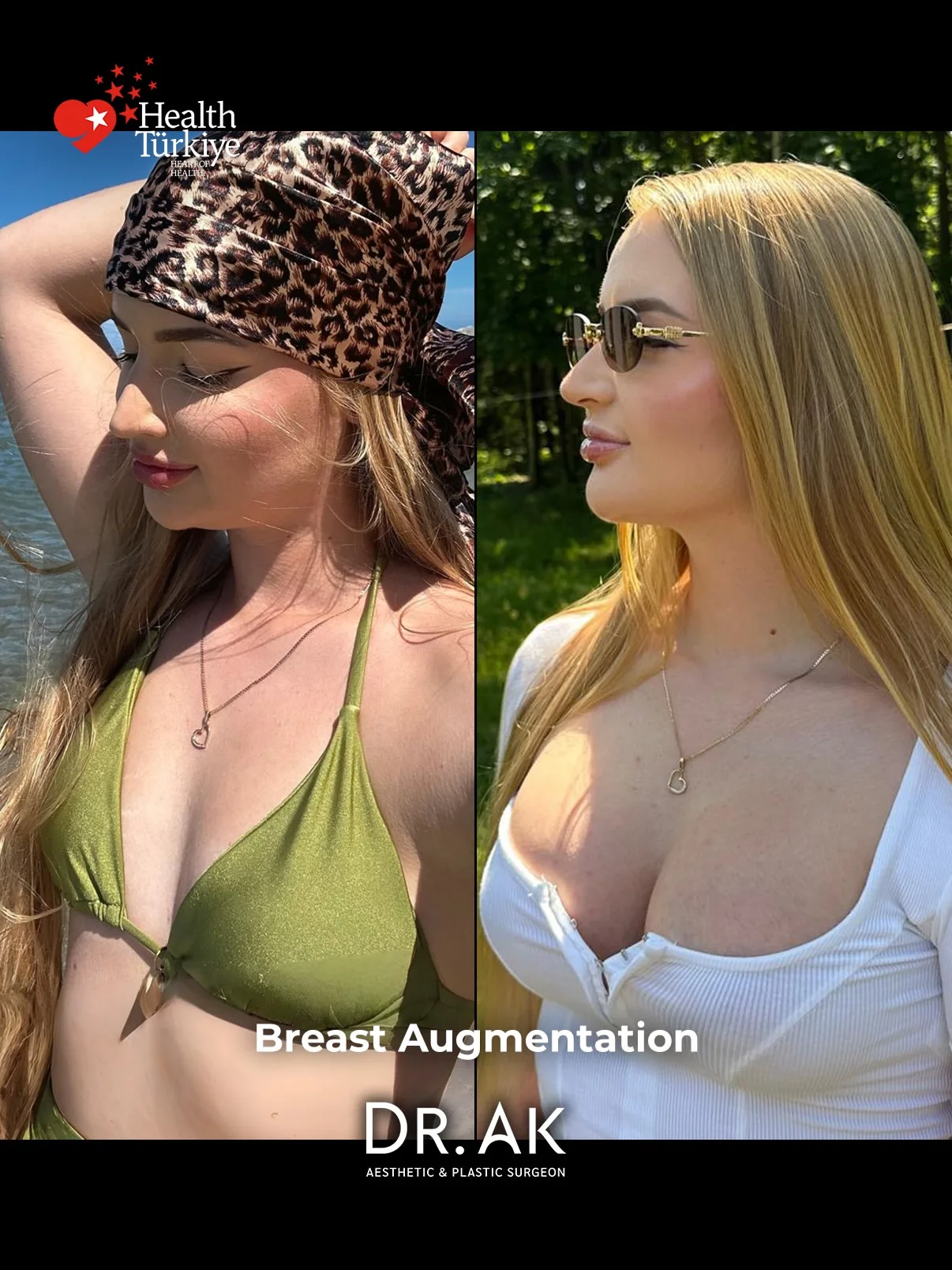
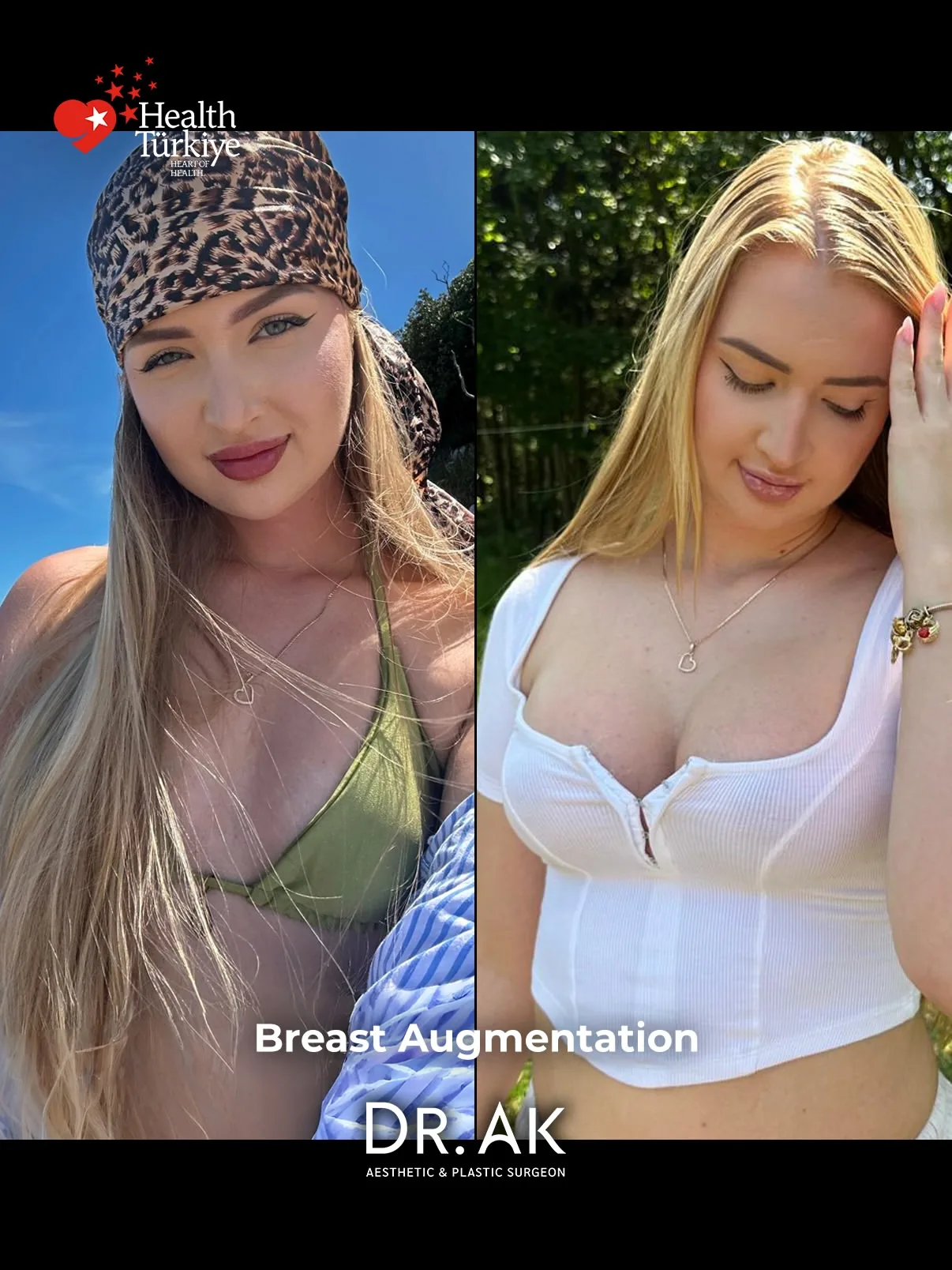
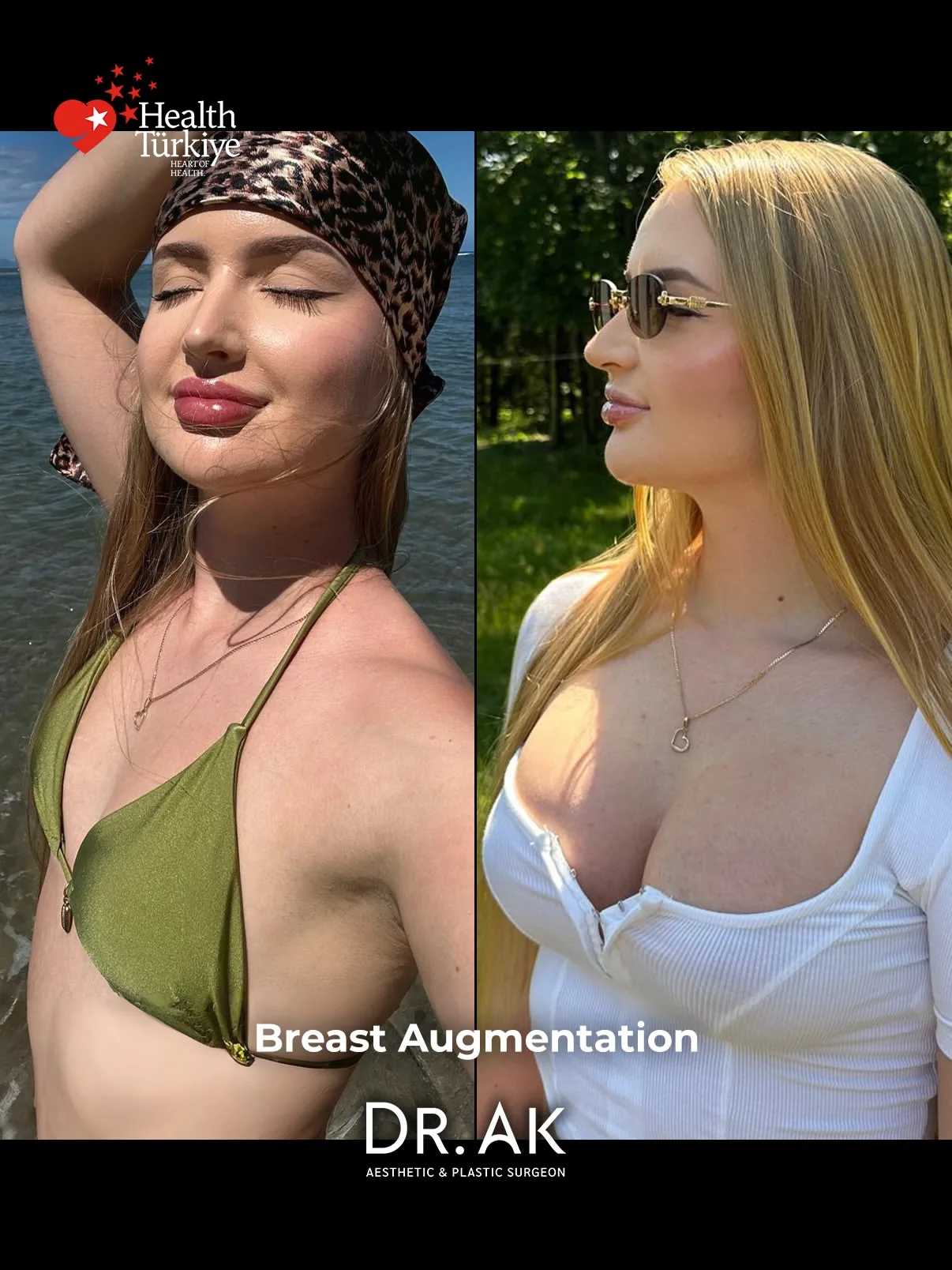
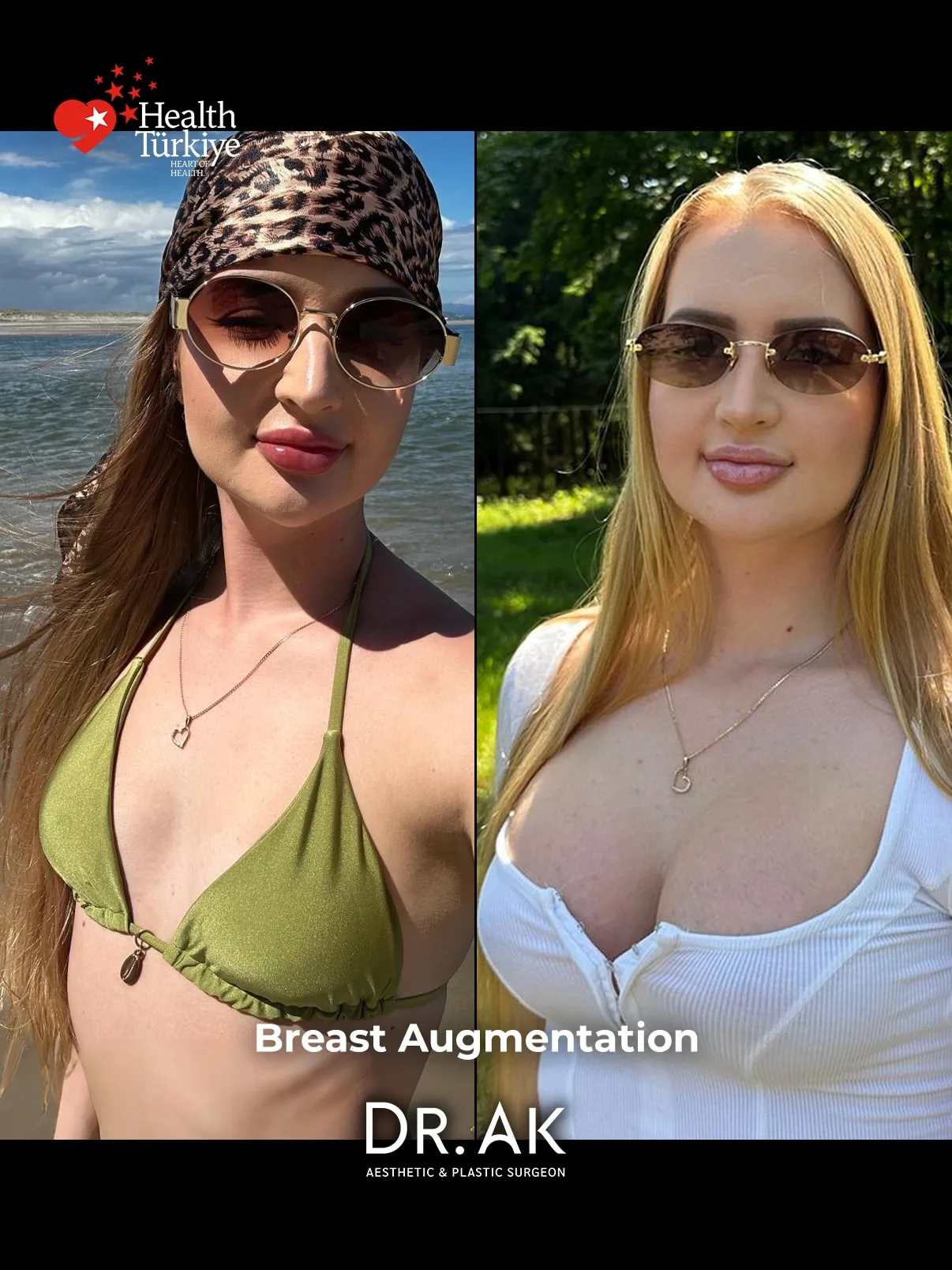
A 28-year-old female patient from Australia contacted our clinic with the goal of increasing her breast volume from approximately an A cup to a fuller, more proportionate C cup appearance. During the preoperative consultation, her chest anatomy, existing breast tissue, skin quality, body proportions, and desired outcome were carefully evaluated to determine the most suitable implant size and placement technique.
Based on these factors, a 340 cc moderate-profile breast implant was selected. The implant was placed using the dual-plane technique, which combines partial placement beneath the pectoral muscle with controlled positioning under the breast tissue. This approach can help provide additional upper-pole coverage while allowing the lower part of the breast to develop a natural contour.
The main objective in this case was to create a noticeable increase in breast volume without producing an appearance that would be disproportionate to the patient’s frame. Implant volume alone does not determine the final cup size, as breast width, chest dimensions, existing tissue, implant profile, and bra sizing standards can all affect the postoperative appearance.
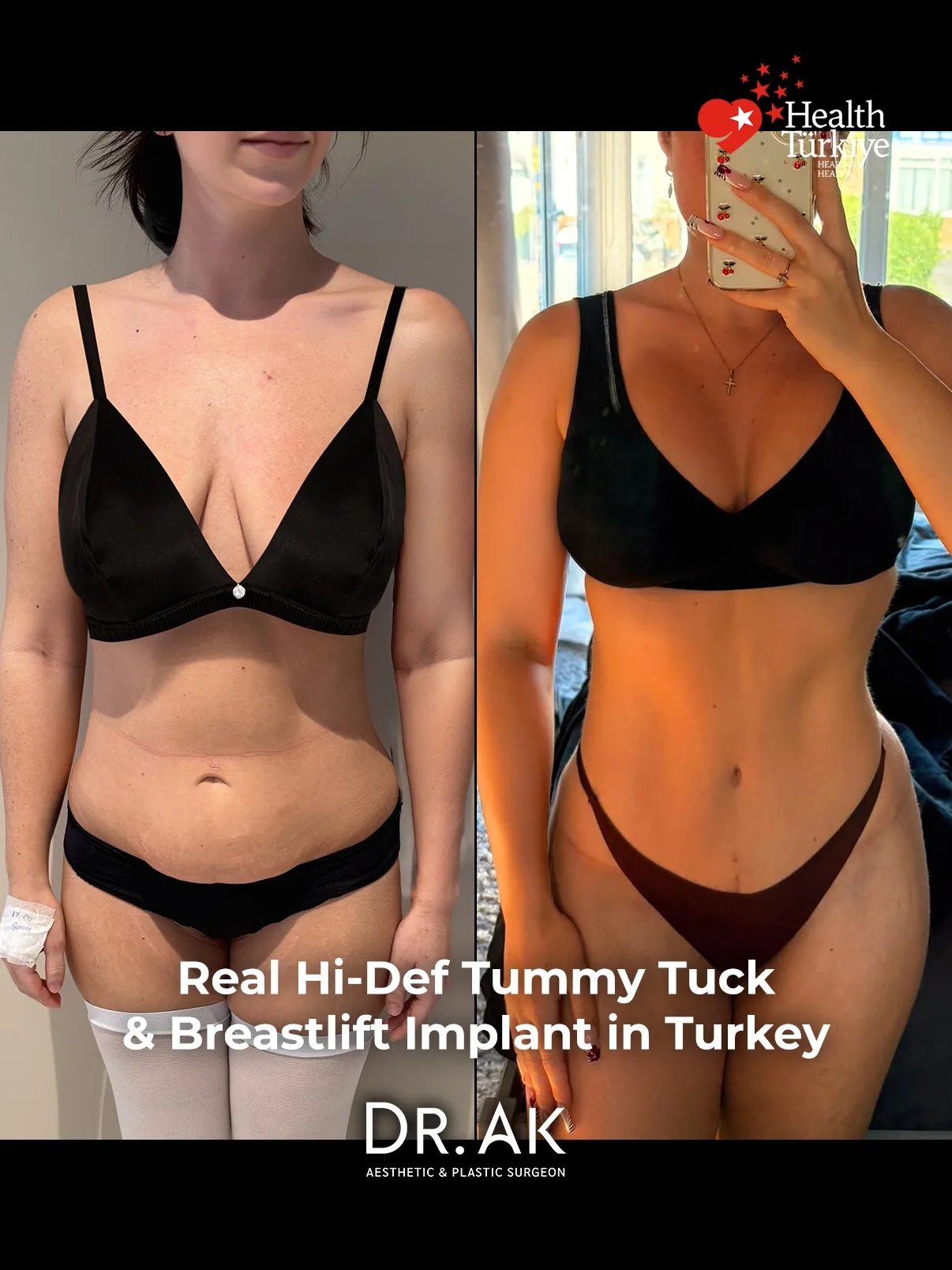
The before-and-after photographs below demonstrate the change in breast volume, projection, and overall body proportion following surgery. As with all breast augmentation procedures, postoperative swelling and implant position continue to change during the healing period, and the breasts generally become softer and settle further over time.
Breast augmentation planning should always be individualized. The implant size, profile, surgical plane, and expected result should be selected according to each patient’s anatomy and aesthetic goals rather than based solely on a specific cup-size request.
Individual healing patterns and surgical outcomes may vary from patient to patient.

Op. Dr. Erman Ak is an internationally experienced specialist known for facial, breast, and body contouring surgeries in the field of aesthetic surgery. With his natural result–oriented surgical philosophy, modern techniques, and artistic vision, he is among the leading names in aesthetic surgery in Türkiye. A graduate of Hacettepe University Faculty of Medicine, Dr. Ak completed his residency at the Istanbul University Çapa Faculty of Medicine, Department of Plastic, Reconstructive and Aesthetic Surgery.
During his training, he received advanced microsurgery education from Prof. Dr. Fu Chan Wei at the Taiwan Chang Gung Memorial Hospital and was awarded the European Aesthetic Plastic Surgery Qualification by the European Board of Plastic Surgery (EBOPRAS). He also conducted advanced studies on facial and breast aesthetics as an ISAPS fellow at the Villa Bella Clinic (Italy) with Prof. Dr. Giovanni and Chiara Botti.
Op. Dr. Erman Ak approaches aesthetic surgery as a personalized art, tailoring each patient’s treatment according to facial proportions, skin structure, and natural aesthetic harmony. His expertise includes deep-plane face and neck lift, lip lift, buccal fat removal (bichectomy), breast augmentation and lifting, abdominoplasty, liposuction, BBL, and mommy makeover. He currently provides safe, natural, and holistic aesthetic treatments using modern techniques in his private clinic in Istanbul.