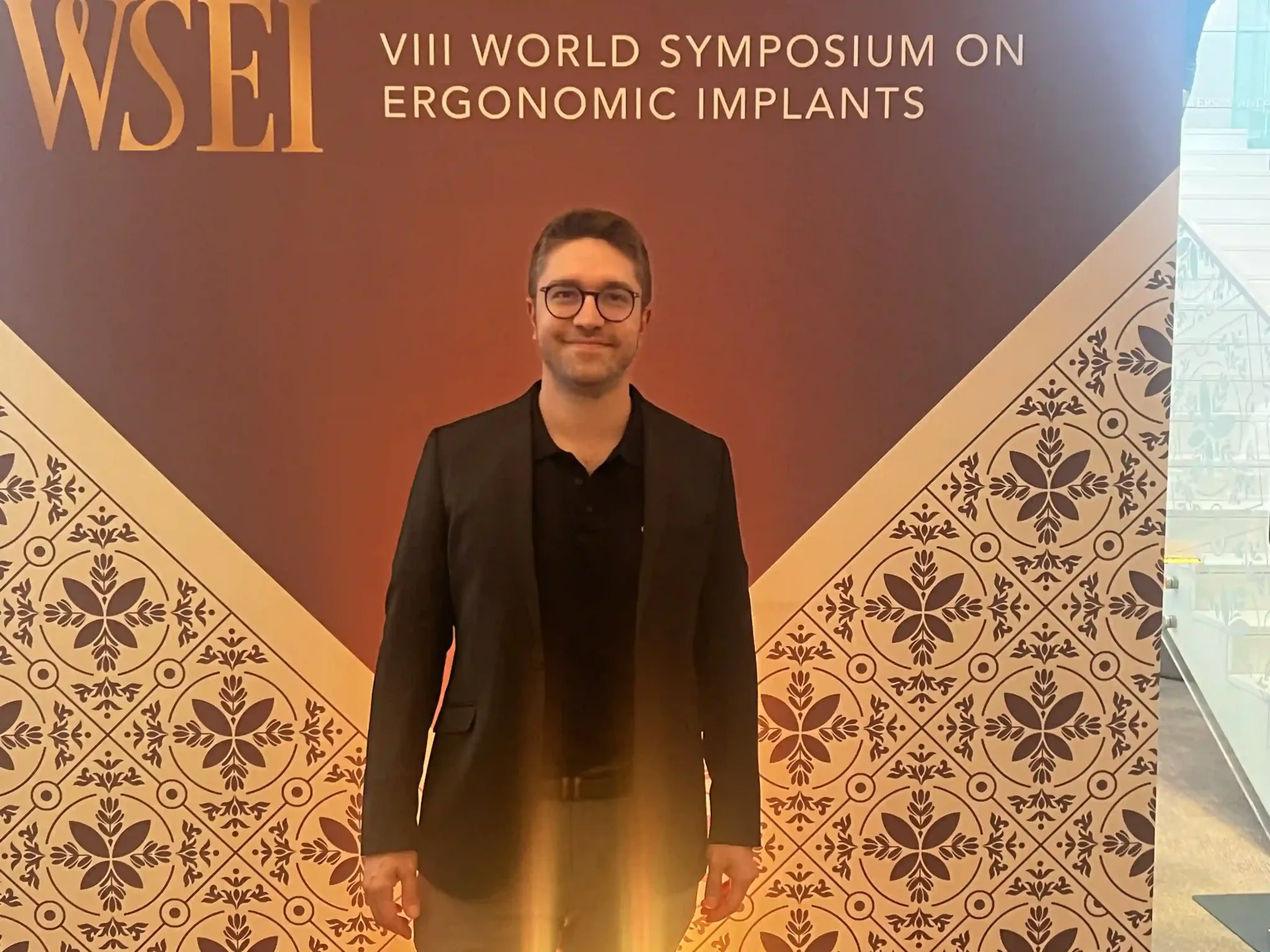
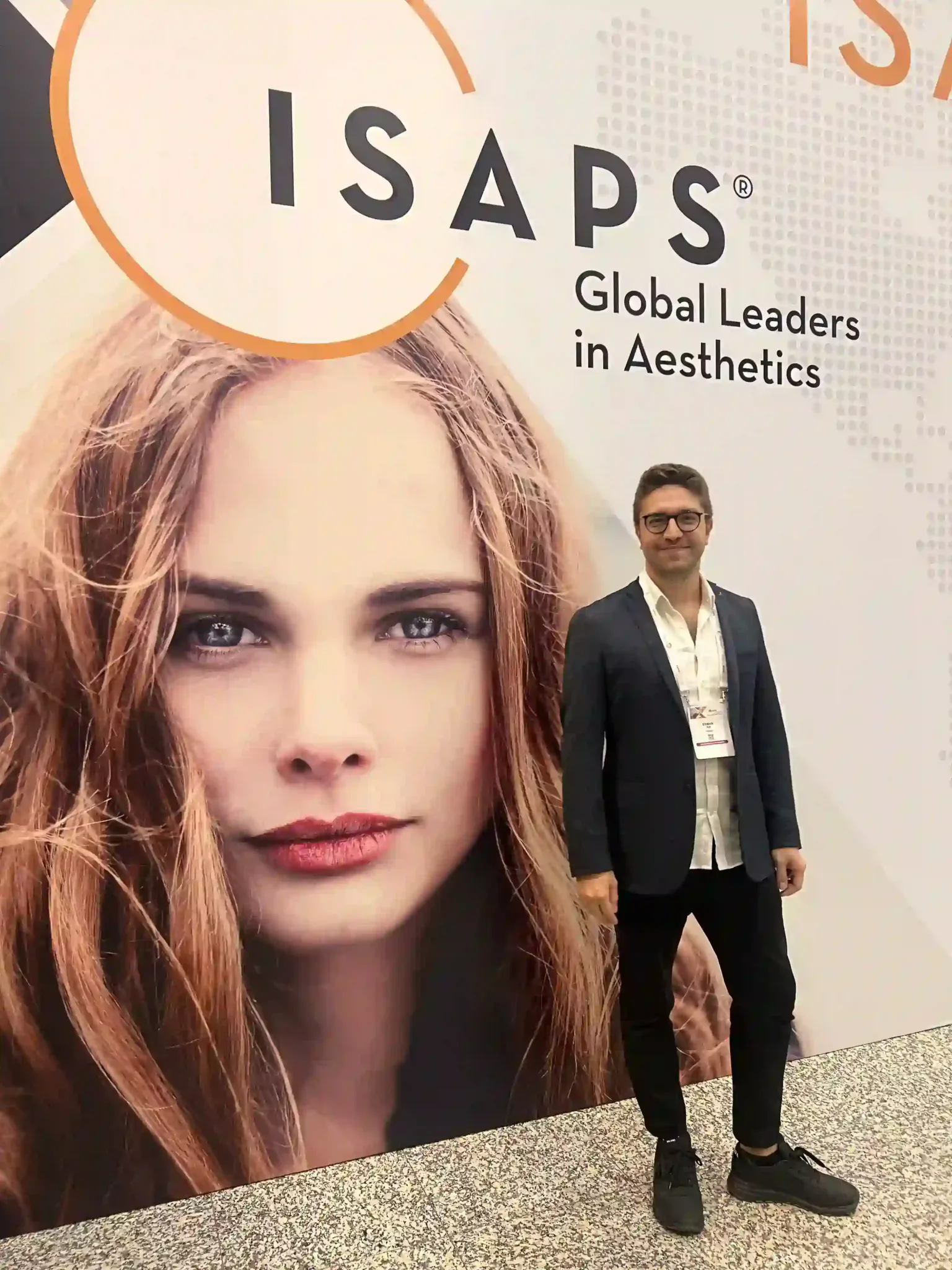
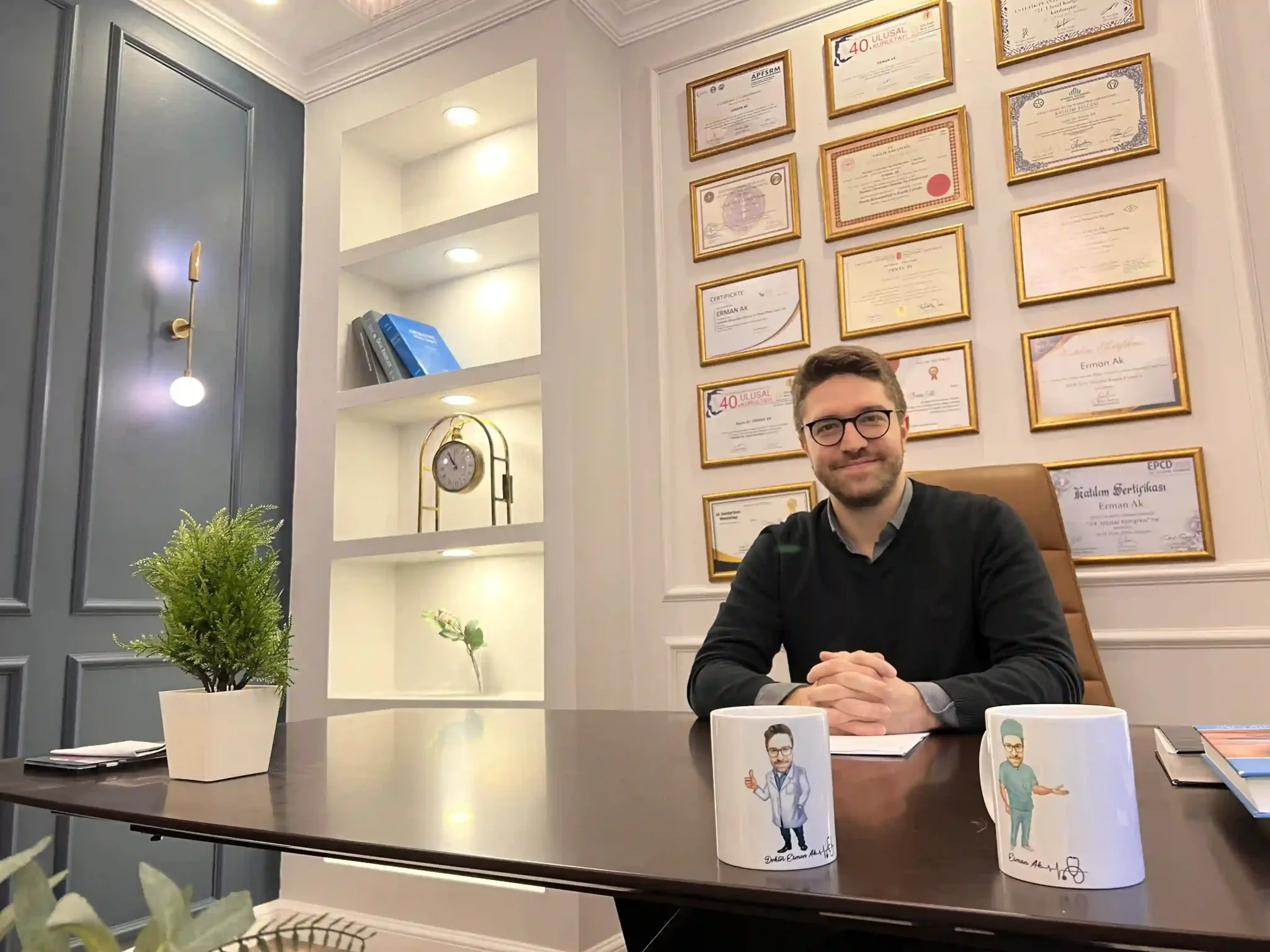
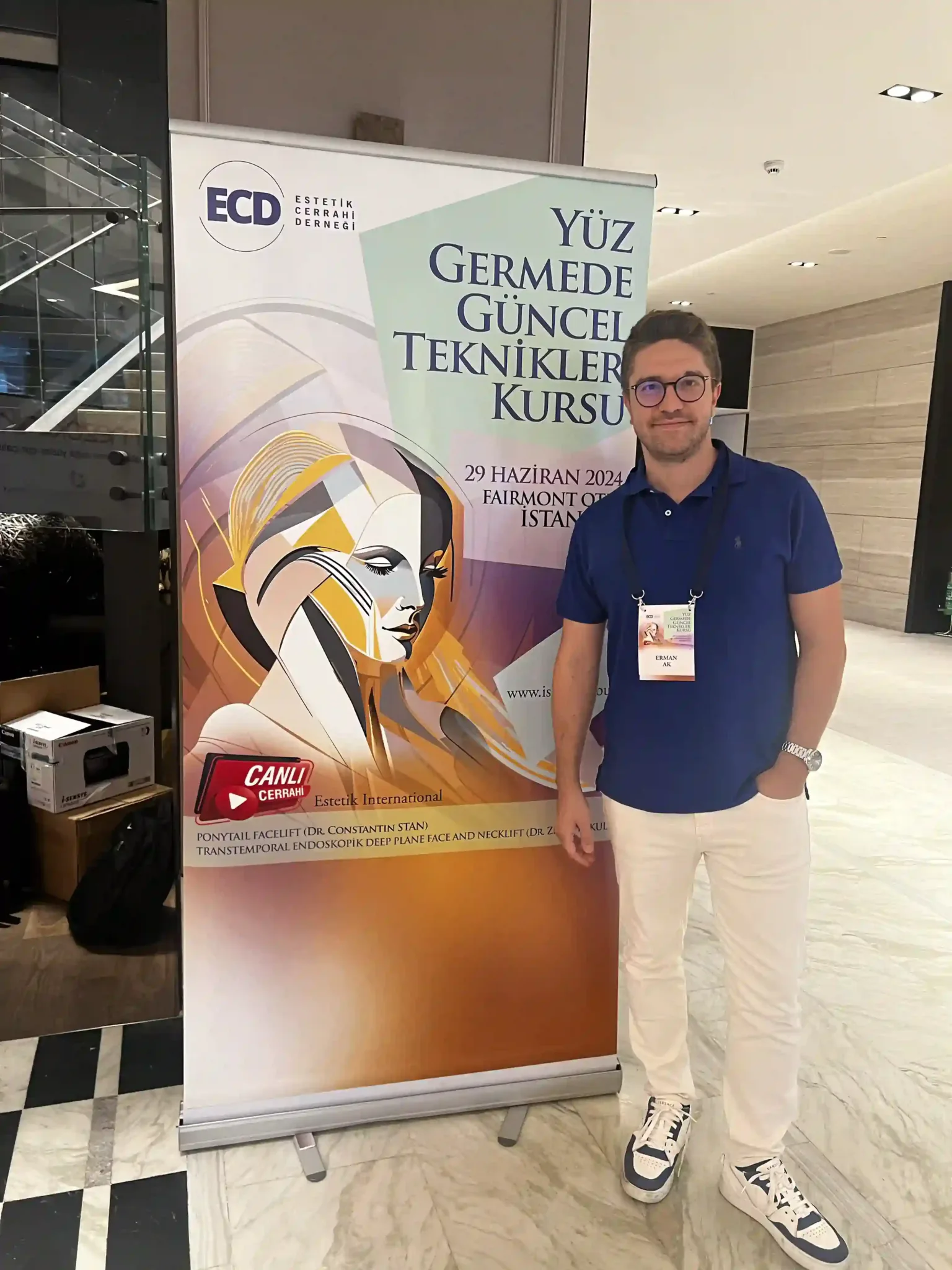
Dr. Erman Ak

Best Body Aesthetics in Turkey | 2025 Cost, Reviews and Before & After Results

Body Aesthetics in Turkey is one of the best option for people looking for getting Body Aesthetics abroad. Dr. Erman Ak is one of the best plastic surgeon for Body Aesthetics in Turkey, you can check his Body Aesthetics prices, reviews or before after pictures.

Reviews Prices & Packages
Group 110 Body Aesthetics
Group 85 1 png Body Aesthetics
EN slider Body Aesthetics

Body aesthetics encompasses surgical and non-surgical aesthetic procedures performed to improve body contours and achieve a more proportionate appearance. This field includes interventions targeting the abdomen, waist, hips, legs and arms.

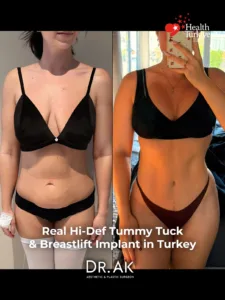
Tummy tuck (abdominoplasty) is especially preferred to correct sagging that occurs after pregnancy or weight loss. Excess skin and fat tissue are removed, the abdominal wall is tightened and a flatter abdominal profile is achieved.

Liposuction is a fat removal procedure applied to areas of the body where localized fat accumulation is intense. By removing fat deposits that cannot be eliminated despite diet and exercise, a significant slimming of the body lines is achieved.

Brazilian butt lift (BBL) is a procedure performed to give the buttocks a fuller and more lifted appearance. It is usually performed using the patient’s own fat tissue and aims to create an aesthetically proportionate look in the buttock area.

Contact us for detailed information and to book an appointment about Body Aesthetics!

Who Is the Best Candidate for Body Aesthetic Surgery and How Does the Process Begin?

The key to success in aesthetic surgery is performing the right procedure, on the right patient, at the right time. Not every individual is suitable for every surgical intervention, and this selection process is not arbitrary but entirely based on medical safety. When deciding on body contouring operations, it is necessary to evaluate not only the patient’s appearance in the mirror, but also their general health status, lifestyle and psychological readiness.

Body Mass Index (BMI) is one of the most concrete parameters in this evaluation. Scientific data show that individuals with a high BMI have a significantly increased risk of surgical complications. For a safe anesthesia process and smooth aesthetic contours, it is preferable for patients to be below a certain weight limit. For an ideal body contour, the target range is generally a BMI value below 30. This not only reduces risks on the operating table, but also makes the final result much more refined and long-lasting.

Weight stability is another critical factor. Even if the patient has reached their target weight, the body needs time to adapt to this new state. Before surgery, it is expected that the weight remains stable for a certain period so that the metabolism and tissues can reach balance. If the person undergoes surgery while still losing weight, newly developing laxity after the operation may compromise the aesthetic result. In patients who have undergone bariatric surgery, this waiting period may be longer so that nutritional balances can be fully established.

Smoking is the biggest red line for this type of extensive surgery. Nicotine constricts blood vessels and significantly reduces the amount of oxygen reaching the tissues. In body contouring surgery, large skin areas are lifted and repositioned, so adequate blood supply to these tissues is vital. In a patient who smokes, problems with wound healing, tissue loss and infection risks increase dramatically. Therefore, it is an absolute rule to quit smoking well before the scheduled surgery date and not resume until healing is complete.

The main criteria considered before surgery are:

  • BMI within the ideal range
  • Weight remaining stable for at least six months
  • Complete cessation of smoking
  • Chronic diseases being under control
  • Having realistic expectations
  • Psychological stability

Which Problems Does a Tummy Tuck (Abdominoplasty) Solve and What Are the Methods?

The abdominal area is one of the body regions most affected by genetic factors, aging, weight gain and loss, and especially pregnancy. Tummy tuck surgery is not, as sometimes misunderstood by the public, a weight loss method but a body contouring and repair procedure. The main purpose of this surgery is to remove excess skin that cannot be eliminated with diet and exercise and to reconstruct the abdominal wall.

A condition frequently seen in women who have given birth is called “rectus diastasis”, which is the separation of the vertical muscles on the front abdominal wall. This separation causes the abdomen to appear bulging, no matter how slim the person is or how many sit-ups they perform. During a tummy tuck procedure, these muscles are brought together and sutured along the midline. This creates an “internal corset” effect, flattening the abdominal wall and accentuating the waistline.

In traditional techniques, drains were commonly used after surgery to prevent fluid accumulation. Today, with advances in surgical methods, “drainless tummy tuck” applications are coming to the forefront. In this modern approach, the subcutaneous tissue is fixed to the underlying layer with progressive tension sutures. This technique leaves no dead space where fluid can accumulate. Not using drains increases the patient’s mobility after surgery, reduces the risk of infection and makes the recovery process much more comfortable. In addition, these internal sutures help give the abdominal area a more natural, contoured and shadowed appearance.

Why Are Body Lift Procedures Necessary After Massive Weight Loss?

In patients who have lost a large amount of weight as a result of bariatric surgery (such as gastric reduction) or strict diet programs, it is inevitable that the skin loses elasticity and sags. As the inside of the body becomes smaller, the “skin envelope” remains large and, under the influence of gravity, drapes downward. This excess skin not only creates an aesthetic concern, but also leads to serious functional problems such as chafing, fungal infections, movement restrictions and difficulty finding suitable clothing. At this point, fat removal procedures alone are insufficient and surgical excision of excess skin becomes mandatory.

“Body lift”, also called “belt lipectomy”, is a circumferential contouring procedure that encircles the lower half of the trunk. With this surgery, the abdomen, waist, hips and buttocks are shaped in the same session. The incision made in the front tightens the abdomen, while the incision extending to the back lifts the buttocks and narrows the waist. This procedure provides a dramatic improvement in the patient’s body silhouette.

In such extensive operations, patient safety is of utmost importance. Prolonged surgical time increases the risk of complications related to anesthesia. Therefore, if a patient needs tightening of the arms, thighs and trunk, it is preferable to plan these procedures in stages rather than performing them all in one session. Generally, procedures that restore the central body are performed first, and after recovery is complete, operations targeting the limbs are planned. A certain interval between two major surgeries is necessary to allow the body to recover, blood values to normalize and metabolic balance to be restored.

Procedures frequently applied in this patient group include:

  • 360-degree body lift
  • Arm lift
  • Thigh lift
  • Breast lift
  • Back lift
  • Buttock lift

How Are Modern Techniques and Implant Selection Used in Breast Aesthetics Determined?

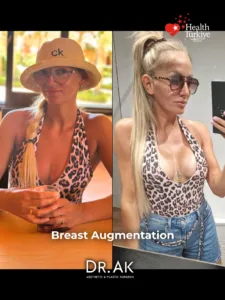
Breast aesthetics is an important field that includes augmentation, reduction and lifting procedures and directly affects a woman’s perception of her own body. Since every woman’s anatomy, rib cage structure and aesthetic expectations are different, the method to be applied must be planned in a completely individualized manner. The goal is not only to enlarge or reduce the breast, but to achieve a natural form that is proportional to the body.

In breast augmentation surgery, silicone gel implants are the most commonly preferred material today. These implants are technologically advanced and the risks of rupture or leakage have been minimized. In implant selection, the amount of existing breast tissue is a determining factor. Round implants provide more prominent fullness in the décolleté area, while anatomical, teardrop-shaped implants mimic the natural slope of the breast, offering a more natural transition. In addition, the surface structure of the implant can influence how the body responds to it.

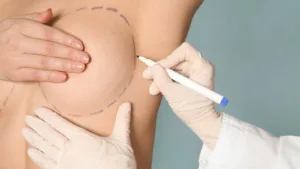
Breast lift (mastopexy) is the procedure used to correct sagging, deflated breasts. The main aim is to reposition the nipple to its ideal location and to narrow the lax skin envelope while reshaping the breast tissue. If the patient’s own breast tissue has sufficient volume, a lift alone may be adequate. However, if there is significant internal volume loss, the lifting procedure can be supported with a silicone implant to achieve a breast form that is both lifted and full.

Breast reduction surgery, on the other hand, is a functional procedure that improves the patient’s quality of life beyond cosmetic concerns. Large and heavy breasts can cause physical problems such as cervical disc herniation, back pain, postural disorders and deep grooving of bra straps on the shoulders. By reducing the breast tissue, the patient is relieved of this burden.

Contact us for detailed information and to book an appointment about Body Aesthetics!

What Does a Mommy Makeover Include and When Should It Be Performed?

Pregnancy and breastfeeding can lead to permanent physical changes in a woman’s body. Separation of the abdominal muscles, stretch marks and laxity of the skin, volume loss or sagging of the breasts, and stubborn fat around the waist are natural consequences of this process. A “Mommy Makeover” is a combined surgical approach that aims to address all these problems within a single recovery period. It usually includes tummy tuck, liposuction and breast aesthetic procedures:

Timing is critical for this surgery. Ideally, the mother should have lost her pregnancy weight and be close to her ideal weight. It is also recommended to wait at least six months after the end of breastfeeding so that the breasts can reach their final shape and the milk ducts can shrink. One of the most important criteria is that the patient has completed her family planning. If she plans to become pregnant again in the near future, it is more appropriate to postpone the surgery. A new pregnancy may cause the repaired abdominal muscles to separate again and the skin to become lax once more, reversing the results of the operation.

Procedures included in a Mommy Makeover:

  • Tummy tuck
  • Breast augmentation or breast lift
  • Liposuction
  • Genital aesthetics
  • Fat injection

Which Liposuction Technology Is More Effective for Stubborn Fat?

Liposuction is not, contrary to popular belief, a weight-loss tool, but rather the art of refining body contours. It is the most effective method for the permanent removal of genetically programmed fat deposits (hips, waist, abdomen, inner knees, double chin, etc.) that are resistant to diet and exercise. The aim is not to reduce the number on the scale, but to slim the body lines and create a more proportionate silhouette.

Today, classical liposuction methods have largely been replaced by more tissue-friendly, technologically advanced techniques that accelerate recovery. In the approach known as the “tumescent” technique, a special solution is infused into the area before the procedure. This solution softens the fat, constricts blood vessels to reduce bleeding and bruising, and provides a local anesthetic effect.

Technologies such as power-assisted liposuction (PAL) and ultrasonic liposuction (VASER) make fat removal more precise. VASER technology uses sound waves to selectively break down fat cells. This method is especially preferred for “high-definition” body contouring. Bringing out muscle shadows and achieving a more athletic appearance is possible with this technology. Another advantage of energy-based devices is that the heat generated under the skin provides a certain degree of tightening. However, the choice of technology depends on the patient’s skin quality, fat ratio and the desired outcome.

Are Scars Permanent in Arm and Thigh Lift Surgeries and How Are They Managed?

Especially after massive weight loss, skin sagging on the inner arms and inner thighs may be too severe to be corrected with liposuction alone. In these regions, the skin may have completely lost its elasticity, making surgical excision of excess skin necessary. These operations are among the procedures about which patients are most concerned when it comes to scarring.

In arm lift (brachioplasty) surgery, the scar is usually located on the inner side of the upper arm, extending as a line from the armpit to the elbow. In thigh lift, there may be a horizontal scar hidden in the groin crease or, depending on the degree of sagging, a vertical scar running down the inner thigh. Here, the patient faces a choice: live with sagging, swinging skin that restricts clothing options, or accept a thin surgical scar that will fade over time?

For most patients, the feeling of freedom from sagging skin and the comfort of wearing sleeveless clothes with confidence are much more valuable than the presence of a scar. The quality of the scar depends on the surgeon’s suturing technique, the materials used and, most importantly, the patient’s genetic healing potential. With postoperative scar treatments and sun protection measures, the visibility of scars can be reduced over time.

Do Non-Surgical Body Contouring Devices Really Work?

With advances in technology, radiofrequency, cryolipolysis (fat freezing) and focused ultrasound-based devices have gained popularity. These methods are attractive options for people who fear surgery, do not want anesthesia or do not have time for a recovery period. However, it is important to be realistic about the effects and limitations of these devices.

Non-surgical body contouring methods are suitable for mild localized fat excess and minimal skin laxity. For example, a small fat pad that does not respond to diet may be slightly reduced with cryolipolysis, or radiofrequency may improve skin quality and provide mild tightening. However, these devices cannot replace surgical liposuction and cannot remove large volumes of fat.

More importantly, in patients with significant skin sagging, the effect of these devices is negligible. There is currently no non-surgical, miraculous technology that can completely eliminate severely sagging skin. Therefore, non-surgical methods are generally recommended as adjunctive treatments to surgery or only for patients with minor irregularities. Incorrect patient selection can result in wasted time and money.
Situations where non-surgical methods are appropriate include:

  • Very mild localized fat deposits
  • Health conditions that contraindicate surgery
  • Minimal skin laxity
  • Lack of time for a recovery period
  • Fear of or reluctance toward surgical procedures

How Are Safety and Fast Recovery (ERAS) Ensured During the Surgical Process?

One of the most important developments in modern surgery is the implementation of protocols that maximize patient comfort before, during and after surgery. “ERAS” (Enhanced Recovery After Surgery) protocols aim to help the patient return to normal life as quickly as possible. This approach consists of evidence-based steps designed to reduce the stress that surgery places on the body.

Limiting the duration of surgery is one of the main safety protocols. Especially in combined procedures, it is vitally important that the anesthesia time does not exceed a certain limit in order to minimize complication risks. Long operations can cause a drop in body temperature and disturb fluid balance. Therefore, very extensive procedures are planned in stages rather than being performed in a single session.

Another important issue is the management of the risk of blood clots (embolism). In body contouring operations, mechanical and pharmacological methods are used to prevent blood flow from slowing down. Special compression stockings or intermittent pneumatic compression devices placed on the legs during surgery support blood circulation, and in high-risk patients, blood-thinning medications are started after surgery.

Pain management is also one of the strongest aspects of modern surgery. With the “multimodal analgesia” approach, pain is controlled not with a single medication but with a combination of drugs that act via different mechanisms. Long-acting local anesthetics and nerve blocks applied to the surgical area ensure that the patient does not feel severe pain upon waking. Therefore, there is less need for strong painkillers with many side effects. A patient who wakes up with minimal pain can begin walking a few hours after surgery. Early mobilization is the most important component of the recovery process; it accelerates circulation, regulates bowel movements and motivates the patient psychologically in the healing process.

The components of the enhanced recovery protocol include:

  • Preoperative nutritional optimization
  • Short fasting periods
  • Maintaining body temperature
  • Opioid-sparing pain management
  • Early mobilization
  • Early initiation of oral intake
  • Minimizing the use of drains
Blog
Latest Blog Posts
15 Celebrities Who Had a Facelift

Dr. Erman Ak » Plastic Surgery » 15 Celebrities Who Had a FaceliftThe days of [...]

Is It Normal for Stitches to Itch?

Dr. Erman Ak » Plastic Surgery » Is It Normal for Stitches to Itch?Yes, in [...]

What Are the Advantages of Endoscopic Surgery (Closed Surgery)?

Dr. Erman Ak » Plastic Surgery » What Are the Advantages of Endoscopic Surgery (Closed [...]

Risks & Complications of Aesthetic Surgery

Dr. Erman Ak » Plastic Surgery » Risks & Complications of Aesthetic SurgeryAesthetic surgery, like [...]

Smoking and Alcohol Use after Aesthetic Surgery

Dr. Erman Ak » Plastic Surgery » Smoking and Alcohol Use after Aesthetic SurgeryAfter aesthetic [...]

Anesthesia in Aesthetic Surgeries

Dr. Erman Ak » Plastic Surgery » Anesthesia in Aesthetic SurgeriesIn aesthetic surgeries, modern anesthesia [...]

Return to Normal Life after Aesthetic Surgery

Dr. Erman Ak » Plastic Surgery » Return to Normal Life after Aesthetic SurgeryThe timeframe [...]

Shower & Hygiene after Aesthetic Surgery

Dr. Erman Ak » Plastic Surgery » Shower & Hygiene after Aesthetic SurgeryWaiting for 48 [...]

YouTube
Videos
Gallery
Photo Gallery
IMG
IMG
IMG
IMG
IMG
IMG
IMG
IMG
IMG
IMG
IMG

Turkey's best aesthetic clinic We are waiting for you Turkey's best aesthetic clinic We are waiting for you Turkey's best aesthetic clinic We are waiting for you Turkey's best aesthetic clinic We are waiting for you Turkey's best aesthetic clinic We are waiting for you Turkey's best aesthetic clinic We are waiting for you Turkey's best aesthetic clinic We are waiting for you Turkey's best aesthetic clinic We are waiting for you Turkey's best aesthetic clinic We are waiting for you Turkey's best aesthetic clinic We are waiting for you Turkey's best aesthetic clinic We are waiting for you Turkey's best aesthetic clinic We are waiting for you Turkey's best aesthetic clinic We are waiting for you Turkey's best aesthetic clinic We are waiting for you Turkey's best aesthetic clinic We are waiting for you Turkey's best aesthetic clinic We are waiting for you Turkey's best aesthetic clinic We are waiting for you Turkey's best aesthetic clinic We are waiting for you Turkey's best aesthetic clinic We are waiting for you Turkey's best aesthetic clinic We are waiting for you Turkey's best aesthetic clinic We are waiting for you Turkey's best aesthetic clinic We are waiting for you Turkey's best aesthetic clinic We are waiting for you Turkey's best aesthetic clinic We are waiting for you Turkey's best aesthetic clinic We are waiting for you

Group 92 1 png Body Aesthetics

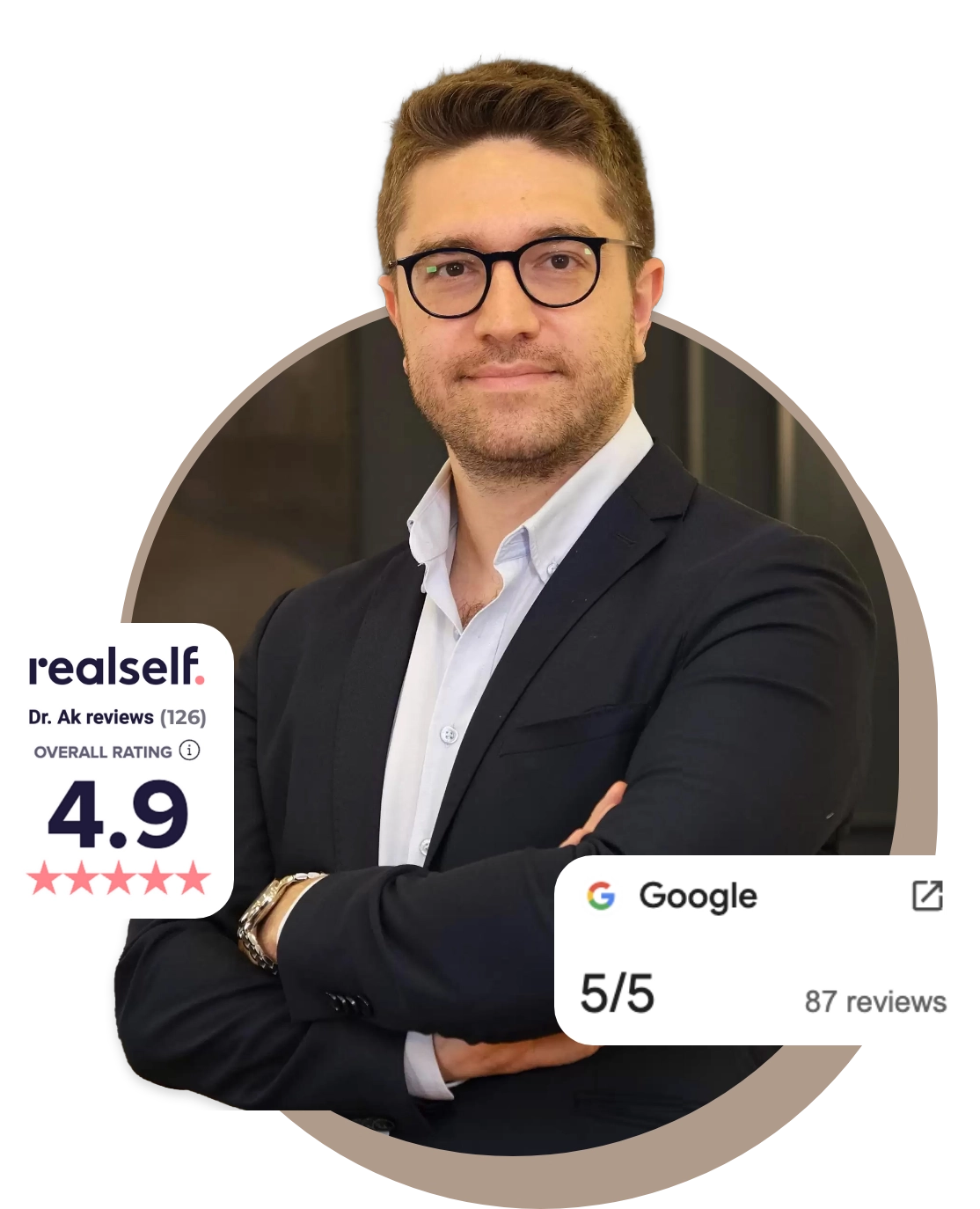
Body Aesthetics Reviews in Turkey

View reviews on Realself